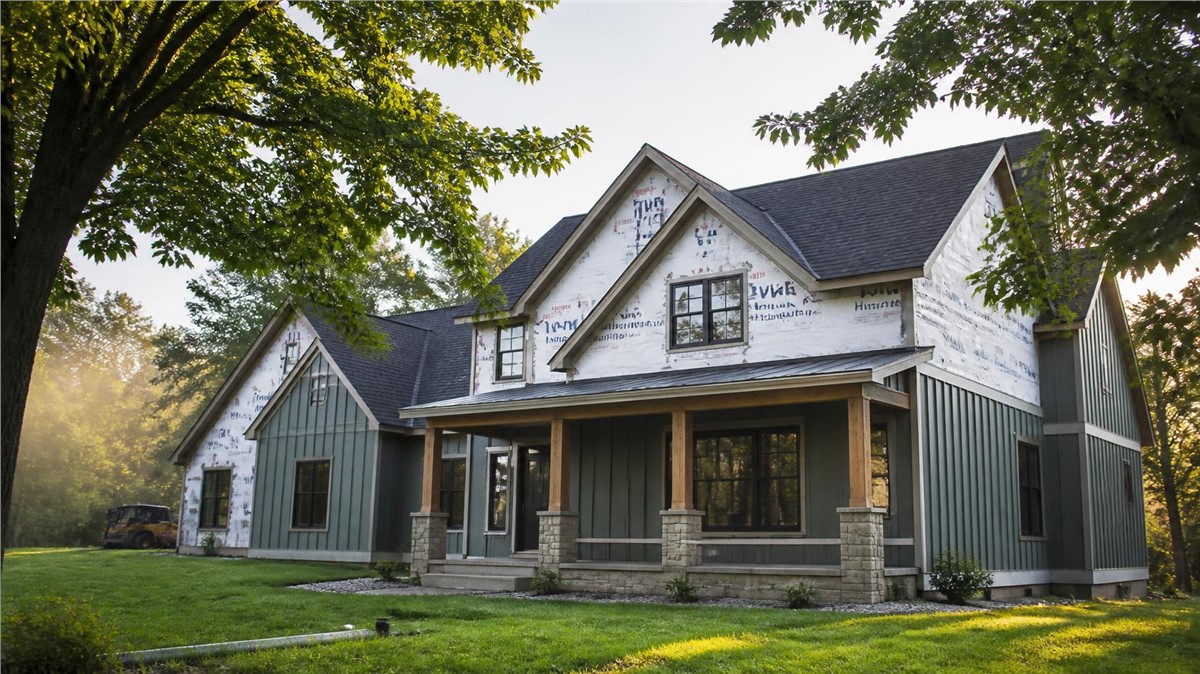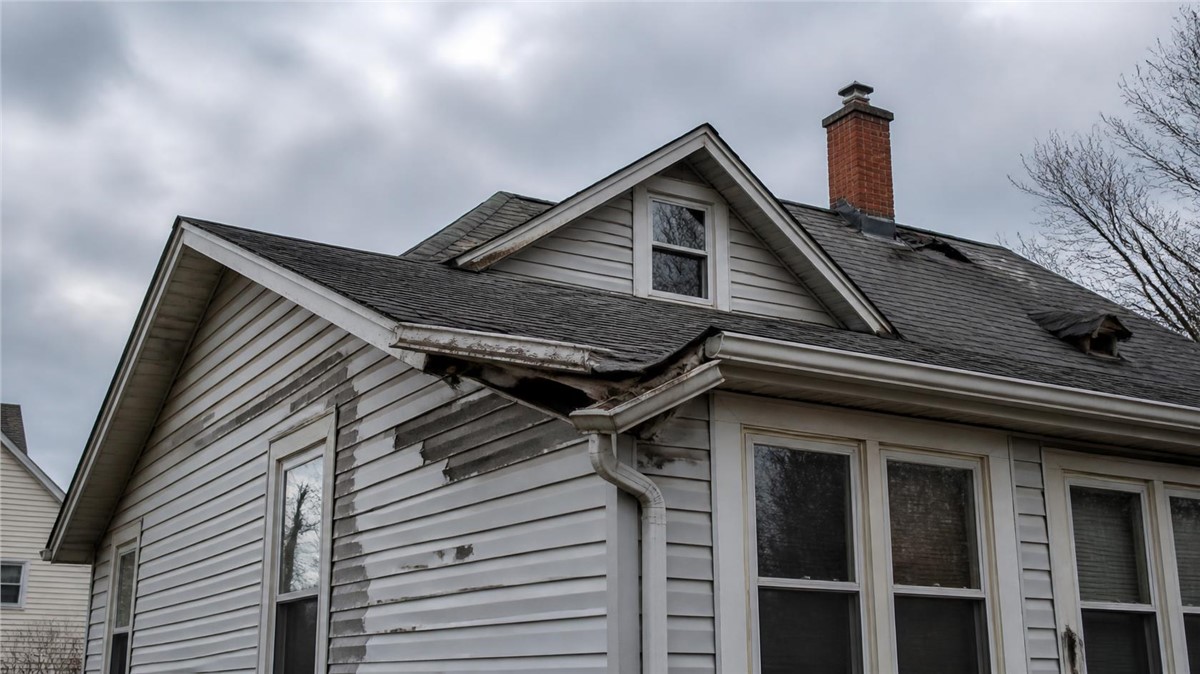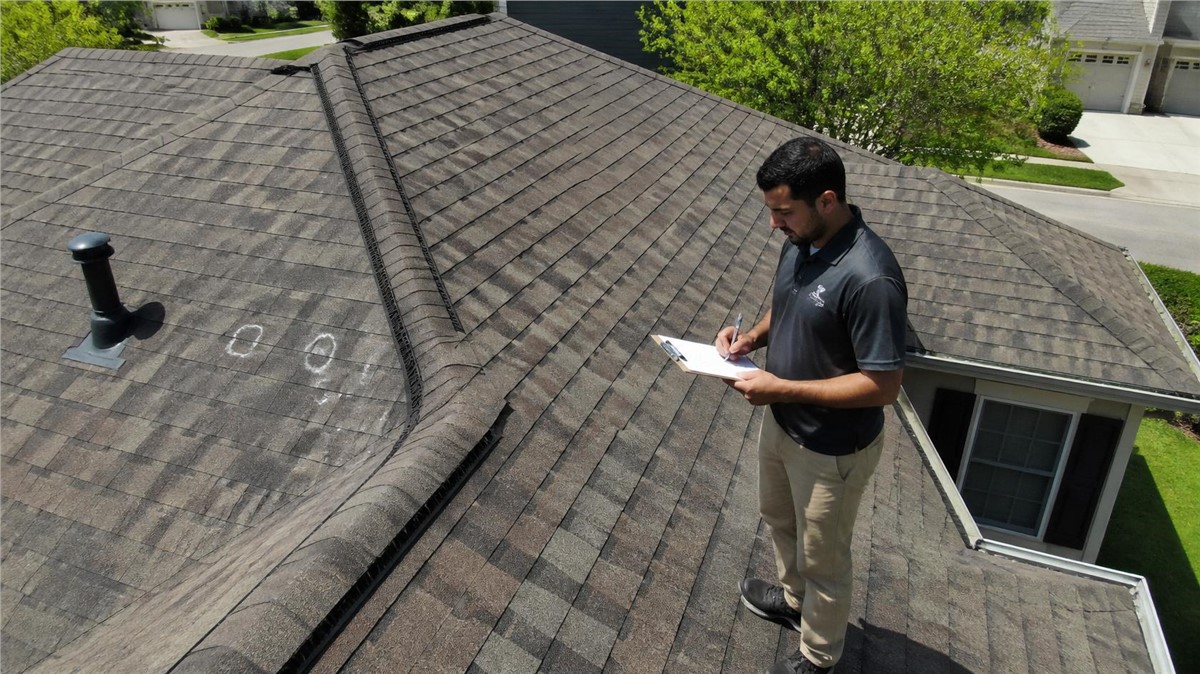
Selling a home comes with many details, and the roof is one of the biggest items buyers notice. A roof that looks worn, damaged, or neglected can raise questions during showings, buyer inspections, appraisals, and negotiations.
Read More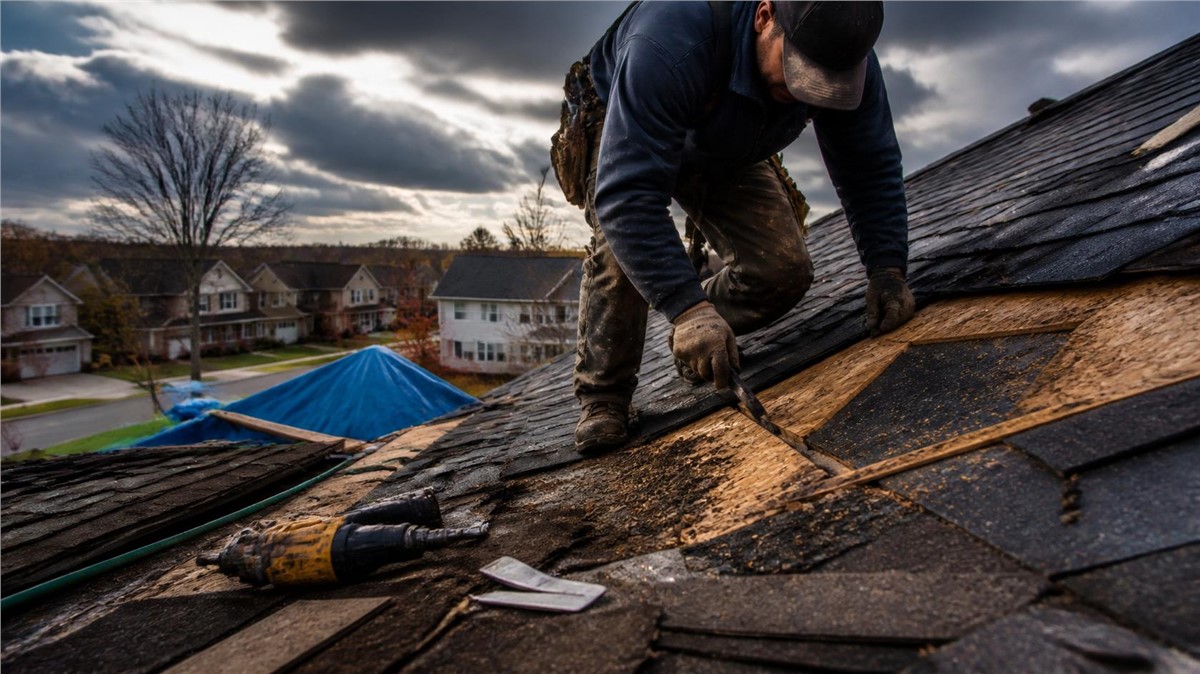
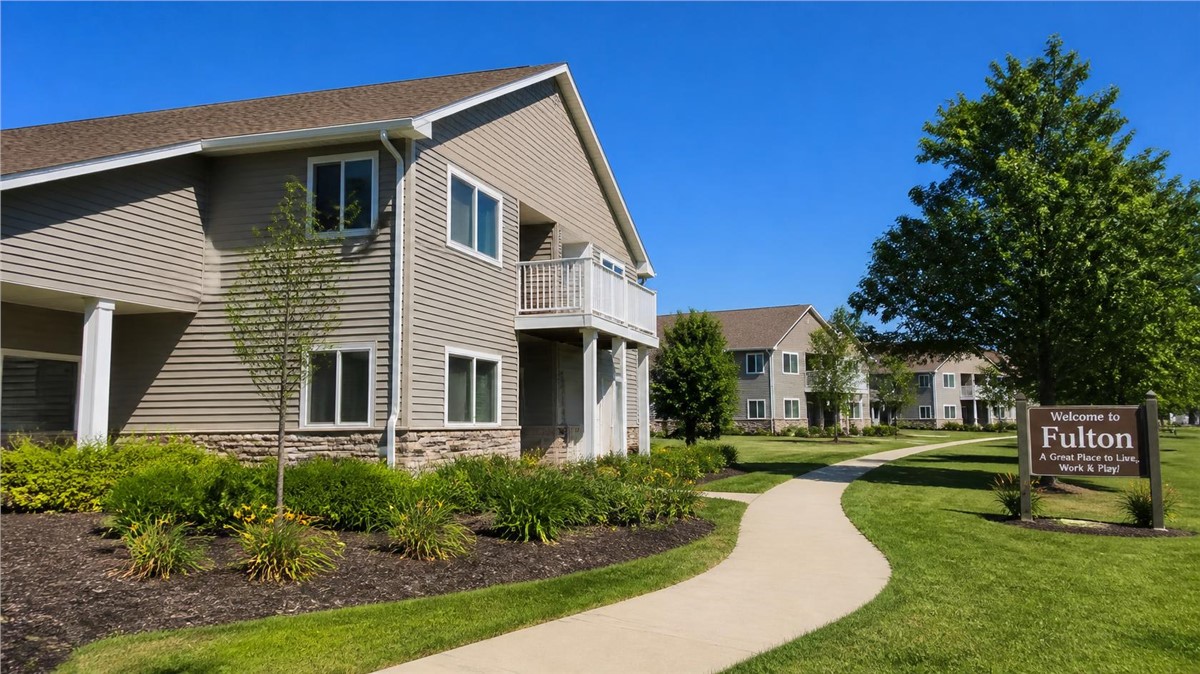
Managing a commercial, multi-tenant, apartment, retail, or office property means staying ahead of exterior problems before they disrupt daily operations.
Read More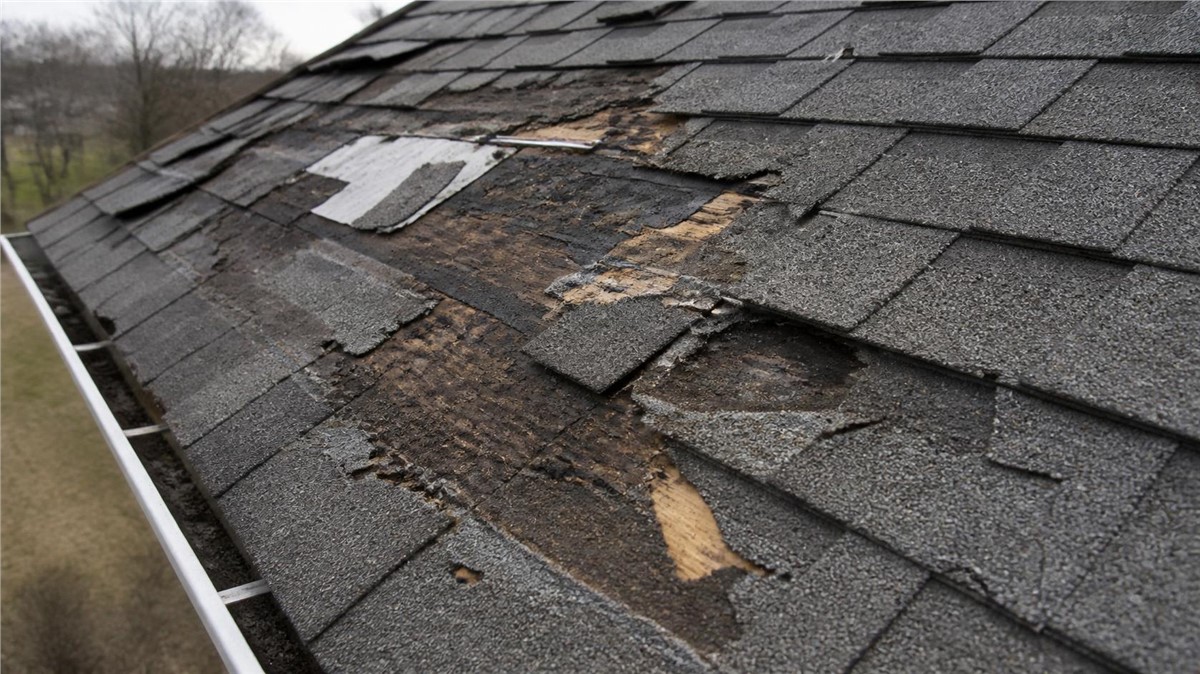
Shingles are the visible part of your roof, but they are not the only part protecting your home. Beneath the shingles is the roof deck, the structural surface that supports the roofing system.
Read More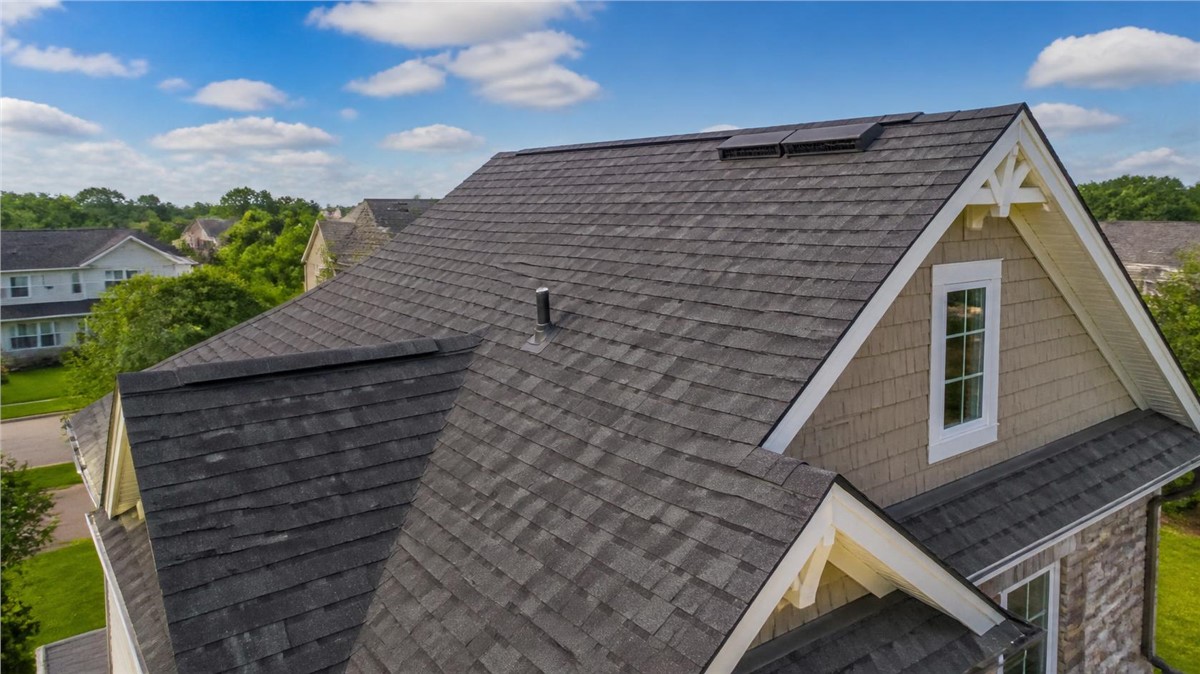
Your roof does more than protect your home from rain, snow, wind, and hail. It also needs the attic below it to breathe properly. When attic ventilation is poor, heat and moisture can become trapped inside the attic, creating problems that affect the roof from underneath.
Read More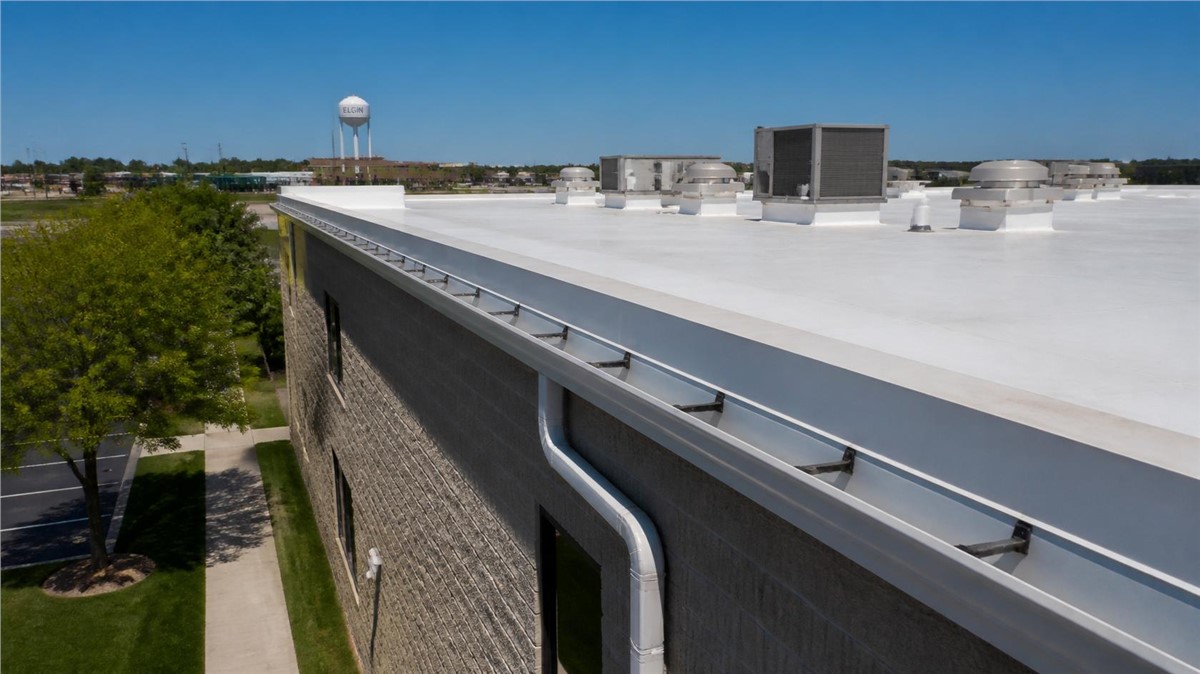
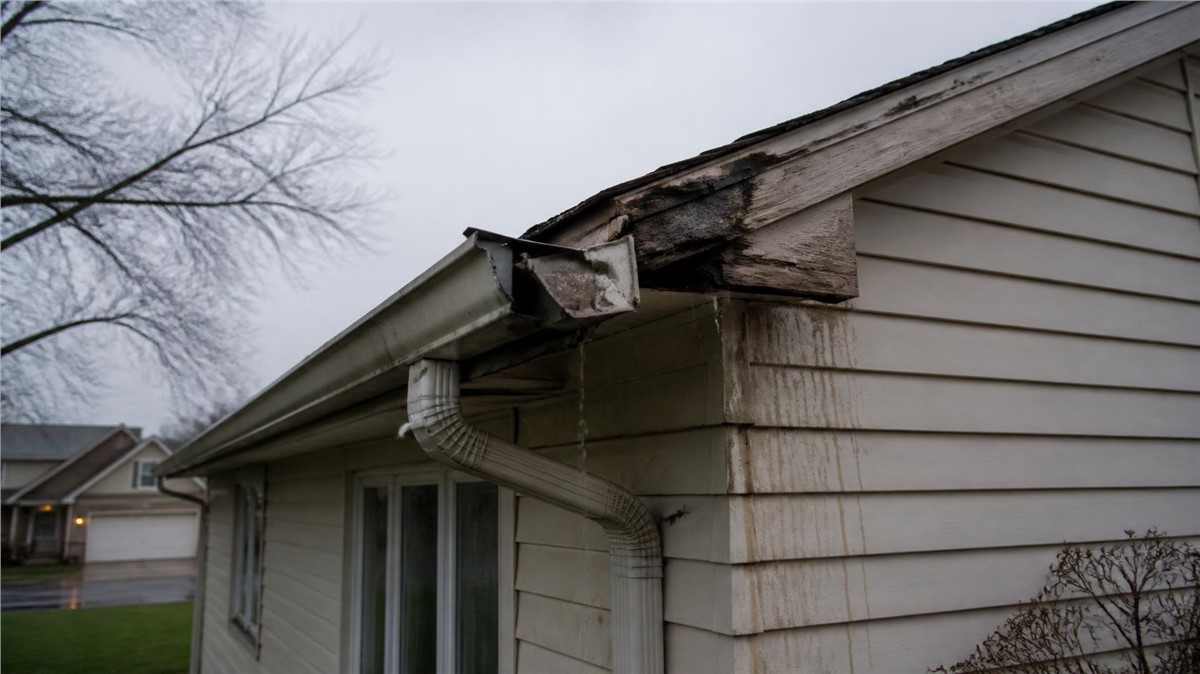
Commercial buildings handle large amounts of water during rainstorms and snowmelt. If that water does not drain properly, it can damage the roof, walls, foundation, walkways, parking areas, entrances, and interior spaces.
Read More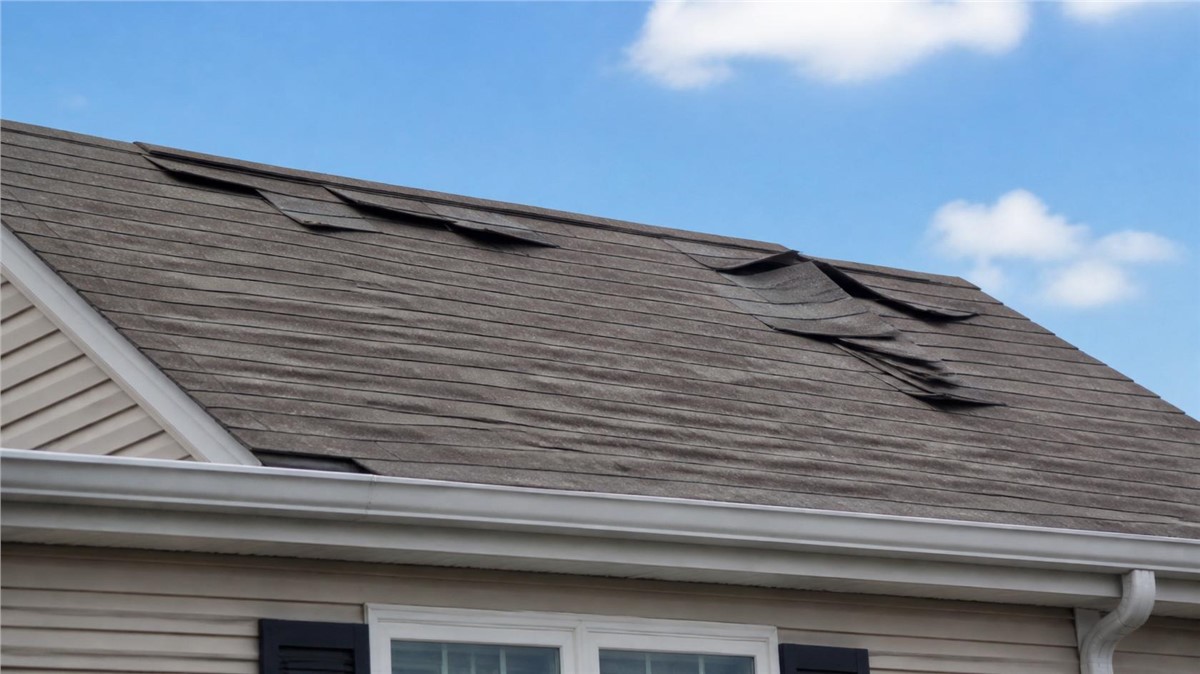
After a strong windstorm, your roof may look mostly normal from the ground. But shingles can lift during high winds, lose their seal, and settle back down without looking obviously damaged. This makes wind-lifted shingles easy to miss.
Read More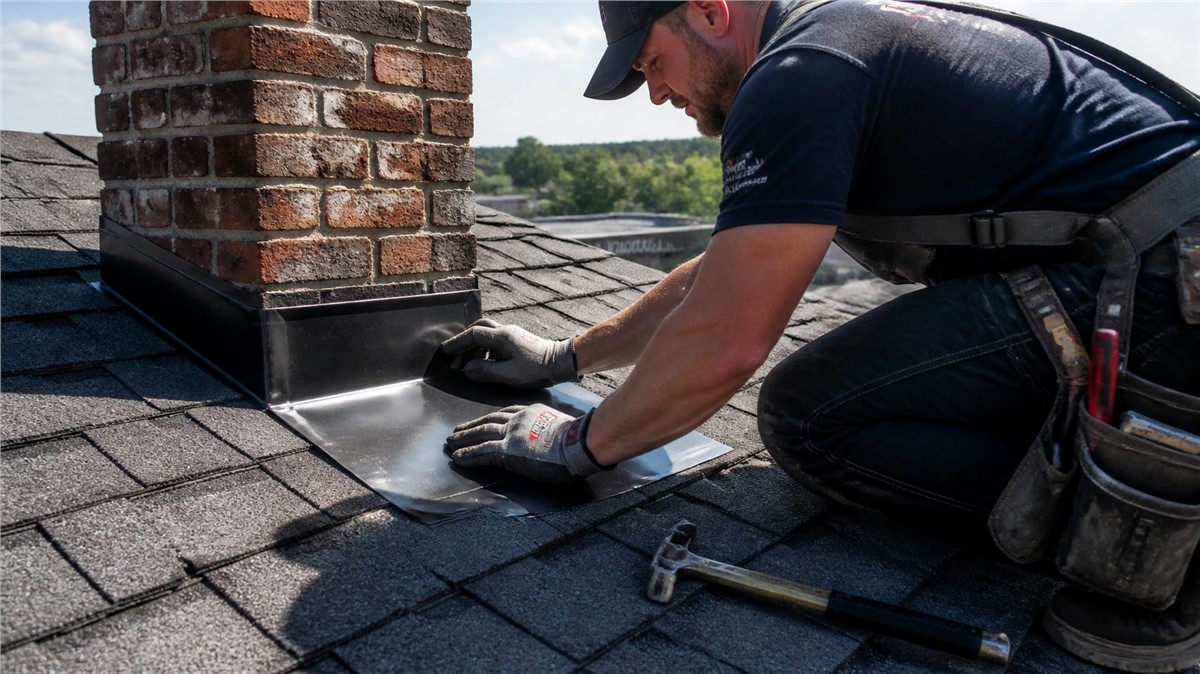
Roof flashing is one of the most important parts of a roofing system, but many homeowners do not notice it until there is a leak. Flashing helps direct water away from vulnerable roof areas where shingles meet walls, chimneys, vents, skylights, valleys, and roof edges.
Read More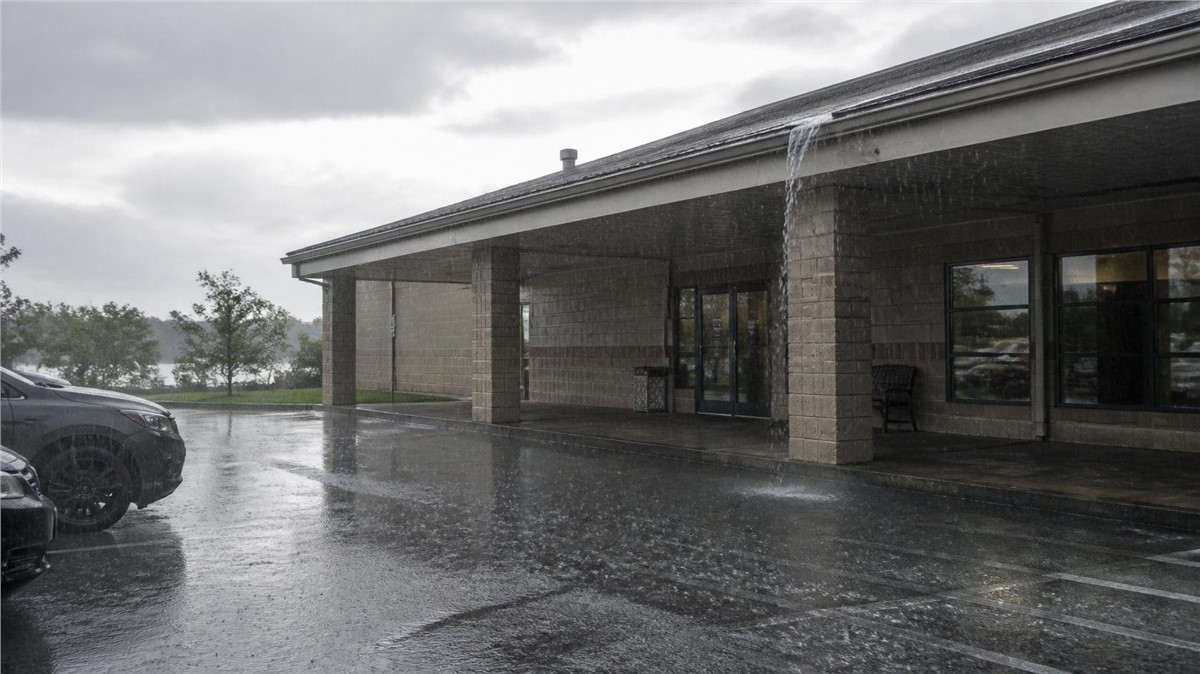
A roof leak at a business property can disrupt more than the building. It can affect employees, customers, tenants, merchandise, equipment, records, flooring, and daily operations. Even a small leak can create larger problems if water continues entering the building.
Read More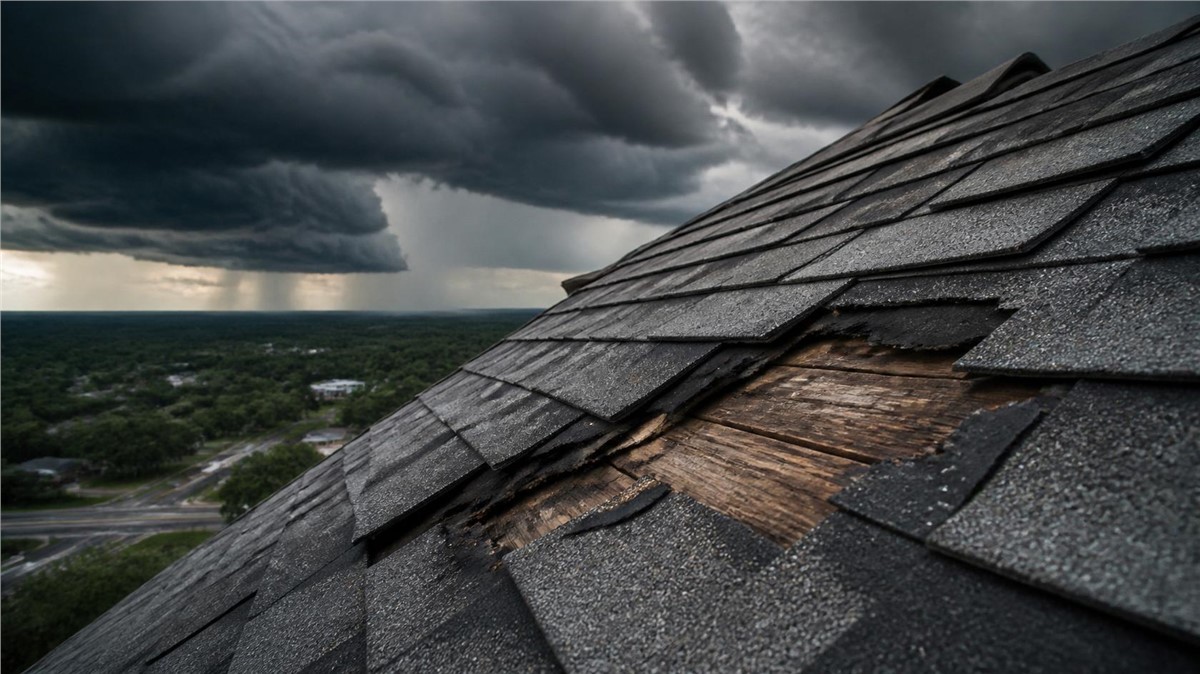
Missing shingles may seem like a small roofing issue, especially if only one or two are gone. But shingles are part of a larger roof system designed to shed water and protect the home. When shingles are missing, the layers underneath may be exposed to rain, snow, wind, sun, and ice.
Read More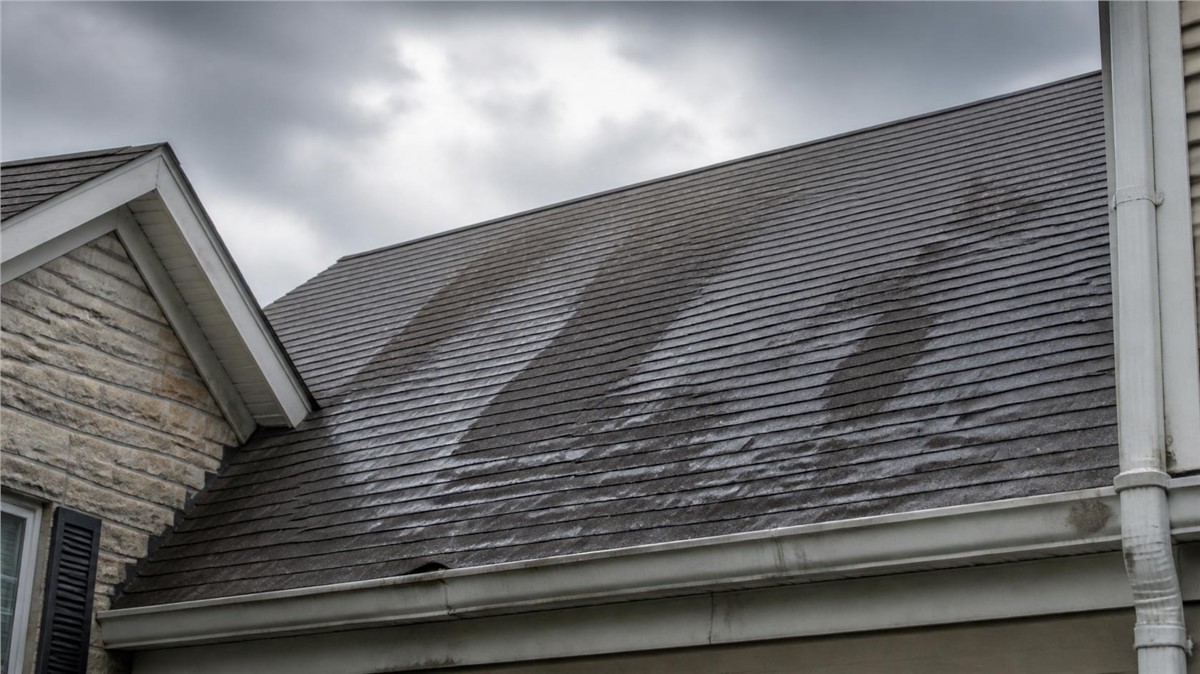
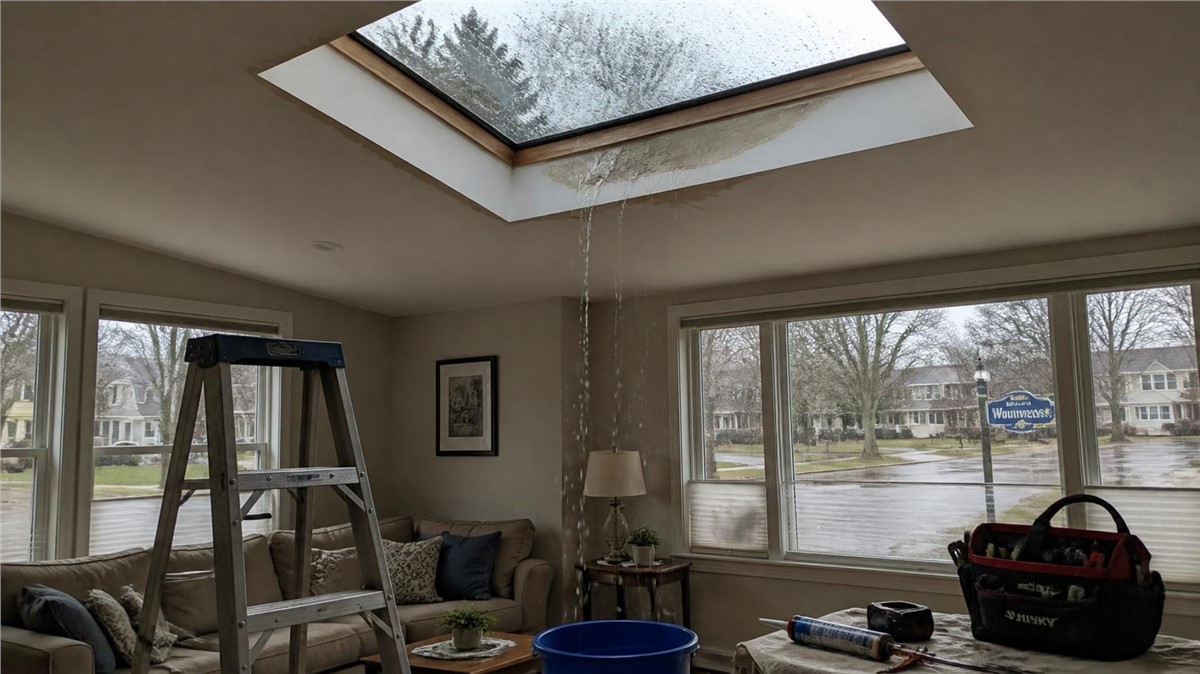
A roof leak does not always start with water dripping from the ceiling. Many leaks begin quietly behind walls, above ceilings, in attic spaces, or around roof details. By the time water becomes obvious indoors, the problem may have already affected insulation, decking, drywall, trim, or framing.
Read MoreSubscribe to Huskie Exteriors's Blog