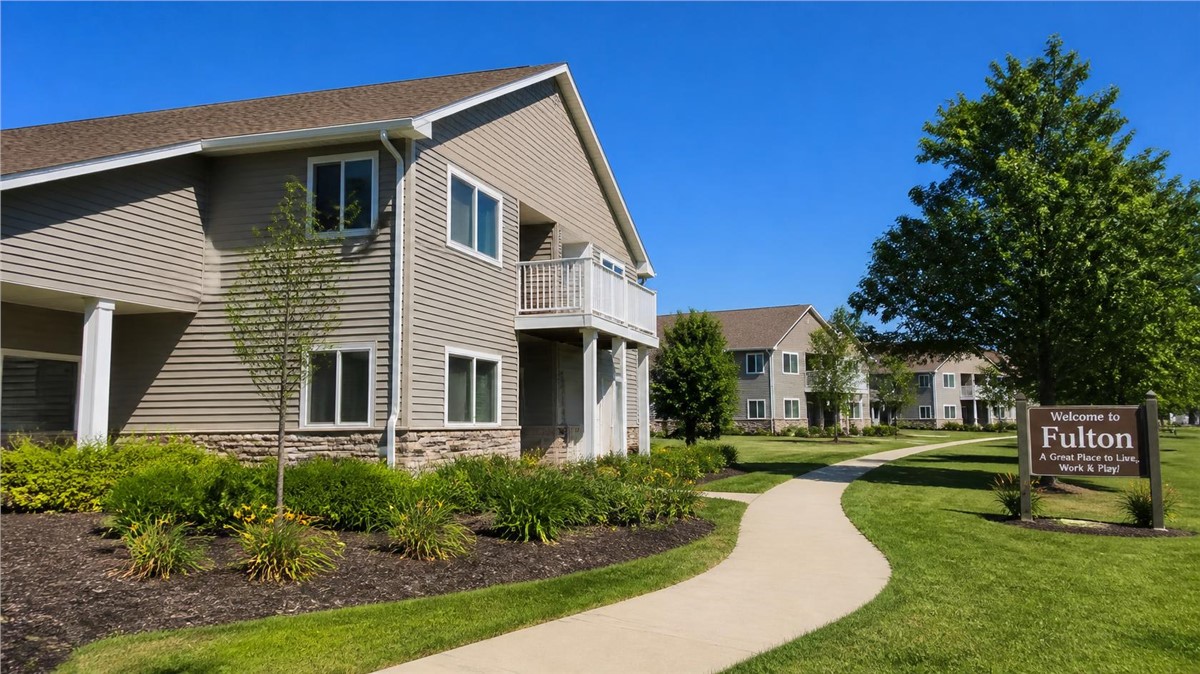
HOA communities and multi-family properties have different exterior repair needs than single-family homes. A roof leak may affect more than one unit. Gutter overflow may create safety concerns near shared walkways. Siding damage may affect the appearance and protection of an entire building. Storm damage may require documentation, resident communication, and repair planning across several structures.
For HOA boards, property managers, and multi-family property owners in Fulton, WI, exterior repairs should be handled with both building performance and resident impact in mind. Wisconsin weather can bring heavy rain, wind, hail, snow, ice, humidity, and freeze-thaw cycles, all of which can create stress on roofing, siding, gutters, windows, and exterior trim.
This guide explains what to know before planning HOA or multi-family exterior repairs.
Why HOA and Multi-Family Repairs Need a Different Approach
Exterior repairs for shared properties often involve more planning than a single-home repair. There may be residents, owners, board members, tenants, vendors, parking areas, shared entrances, and common areas to consider.
HOA and multi-family repairs may involve:
- Multiple units
- Shared rooflines
- Common gutters
- Connected siding sections
- Shared walkways
- Resident communication
- Board approvals
- Budget planning
- Insurance coordination
- Phased repair schedules
Because exterior systems are connected, repairs should be evaluated with the entire building in mind.
Common Exterior Problems in HOA and Multi-Family Buildings
Many exterior issues begin small but spread when they affect connected building areas.
Common problems include:
- Roof leaks
- Missing shingles
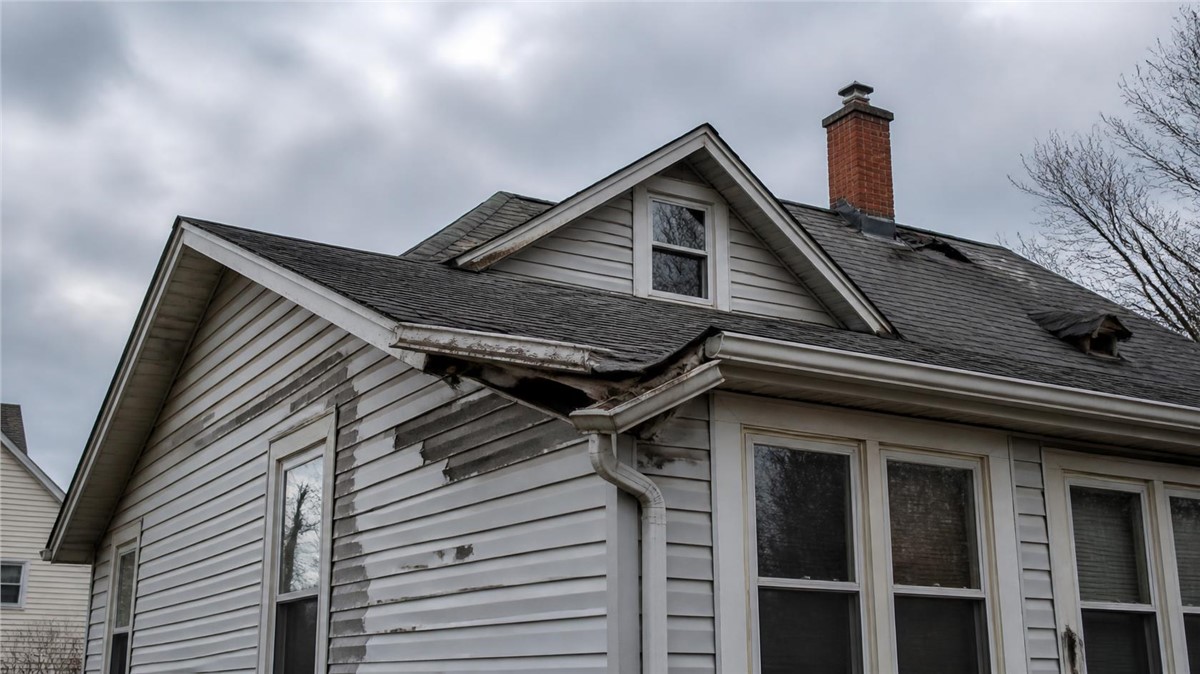
- Storm-damaged siding
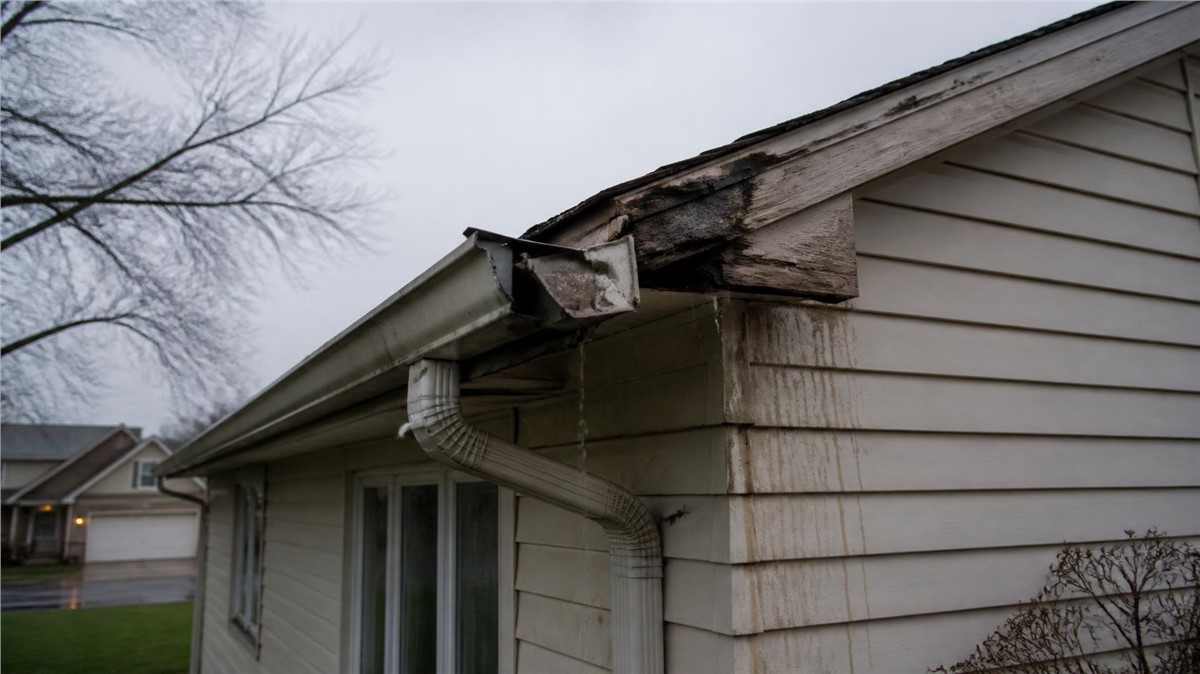
- Gutter overflow
- Blocked downspouts
- Fascia damage
- Soffit moisture
- Window leaks
- Loose trim
- Ice buildup
- Water pooling near entrances
- Interior moisture complaints
A full exterior inspection helps determine whether the problem is isolated or building-wide.
Roofing Issues to Watch For
Roofing problems can affect multiple units, especially in attached buildings, townhomes, duplexes, apartment buildings, and condo communities.
Warning signs include:
- Missing shingles
- Lifted shingles
- Granule loss
- Damaged flashing
- Roof leaks
- Ceiling stains
- Attic moisture
- Ice dams
- Damaged roof vents
- Repeated leaks near shared walls
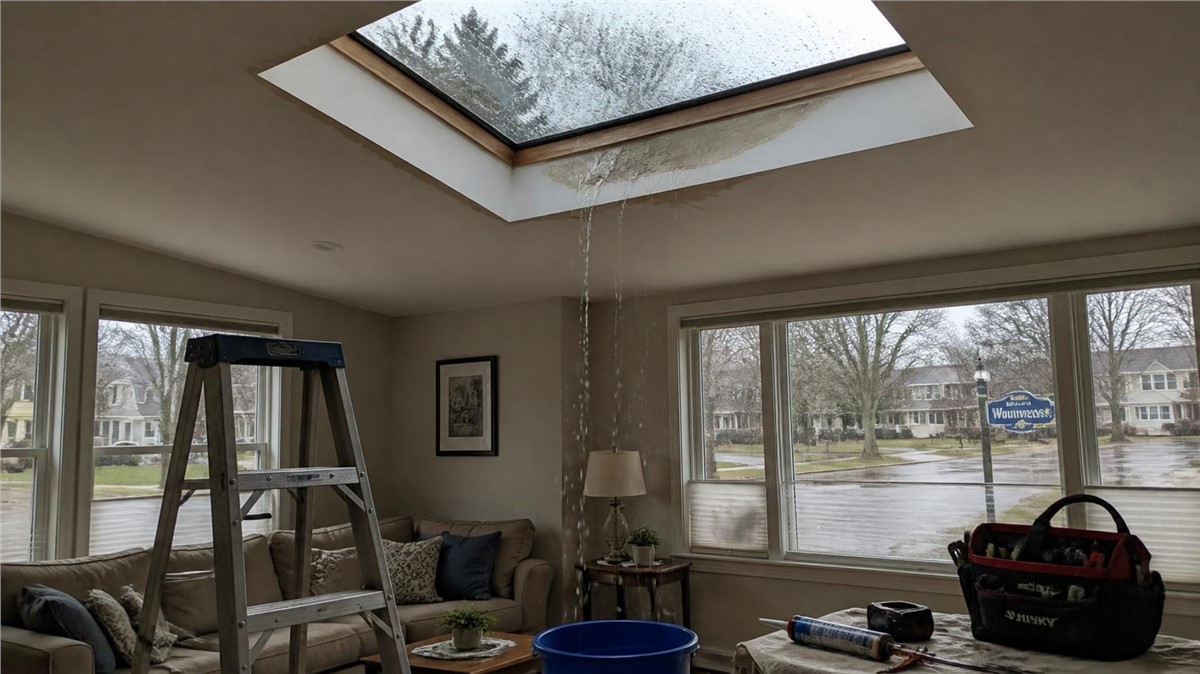
If several residents report leaks after the same storm, the roof should be inspected as a whole instead of treating each report separately.
Siding Damage Concerns
Siding helps protect the wall system and keeps the property looking consistent. Damage may be caused by hail, wind, aging materials, moisture, or impact.
Common siding concerns include:
- Cracked panels
- Loose siding
- Open seams
- Warped sections
- Broken corners
- Water stains
- Soft trim
- Mildew growth
- Damage on storm-facing walls
- Mismatched previous repairs
In HOA communities, siding repairs should also consider color match, product availability, and overall property appearance.
Gutter and Drainage Problems
Gutters and downspouts are especially important on multi-family buildings because large roof areas can send a lot of water toward shared walkways, entrances, foundations, and landscaping.
Gutter problems may include:
- Clogged gutters
- Blocked downspouts
- Sagging sections
- Leaking seams
- Poor pitch
- Water behind gutters
- Ice buildup
- Water pooling near sidewalks
- Drainage near lower-level units
Poor drainage can create both building damage and resident safety concerns.
Window and Door Leaks
Window and door issues can be difficult to diagnose because water may come from the window unit, trim, flashing, siding, roofline, or gutter overflow.
Warning signs include:
- Water near window sills
- Damp drywall
- Peeling paint
- Drafts
- Fogging between panes
- Failed caulking
- Loose trim
- Stains below windows
- Door threshold moisture
For multi-family buildings, repeated window leaks across several units may point to an exterior system problem rather than isolated window failure.
Fascia, Soffit, and Trim Damage
Fascia, soffit, and trim protect roof edges, overhangs, transitions, and openings. These areas are common trouble spots after storms or long-term water exposure.
Look for:
- Soft fascia
- Peeling paint
- Loose soffit panels
- Water stains under eaves
- Pest entry points
- Gaps near gutters
- Broken trim
- Sagging gutter attachments
Damage near the roof edge should be inspected along with gutters and roofing.
Storm Damage in Shared Properties
Wind and hail can affect several buildings or units at the same time. After a storm, it is important to check the full property instead of only the units that report visible damage.
Storm damage may include:
- Missing shingles
- Hail-bruised roofing
- Cracked siding
- Dented gutters
- Damaged downspouts
- Loose trim
- Torn screens
- Window damage
- Interior water stains
Documenting the full property condition helps boards and property managers make better repair decisions.
Prioritize Active Water Issues First
When multiple exterior repairs are needed, water issues should usually be prioritized. Active leaks and drainage problems can cause more damage if they are delayed.
High-priority repairs may include:
- Roof leaks
- Damaged flashing
- Open siding gaps
- Overflowing gutters
- Blocked downspouts
- Window leaks
- Wet insulation
- Water near electrical areas
- Moisture near shared entrances
Cosmetic repairs may still matter, but active water intrusion should be addressed quickly.
Document Damage Before Repairs
Documentation helps HOA boards, property managers, and owners stay organized.
Helpful documentation includes:
- Photos of exterior damage
- Interior leak photos
- Resident reports
- Dates of storms or water issues
- Maintenance records
- Inspection findings
- Repair estimates
- Temporary repair receipts
- Notes about recurring problem areas
If insurance may be involved, contact the insurance provider for policy-specific guidance.
Communicate Clearly with Residents
Exterior repairs can affect parking, entrances, noise levels, schedules, and access. Clear communication helps reduce confusion.
Resident updates may include:
- Repair dates
- Work areas
- Parking changes
- Entry access notes
- Noise expectations
- Safety reminders
- Contact person for questions
- Expected cleanup process
For HOA communities, communication should be simple, timely, and consistent.
Plan Around Access and Safety
Multi-family and HOA repairs often require careful site planning. Crews may need to work near sidewalks, balconies, parking lots, driveways, garages, or shared entrances.
Planning should include:
- Resident access
- Parking lot space
- Material staging
- Dumpster placement
- Safety barriers
- Walkway protection
- Delivery access
- Cleanup responsibilities
Good planning helps keep the property safer while work is being completed.
Repair vs Replacement
Not every exterior issue requires replacement. Some repairs can be targeted if the damage is limited and the surrounding materials are still performing.
Repair may make sense if:
- Damage is isolated
- Materials are still in good condition
- Matching materials are available
- No hidden moisture is present
- The issue is limited to one building section
- Repairs will provide lasting protection
Replacement may be better if:
- Damage is widespread
- Materials are aging
- Repairs no longer match
- Moisture problems keep returning
- Multiple units are affected
- Storm damage is building-wide
- The current system is no longer performing well
A professional inspection can help determine the right scope.
Matching Materials in HOA Communities
Matching existing materials can be a major concern in HOA and multi-family repairs. Older siding, shingles, trim, and gutters may have faded or may no longer be available.
Matching concerns include:
- Siding color differences
- Discontinued shingle styles
- Different textures
- Faded existing materials
- Patchy repair appearance
- HOA appearance standards
- Product availability
If matching is difficult, the board or property manager may need to consider a larger repair section or replacement plan.
Budget Planning for Exterior Repairs
Exterior repairs should be included in HOA and multi-family maintenance planning. Waiting until problems become emergencies can make repairs more stressful and expensive.
Budget items may include:
- Roof repairs
- Siding repairs
- Gutter maintenance
- Window replacement
- Fascia and soffit repairs
- Storm damage inspections
- Drainage improvements
- Preventive maintenance
- Long-term replacement planning
A clear inspection report can help prioritize what needs attention first.
Why Preventive Maintenance Helps
Preventive maintenance can help reduce emergency repairs and resident complaints.
Helpful maintenance steps include:
- Inspecting roofs after storms
- Cleaning gutters regularly
- Clearing downspouts
- Checking siding seams
- Reviewing window and door trim
- Inspecting fascia and soffit
- Watching for drainage problems
- Documenting recurring leaks
- Scheduling pre-winter inspections
Regular maintenance helps protect the property and extend the life of exterior systems.
What Should Be Included in an HOA or Multi-Family Exterior Inspection?
A complete inspection should review the full exterior system and common trouble areas.
A contractor may check:
- Roofing and shingles
- Roof valleys
- Flashing
- Gutters and downspouts
- Siding and trim
- Windows and doors
- Fascia and soffit
- Attic or interior moisture signs
- Foundation drainage
- Walkways and entrances
- Storm-facing walls
- Previous repair areas
This helps determine whether the issue is isolated, repeated, or part of a larger exterior concern.
Why a Full Exterior Inspection Helps
HOA and multi-family exterior repairs are often connected. A gutter issue may damage fascia and siding. A roof leak may appear in multiple units. A siding gap may lead to window moisture. A flashing problem may show up as an interior ceiling stain.
A full exterior inspection may include:
- Roofing and roof edges
- Siding and trim
- Gutters and drainage
- Windows and doors
- Flashing
- Fascia and soffit
- Interior moisture signs
- Storm damage areas
- Shared entrances and walkways
Huskie Exteriors provides roofing, siding, window, gutter, and storm damage restoration services, helping HOA boards, property managers, and multi-family property owners evaluate the full exterior system.
Why Local Exterior Experience Matters
A local contractor understands how Wisconsin weather affects HOA and multi-family properties. In Fulton, WI, buildings need exterior systems that can handle wind, hail, heavy rain, snow, ice, humidity, sun exposure, and freeze-thaw cycles.
Local experience helps property managers and boards determine whether exterior damage is caused by storms, aging materials, poor drainage, flashing failure, gutter problems, moisture intrusion, or normal wear.
Conclusion
HOA and multi-family exterior repairs in Fulton, WI require careful planning because roofing, siding, gutters, windows, fascia, soffit, flashing, and trim often affect multiple units and shared spaces. Boards and property managers should prioritize active water issues, document damage, communicate with residents, plan around access, and evaluate whether repair or replacement is the best long-term option.
If your HOA community or multi-family property has roof leaks, siding damage, gutter overflow, window leaks, storm damage, fascia concerns, drainage problems, or repeated exterior repair needs, Huskie Exteriors can inspect the property and recommend the right next step.
Contact Huskie Exteriors for professional roofing, siding, window, gutter, and storm damage services in Illinois and Wisconsin.
Subscribe to Huskie Exteriors's Blog





Comments