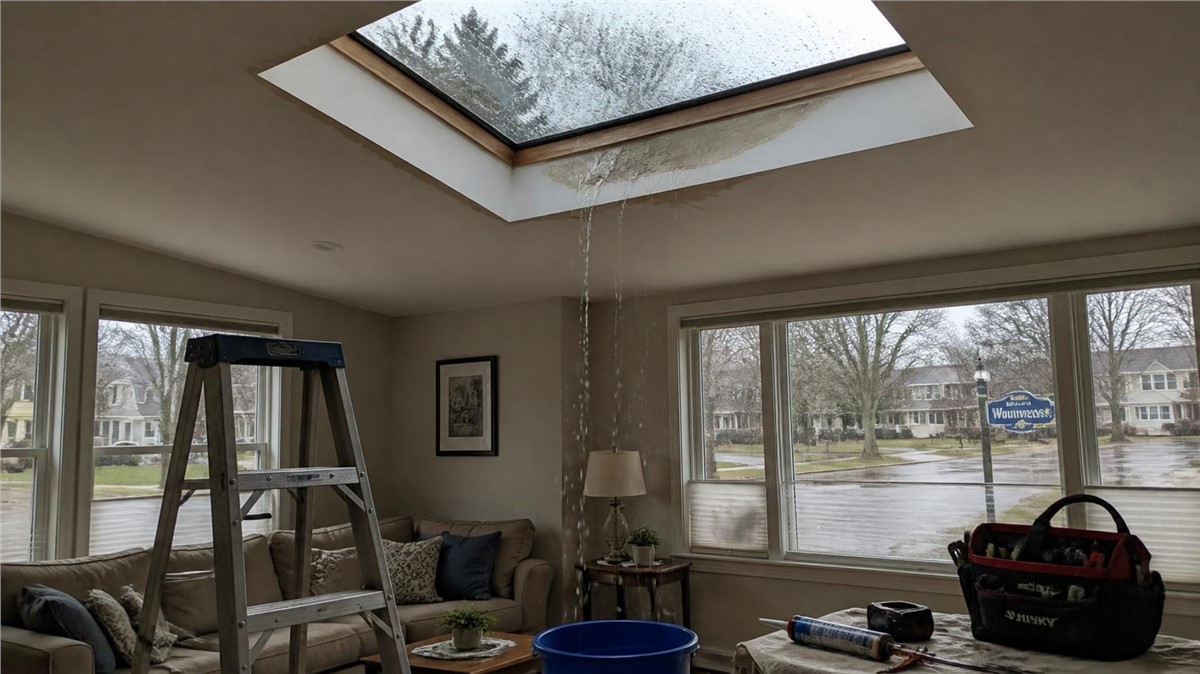
Skylights can bring natural light into kitchens, bathrooms, hallways, stairwells, living rooms, and finished attic spaces. When they work properly, they brighten the home and make rooms feel more open. But when a skylight leaks, it can quickly become a frustrating roof problem.
For homeowners in Wauwatosa, WI, skylight leaks should be checked carefully because Wisconsin weather can bring heavy rain, snow, ice, wind, hail, humidity, and freeze-thaw cycles. A small leak around a skylight may lead to stained ceilings, wet insulation, damaged drywall, soft roof decking, or recurring moisture problems.
This guide explains what causes skylight roof leaks, what to check, and when repair or replacement may be the better option.
Common Signs of a Skylight Leak
A skylight leak is not always obvious right away. Sometimes the first sign appears inside the home after rain or snowmelt.
Common warning signs include:
- Water stains around the skylight
- Damp drywall
- Bubbling paint
- Peeling ceiling texture
- Dripping during rain
- Condensation that does not go away
- Musty odors
- Wet insulation near the skylight
- Fogging between glass panes
- Stains below the roof opening
If water appears near electrical fixtures, avoid touching the area and call a professional.
Why Skylights Leak
Skylights create an opening in the roof, which means the surrounding materials must be installed and maintained correctly. A leak may come from the skylight unit, the roof around it, or the flashing system.
Common causes include:
- Damaged skylight flashing
- Cracked sealant
- Worn shingles nearby
- Cracked skylight glass
- Failed glass seal
- Poor installation
- Ice dam buildup
- Roof debris around the skylight
- Aging roofing materials
- Storm damage
Finding the exact source matters because sealing the visible gap may not solve the real problem.
Flashing Problems Around Skylights
Flashing is one of the most important parts of a skylight installation. It helps move water around the skylight and back onto the roof surface.
Flashing problems may include:
- Loose flashing
- Missing flashing pieces
- Rust or corrosion
- Bent metal
- Open gaps
- Cracked sealant
- Poor overlap with shingles
- Water stains below the skylight
If the skylight itself is still in good condition, flashing repair may be enough.
Shingle Damage Near the Skylight
Sometimes the skylight is not the problem. The leak may come from damaged roofing materials around it.
Check for:
- Missing shingles
- Lifted shingles
- Cracked shingles
- Granule loss
- Exposed nail heads
- Worn underlayment
- Debris trapped above the skylight
- Roof valley issues nearby
A roof inspection should include the skylight and the surrounding roof surface.
Condensation vs. Roof Leak
Not every moisture issue around a skylight is caused by a roof leak. In some cases, the problem may be condensation.
Condensation may happen when warm indoor air meets a cold glass surface, especially during winter. It may also be affected by indoor humidity, ventilation, and room use.
Signs of condensation may include:
- Moisture on the inside glass
- Drips during cold weather
- Humidity in bathrooms or kitchens
- Water that appears without rain
- Moisture that changes with indoor conditions
A contractor can help determine whether the issue is condensation, a skylight seal problem, or an actual roof leak.
Failed Glass Seals
If the skylight has double-pane glass and fogging appears between the panes, the glass seal may have failed. This is different from surface condensation.
Signs of failed glass seals include:
- Fog between panes
- Cloudy glass
- Moisture inside the glass unit
- Streaking that cannot be cleaned
- Reduced clarity
- Repeated moisture inside the unit
A failed glass seal often means the skylight unit or glass assembly may need replacement.
Ice Dams and Winter Leaks
Winter weather can make skylight leaks worse. Snow can collect above the skylight, melt, and refreeze. If water backs up under shingles or around flashing, leaks may appear during thawing.
Ice-related warning signs include:
- Leaks during snowmelt
- Ice buildup around the skylight
- Large icicles nearby
- Wet ceiling areas in winter
- Damp attic insulation
- Stains that appear after freezing weather
- Repeated winter-only leaks
Ice dam concerns may involve roofing, insulation, ventilation, gutters, and roof edge drainage.
Storm Damage Around Skylights
Wind and hail can damage skylights and the roof materials around them. A storm may crack glass, loosen flashing, damage shingles, or expose weak areas.
After severe weather, look for:
- Cracked skylight glass
- Dented flashing
- Missing shingles
- Lifted shingles
- Debris around the skylight
- New ceiling stains
- Leaks during the next rain
- Hail marks on nearby materials
A full exterior inspection is helpful after wind or hail because damage may not be limited to the skylight.
When Skylight Repair May Be Enough
Repair may make sense when the skylight unit is still in good condition and the leak source is limited.
Repair may be appropriate if:
- Flashing is loose or damaged
- Nearby shingles are damaged
- Sealant has failed in a small area
- The skylight glass is intact
- The frame is solid
- There is no repeated leak history
- Moisture damage is limited
- The roof is otherwise in good condition
The repair should address the actual water path, not just cover the visible stain.
When Skylight Replacement May Be Better
Replacement may be the better option when the skylight is old, damaged, inefficient, or leaking repeatedly.
Replacement may make sense if:
- The skylight is cracked
- The glass seal has failed
- Fogging appears between panes
- The frame is warped or damaged
- Leaks keep returning
- Flashing was poorly installed
- The skylight is outdated
- The roof is being replaced soon
If a roof replacement is already planned, it may be a good time to discuss skylight replacement too.
Repair or Replace During Roof Replacement?
If the roof is nearing the end of its life, skylight decisions should be made before roofing work begins. Replacing a skylight during a roof replacement can be more practical than trying to work around an old unit.
Homeowners should compare:
- Age of the skylight
- Roof age
- Leak history
- Glass condition
- Frame condition
- Energy performance
- Flashing compatibility
- Warranty options
A contractor can help determine whether keeping the existing skylight is worth the risk.
Interior Damage to Check
A skylight leak can affect more than the ceiling surface. Water may travel into insulation, framing, drywall, and nearby walls.
Check for:
- Stained drywall
- Soft ceiling material
- Damp insulation
- Musty odors
- Bubbling paint
- Dark wood in the attic
- Water trails
- Mold or mildew concerns
Interior damage should be inspected because the visible stain may not show the full extent of the problem.
What Homeowners Can Check Safely
Homeowners can do a basic check without climbing onto the roof.
From inside the home, look for:
- Stains around the skylight
- Drips during rain
- Fogging between panes
- Peeling paint
- Damp drywall
- Musty smells
From the ground outside, look for:
- Missing shingles
- Debris near the skylight
- Visible roof damage
- Ice buildup
- Loose roof materials
Avoid climbing onto the roof, especially in wet, icy, or windy conditions.
What a Professional Inspection Should Include
A skylight leak inspection should check the skylight, roof, flashing, and interior moisture signs.
A contractor may inspect:
- Skylight glass
- Skylight frame
- Flashing system
- Nearby shingles
- Underlayment concerns
- Roof slope and drainage
- Ice dam risk areas
- Attic moisture
- Interior ceiling stains
- Storm damage
This helps determine whether the issue needs repair, replacement, or a larger roof solution.
Why a Full Exterior Inspection Helps
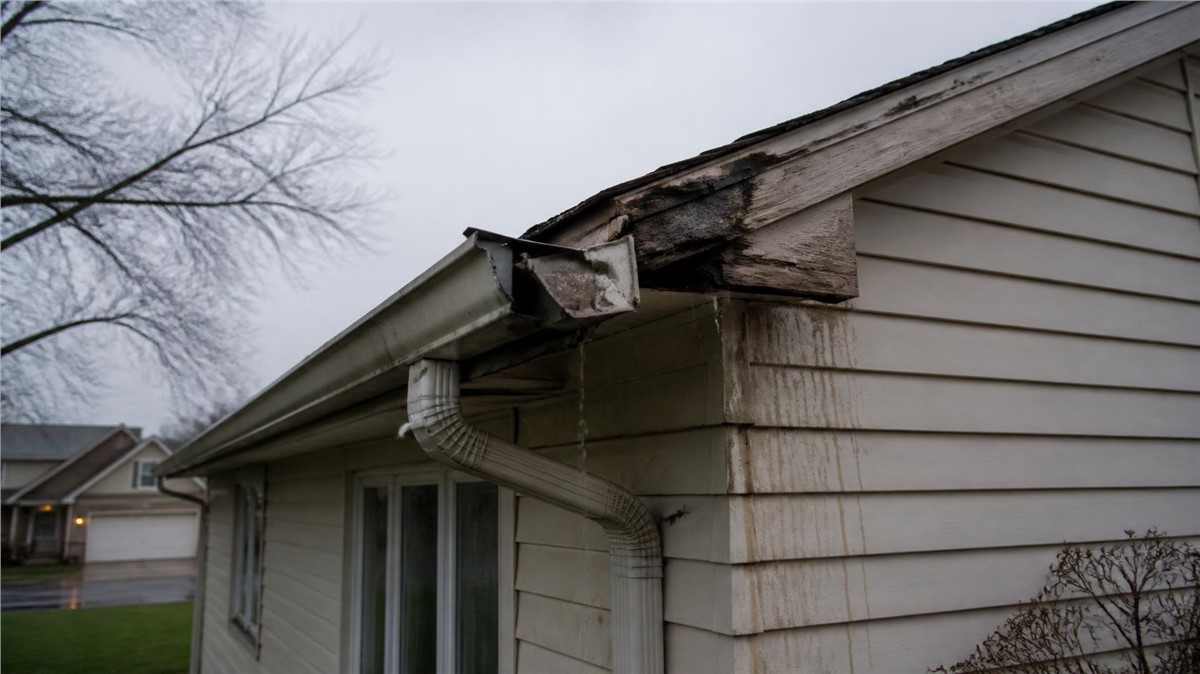
Skylight leaks may be connected to roofing, gutters, flashing, attic ventilation, insulation, siding, and drainage. Looking only at the skylight may miss a roof valley, gutter, ice dam, or shingle problem nearby.
A full exterior inspection may include:
- Roofing and shingles
- Skylights and flashing
- Gutters and downspouts
- Fascia and soffit
- Attic moisture signs
- Interior leak areas
- Storm damage areas
- Roof drainage patterns
Huskie Exteriors provides roofing, siding, window, gutter, and storm damage restoration services, helping homeowners evaluate the full exterior system.
Why Local Exterior Experience Matters
A local contractor understands how Wisconsin weather affects skylights and roofing systems. In Wauwatosa, WI, homes need roof details that can handle heavy rain, snow, ice, wind, hail, humidity, and freeze-thaw cycles.
Local experience helps homeowners determine whether a skylight leak is caused by flashing failure, roof wear, condensation, storm damage, ice dams, poor drainage, or an aging skylight unit.
Conclusion
Skylight roof leaks in Wauwatosa, WI should be checked carefully because the source may be flashing, shingles, glass seals, storm damage, condensation, ice dams, or roof age. Some leaks can be repaired, but replacement may be better when the skylight is old, cracked, fogged, poorly installed, or leaking repeatedly.
If your home has skylight leaks, ceiling stains, damaged flashing, cracked glass, fogged panes, roof damage, or storm-related moisture concerns, Huskie Exteriors can inspect your exterior and recommend the right next step.
Contact Huskie Exteriors for professional roofing, siding, window, gutter, and storm damage services in Illinois and Wisconsin.
Subscribe to Huskie Exteriors's Blog





Comments