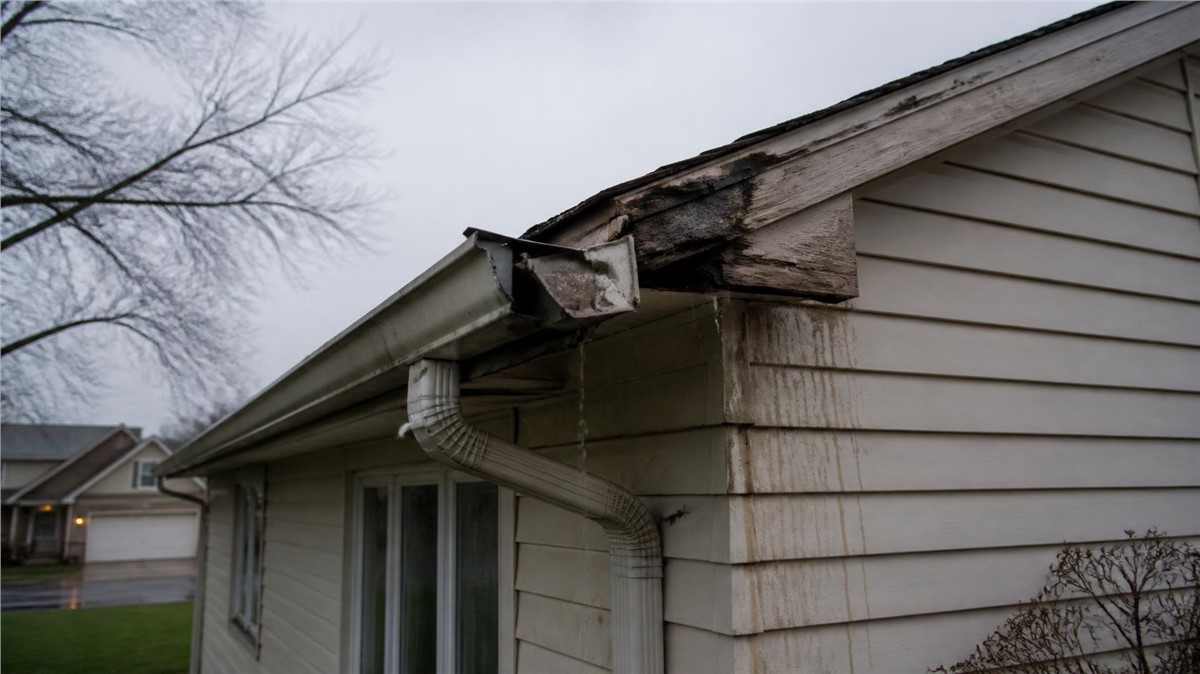
Gutters may look simple, but proper installation requires careful planning. A gutter system needs the right size, slope, hanger spacing, downspout placement, roof edge detail, and drainage path. If one detail is missed, water may overflow, run behind the gutter, pool near the foundation, or damage nearby exterior materials.
For homeowners in Menomonee Falls, WI, gutter performance matters throughout the year. Heavy rain, snow, ice, wind, falling leaves, and freeze-thaw cycles can all test the gutter system. When gutters are installed poorly, small water problems can turn into roof leaks, siding damage, fascia rot, or basement moisture.
This guide explains common gutter installation mistakes and what homeowners should avoid.
Why Proper Gutter Installation Matters
Gutters help move water away from the roof, siding, windows, fascia, soffit, landscaping, and foundation. When gutters are installed correctly, they protect several parts of the home at once.
Poor installation can cause:
- Water overflowing during rain
- Water running behind gutters
- Roof edge moisture
- Soft fascia
- Soffit stains
- Siding discoloration
- Foundation pooling
- Basement dampness
- Ice buildup in winter
- Gutter sagging or pulling away
A good gutter system should control water from the roofline all the way to the ground.
Mistake 1: Choosing the Wrong Gutter Size
Not every home needs the same gutter size. Roof size, roof pitch, roof valleys, and rainfall volume all affect how much water the gutter system must handle.
Undersized gutters may lead to:
- Overflow during heavy rain
- Water spilling near entrances
- Fascia damage
- Siding stains
- Foundation pooling
- Repeated gutter strain
Larger roof areas or steep roof sections may require a stronger gutter setup with properly placed downspouts.
Mistake 2: Poor Gutter Pitch
Gutters need a slight slope so water flows toward the downspouts. If the pitch is too flat, water may sit in the gutter. If the pitch is too steep, the gutter may look uneven and perform poorly.
Poor pitch can cause:
- Standing water
- Debris buildup
- Overflow in certain spots
- Ice formation in winter
- Sagging sections
- Leaking seams
- Mosquito concerns during warm months
Correct pitch helps water move smoothly without collecting in the gutter run.
Mistake 3: Too Few Downspouts
Downspouts carry water from the gutter to the ground. If there are not enough downspouts, the gutter may fill faster than it can drain.
Too few downspouts may cause:
- Overflow during storms
- Water backing up near roof edges
- Heavy stress on gutter sections
- Sagging gutters
- Ice buildup
- Water pooling near the foundation
A proper gutter plan should include enough downspouts for the roof area and water volume.
Mistake 4: Poor Downspout Placement
Downspouts should be placed where they can move water away safely. If they drain near the foundation, walkways, basement windows, or low spots, water problems may continue even if the gutters are new.
Poor placement may lead to:
- Foundation pooling
- Basement moisture
- Soil erosion
- Ice patches on sidewalks
- Water near entry doors
- Landscape washout
- Moisture near basement windows
Downspouts should direct water away from the home, not just away from the gutter.
Mistake 5: Short Downspout Extensions
A downspout that ends too close to the house can create drainage problems. Water may collect around the foundation instead of moving away.
Short extensions may cause:
- Standing water near the home
- Damp basement walls
- Soil erosion
- Foundation staining
- Ice near walkways
- Repeated moisture after rain
Extensions should be placed so water drains away from the structure safely.
Mistake 6: Weak or Improper Hanger Spacing
Gutter hangers hold the system in place. If hangers are spaced too far apart or installed poorly, gutters may sag, pull away, or fail under the weight of water, debris, snow, or ice.
Poor hanger installation may lead to:
- Sagging gutters
- Loose gutter sections
- Water running behind gutters
- Poor pitch
- Fascia damage
- Gutter separation
- Leaking seams
Strong fastening is especially important in Wisconsin because snow and ice can add extra weight.
Mistake 7: Ignoring Fascia Condition
Gutters are often attached to fascia. If the fascia is soft, rotted, or damaged, new gutters may not hold properly.
Fascia problems may show up as:
- Peeling paint
- Soft wood
- Dark stains
- Loose fasteners
- Gaps behind gutters
- Sagging sections
- Water stains under the eaves
Before installing new gutters, the fascia should be inspected and repaired if needed.
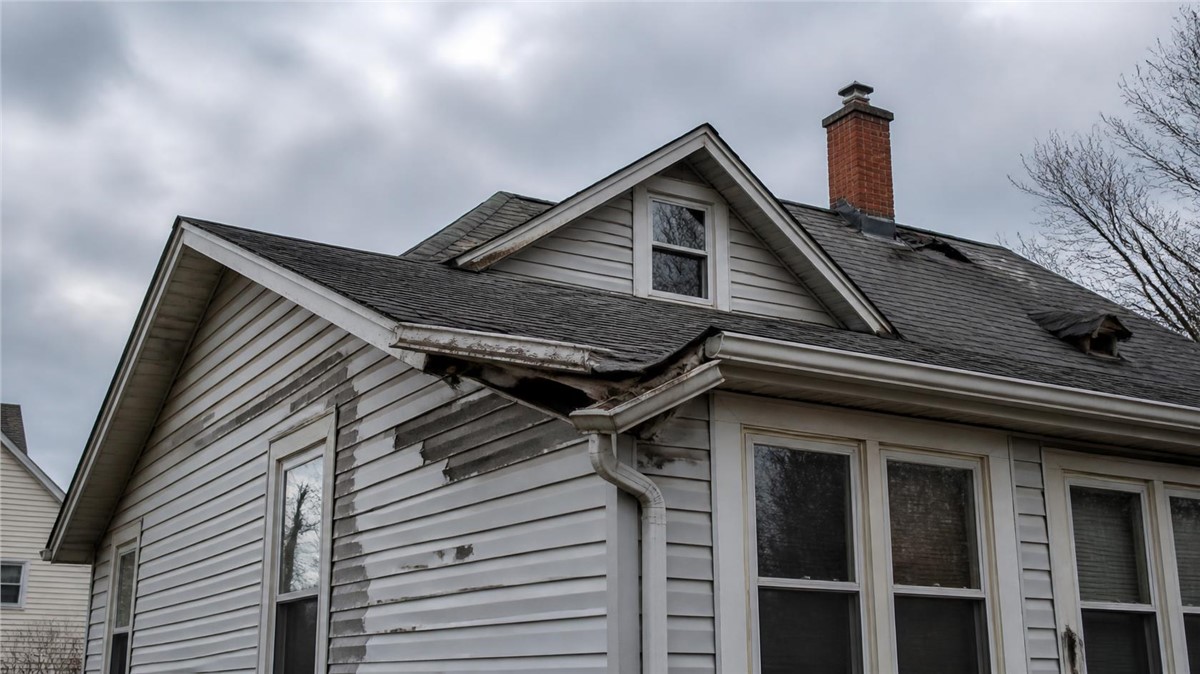
Mistake 8: Poor Drip Edge Coordination
Drip edge helps guide water from the roof into the gutter. If the gutter and drip edge do not work together properly, water may run behind the gutter instead of into it.
This can cause:
- Fascia moisture
- Soffit stains
- Roof edge damage
- Water behind gutters
- Siding stains
- Ice buildup near the eaves
Roof edge details should be checked during gutter installation, especially on older homes.
Mistake 9: Bad Sealing at Seams and Corners
Gutter seams, corners, end caps, and outlets need proper sealing. If these areas are not sealed correctly, leaks may appear soon after installation.
Leaking gutter joints may cause:
- Drips near doors
- Siding stains
- Fascia moisture
- Foundation pooling
- Ice patches in winter
- Soil erosion below the leak
Seams and corners should be installed carefully so water stays inside the gutter system.
Mistake 10: Incorrect Gutter Placement
Gutters should be positioned to catch water as it leaves the roof. If they are too high, too low, too far forward, or too far back, water may miss the gutter or run behind it.
Incorrect placement may lead to:
- Water overshooting the gutter
- Water running behind the gutter
- Splashing near the roof edge
- Fascia damage
- Overflow during heavy rain
- Ice buildup
Placement should be based on the roof edge, pitch, and water flow pattern.
Mistake 11: Not Planning for Roof Valleys
Roof valleys collect a large amount of water. If the gutter system below a valley is not planned correctly, water may overflow at that spot during heavy rain.
Valley-related issues include:
- Water overshooting the gutter
- Overflow in one concentrated area
- Soil erosion below the valley
- Siding stains
- Gutter strain
- Splashback near walkways
Homes with multiple valleys may need extra attention during gutter planning.
Mistake 12: Ignoring Ice and Snow Loads
Menomonee Falls homes need gutters that can handle winter weather. Snow and ice can add weight, block drainage, and stress hangers.
Winter-related gutter problems include:
- Frozen gutters
- Large icicles
- Sagging sections
- Loose hangers
- Ice dams
- Water backing up near roof edges
- Leaks during thawing
A strong installation should account for seasonal weather, not just summer rain.
Mistake 13: Using Materials That Do Not Fit the Home
Gutter materials and styles should fit the home’s needs, roof design, exterior style, and maintenance expectations.
Homeowners may compare:
- Aluminum gutters
- Seamless gutter options
- Gutter size
- Downspout size
- Color match
- Gutter guards
- Fascia condition
- Long-term maintenance
The lowest-cost option may not always provide the best long-term performance.
Mistake 14: Poor Gutter Guard Planning
Gutter guards can help reduce debris buildup, but they are not a solution for every issue. If installed poorly or used with the wrong gutter setup, they may still allow overflow or clogging.
Gutter guard concerns may include:
- Debris collecting on top
- Water overshooting during heavy rain
- Poor fit at roof edges
- Difficulty cleaning
- Ice buildup
- Compatibility issues
Gutter guards should be evaluated as part of the full drainage system.
Mistake 15: Not Checking the Full Exterior System
Gutters are connected to the roof, fascia, soffit, siding, windows, foundation, and drainage. Installing gutters without checking nearby materials can miss problems that affect performance.
A contractor should check:
- Roof edges
- Drip edge
- Fascia
- Soffit
- Siding stains
- Downspout discharge areas
- Foundation grading
- Existing water damage
- Roof valleys
A new gutter system works best when the surrounding exterior is in good condition.
Signs Your Gutters Were Installed Poorly
Homeowners may notice problems soon after installation or during the first major storm.
Warning signs include:
- Water overflowing
- Water running behind gutters
- Gutters sagging
- Downspouts draining too close to the home
- Standing water in gutters
- Leaking corners
- Stains on siding
- Ice forming quickly
- Fascia getting wet
- Water pooling near the foundation
These issues should be checked before they cause larger damage.
Repair vs Replacement
Some gutter installation problems can be corrected with repairs. Others may require replacement or reinstallation.
Repair may make sense if:
- One seam is leaking
- A few hangers need adjustment
- Downspout extensions are too short
- Gutter pitch can be corrected
- Fascia damage is limited
- The gutter material is still in good condition
Replacement may be better if:
- Gutters are undersized
- Sections sag in multiple areas
- Seams leak repeatedly
- The system was installed poorly throughout
- Downspouts are not placed correctly
- Fascia damage is widespread
- Water problems keep returning
A professional inspection can help determine whether the issue is minor or system-wide.
What Should Be Included in a Gutter Installation Estimate?
A gutter estimate should explain more than the total price. Homeowners should understand what materials, preparation, and installation details are included.
Ask about:
- Gutter size
- Downspout size and quantity
- Downspout placement
- Hanger spacing
- Seamless options
- Fascia inspection
- Drip edge coordination
- Gutter guard options
- Old gutter removal
- Cleanup
- Warranty details
A clear estimate helps homeowners compare quality, not only cost.
Why a Full Exterior Inspection Helps
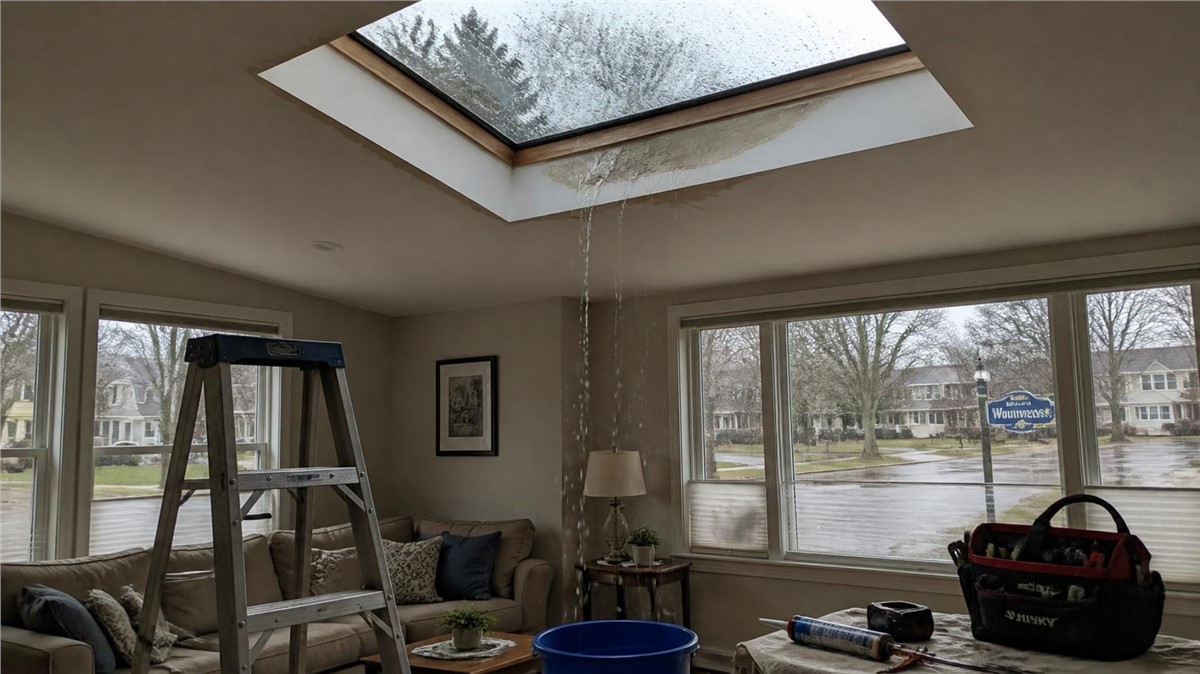
Gutter problems can affect roofing, siding, fascia, soffit, windows, foundation areas, and interior spaces. Looking only at the gutter may miss the reason water is not draining properly.
A full exterior inspection may include:
- Gutters and downspouts
- Roofing and roof edges
- Drip edge
- Fascia and soffit
- Siding and trim
- Windows and doors
- Foundation drainage
- Interior moisture signs
- Storm damage areas
Huskie Exteriors provides roofing, siding, window, gutter, and storm damage restoration services, helping homeowners evaluate the full exterior system before gutter installation or repair.
Why Local Exterior Experience Matters
A local contractor understands how Wisconsin weather affects gutter systems. In Menomonee Falls, WI, homes need gutters that can handle heavy rain, wind, falling leaves, snow, ice, humidity, and freeze-thaw cycles.
Local experience helps homeowners avoid common installation mistakes related to pitch, drainage, hanger spacing, downspout placement, roof valleys, fascia condition, and winter performance.
Conclusion
Gutter installation mistakes in Menomonee Falls, WI can lead to overflow, roof edge damage, fascia problems, siding stains, ice buildup, foundation pooling, basement moisture, and repeated repairs. Homeowners should avoid poor pitch, undersized gutters, too few downspouts, weak hangers, bad placement, short extensions, and installation that ignores the full exterior system.
If your home has overflowing gutters, sagging sections, leaking seams, water behind gutters, fascia damage, siding stains, or drainage concerns, Huskie Exteriors can inspect your exterior and recommend the right next step.
Contact Huskie Exteriors for professional roofing, siding, window, gutter, and storm damage services in Illinois and Wisconsin.
Subscribe to Huskie Exteriors's Blog






Comments