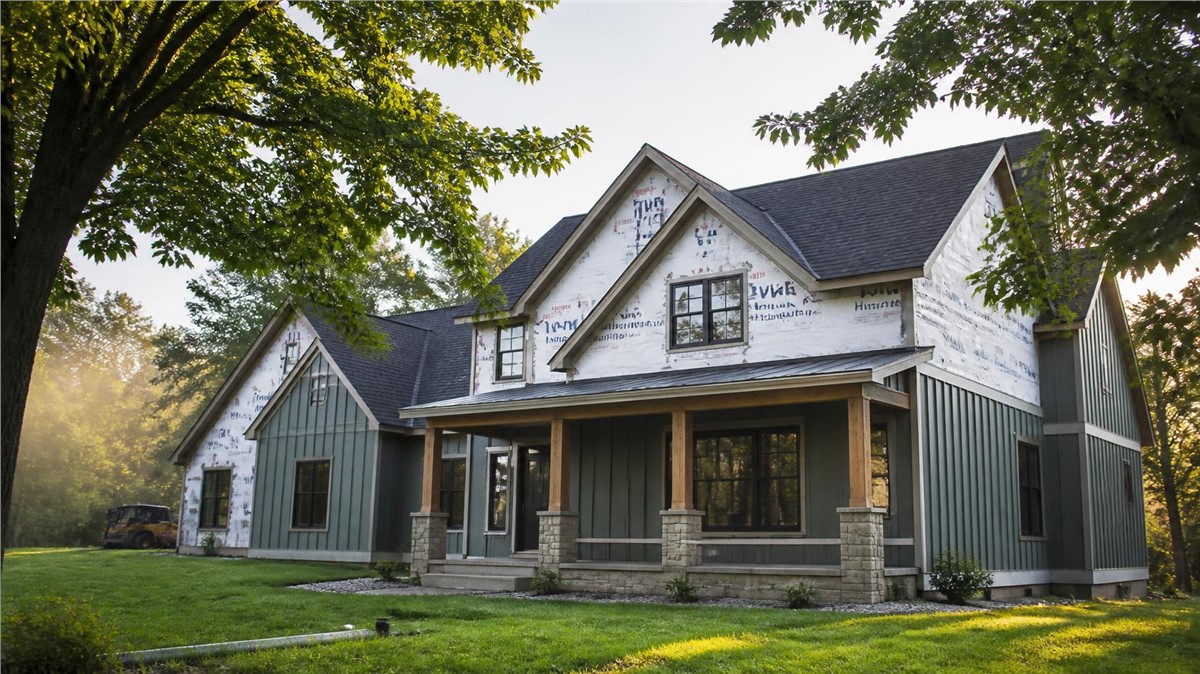
Siding gives a home its finished look, but what is behind the siding matters just as much. House wrap, flashing, trim, and proper installation details help protect the wall system from moisture, air movement, and weather exposure.
For homeowners in North Prairie, WI, this matters because Wisconsin homes face heavy rain, wind, snow, ice, humidity, sun exposure, and freeze-thaw cycles. If siding is installed without careful attention to the layers underneath, water can get behind the exterior and cause problems that may not show up right away.
This guide explains why house wrap and siding installation details matter and what homeowners should compare when planning siding repair or replacement.
What Is House Wrap?
House wrap is a protective layer installed behind siding and over the exterior wall sheathing. Its job is to help resist water that gets behind the siding while still allowing the wall system to manage moisture properly.
House wrap helps protect against:
- Wind-driven rain
- Moisture intrusion
- Air movement
- Drafts
- Water reaching wall sheathing
- Hidden exterior damage
- Long-term siding performance issues
House wrap is not meant to replace siding, flashing, or proper sealing. It works as part of the full exterior system.
Why Siding Alone Is Not Enough
Siding is designed to shed water, but it is not always completely waterproof. Wind-driven rain, snowmelt, and moisture can get behind siding through seams, corners, trim joints, and openings around windows and doors.
That is why the layers behind siding matter.
A strong siding system includes:
- Proper house wrap
- Correct flashing
- Sealed seams
- Reliable trim details
- Proper fastener placement
- Good drainage paths
- Window and door protection
- Careful installation around rooflines
When these details are missed, siding may look fine from the outside while moisture problems develop behind it.
Why Installation Details Matter in Wisconsin
North Prairie homes deal with changing weather throughout the year. Materials expand and contract. Snow and ice melt and refreeze. Wind can push rain into small openings. Humidity can affect how moisture dries.
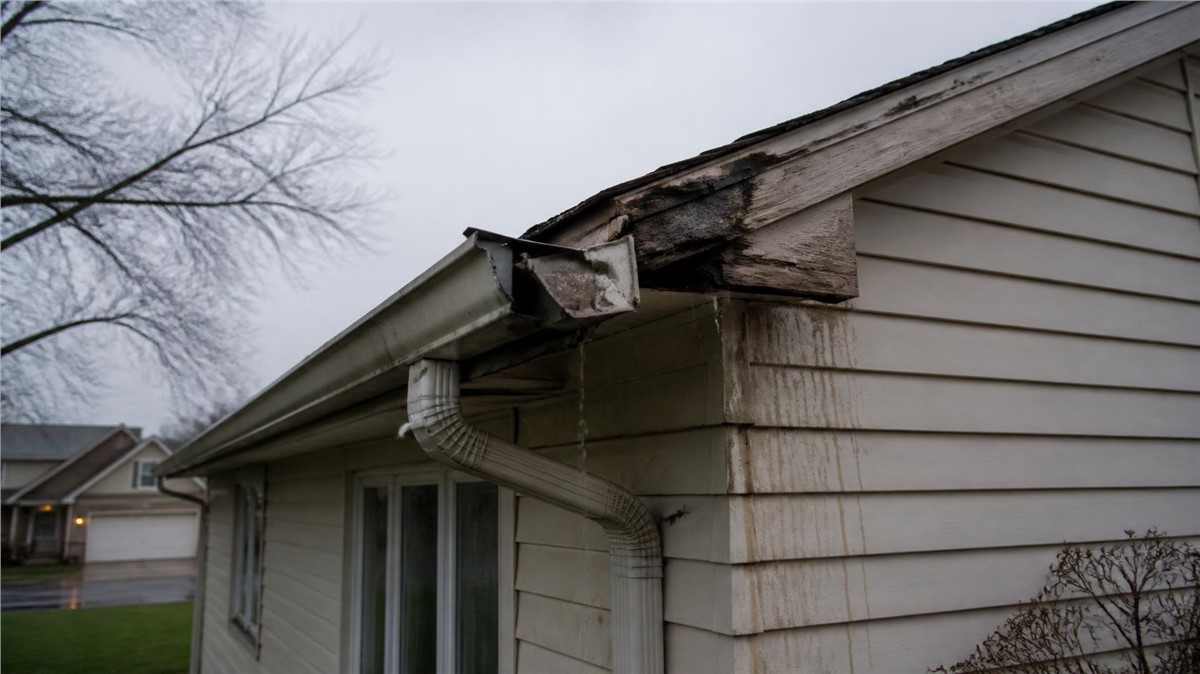
Poor siding installation may lead to:
- Water behind siding
- Soft sheathing
- Interior wall stains
- Peeling paint
- Mold or mildew concerns
- Drafts
- Loose siding
- Warped panels
- Repeated repairs
Good installation helps the exterior handle seasonal weather changes more effectively.
Detail 1: House Wrap Overlap
House wrap should be installed so water sheds downward, similar to shingles on a roof. If seams are not overlapped correctly, water may find a path behind the wrap.
Poor overlap may cause:
- Water reaching sheathing
- Moisture trapped behind siding
- Wall stains
- Soft spots
- Reduced exterior protection
Correct overlap helps guide water away from vulnerable areas.
Detail 2: Taped Seams
Seams in house wrap should be sealed properly. Open seams can allow wind and moisture to reach the wall system.
Contractors should pay attention to:
- Horizontal seams
- Vertical seams
- Corners
- Window openings
- Door openings
- Utility penetrations
- Transition areas
Taped seams help the house wrap perform as a connected protective layer instead of separate loose sheets.
Detail 3: Window Openings
Windows are one of the most important areas for siding and house wrap installation. If water gets behind siding, it often finds its way toward window openings.
Proper window details may include:
- Correct flashing
- Proper house wrap cuts
- Sealed corners
- Drainage paths
- Trim integration
- Sill protection
- Careful caulking where appropriate
Poor window detailing can lead to stains, drafts, damp drywall, peeling paint, or soft trim.
Detail 4: Door Openings
Doors also need careful protection. Entry doors, patio doors, garage service doors, and side doors all create openings in the wall system.
Door areas should be checked for:
- Flashing around the frame
- Proper threshold protection
- Sealed trim joints
- House wrap integration
- Water stains
- Drafts
- Soft trim near the bottom
- Siding gaps beside the door
Because doors are used often, small installation problems can become noticeable over time.
Detail 5: Flashing
Flashing helps direct water away from openings, transitions, and vulnerable exterior areas. It is especially important around windows, doors, rooflines, and trim.
Flashing problems may include:
- Missing flashing
- Poorly placed flashing
- Open gaps
- Failed sealant
- Incorrect overlap
- Water stains below trim
- Leaks around windows or doors
Flashing should work with the house wrap and siding, not separately from them.
Detail 6: Corners
Corners are common problem areas because siding panels, trim pieces, and house wrap layers meet there. If corners are not wrapped, sealed, or finished correctly, wind-driven rain can enter.
Corner issues may include:
- Open vertical gaps
- Loose corner posts
- Cracked trim
- Siding pulling away
- Water stains
- Pest entry points
- Moisture behind siding
Corners should be inspected closely during siding repair or replacement.
Detail 7: Fastener Placement
Siding needs to be fastened correctly. If fasteners are too tight, too loose, misplaced, or overdriven, siding may not move properly with temperature changes.
Fastener problems may lead to:
- Warped siding
- Buckled panels
- Loose sections
- Rattling in wind
- Cracked material
- Poor alignment
- Water entry points
Proper fastening helps siding stay secure while allowing normal expansion and contraction.
Detail 8: Siding Expansion Gaps
Many siding materials need space to expand and contract with temperature changes. If siding is installed too tightly, it may buckle or warp.
Signs of expansion issues include:
- Wavy siding
- Panels pushing against trim
- Cracks near ends
- Uneven siding rows
- Gaps that open and close
- Siding that looks distorted in sunlight
Expansion gaps are a small detail, but they can affect the entire appearance and performance of the siding.
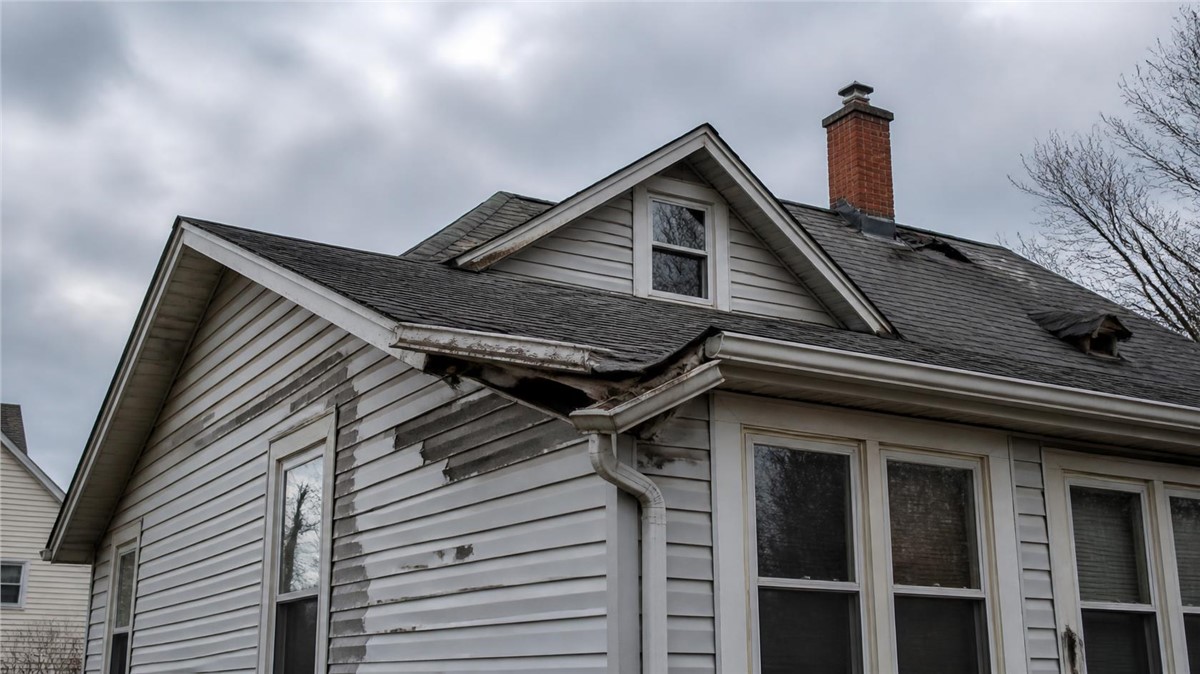
Detail 9: Roofline Transitions
Where siding meets a roofline, water control becomes especially important. Rain and snowmelt can move quickly through these areas.
Roofline transition problems may include:
- Siding installed too close to shingles
- Missing flashing
- Water stains
- Soft trim
- Ice damage
- Debris buildup
- Leaks near interior walls
A contractor should inspect siding, flashing, and roofing details together in these areas.
Detail 10: Utility Penetrations
Exterior walls often have vents, hose bibs, electrical boxes, cable lines, meters, and other penetrations. Each opening needs proper sealing and flashing attention.
Problem areas include:
- Dryer vents
- Exterior outlets
- Hose spigots
- Utility meters
- Light fixtures
- Cable entry points
- Exhaust vents
- Exterior pipes
Small gaps around penetrations can become water or pest entry points.
Detail 11: Drainage Behind Siding
Some moisture may get behind siding during storms. A good siding system should help that moisture drain and dry properly.
Drainage problems may occur when:
- House wrap is poorly installed
- Flashing is missing
- Siding is sealed incorrectly
- Weep paths are blocked
- Trim traps water
- Caulking is used in the wrong areas
- Debris blocks drainage points
The goal is not just to keep water out, but also to manage any moisture that does get behind the siding.
Detail 12: Trim and Caulking
Trim gives siding a finished look, but it also plays a role in water protection. Caulking can help seal certain joints, but it should not be used as the only defense against water.
Trim and caulking issues include:
- Cracked caulk
- Gaps around trim
- Soft trim boards
- Water stains
- Peeling paint
- Open joints
- Poorly sealed corners
- Over-reliance on caulk
Good installation uses proper flashing and layering first, with caulking used where appropriate.
Signs House Wrap or Siding Details May Be Failing
Homeowners may not be able to see the house wrap behind siding, but they may notice signs that something is wrong.
Warning signs include:
- Water stains on interior walls
- Moisture near windows
- Drafts
- Loose siding
- Warped siding
- Soft trim
- Mildew that keeps returning
- Peeling paint indoors
- Musty odors
- Stains below siding seams
These signs should be inspected before hidden damage spreads.
Repair vs Replacement
Some siding and house wrap problems can be repaired, while others may require larger replacement work.
Repair may make sense if:
- Damage is isolated
- One flashing area failed
- A few siding panels are loose
- Trim damage is limited
- No hidden moisture is present
- The siding is still in good condition
Replacement may be better if:
- Siding is failing across several walls
- House wrap was installed poorly
- Moisture is behind the siding
- Windows or doors have repeated leaks
- Materials are brittle or warped
- Repairs no longer last
- Storm damage is widespread
A professional inspection can help determine the right scope.
Why Siding Replacement Is a Good Time to Check House Wrap
When siding is removed, contractors have a better opportunity to inspect what is underneath. This can reveal damage that was not visible from the outside.
During siding replacement, contractors may find:
- Damaged sheathing
- Moisture stains
- Missing house wrap
- Torn house wrap
- Poor flashing
- Pest damage
- Soft trim areas
- Old leak paths
Addressing these issues before new siding is installed helps protect the investment.
What Should Be Included in a Siding Estimate?
A siding estimate should explain more than the siding style and color. Homeowners should understand how the contractor plans to handle the full exterior system.
Ask about:
- House wrap
- Seam taping
- Window flashing
- Door flashing
- Corner details
- Trim work
- Fastener methods
- Removal of old materials
- Moisture damage inspection
- Cleanup
- Warranty details
A clear estimate helps homeowners compare installation quality, not just price.
Why the Lowest Bid May Not Be the Best Value
Siding installation is detail-heavy work. A lower estimate may not include the same house wrap, flashing, trim, repair, or preparation steps as a more complete proposal.
When comparing bids, review:
- Material quality
- House wrap inclusion
- Flashing details
- Trim scope
- Repair allowances
- Labor process
- Warranty coverage
- Contractor experience
- Cleanup details
The best value is the option that protects the home properly and reduces the risk of future problems.
Why a Full Exterior Inspection Helps
House wrap and siding are connected to roofing, gutters, windows, doors, flashing, trim, fascia, soffit, and drainage. A siding leak may be caused by a roofline transition, gutter overflow, failed flashing, or window detail.
A full exterior inspection may include:
- Siding and trim
- House wrap concerns
- Windows and doors
- Flashing
- Roofing and roof edges
- Gutters and downspouts
- Fascia and soffit
- Interior moisture signs
- Storm damage areas
Huskie Exteriors provides roofing, siding, window, gutter, and storm damage restoration services, helping homeowners evaluate the full exterior system.
Why Local Exterior Experience Matters
A local contractor understands how Wisconsin weather affects siding and wall systems. In North Prairie, WI, homes need exterior materials and installation details that can handle wind, heavy rain, hail, snow, ice, humidity, sun exposure, and freeze-thaw cycles.
Local experience helps homeowners determine whether siding concerns are caused by storm damage, poor installation, aging materials, failed flashing, missing house wrap, moisture intrusion, or drainage problems.
Conclusion
House wrap and siding installation in North Prairie, WI matters because the details behind the siding help protect the home from moisture, wind, drafts, and hidden wall damage. Overlap, taped seams, flashing, window openings, door openings, corners, fasteners, trim, and drainage paths all affect long-term performance.
If your home has loose siding, water stains, drafts, damaged trim, repeated leaks, warped panels, or concerns about past siding installation, Huskie Exteriors can inspect your exterior and recommend the right next step.
Contact Huskie Exteriors for professional roofing, siding, window, gutter, and storm damage services in Illinois and Wisconsin.
Subscribe to Huskie Exteriors's Blog





Comments