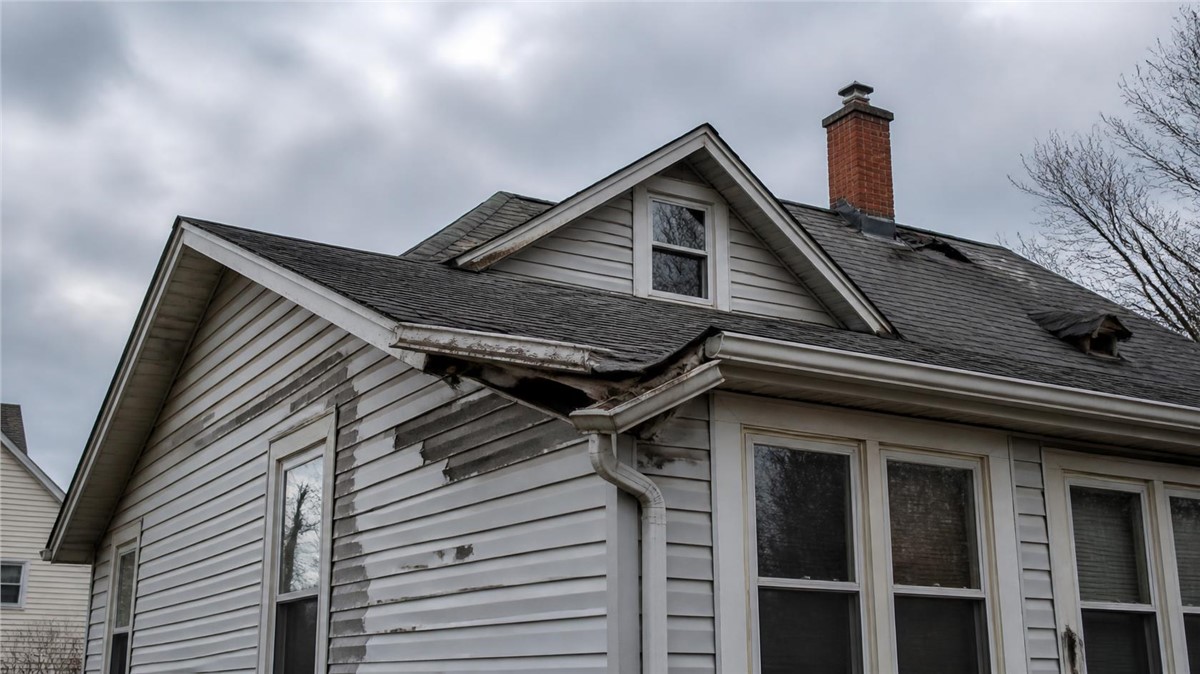
A home’s exterior works as one connected system. The roof sheds water, gutters direct it away, siding protects the walls, and trim, fascia, soffit, flashing, windows, and doors help seal vulnerable transitions. When one part fails, water can travel into another area and create damage that is not always easy to see.
For homeowners in Milwaukee, WI, exterior damage can happen throughout the year. Strong winds can lift shingles. Hail can crack siding. Heavy rain can expose gutter problems. Snow and ice can strain roof edges. Freeze-thaw cycles can make small gaps worse over time.
This guide explains what to check when roof, siding, and gutter damage may be affecting the full exterior of your home.
Why a Full Exterior Check Matters
It is common for homeowners to notice one problem first, such as a roof leak, loose siding, or overflowing gutter. But the visible issue may only be part of the damage.
A full exterior inspection can help identify:
- Roof damage
- Siding cracks or loose panels
- Gutter overflow
- Downspout problems
- Fascia and soffit damage
- Flashing issues
- Window and door moisture
- Foundation drainage problems
- Interior leak signs
- Storm-related damage
Checking the full exterior helps prevent small issues from turning into larger repairs.
Roof Damage Warning Signs
The roof is often the first place homeowners think about after a storm. Roof damage may be obvious, but some warning signs are harder to see from the ground.
Common roof damage signs include:
- Missing shingles
- Lifted shingles
- Cracked shingles
- Granule loss
- Exposed nail heads
- Damaged ridge caps
- Loose flashing
- Dented roof vents
- Leaks near ceilings or attic areas
Roof damage should be inspected quickly because water can travel under shingles before it appears inside the home.
Siding Damage Warning Signs
Siding protects the walls from wind-driven rain, moisture, pests, and daily weather exposure. Damage may happen after hail, wind, debris impact, or long-term aging.
Look for:
- Cracked siding
- Loose panels
- Open seams
- Warping
- Holes or punctures
- Broken corners
- Water stains
- Mildew growth
- Soft trim
- Siding pieces in the yard
Even small siding cracks can allow moisture behind the exterior wall surface.
Gutter Damage Warning Signs
Gutters help move water away from the roof edge, siding, foundation, and landscaping. When gutters fail, they can create problems across the exterior.
Gutter issues may include:
- Overflow during rain
- Clogged gutters
- Blocked downspouts
- Sagging sections
- Loose hangers
- Leaking seams
- Water behind gutters
- Short downspout extensions
- Ice buildup in winter
Gutter problems should be addressed because they can damage fascia, soffit, siding, and foundation areas.
How Roof Damage Can Affect Siding and Gutters
Roof damage does not always stay limited to the roof. If shingles, flashing, or roof edges fail, water can move into nearby exterior materials.
Roof problems may lead to:
- Water running behind gutters
- Fascia damage
- Soffit stains
- Siding discoloration
- Moisture near windows
- Interior wall stains
- Attic moisture
- Foundation pooling from poor drainage
This is why roofing issues should be checked along with gutters and nearby siding.
How Gutter Problems Can Damage the Roof Edge
Gutters that are clogged, sagging, or poorly pitched can push water back toward the roof edge. Over time, this can damage materials near the eaves.
Roof edge problems may include:
- Soft fascia
- Loose gutters
- Water behind gutters
- Damaged drip edge
- Soffit moisture
- Ice dams
- Shingle damage near the edge
- Leaks near exterior walls
A gutter repair may also require checking the roof edge and fascia.
How Siding Damage Can Lead to Moisture Problems
Siding damage can allow wind-driven rain behind the wall surface. Once moisture gets behind siding, it may affect sheathing, insulation, trim, or interior walls.
Warning signs of moisture behind siding include:
- Stains below seams
- Soft trim
- Warped panels
- Mildew that keeps returning
- Interior wall stains
- Musty odors
- Peeling paint near windows
- Damp drywall
If siding damage appears after a storm, it should be checked before future rain makes the problem worse.
Storm Damage in Milwaukee Homes
Milwaukee homes can experience exterior damage from strong wind, hail, heavy rain, snow, and ice. Storm damage may affect several systems at once.
After a storm, check for:
- Missing shingles
- Hail marks on siding
- Dented gutters
- Cracked window trim
- Torn screens
- Fallen branches
- Loose downspouts
- Debris near roof valleys
- Water stains indoors
Take photos of visible damage before cleanup, especially if insurance may be involved.
Hail Damage Areas to Check
Hail can affect roofing, siding, gutters, downspouts, vents, trim, and windows.
Common hail damage signs include:
- Bruised shingles
- Missing granules
- Cracked siding
- Holes in siding panels
- Dented gutters
- Dented downspouts
- Damaged screens
- Dented fascia wrap
- Chipped trim
Hail damage may not cause immediate leaks, but weakened materials can fail later.
Wind Damage Areas to Check
High winds can lift, loosen, or remove exterior materials.
Wind damage may include:
- Lifted shingles
- Missing shingles
- Loose siding
- Open siding seams
- Detached gutters
- Loose soffit panels
- Damaged flashing
- Fallen branch impact
- Water intrusion after wind-driven rain
Even if materials settle back into place, they may no longer seal properly.
Ice and Snow Damage Areas to Check
Winter weather can be hard on Milwaukee homes. Snow, ice, and freeze-thaw cycles can affect roof edges, gutters, siding, and trim.
Look for:
- Ice dams
- Large icicles
- Frozen gutters
- Water stains after snowmelt
- Loose gutters
- Soft fascia
- Soffit moisture
- Cracked siding
- Gaps around trim
Winter damage should be inspected before spring rain exposes hidden problems.
Interior Signs of Exterior Damage
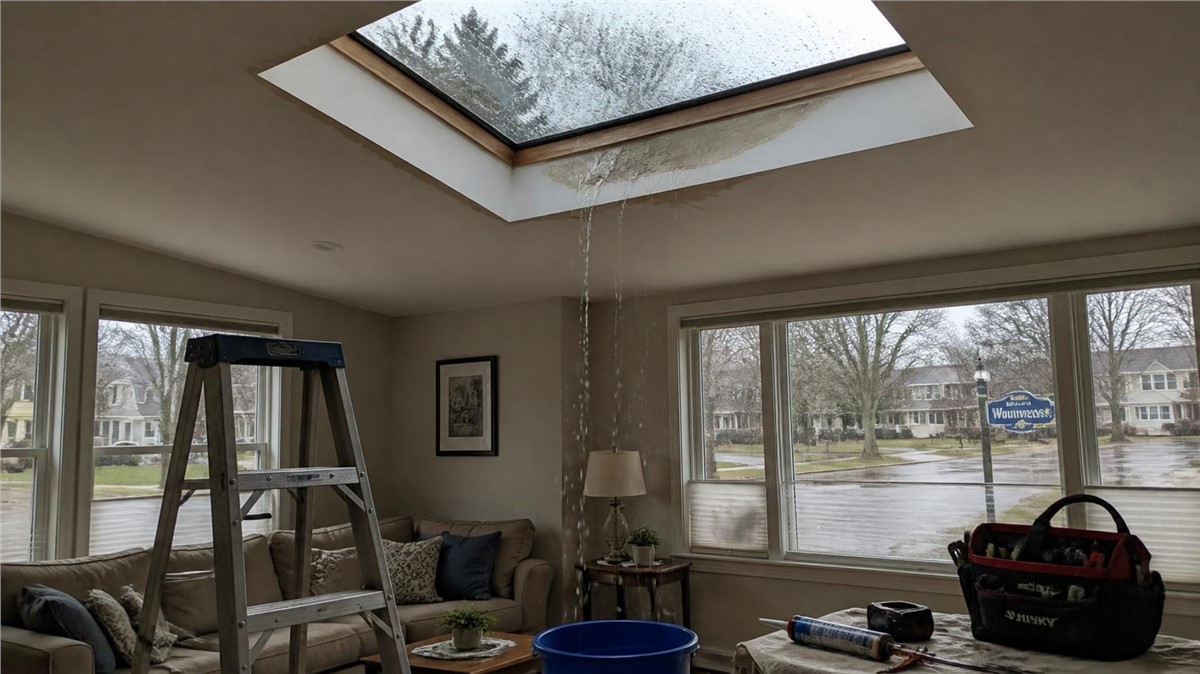
Exterior damage often shows up inside the home after rain, snowmelt, or repeated moisture exposure.
Interior warning signs include:
- Ceiling stains
- Damp drywall
- Bubbling paint
- Musty odors
- Water near windows
- Wet attic insulation
- Dark roof decking
- Stains near exterior walls
If water appears near electrical fixtures, avoid touching the area and contact a professional.
Repair vs Replacement
Not every exterior problem requires full replacement. Some damage can be repaired if it is isolated and the surrounding materials are still in good condition.
Repair may make sense if:
- Only a few shingles are damaged
- One gutter section is loose
- Siding damage is limited
- Flashing can be corrected
- Fascia damage is minor
- No hidden moisture is present
Replacement may be better if:
- Damage is widespread
- Roofing materials are aging
- Siding is brittle or cracked in many areas
- Gutters sag or leak repeatedly
- Moisture damage is hidden behind materials
- Repairs no longer last
A professional inspection can help homeowners compare the best options.
What Should Be Included in a Full Exterior Inspection?
A complete inspection should look at the full path water takes from the roof to the ground.
A contractor may check:
- Roofing and shingles
- Roof valleys
- Flashing
- Chimneys and vents
- Gutters and downspouts
- Fascia and soffit
- Siding and trim
- Windows and doors
- Foundation drainage
- Attic moisture
- Interior water stains
This helps identify whether damage is isolated or connected to a larger exterior issue.
Why Local Exterior Experience Matters
A local contractor understands how Milwaukee weather affects roofing, siding, gutters, windows, and drainage. Homes in Wisconsin need exterior systems that can handle wind, hail, heavy rain, snow, ice, humidity, sun exposure, and freeze-thaw cycles.
Local experience helps homeowners determine whether damage is caused by storms, aging materials, poor drainage, flashing failure, ice buildup, or hidden moisture.
Conclusion
Roof, siding, and gutter damage in Milwaukee, WI should be checked as part of the full exterior system. Missing shingles, cracked siding, sagging gutters, water stains, fascia damage, soffit moisture, and poor drainage can all be connected. A full inspection helps homeowners understand what needs repair, what can wait, and when replacement may be the better long-term option.
If your home has roof damage, siding cracks, gutter overflow, storm damage, leaks, moisture concerns, or drainage problems, Huskie Exteriors can inspect your exterior and recommend the right next step.
Contact Huskie Exteriors for professional roofing, siding, window, gutter, and storm damage services in Illinois and Wisconsin.
Subscribe to Huskie Exteriors's Blog





Comments