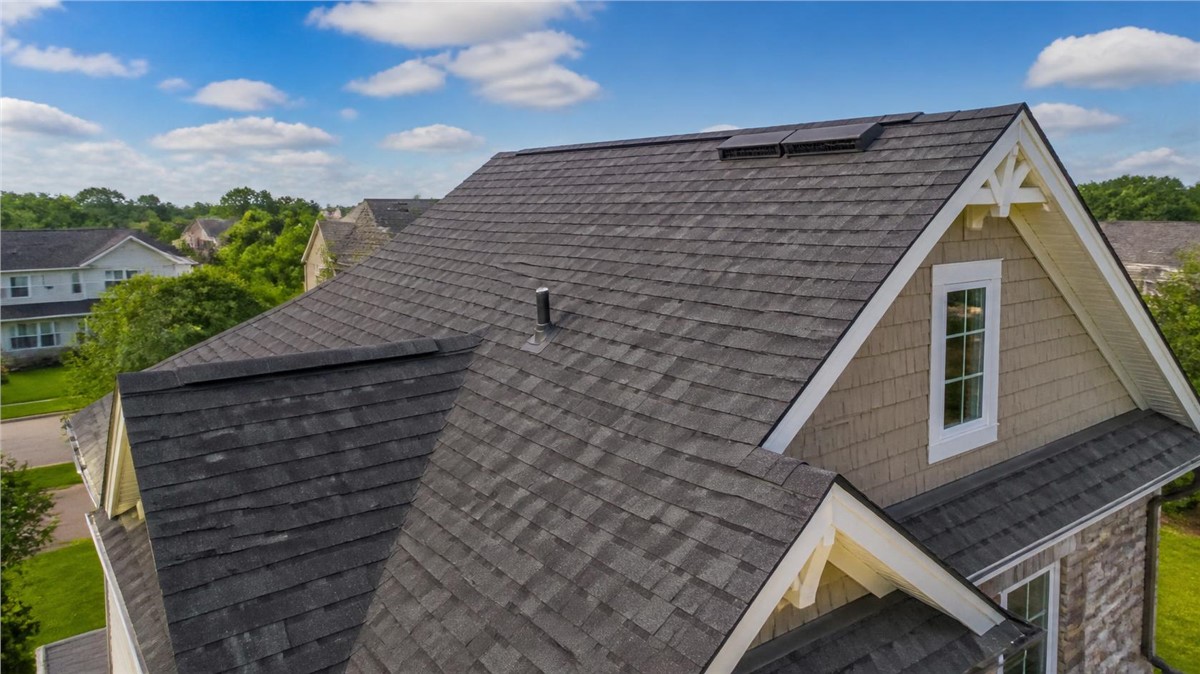
Your roof does more than protect your home from rain, snow, wind, and hail. It also needs the attic below it to breathe properly. When attic ventilation is poor, heat and moisture can become trapped inside the attic, creating problems that affect the roof from underneath.
For homeowners in Gilberts, IL, attic ventilation is especially important because northern Illinois weather brings hot summers, cold winters, snow, ice, rain, humidity, wind, and freeze-thaw cycles. These seasonal changes can put stress on roofing materials.
This guide explains why attic ventilation matters, how it affects roofing, and what warning signs homeowners should watch for.
What Is Attic Ventilation?
Attic ventilation is the system that allows air to move through the attic. A balanced system usually includes intake vents and exhaust vents.
Intake vents allow fresh air to enter the attic, often near the roof edges or soffits. Exhaust vents allow warm, moist air to leave the attic, often through ridge vents, roof vents, or gable vents.
Good ventilation helps reduce:
- Trapped heat
- Excess moisture
- Condensation
- Ice-related roof issues
- Premature shingle wear
- Attic odors
- Mold or mildew concerns
The goal is steady airflow through the attic space.
Why Attic Ventilation Matters for Roofing
Roofing materials are exposed to weather from the outside, but they can also be affected by heat and moisture from the inside. When the attic is not ventilated properly, shingles and decking may wear faster.
Poor ventilation can contribute to:
- Curling shingles
- Cracked shingles
- Soft roof decking
- Wet insulation
- Condensation
- Ice buildup
- Repeated leaks
- Shortened roof lifespan
A roof problem may not always begin on the roof surface. Sometimes the issue starts in the attic.
Heat Buildup in the Attic
During summer, attic temperatures can rise quickly. If hot air has nowhere to escape, heat may build up under the roof deck.
Heat buildup can affect:
- Shingle performance
- Roof decking
- Attic insulation
- Indoor comfort
- Upper-level rooms
- Cooling demand
If upstairs rooms feel unusually hot or the attic feels extremely stuffy, ventilation should be checked.
Moisture Buildup in the Attic
Moisture can enter the attic from daily household activities, air leaks, bathroom fans, kitchen vents, humid air, or roof leaks. If moisture cannot escape, it may collect on cold surfaces.
Moisture buildup may cause:
- Damp insulation
- Dark roof decking
- Rusted nails
- Musty odors
- Mold or mildew concerns
- Stains on rafters
- Soft wood
- Condensation during winter
Moisture problems should be addressed before they damage the roof structure.
Condensation vs Roof Leaks
Not every attic moisture problem is caused by a roof leak. Sometimes water stains or damp insulation are caused by condensation from poor ventilation.
Condensation may happen when warm indoor air reaches cold attic surfaces. This can create moisture that looks like a leak.
A professional inspection can help determine whether the issue is:
- A roof leak
- Poor attic ventilation
- Air leakage from the home
- Bathroom or kitchen exhaust problems
- Insulation problems
- Flashing damage
- Ice-related roof issues
Finding the correct cause matters because the repair approach will be different.
How Poor Ventilation Can Damage Shingles
Shingles are designed to handle outdoor weather, but trapped attic heat can add stress from below. Over time, this may contribute to premature wear.
Shingle warning signs may include:
- Curling edges
- Cracked shingles
- Bald spots
- Granule loss
- Brittle shingles
- Uneven roof aging
- Heat-related wear
- Repeated roof repairs
If shingles are failing earlier than expected, attic ventilation should be reviewed.
Roof Decking Problems
The roof deck is the wood surface under the roofing materials. If the attic traps moisture, the decking can become damp, stained, soft, or weakened.
Roof decking concerns may include:
- Dark stains
- Soft spots
- Sagging areas
- Mold or mildew concerns
- Rusted nails
- Wet insulation touching decking
- Musty attic smell
Decking problems can increase the scope of roof repair or replacement if not found early.
Ice Buildup and Winter Roof Issues
Gilberts homes can experience snow, ice, and freeze-thaw cycles. Poor attic ventilation can contribute to uneven roof temperatures, which may worsen ice buildup near roof edges.
Winter roof concerns may include:
- Icicles along gutters
- Ice buildup near eaves
- Water backing up under shingles
- Leaks during thawing
- Wet attic insulation
- Fascia or soffit moisture
- Damaged gutters
Ventilation is only one part of winter roof performance. Insulation, air sealing, gutter drainage, and roof condition also matter.
Intake Vents and Soffits
Intake vents are often located in the soffit area under the roof edge. They allow cooler outside air to enter the attic.
Problems can happen when intake vents are blocked by:
- Insulation
- Dust or debris
- Paint
- Old vent covers
- Pest nests
- Poor installation
- Missing baffles
Blocked intake vents can prevent the attic from getting proper airflow, even if exhaust vents are present.
Exhaust Vents
Exhaust vents allow warm and moist attic air to leave. Common exhaust options include ridge vents, box vents, turbine vents, and gable vents.
Exhaust problems may include:
- Not enough vents
- Damaged roof vents
- Poor vent placement
- Mixed ventilation systems that do not work well together
- Blocked vents
- Storm-damaged vents
- Improper installation
A roofing contractor can determine whether the ventilation layout is balanced.
Signs Your Attic Ventilation May Be Poor
Homeowners may notice ventilation problems through comfort, roof wear, or attic moisture signs.
Warning signs include:
- Hot upstairs rooms
- Musty attic odors
- Wet insulation
- Rusted nails
- Dark attic stains
- Mold or mildew concerns
- Curling shingles
- Ice buildup in winter
- Peeling paint near ceilings
- Repeated roof leaks or stains
If several of these signs appear together, the attic and roof should be inspected.
Bathroom and Kitchen Exhaust Problems
Bathroom and kitchen fans should vent outside, not into the attic. If warm, humid air is released into the attic, moisture problems can develop.
Exhaust problems may lead to:
- Condensation
- Wet insulation
- Mold or mildew concerns
- Stained roof decking
- Musty odors
- Peeling paint
- Attic moisture
A ventilation inspection should check whether exhaust fans are routed correctly.
Insulation and Ventilation Work Together
Insulation helps control heat movement between the living space and attic. Ventilation helps move air through the attic. Both are important.
Problems may happen when:
- Insulation blocks soffit vents
- Attic insulation is wet
- Air leaks move moisture into the attic
- Insulation is uneven
- Vent baffles are missing
- Exhaust fans vent into the attic
Fixing ventilation without addressing insulation or air leaks may not solve the full problem.
Storm Damage and Attic Ventilation
Storms can damage roof vents, ridge vents, shingles, flashing, and roof edges. If vents are cracked, dented, loose, or displaced, attic airflow may be affected.
Storm-related concerns include:
- Damaged roof vents
- Missing shingles near vents
- Loose ridge vent sections
- Dented vents
- Water stains near penetrations
- Wind-driven rain leaks
- Damaged flashing
- Loose soffit panels
After severe weather, the roof and ventilation system should be checked together.
Repair vs Replacement
The right solution depends on what the inspection finds.
Ventilation repairs may include:
- Clearing blocked vents
- Adding intake airflow
- Replacing damaged vents
- Correcting exhaust fan routing
- Adding or repairing baffles
- Improving ventilation balance
- Repairing damaged soffit areas
Roof replacement may be needed if:
- Shingles are failing throughout
- Decking is soft or damaged
- Leaks keep returning
- Storm damage is widespread
- Ventilation problems have caused long-term roof wear
- The roof is near the end of its lifespan
A professional inspection can help determine what should be addressed first.
What Should Be Included in a Roof and Ventilation Inspection?
A complete inspection should look at both the roof and attic.
An inspection may include:
- Shingle condition
- Roof vents
- Ridge vents
- Soffit vents
- Intake airflow
- Exhaust airflow
- Attic insulation
- Moisture signs
- Bathroom fan routing
- Roof decking
- Gutters and roof edges
- Interior stains
This helps identify whether the issue is roofing, ventilation, insulation, moisture, or storm damage.
Why Gutters and Soffits Should Be Checked
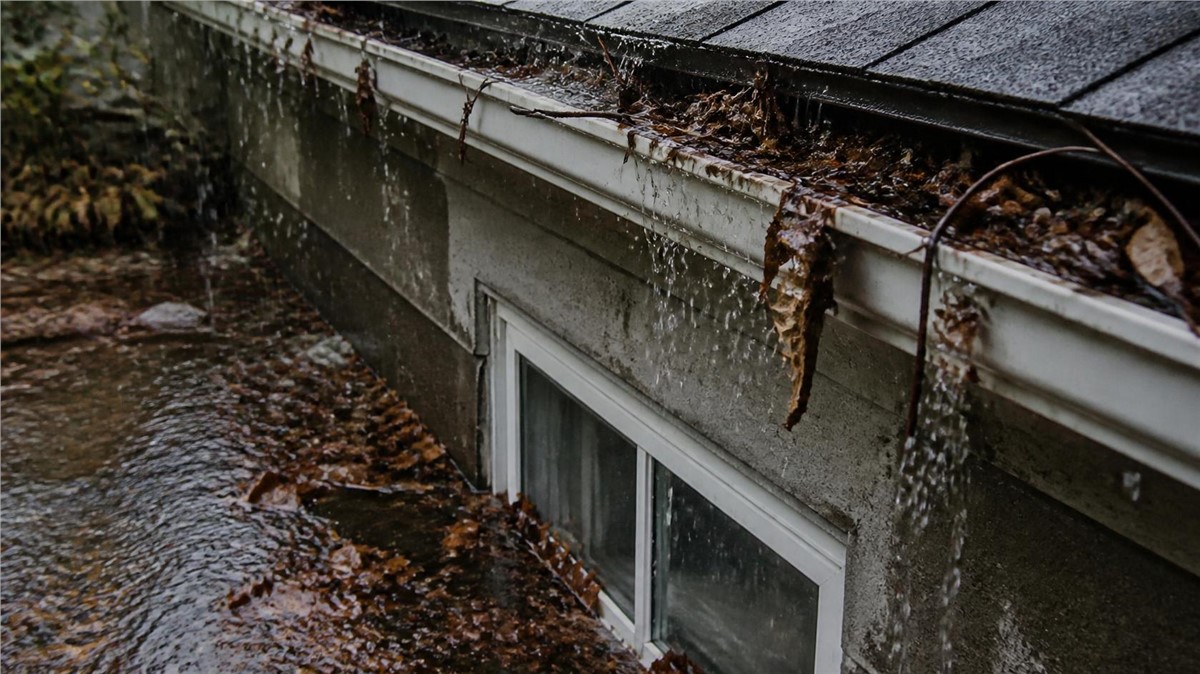
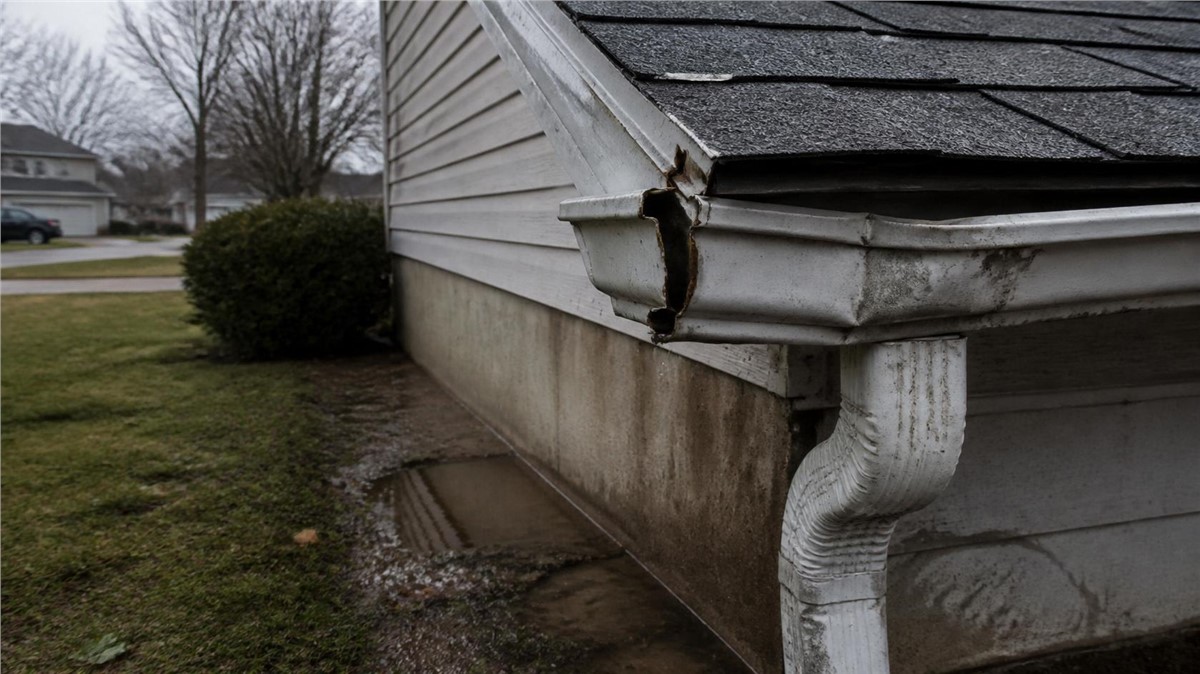
Gutters, fascia, and soffits are connected to roof edge performance. If gutters overflow or soffits are damaged, attic ventilation and roof edges may be affected.
Check for:
- Clogged gutters
- Water running behind gutters
- Sagging gutters
- Loose soffit panels
- Damaged fascia
- Ice buildup near eaves
- Blocked soffit vents
- Moisture near roof edges
Roof ventilation works best when the roof edge system is also in good condition.
Why a Full Exterior Inspection Helps
Attic ventilation problems may be connected to roofing, gutters, siding, soffit, fascia, flashing, and moisture movement. Looking at only one part of the home may miss the full cause.
A full exterior inspection may include:
- Roofing
- Roof vents
- Attic ventilation
- Gutters and downspouts
- Soffit and fascia
- Siding
- Flashing
- Interior moisture signs
- Storm damage areas
Huskie Exteriors provides roofing, siding, window, gutter, and storm damage restoration services, helping homeowners evaluate the full exterior system.
Why Local Exterior Experience Matters
A local contractor understands how Illinois weather affects roofs and attic ventilation. In Gilberts, IL, homes need roof systems that can handle hot summers, cold winters, wind, hail, heavy rain, snow, ice, humidity, and freeze-thaw cycles.
Local experience helps homeowners determine whether roof concerns are caused by poor ventilation, attic moisture, aging shingles, storm damage, gutter issues, soffit problems, or hidden leaks.
Conclusion
Attic ventilation and roofing in Gilberts, IL are closely connected. Poor ventilation can trap heat and moisture, leading to shingle wear, condensation, wet insulation, roof decking problems, ice buildup, and repeated repair needs.
If your home has curling shingles, attic moisture, musty odors, ice buildup, roof leaks, damaged vents, or signs of poor airflow, Huskie Exteriors can inspect your roofing system and recommend the right next step.
Contact Huskie Exteriors for professional roofing, siding, window, gutter, and storm damage services in Illinois and Wisconsin.
Subscribe to Huskie Exteriors's Blog




Comments