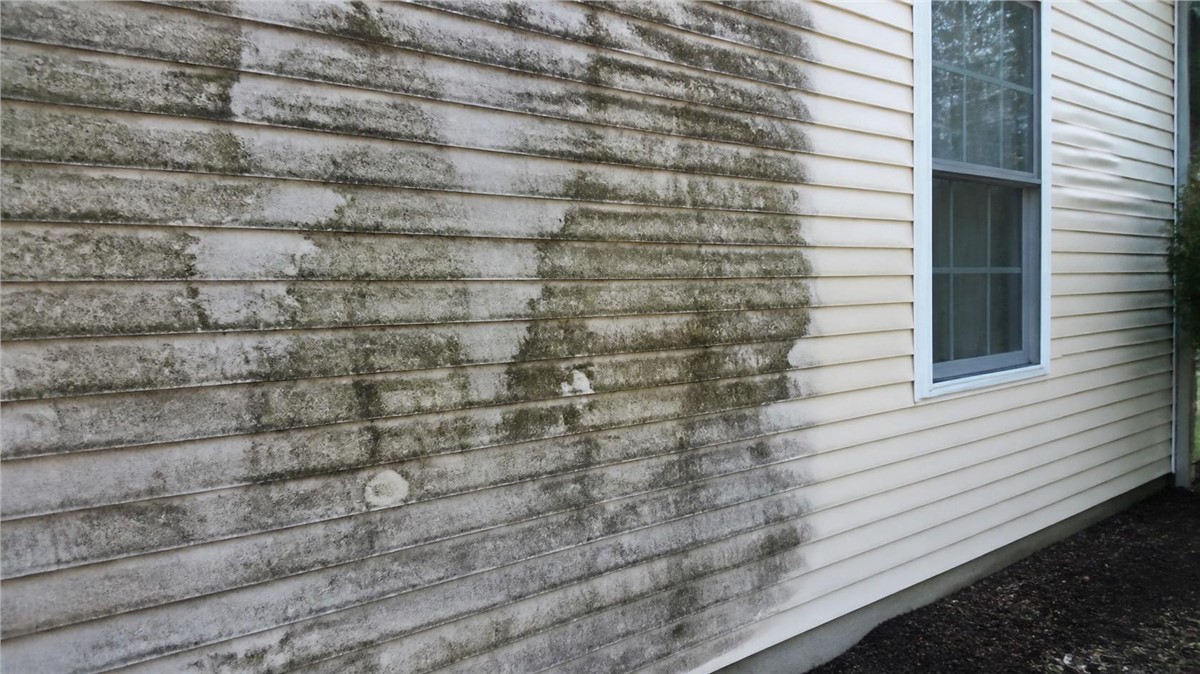
Mold and mildew on siding can make a home look older, darker, and poorly maintained. But the issue is not always cosmetic. Sometimes surface growth is easy to clean. Other times, it may point to moisture problems, drainage issues, or siding that is no longer protecting the home properly.
For homeowners in Huntley, IL, siding faces heavy rain, humidity, wind, snow, ice, shade, and freeze-thaw cycles. These conditions can create damp areas where mold, mildew, algae, or staining becomes more noticeable.
This guide explains what causes mold and mildew on siding, when cleaning may be enough, and when siding replacement should be considered.
Why Mold and Mildew Appear on Siding
Mold and mildew need moisture to grow. Siding that stays damp for long periods is more likely to develop staining or organic growth.
Common contributing factors include:
- Shaded walls
- Nearby trees
- Poor airflow
- High humidity
- Clogged gutters
- Leaking downspouts
- Short downspout extensions
- Water splashing from the ground
- Siding cracks or gaps
- Moisture behind siding
The cause matters because cleaning the surface may not solve the problem if water keeps returning.
Mold vs Mildew vs Algae
Homeowners often use these terms together, but exterior staining can come from different sources.
Mildew often appears as light gray, white, or powdery growth. Algae may look green or dark and often appears on shaded, damp siding. Mold can look black, green, or dark and may point to persistent moisture.
No matter the exact type, recurring growth should be inspected if it appears with siding damage, stains, soft trim, or interior moisture.
When Siding Growth Is Mostly Cosmetic
Sometimes mold or mildew is only on the surface. This is common on shaded sides of the home, especially where trees block sunlight and airflow.
Cleaning may be enough when:
- Growth is light
- Siding is not cracked
- Panels are not warped
- Trim is solid
- No interior stains are present
- Gutters are draining properly
- Growth does not return quickly
- No moisture damage is found
In these cases, routine cleaning and drainage improvements may help keep the siding looking better.
When Mold or Mildew May Signal a Bigger Problem
Mold or mildew becomes more concerning when it appears with signs of water damage. If moisture is getting behind the siding, the issue may involve more than the surface.
Warning signs include:
- Warped siding
- Bulging panels
- Loose siding
- Cracks or holes
- Soft trim
- Peeling paint
- Musty odors indoors
- Interior wall stains
- Water marks below windows
- Repeated growth in the same area
These signs should be inspected before assuming cleaning is enough.
Cause 1: Shade and Poor Airflow
Siding in shaded areas often dries more slowly after rain or snow. This can make mold, mildew, and algae more likely.
Shade-related growth may appear near:
- Trees
- Fences
- Bushes
- North-facing walls
- Narrow side yards
- Areas with poor airflow
- Walls blocked from sunlight
Trimming vegetation and improving airflow may help reduce recurring growth.
Cause 2: Clogged Gutters
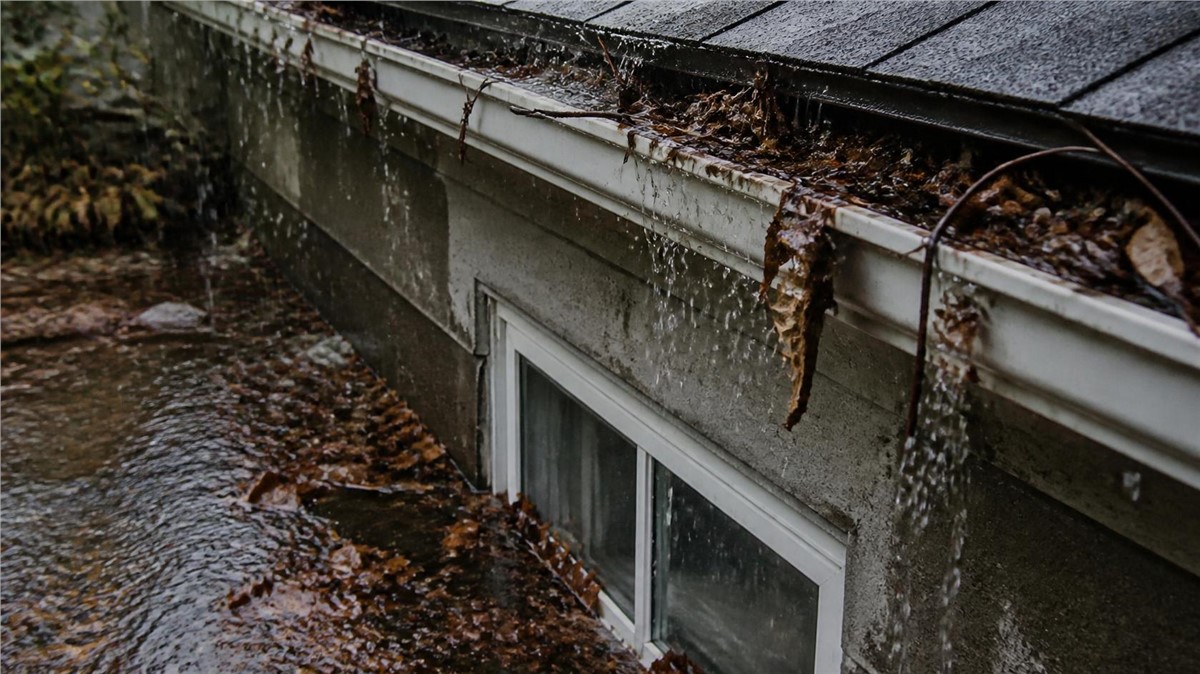
Clogged gutters can send water over the front or behind the gutter system. That water may run down siding and create damp areas where mildew develops.
Gutter-related warning signs include:
- Overflow during rain
- Water stains below gutters
- Sagging gutter sections
- Leaking seams
- Water running behind gutters
- Ice buildup near rooflines
- Stains on fascia or soffit
If mold or mildew appears below gutters, the gutter system should be checked.
Cause 3: Downspout Problems
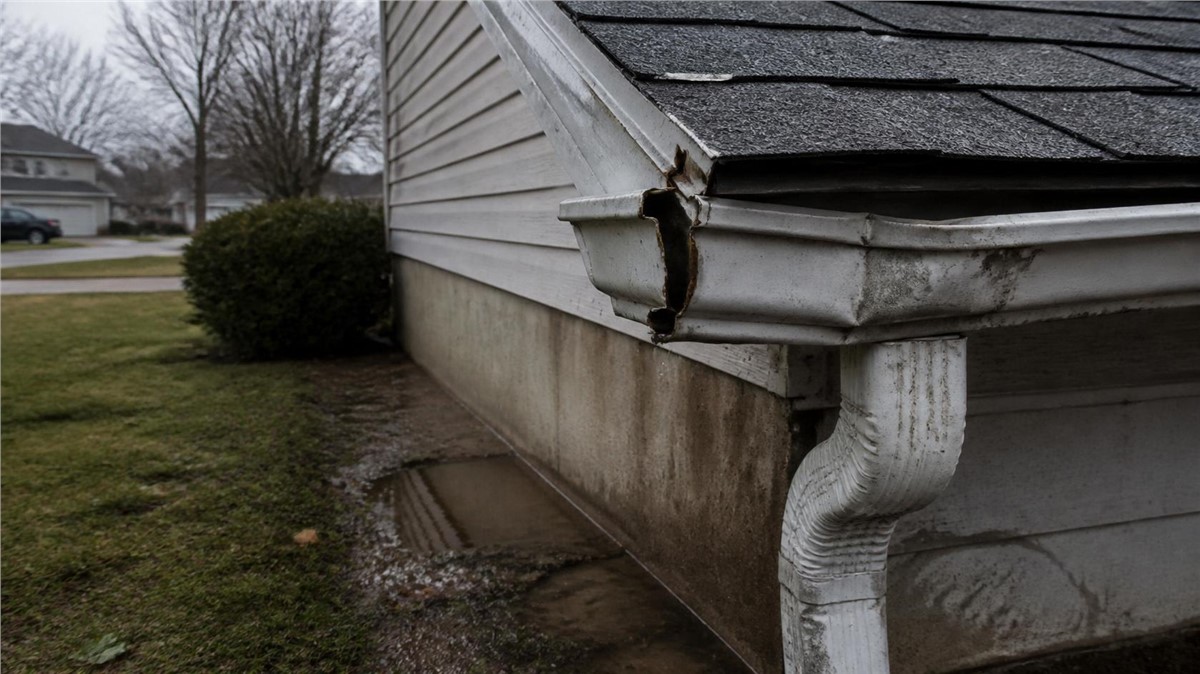
Downspouts should move water away from the home. If they are clogged, disconnected, or too short, water may splash back onto siding or pool near the foundation.
Downspout issues may include:
- Water draining too close to the wall
- Soil splashing onto siding
- Pooling near the foundation
- Downspouts disconnected from extensions
- Ice buildup near discharge points
- Basement moisture concerns
Correcting drainage can help reduce moisture around siding.
Cause 4: Moisture Behind Siding
Moisture behind siding is one of the more serious concerns. If water gets behind panels, the siding may trap moisture against the wall system.
Warning signs include:
- Bulging siding
- Wavy panels
- Soft sheathing
- Interior moisture stains
- Musty smells
- Peeling paint indoors
- Mold near windows
- Warped trim
- Repeated mildew after cleaning
If moisture is behind the siding, replacement or deeper repair may be needed.
Cause 5: Cracked or Loose Siding
Cracks, holes, gaps, and loose panels can allow water to enter behind the exterior surface. These areas may become stained or develop mildew faster than the rest of the siding.
Damage may be caused by:
- Hail
- Wind
- Impact
- Age
- Poor installation
- Heat exposure
- Freeze-thaw cycles
- Storm debris
Damaged siding should be inspected before cleaning, especially if the same area keeps staining.
Cause 6: Window and Trim Problems
Mold or mildew around windows may point to failed caulking, poor flashing, damaged trim, or water entry around the opening.
Watch for:
- Stains below windows
- Soft window trim
- Cracked caulking
- Loose siding near windows
- Interior paint bubbling
- Foggy windows
- Water marks after rain
- Musty odors near window areas
Window and trim moisture issues should be repaired before they spread into the wall.
Cleaning Siding: When It Makes Sense
Cleaning can be a good first step when the siding is structurally sound and the growth is limited to the surface.
Cleaning may make sense if:
- Growth is light or moderate
- No siding damage is visible
- Gutters are working properly
- Trim is solid
- No interior water signs are present
- The siding surface is not brittle
- The staining is not deeply embedded
Homeowners should use gentle cleaning methods and avoid aggressive pressure washing that may force water behind siding or damage panels.
What to Avoid When Cleaning Siding
The wrong cleaning method can create new problems. High pressure, harsh chemicals, or careless spraying can damage siding, trim, caulking, and window seals.
Avoid:
- Pressure washing too aggressively
- Spraying upward under siding panels
- Using harsh products without guidance
- Scraping brittle siding
- Ignoring cracks before cleaning
- Cleaning over soft trim
- Sealing or painting over active moisture
If siding is damaged or moisture is suspected, inspection should come before cleaning.
When Siding Repair May Be Enough
Sometimes cleaning is not enough, but full replacement is not necessary. Siding repair may solve the issue if damage is isolated.
Repair may include:
- Replacing cracked panels
- Reattaching loose siding
- Repairing trim
- Fixing flashing
- Correcting caulking
- Adjusting gutters
- Extending downspouts
- Replacing damaged J-channel
The repair should address the source of moisture, not only the visible stain.
When Siding Replacement May Be Needed
Siding replacement may be the better option when mold, mildew, or moisture problems are connected to damaged or failing siding.
Replacement may be recommended if:
- Siding is warped or buckled
- Panels are cracked in several areas
- Moisture is behind the siding
- Trim or sheathing is damaged
- Stains return quickly after cleaning
- Siding is old, brittle, or faded
- Storm damage is widespread
- Repairs would not match well
Replacement gives homeowners a chance to address house wrap, flashing, trim, and hidden moisture concerns.
Cleaning vs Replacement
The decision depends on the cause, severity, and condition of the siding.
Cleaning may be enough when:
- Growth is only on the surface
- Siding is in good condition
- Drainage is working
- No hidden moisture is present
- Growth is not returning quickly
Replacement may be better when:
- Siding is damaged
- Moisture is trapped behind panels
- Growth returns after cleaning
- Cracks or gaps allow water in
- Trim or sheathing is soft
- The siding is near the end of its lifespan
A professional inspection helps homeowners choose the right option.
Storm Damage and Siding Growth
Storm damage can make siding more vulnerable to mold and mildew. Hail may crack panels, wind may loosen siding, and heavy rain may force moisture into gaps.
Storm-related concerns include:
- Cracked siding
- Loose panels
- Holes or punctures
- Damaged trim
- Gutter overflow
- Water stains
- Moisture behind siding
- Siding pieces in the yard
If mold or mildew appears after a storm, the full exterior should be checked.
Why Gutters Should Be Inspected Too
Gutters and siding work together to protect the home from water. If gutters are not draining properly, siding problems may continue after cleaning.
A gutter inspection may check:
- Clogs
- Leaking seams
- Sagging sections
- Short downspouts
- Water behind gutters
- Overflow during rain
- Fascia damage
- Ice buildup
Fixing drainage is often key to reducing recurring siding growth.
What Homeowners Should Check
Homeowners can safely check siding from the ground before calling a contractor.
Look for:
- Mold or mildew location
- Water stains below gutters
- Cracks or holes
- Loose panels
- Warped siding
- Soft trim
- Window stains
- Interior wall stains
- Musty smells indoors
- Downspout drainage problems
Take photos and note when the growth appears or gets worse.
What Should Be Included in an Estimate?
A siding estimate should explain whether cleaning, repair, or replacement is recommended.
A good estimate may include:
- Inspection findings
- Cause of staining
- Siding condition
- Moisture concerns
- Gutter or downspout issues
- Trim and flashing condition
- Repair or replacement options
- Material matching
- Cleanup details
- Warranty information
The estimate should focus on solving the cause, not only improving appearance.
Why a Full Exterior Inspection Helps
Mold and mildew on siding can be connected to roofing, gutters, windows, flashing, fascia, soffit, trim, and drainage. A full exterior inspection helps identify the moisture source.
A full exterior inspection may include:
- Siding
- Gutters and downspouts
- Roofing and roof edges
- Windows and trim
- Flashing
- Fascia and soffit
- Interior moisture signs
- Storm damage areas
- Foundation drainage
Huskie Exteriors provides roofing, siding, window, gutter, and storm damage restoration services, helping homeowners evaluate the full exterior system.
Why Local Exterior Experience Matters
A local contractor understands how Illinois weather affects siding. In Huntley, IL, homes need exterior materials that can handle humidity, heavy rain, wind, hail, snow, ice, shade, and freeze-thaw cycles.
Local experience helps homeowners determine whether mold and mildew on siding are caused by surface moisture, poor airflow, gutter overflow, storm damage, failed flashing, aging siding, or hidden water behind the wall.
Conclusion
Mold and mildew on siding in Huntley, IL may be a simple surface cleaning issue, or it may point to moisture, gutter problems, siding damage, failed flashing, or hidden wall concerns. Cleaning may be enough for light surface growth, but replacement may be needed when siding is warped, cracked, loose, moisture-damaged, or repeatedly stained.
If your siding has mold, mildew, stains, moisture damage, cracks, loose panels, or recurring growth after cleaning, Huskie Exteriors can inspect your home and recommend the right next step.
Contact Huskie Exteriors for professional roofing, siding, window, gutter, and storm damage services in Illinois and Wisconsin.
Subscribe to Huskie Exteriors's Blog





Comments