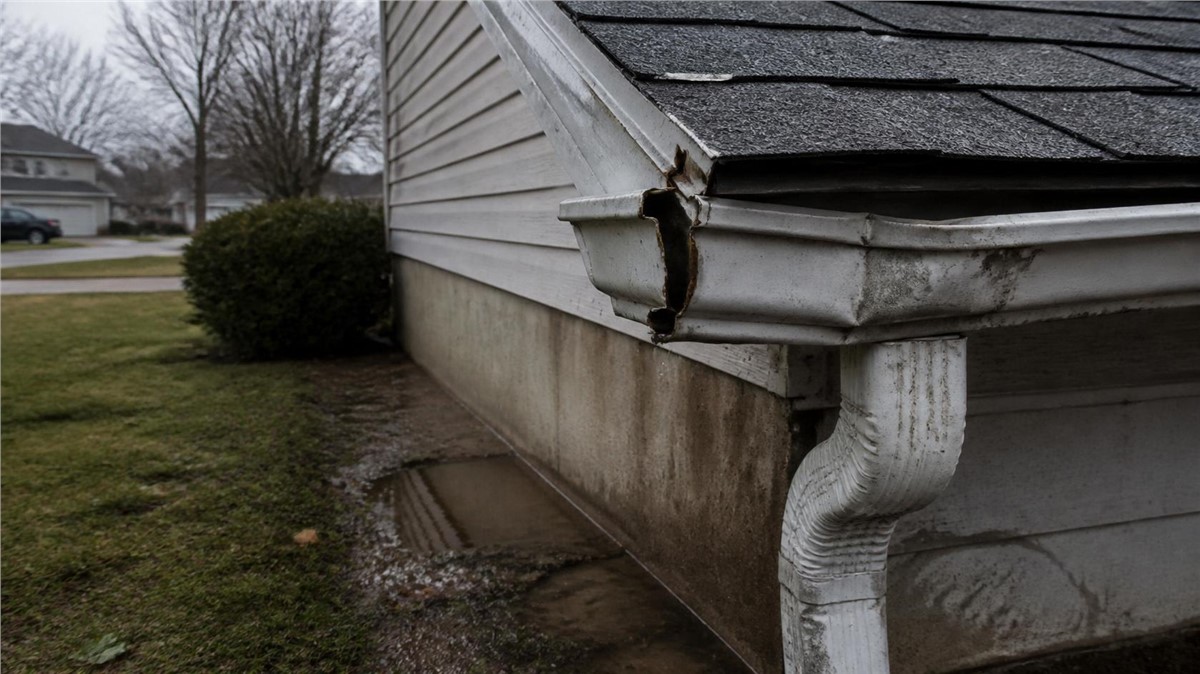
After a hailstorm, most homeowners look at the roof first. That makes sense, but gutters should not be overlooked. Gutters and downspouts often take direct impact from hail, wind, and storm debris. Dents may seem minor, but they can sometimes affect drainage, slope, seams, and attachment points.
For homeowners in Hampshire, IL, gutter damage matters because northern Illinois weather can bring hail, heavy rain, wind, snow, ice, and freeze-thaw cycles. If gutters stop draining properly, water can damage roofing, siding, fascia, soffit, foundations, landscaping, and walkways.
This guide explains how hail damages gutters, what warning signs to check, and when to call a contractor.
Why Hail Damage to Gutters Matters
Gutters are designed to move water away from the home. When hail dents, bends, loosens, or cracks the system, water may not flow correctly.
Damaged gutters can lead to:
- Overflow during rain
- Leaking seams
- Water running behind gutters
- Fascia damage
- Soffit moisture
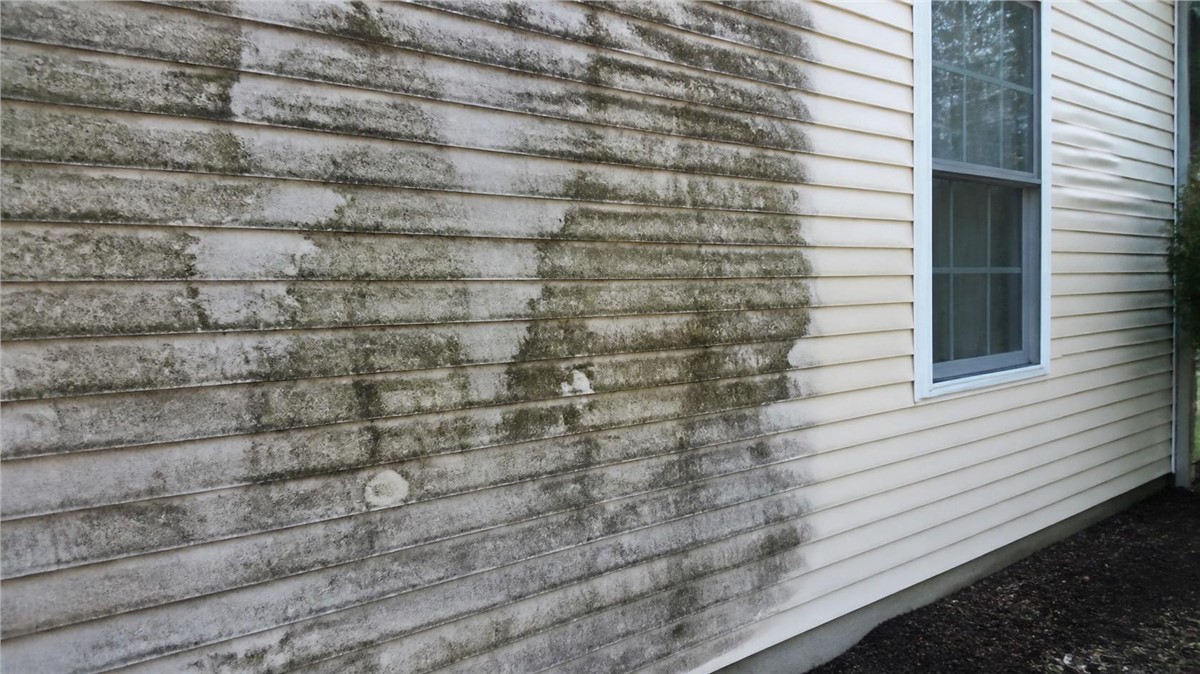
- Siding stains
- Foundation pooling
- Basement moisture
- Ice buildup in winter
- Landscaping erosion
Even small gutter issues can create bigger exterior problems if ignored.
Common Signs of Hail-Damaged Gutters
Hail damage may be easy to see in some areas and harder to notice in others. Homeowners can check safely from the ground without climbing ladders.
Look for:
- Dents on gutter runs
- Dents on downspouts
- Bent gutter sections
- Loose fasteners
- Leaking seams
- Sagging gutters
- Gutters pulling away
- Damaged gutter guards
- Water spilling over edges
- Granules collecting in gutters
If gutters look dented after hail, the rest of the exterior should also be inspected.
Dents in Gutters
Dents are one of the most common signs of hail impact. Small dents may only affect appearance, but deeper dents can change the shape of the gutter.
Dented gutters may cause:
- Slower water flow
- Low spots
- Standing water
- Debris buildup
- Weak points in the metal
- Poor appearance
- More ice buildup in winter
If dents are widespread or deep, replacement may be more practical than repair.
Dented Downspouts
Downspouts are often hit by wind-driven hail. Dents can restrict water flow, especially if the downspout becomes crushed or narrowed.
Downspout problems may include:
- Reduced drainage
- Water backing up into gutters
- Leaks at connections
- Loose straps
- Disconnected sections
- Water pooling near the home
- Ice buildup near discharge points
A gutter inspection should always include downspouts and where they release water.
Leaking Seams After Hail
Hail impact can weaken gutter seams, corners, and joints. Even if the gutter looks mostly intact, seams may begin leaking during the next rain.
Signs of leaking seams include:
- Drips at corners
- Water stains below joints
- Rust or discoloration
- Water running down fascia
- Puddles below gutters
- Overflow in one section
One leaking seam may be repairable. Multiple leaking seams may point to larger gutter damage.
Gutters Pulling Away from the Home
Hail often comes with wind and heavy rain. The storm can loosen fasteners, strain hangers, or expose weak attachment points.
Warning signs include:
- Gaps behind gutters
- Gutters tilted forward
- Loose brackets
- Water running behind the gutter
- Sagging sections
- Fascia stains
- Fasteners pulling out
This should be inspected quickly because water behind gutters can damage fascia and soffit areas.
Poor Drainage After Hail
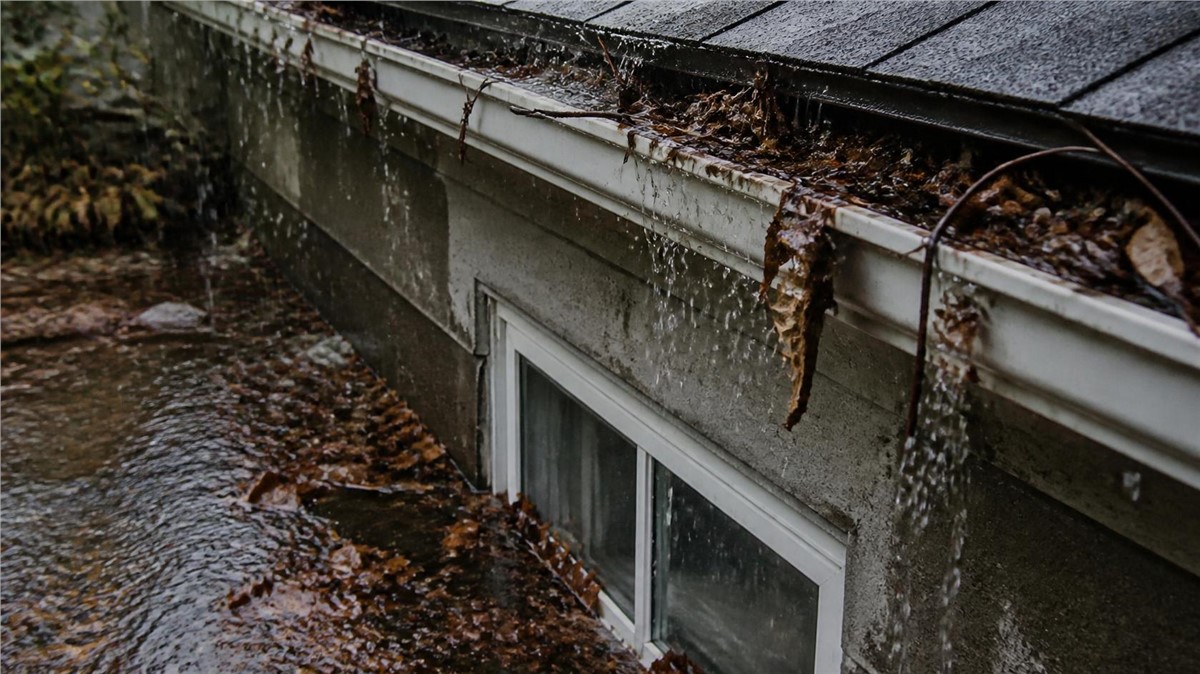
A gutter does not need to be broken to stop draining correctly. Hail dents, bent sections, clogged outlets, or storm debris can interfere with water flow.
Drainage warning signs include:
- Standing water in gutters
- Overflow during rain
- Water spilling near entrances
- Water pooling near the foundation
- Soil erosion
- Ice patches near walkways
- Debris collecting in one area
- Downspouts not releasing water properly
If drainage changed after a storm, the gutter system may need repair or replacement.
Damaged Gutter Guards
Gutter guards may also be damaged by hail. They can become bent, dented, loose, cracked, or clogged with storm debris.
Damaged gutter guards may cause:
- Water to overshoot the gutter
- Debris buildup
- Poor water entry
- Loose guard sections
- Ice buildup
- Overflow during heavy rain
If gutter guards are damaged, the gutters underneath should also be checked.
Hail Damage and Roof Granules in Gutters
Granules in gutters can indicate roof wear or hail impact. Hail can knock granules loose from asphalt shingles and wash them into the gutter system.
Watch for:
- Heavy granules near downspouts
- Dark roof patches
- Bald spots on shingles
- Dented roof vents
- Dented gutters
- Damaged ridge caps
If hail damaged the gutters, it may also have damaged the roof.
Fascia and Soffit Damage
Gutters attach near fascia and soffit areas. When hail or wind damages the gutter system, these surrounding materials can also be affected.
Warning signs include:
- Soft fascia
- Peeling paint
- Water stains
- Loose soffit panels
- Gaps behind gutters
- Mold or mildew
- Rot near roof edges
If fascia is damaged, gutter repair may not hold properly until the underlying issue is fixed.
Siding and Window Clues After Hail
Hail rarely affects only one exterior component. If gutters are dented, siding and windows may also show damage.
Check for:
- Cracked siding
- Holes or punctures
- Dented trim
- Torn window screens
- Broken glass
- Loose siding panels
- Water stains below windows
- Damaged exterior lights
A full exterior inspection helps homeowners understand how widespread the storm damage is.
Can Hail-Damaged Gutters Be Repaired?
Some hail-damaged gutters can be repaired if the damage is limited and drainage still works properly.
Repair may make sense if:
- Damage is isolated
- One seam is leaking
- One downspout is loose
- A small section is bent
- The gutter still drains correctly
- Fascia is solid
- Attachment points are secure
A contractor can determine whether repair will restore proper performance.
When Gutter Replacement May Be Better
Replacement may be the better option when damage affects several sections or the gutter system no longer drains properly.
Replacement may make sense if:
- Dents are widespread
- Gutters are bent or sagging
- Multiple seams leak
- Downspouts are crushed
- Gutters pull away from fascia
- Drainage problems continue
- Gutter guards are heavily damaged
- Water is damaging siding or foundation areas
If repairs would not last, replacement may provide better long-term protection.
Why You Should Not Wait
Waiting to address hail-damaged gutters can allow drainage problems to spread. Water that does not drain correctly can damage multiple areas of the home.
Delaying repairs may lead to:
- Roof edge leaks
- Fascia and soffit damage
- Siding stains
- Moisture behind siding
- Foundation pooling
- Basement moisture
- Ice buildup
- Higher repair costs
Gutters should be checked before the next heavy rain or winter freeze.
What to Do After Hail Hits Your Home
After a hailstorm, start with safe ground-level checks.
Helpful steps include:
- Look for dents on gutters and downspouts
- Check for siding cracks
- Look for roof granules near downspouts
- Check ceilings for stains
- Take photos of visible damage
- Note the storm date
- Avoid climbing on the roof
- Schedule a professional inspection
- Contact insurance if storm damage may be involved
Good documentation can help keep the repair process organized.
Insurance and Hail Damage
If hail damage may involve insurance, homeowners should contact their insurance provider to understand their policy, deductible, coverage, deadlines, and documentation requirements.
Helpful documentation may include:
- Storm date notes
- Photos from the ground
- Videos of overflow or leaks
- Contractor inspection findings
- Interior water stain photos
- Temporary repair receipts
- Adjuster appointment notes
Every policy is different, so claim guidance should come from the insurance provider.
What Should Be Included in a Gutter Damage Estimate?
A gutter repair or replacement estimate should clearly explain the damage and the recommended solution.
A good estimate may include:
- Inspection findings
- Damaged gutter sections
- Downspout condition
- Seam and corner issues
- Fascia concerns
- Drainage performance
- Gutter guard condition
- Repair or replacement recommendation
- Cleanup details
- Warranty information
The estimate should explain whether the issue is cosmetic or affects performance.
Why a Full Exterior Inspection Helps
Hail damage often affects more than gutters. Roofing, siding, windows, flashing, fascia, soffit, trim, and drainage should be reviewed after a severe storm.
A full exterior inspection may include:
- Gutters and downspouts
- Roofing and shingles
- Roof vents and ridge caps
- Siding
- Windows and screens
- Fascia and soffit
- Flashing
- Exterior trim
- Interior moisture signs
- Storm damage areas
Huskie Exteriors provides roofing, siding, window, gutter, and storm damage restoration services, helping homeowners evaluate the full exterior system.
Why Local Exterior Experience Matters
A local contractor understands how Illinois storms affect gutter systems. In Hampshire, IL, homes need gutters that can handle hail, wind, heavy rain, snow, ice, leaves, and freeze-thaw cycles.
Local experience helps homeowners determine whether hail damage is cosmetic, repairable, drainage-related, insurance-related, or part of a larger exterior storm damage issue.
Conclusion
Hail damage to gutters in Hampshire, IL can cause dents, leaks, loose fasteners, damaged downspouts, poor drainage, overflow, fascia damage, siding stains, and foundation moisture. Even if the damage looks minor, it should be inspected to make sure the gutter system still moves water away from the home properly.
If your gutters are dented, leaking, sagging, pulling away, overflowing, or damaged after hail, Huskie Exteriors can inspect your exterior and recommend the right next step.
Contact Huskie Exteriors for professional roofing, siding, window, gutter, and storm damage services in Illinois and Wisconsin.
Subscribe to Huskie Exteriors's Blog







Comments