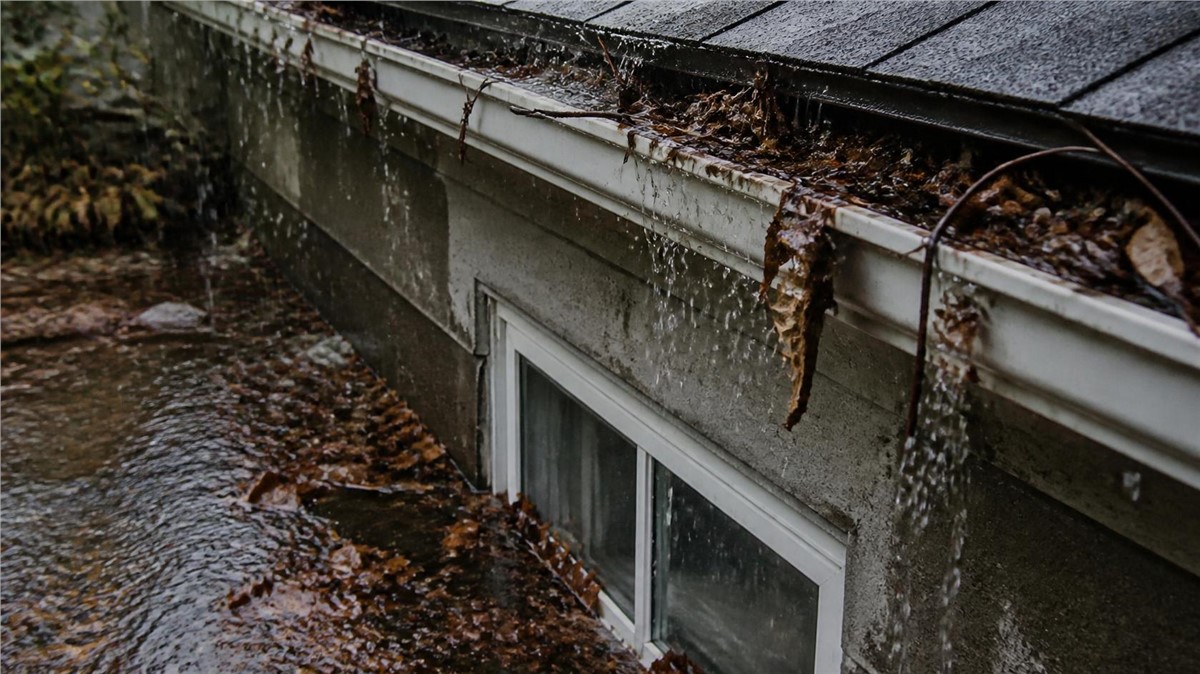
A leaking basement can be frustrating and stressful. Many homeowners first think about foundation cracks or interior waterproofing, but the cause may sometimes start outside the home. Gutters and downspouts play a major role in moving rainwater and snowmelt away from the foundation.
For homeowners in Machesney Park, IL, this is especially important because northern Illinois weather can bring heavy rain, snow, ice, wind, hail, and freeze-thaw cycles. If the gutter system is not working properly, water may collect around the home and increase the risk of basement moisture.
This guide explains how gutter problems may contribute to basement leaks, what warning signs to watch for, and when to call a contractor.
Why Gutters Matter for Basement Protection
Gutters collect water from the roof and direct it into downspouts. Downspouts then move that water away from the foundation.
When gutters work properly, they help protect:
- Foundation walls
- Basement areas
- Landscaping
- Soil around the home
- Siding
- Fascia and soffit
- Roof edges
- Walkways
When gutters fail, water may fall directly beside the home. Over time, that moisture can collect near basement walls.
How Gutters Can Contribute to Basement Leaks
Basement leaks may happen when water builds up around the foundation. If gutters are clogged, leaking, overflowing, or poorly draining, roof water may end up near basement walls.
Gutter-related causes may include:
- Clogged gutter runs
- Blocked downspouts
- Short downspout extensions
- Leaking gutter seams
- Sagging gutters
- Poor gutter slope
- Gutters pulling away
- Water running behind gutters
- Downspouts draining toward the home
If water is not being directed away, basement moisture can become more likely.
Sign 1: Water Pools Near the Foundation
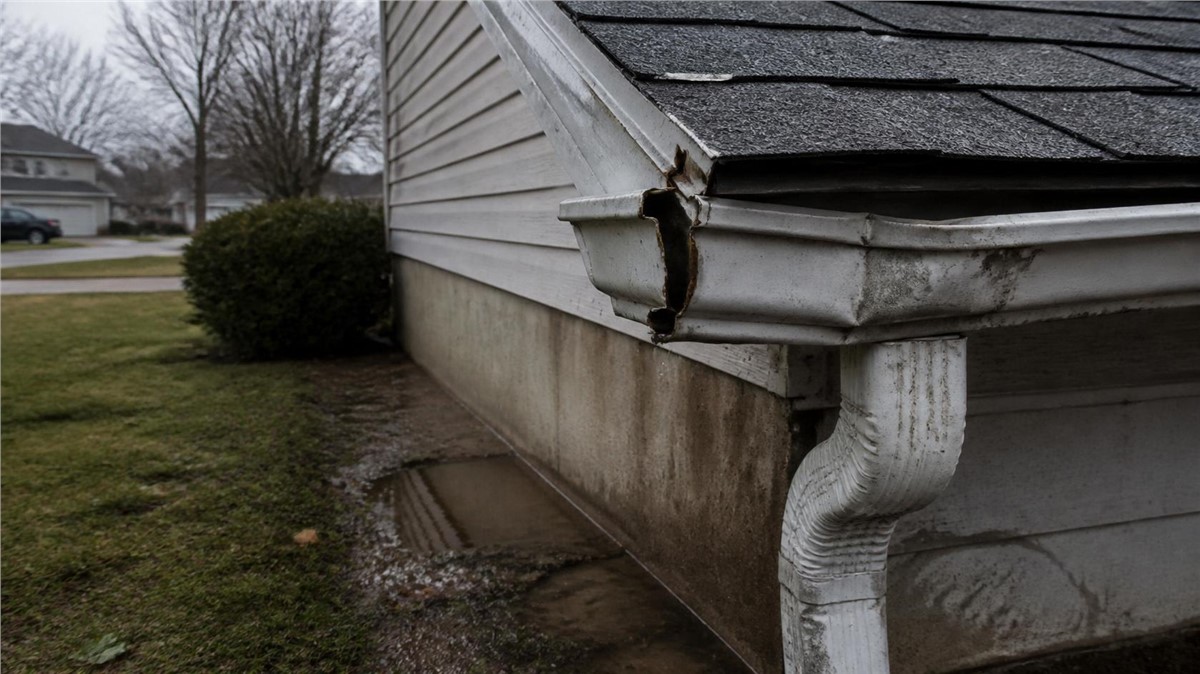
Water pooling near the foundation after rain is a major warning sign. This may happen when downspouts are too short, disconnected, clogged, or aimed toward the home.
Watch for:
- Standing water near basement walls
- Muddy areas near the foundation
- Soil erosion
- Water collecting below downspouts
- Wet landscaping beds
- Puddles after every storm
- Water flowing back toward the home
The ground around the home should help move water away from the foundation, not hold it against the wall.
Sign 2: Gutters Overflow During Rain
Overflowing gutters are one of the clearest signs that water is not draining properly. When gutters overflow, water may fall directly beside the home.
Overflow may be caused by:
- Leaves and debris
- Roof granules
- Clogged downspouts
- Poor gutter slope
- Undersized gutters
- Ice buildup
- Storm debris
- Sagging sections
If overflow happens during normal rainfall, the gutter system should be inspected.
Sign 3: Downspouts Are Too Short
Downspouts should discharge water away from the home. If they stop too close to the foundation, water may soak into the soil beside basement walls.
Short downspouts can lead to:
- Foundation pooling
- Basement moisture
- Soil erosion
- Wet landscaping
- Ice patches in winter
- Water returning toward the home
Downspout extensions may help, but the full drainage path should be checked.
Sign 4: Downspouts Are Clogged
A clogged downspout can cause water to back up into the gutter and overflow. Sometimes the gutter looks fine from the ground, but the downspout is blocked inside.
Signs of a clogged downspout include:
- Little or no water exiting during rain
- Overflow near the downspout
- Water spilling over gutter ends
- Debris at the top opening
- Ice buildup near the downspout
- Gutters staying full after rain
Downspouts should be cleared and tested as part of gutter maintenance.
Sign 5: Gutters Are Sagging
Sagging gutters can hold water instead of moving it toward downspouts. This can cause overflow, leaks, and uneven drainage.
Sagging may happen because of:
- Debris weight
- Ice buildup
- Loose hangers
- Old fasteners
- Poor installation
- Damaged fascia
- Water sitting in the gutter
If gutters sag in several places, repair or replacement may be needed.
Sign 6: Water Runs Behind the Gutters
Water should flow into the gutter, not behind it. If water runs behind the gutter, it can damage fascia, soffit, siding, and foundation areas below.
This may be caused by:
- Gutters pulling away
- Loose fasteners
- Missing drip edge
- Poor gutter placement
- Damaged roof edges
- Overflow from clogs
- Ice buildup
Water running behind gutters can create both exterior damage and basement moisture concerns.
Sign 7: Basement Leaks Appear After Storms
If basement leaks happen after heavy rain, snowmelt, or ice thawing, exterior drainage should be checked. The timing of the leak can give helpful clues.
Pay attention to:
- Whether leaks follow heavy rain
- Whether they happen during snowmelt
- Which side of the basement gets wet
- Where downspouts drain outside
- Whether gutters overflow during storms
- Whether water pools near the affected area
Matching interior leak locations with exterior drainage patterns can help find the cause.
Winter and Freeze-Thaw Problems
Machesney Park homes face snow, ice, and freeze-thaw cycles. If gutters or downspouts freeze, water may not drain properly. When snow melts, that water may spill near the foundation.
Winter drainage problems may include:
- Ice-filled gutters
- Frozen downspouts
- Icicles near roof edges
- Water backing up during thawing
- Ice patches near downspouts
- Gutters pulling away
- Water pooling after snowmelt
Winter gutter problems can contribute to basement moisture during thawing periods.
Gutters Can Also Damage Siding and Roof Edges
Even if basement leaks are the main concern, gutter problems may also affect other exterior areas.
Poor gutter drainage can lead to:
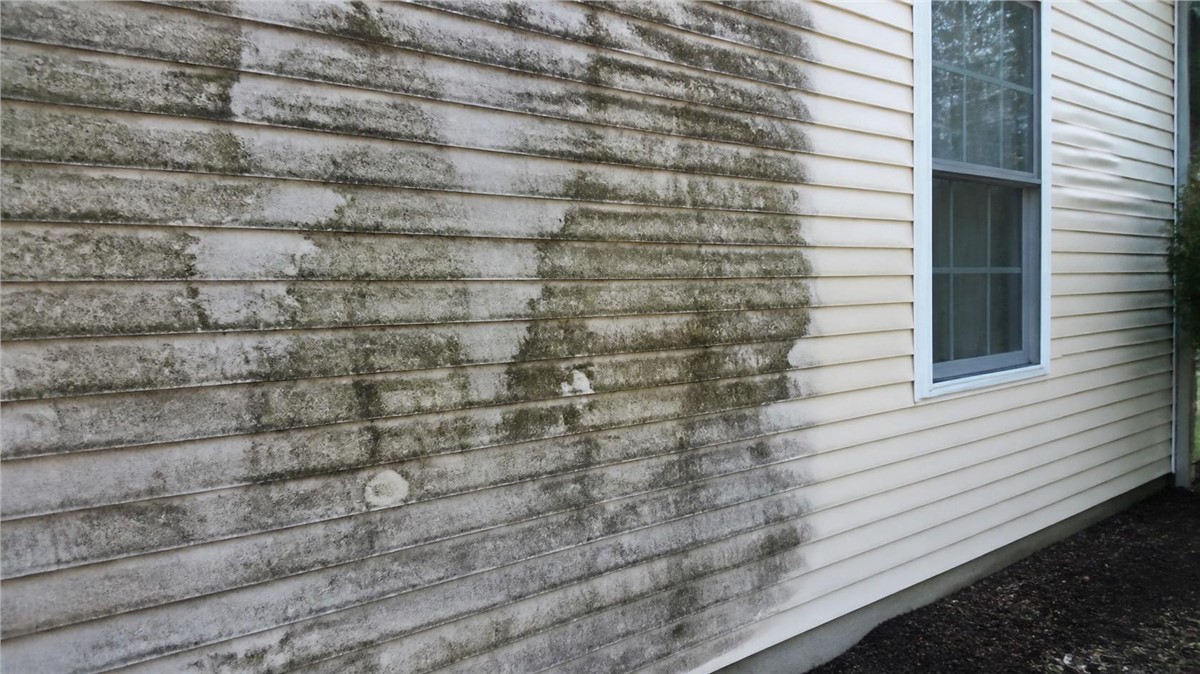
- Siding stains
- Moisture behind siding
- Fascia damage
- Soffit damage
- Roof edge leaks
- Foundation erosion
- Landscaping washout
- Window trim moisture
That is why a full exterior inspection can be helpful when basement water appears.
Other Possible Causes of Basement Leaks
Gutters are not always the only cause of basement leaks. A complete inspection may need to consider other drainage or foundation-related issues.
Other possible causes include:
- Foundation cracks
- Poor grading
- Window well problems
- Sump pump issues
- Exterior drainage problems
- Soil settling
- Hydrostatic pressure
- Plumbing leaks
Gutter issues should be checked because they are often one of the first exterior drainage problems homeowners can address.
What Homeowners Can Check Safely
Homeowners can check several warning signs from the ground.
Look for:
- Gutters overflowing during rain
- Water pooling near the foundation
- Downspouts draining too close to the home
- Sagging gutter sections
- Leaking seams
- Water stains on siding
- Soil erosion
- Wet basement areas after rain
- Ice buildup in winter
Avoid climbing ladders or walking on the roof, especially during wet or icy conditions.
When Gutter Cleaning May Be Enough
Sometimes the issue is simple debris buildup. If gutters and downspouts are otherwise in good condition, cleaning may restore proper drainage.
Cleaning may be enough if:
- Gutters are securely attached
- Downspouts drain properly
- No leaks are present
- Gutter slope is correct
- Fascia is not damaged
- Overflow stops after cleaning
- Water drains away from the foundation
If basement leaks continue after cleaning, further inspection is needed.
When Gutter Repair May Be Needed
Gutter repair may be needed when parts of the system are damaged but still mostly functional.
Repair may include:
- Resealing leaking seams
- Reattaching loose gutters
- Replacing hangers
- Adjusting slope
- Clearing downspouts
- Adding downspout extensions
- Repairing fascia
- Replacing one damaged section
Targeted repairs may help if the problem is isolated.
When Gutter Replacement May Be Better
Gutter replacement may be a better option when the system is old, damaged, undersized, or no longer draining properly.
Replacement may make sense if:
- Gutters sag in multiple areas
- Leaks keep returning
- Downspouts are poorly placed
- Gutters pull away from fascia
- Water keeps pooling near the home
- Sections are rusted, cracked, or bent
- The system is undersized
- Repairs no longer last
New gutters and proper downspout placement can help improve drainage around the home.
Should You Add Gutter Guards?
Gutter guards may help reduce debris buildup, especially if trees are close to the home. They can help limit leaves, twigs, and larger debris from entering the gutter system.
Gutter guards may be helpful if:
- Gutters clog often
- Trees hang over the roof
- Downspouts back up
- Overflow happens during storms
- Cleaning is difficult
- Debris causes repeated drainage issues
However, gutter guards do not make gutters maintenance-free. Small debris, roof granules, and ice can still affect performance.
What Should Be Included in a Gutter Inspection?
A gutter inspection should look at more than visible clogs.
A contractor may check:
- Gutter slope
- Leaking seams
- Loose fasteners
- Downspout flow
- Downspout placement
- Fascia condition
- Roof edge condition
- Water stains on siding
- Foundation drainage
- Signs of storm damage
The goal is to confirm whether the gutter system is sending water away from the home correctly.
Why a Full Exterior Inspection Helps
Basement leaks may begin with drainage problems outside the home. Roofing, gutters, siding, windows, fascia, soffit, flashing, and grading can all affect how water moves around the structure.
A full exterior inspection may include:
- Gutters and downspouts
- Roof edges
- Fascia and soffit
- Siding
- Windows and trim
- Flashing
- Foundation drainage
- Storm damage areas
- Interior moisture signs
Huskie Exteriors provides roofing, siding, window, gutter, and storm damage restoration services, helping homeowners evaluate the full exterior system.
Why Local Exterior Experience Matters
A local contractor understands how Illinois weather affects drainage and exterior systems. In Machesney Park, IL, homes need gutters that can handle heavy rain, leaves, wind, hail, snow, ice, and freeze-thaw cycles.
Local experience helps homeowners determine whether basement leaks may be connected to clogged gutters, short downspouts, roof edge issues, siding moisture, storm damage, or poor exterior drainage.
Conclusion
Basement leaks in Machesney Park, IL may be connected to gutter problems if water pools near the foundation, gutters overflow, downspouts are clogged, or drainage runs back toward the home. Gutters and downspouts should always be checked when basement moisture appears after rain or snowmelt.
If your basement is leaking and your gutters are clogged, overflowing, sagging, leaking, or draining too close to your home, Huskie Exteriors can inspect your exterior and recommend the right next step.
Contact Huskie Exteriors for professional roofing, siding, window, gutter, and storm damage services in Illinois and Wisconsin.
Subscribe to Huskie Exteriors's Blog





Comments