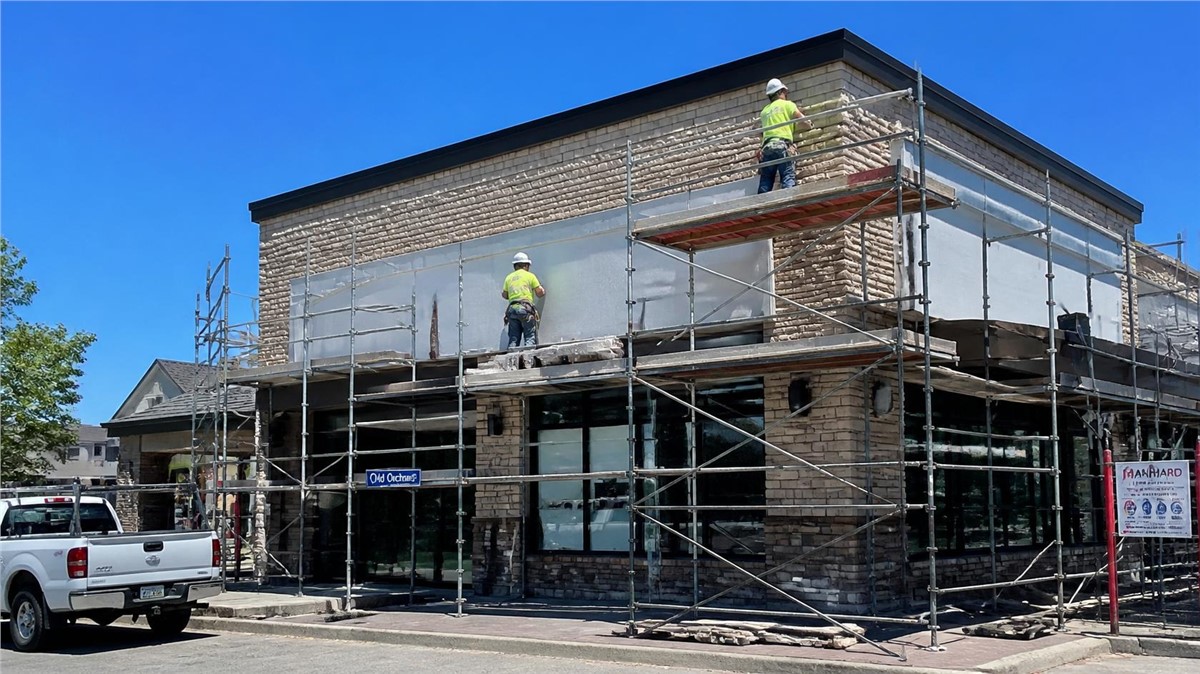
Commercial exterior repairs are not only about fixing damage. They also involve planning around tenants, employees, customers, parking, entrances, deliveries, safety, weather, and building access. That is why understanding the repair timeline matters before work begins.
For commercial property owners and managers in Old Orchard, IL, exterior repairs may involve roofing, siding, windows, gutters, flashing, fascia, soffit, trim, drainage, or storm damage restoration. Some projects are straightforward, while others require a more detailed inspection and repair plan.
This guide explains what to expect during a commercial exterior repair timeline and what factors can affect the schedule.
Why Timeline Planning Matters
Commercial exterior repairs can affect how people use the building. A roof leak, damaged siding, broken gutters, or window issue may create safety concerns or interrupt business activity.
Timeline planning helps with:
- Tenant communication
- Customer access
- Employee safety
- Parking adjustments
- Delivery coordination
- Entryway protection
- Noise expectations
- Weather planning
- Repair budgeting
- Business continuity
A clear plan helps property owners avoid confusion once the project starts.
Step 1: Initial Inspection
The first step is a professional exterior inspection. The contractor reviews the visible damage, checks related areas, and determines whether the issue is isolated or part of a larger problem.
An inspection may include:
- Roofing
- Gutters and downspouts
- Siding or wall panels
- Windows and doors
- Flashing
- Fascia and soffit
- Exterior trim
- Drainage areas
- Interior moisture signs
- Storm damage areas
The inspection helps determine the repair scope and whether temporary protection is needed.
Step 2: Damage Documentation
Documentation is especially important for commercial buildings. It helps property owners understand what was found and may be useful for insurance, maintenance records, tenant updates, or internal approvals.
Documentation may include:
- Photos of exterior damage
- Notes on leak locations
- Interior water stain photos
- Storm date notes if applicable
- Drainage concerns
- Material condition
- Recommended repair areas
Clear documentation helps support better decision-making before repairs begin.
Step 3: Temporary Protection if Needed
Some commercial exterior damage needs temporary protection before permanent repairs can be completed. This may be necessary if water is entering the building or materials are loose.
Temporary steps may include:
- Tarping exposed roof areas
- Securing loose materials
- Blocking off unsafe areas
- Redirecting water where possible
- Protecting interior areas
- Removing loose debris
- Marking wet or hazardous areas
Temporary protection is not a final repair, but it can help reduce additional damage while the project is planned.
Step 4: Repair Scope and Estimate
After inspection, the contractor prepares a repair scope and estimate. This should explain what needs to be repaired, what materials are needed, and what factors may affect timing.
A commercial exterior repair estimate may include:
- Inspection findings
- Repair locations
- Material recommendations
- Labor requirements
- Access needs
- Safety planning
- Moisture concerns
- Cleanup details
- Timeline expectations
- Warranty information
A good estimate should explain the project clearly, not just list a price.
Step 5: Approval and Scheduling
Once the scope is reviewed, the project can be scheduled. Commercial scheduling may take extra coordination, especially if the building is occupied.
Scheduling may need to consider:
- Tenant hours
- Customer traffic
- Parking lot access
- Entryways
- Loading zones
- Weather conditions
- Material delivery
- Lift or equipment availability
- Business operations
For active commercial properties, repair timing should be planned to reduce disruption where possible.
Step 6: Material Ordering
Material availability can affect the repair timeline. Common materials may be available quickly, while specialty siding, windows, commercial roofing materials, custom trim, or matching products may take longer.
Material timing may depend on:
- Product type
- Color matching
- Special orders
- Window sizes
- Siding profile
- Roofing material
- Gutter size
- Commercial-grade components
- Supplier availability
If matching older materials is difficult, the contractor may recommend replacing a larger section for a cleaner result.
Step 7: Site Preparation
Before repair work begins, the contractor may prepare the site for safety and access.
Site preparation may include:
- Setting up ladders or lifts
- Protecting walkways
- Marking work zones
- Moving outdoor items
- Coordinating parking areas
- Protecting landscaping
- Covering interior areas near leaks
- Communicating access changes
This step helps protect tenants, employees, customers, and workers.
Roofing Repair Timeline
Commercial roofing repairs can vary widely depending on the roof type and damage.
Small roof repairs may involve:
- Patching membrane damage
- Repairing flashing
- Replacing damaged shingles
- Fixing roof penetrations
- Sealing leak areas
- Clearing drainage issues
Larger roof projects may involve:
- Removing damaged materials
- Replacing wet insulation
- Repairing decking
- Replacing roof sections
- Improving drainage
- Addressing storm damage
Weather is an important factor because roofing work may need dry conditions.
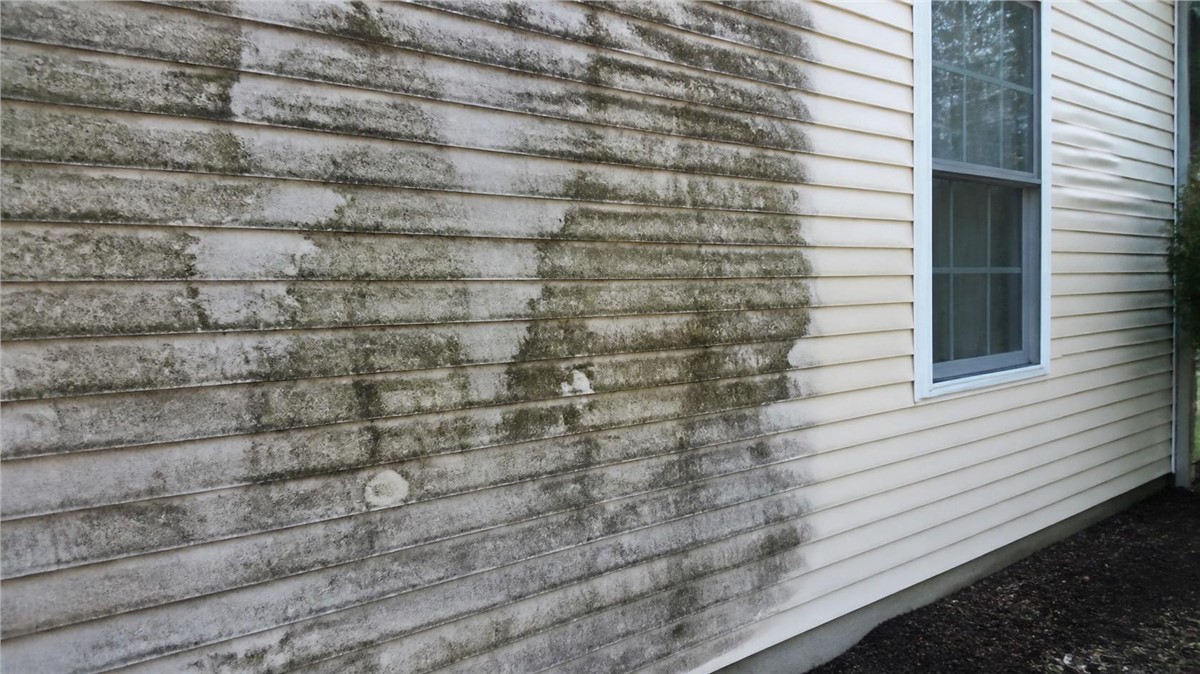
Siding Repair Timeline
Commercial siding or wall panel repairs depend on material type, damage severity, and matching availability.
Siding repairs may include:
- Replacing cracked panels
- Securing loose sections
- Repairing trim
- Correcting flashing
- Addressing moisture behind siding
- Replacing damaged wall sections
If hidden moisture damage is found, the timeline may increase because the wall system behind the siding may need repair before new siding is installed.
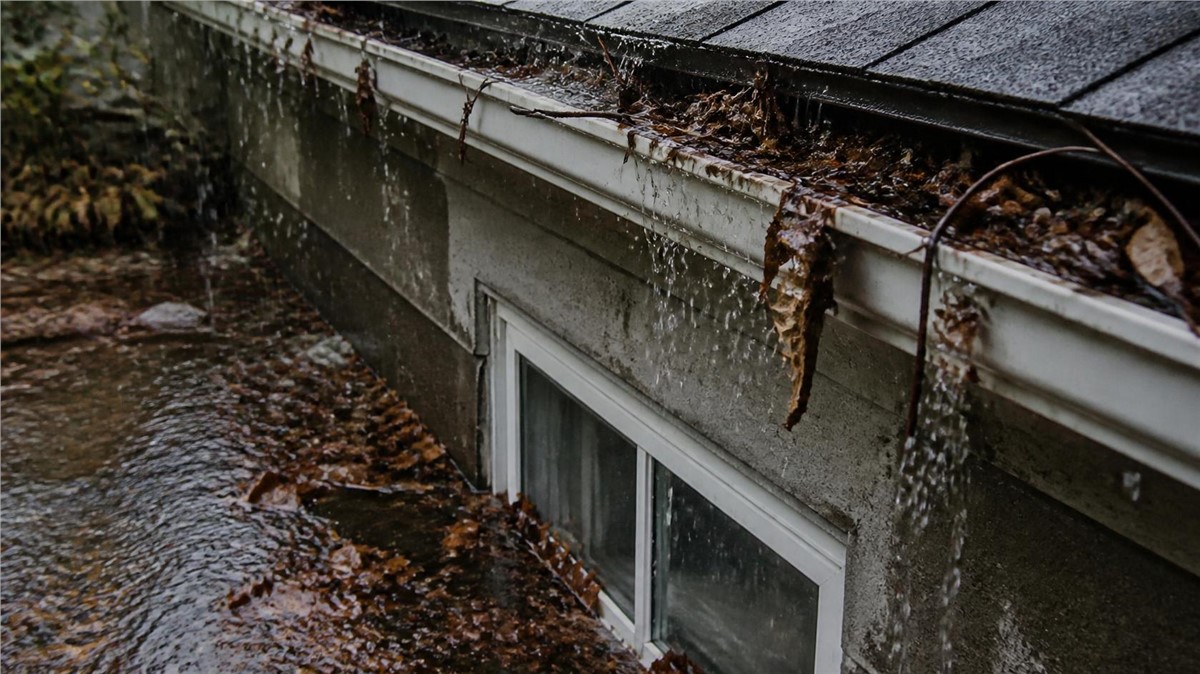
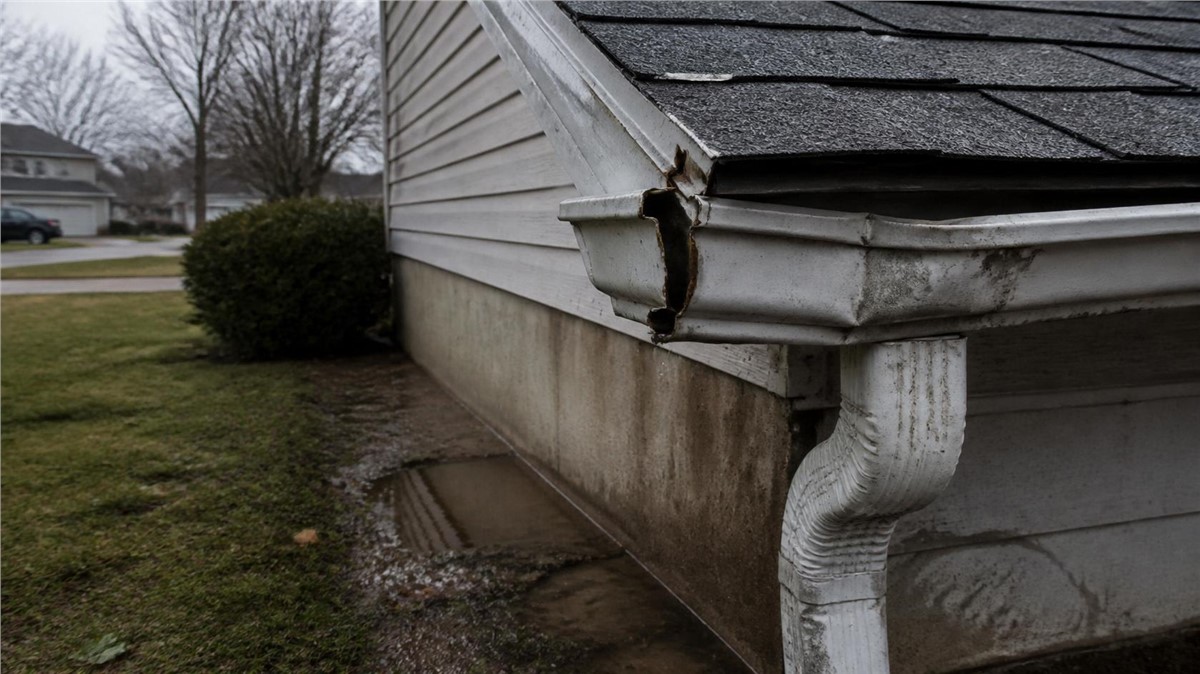
Gutter and Downspout Repair Timeline
Gutter and downspout repairs are often quicker than larger roof or siding projects, but they still require proper planning.
Gutter work may include:
- Reattaching loose sections
- Replacing damaged runs
- Repairing leaks
- Adjusting slope
- Replacing downspouts
- Improving drainage
- Adding gutter guards
- Repairing fascia
If gutters have damaged fascia or soffit behind them, additional exterior repair may be needed.
Window and Door Repair Timeline
Commercial window and door repairs may take longer if custom glass, frames, or trim are needed.
Window-related repairs may include:
- Replacing cracked glass
- Repairing damaged frames
- Replacing failed window units
- Fixing flashing
- Repairing trim
- Sealing gaps
- Addressing water stains
- Replacing storm-damaged screens
If water entered around a window, siding and wall materials nearby should also be checked.
Storm Damage Timeline
Storm damage projects can take longer because several exterior systems may be affected at once. Hail, wind, and heavy rain can damage roofing, siding, gutters, windows, flashing, fascia, soffit, and trim during the same event.
Storm damage timelines may include:
- Initial inspection
- Documentation
- Temporary protection
- Insurance coordination if needed
- Material matching
- Repair approval
- Scheduling
- Final repairs
If insurance is involved, homeowners and property owners should follow their provider’s claim process and deadlines.
Weather Can Affect the Schedule
Exterior repair timelines depend heavily on weather. Rain, snow, ice, high wind, extreme cold, or unsafe conditions may delay certain repairs.
Weather can affect:
- Roofing work
- Sealants
- Flashing repairs
- Window installation
- Siding repairs
- Lift operation
- Material handling
- Cleanup
A realistic timeline should allow for weather adjustments, especially in Illinois.
Tenant and Customer Access
Commercial repairs should be planned around the people using the building. Access planning helps prevent confusion and keeps work zones safer.
Access planning may include:
- Keeping main entrances open when possible
- Marking alternate entrances
- Protecting sidewalks
- Adjusting parking spaces
- Coordinating delivery areas
- Notifying tenants
- Scheduling noisy work carefully
- Keeping debris away from public areas
Good communication helps reduce disruption during repairs.
What Can Delay Commercial Exterior Repairs?
Some delays are avoidable, while others are related to weather, materials, or hidden damage.
Common timeline delays include:
- Bad weather
- Material backorders
- Custom window or siding orders
- Hidden moisture damage
- Structural repairs
- Insurance review
- Access challenges
- Permit requirements if applicable
- Tenant scheduling conflicts
A contractor should communicate any changes as early as possible.
Final Walkthrough and Cleanup
Once repairs are complete, the contractor should review the work area and clean up debris.
A final walkthrough may include:
- Reviewing completed repairs
- Checking drainage
- Confirming exterior sealing
- Inspecting repaired areas
- Removing debris
- Cleaning work zones
- Answering owner questions
- Reviewing warranty information
This step helps property owners confirm that the project was completed as planned.
How Property Owners Can Prepare
Commercial property owners can help the project move more smoothly by preparing ahead.
Helpful steps include:
- Share access instructions
- Notify tenants or staff
- Move vehicles from work zones
- Clear outdoor storage areas
- Provide interior access if leaks are involved
- Document existing damage
- Review the estimate carefully
- Ask about expected timeline and weather delays
Clear communication makes the repair process easier for everyone involved.
Repair vs Replacement
Sometimes a repair is enough. Other times, replacement may be more practical.
Repair may make sense if:
- Damage is isolated
- Materials are still in good condition
- Moisture damage is limited
- Matching materials are available
- The system is still performing well
Replacement may be better if:
- Damage is widespread
- Repairs keep returning
- Materials are old or brittle
- Moisture damage is present
- Storm damage affects multiple areas
- Existing materials are hard to match
- The system no longer protects the building properly
A professional inspection helps determine the best path.
Why a Full Exterior Inspection Helps
Commercial exterior problems are often connected. A roof leak may involve flashing or gutters. Siding stains may be caused by drainage. Window leaks may involve flashing, trim, or wall panels.
A full exterior inspection may include:
- Roofing
- Siding or wall panels
- Gutters and downspouts
- Windows and doors
- Flashing
- Fascia and soffit
- Trim
- Drainage areas
- Interior moisture signs
- Storm damage areas
Huskie Exteriors provides roofing, siding, window, gutter, and storm damage restoration services, helping commercial property owners evaluate the full exterior system.
Why Local Exterior Experience Matters
A local contractor understands how Illinois weather affects commercial buildings. In Old Orchard, IL, exterior systems must handle heavy rain, wind, hail, snow, ice, humidity, and freeze-thaw cycles.
Local experience helps property owners understand how damage, access, weather, materials, drainage, and business operations can affect the commercial repair timeline.
Conclusion
A commercial exterior repair timeline in Old Orchard, IL depends on inspection findings, damage severity, material availability, access, weather, business operations, tenant needs, and whether the project involves roofing, siding, gutters, windows, flashing, fascia, soffit, or storm damage. Small repairs may move quickly, while larger projects require more planning and coordination.
If your commercial property has roof leaks, siding damage, gutter problems, window issues, storm damage, drainage concerns, or exterior wear, Huskie Exteriors can inspect the building and recommend the right next step.
Contact Huskie Exteriors for professional roofing, siding, window, gutter, and storm damage services in Illinois and Wisconsin.
Subscribe to Huskie Exteriors's Blog





Comments