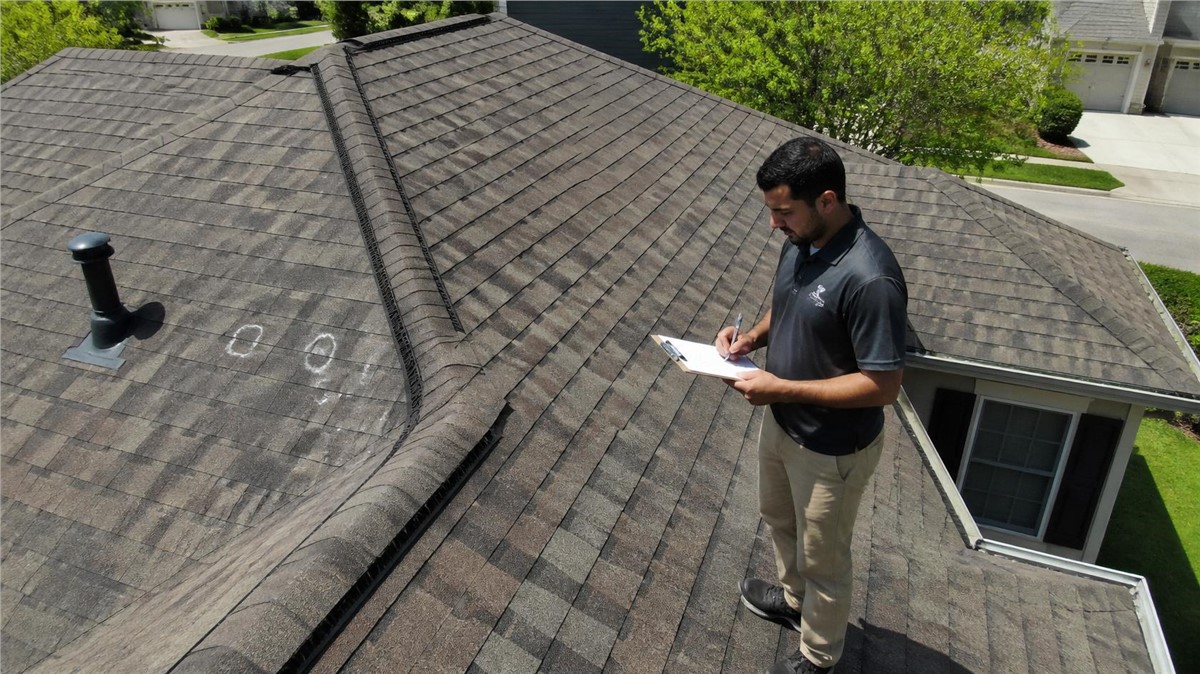
Selling a home comes with many details, and the roof is one of the biggest items buyers notice. A roof that looks worn, damaged, or neglected can raise questions during showings, buyer inspections, appraisals, and negotiations.
For homeowners in Stillman Valley, IL, a roof inspection before selling can be especially helpful because northern Illinois weather brings wind, hail, heavy rain, snow, ice, humidity, and freeze-thaw cycles. These conditions can affect shingles, flashing, gutters, roof edges, attic ventilation, and drainage.
This guide explains why a roof inspection matters before selling, what contractors look for, and how sellers can prepare.
Why Inspect the Roof Before Selling?
A roof inspection helps sellers understand the condition of the roof before buyers do. This gives homeowners time to address concerns instead of reacting under pressure during the sale process.
A pre-listing roof inspection can help identify:
- Missing shingles
- Curling or cracked shingles
- Roof leaks
- Flashing problems
- Hail or wind damage
- Soft roof areas
- Gutter issues
- Ventilation concerns
- Roof age concerns
- Interior moisture signs
Knowing these issues early can make the selling process smoother.
Buyers Pay Attention to the Roof
Buyers often see the roof as a major expense. Even if the rest of the home looks good, visible roof problems may create hesitation.
Buyers may notice:
- Stained shingles
- Missing shingles
- Sagging areas
- Moss or algae
- Granules in gutters
- Damaged gutters
- Water stains indoors
- Old roof appearance
A clean inspection or completed repair record can help answer buyer questions with more confidence.
What a Roof Inspection Can Reveal
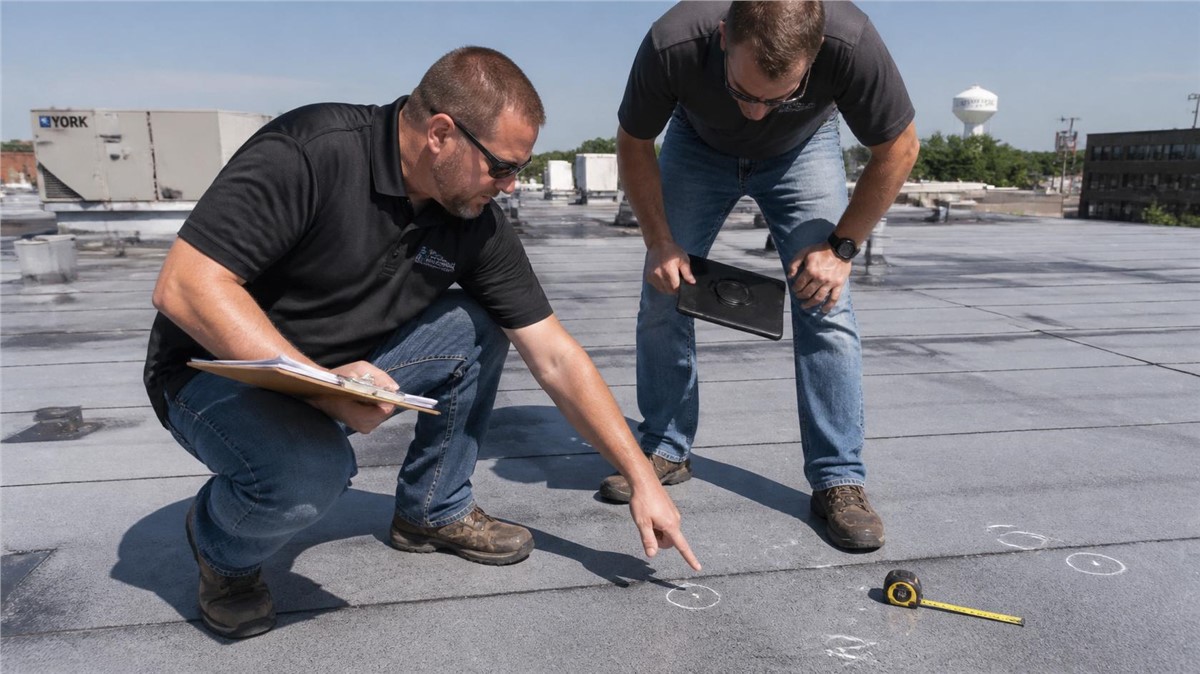
A professional roof inspection looks beyond the surface. The goal is to determine whether the roof is protecting the home properly.
An inspection may reveal:
- Storm damage
- Aging shingles
- Loose flashing
- Damaged roof vents
- Failed pipe boots
- Roof edge problems
- Gutter overflow
- Attic moisture
- Ceiling stains
- Ventilation issues
Some problems are easy to miss from the ground, which is why a contractor’s inspection can be valuable.
Sign 1: Missing or Damaged Shingles
Missing, cracked, curled, or lifted shingles can make buyers question the roof’s condition. These issues may also allow water to reach underlayment or decking.
Shingle concerns include:
- Missing shingles
- Cracked shingles
- Curling edges
- Lifted tabs
- Bald spots
- Heavy granule loss
- Uneven aging
- Damaged ridge caps
If shingle damage is limited, repair may be possible before listing.
Sign 2: Roof Leaks or Ceiling Stains
Interior water stains are a major buyer concern. Even if a leak happened in the past, buyers may want to know whether the issue was repaired properly.
Warning signs include:
- Brown ceiling stains
- Bubbling paint
- Damp drywall
- Musty odors
- Stains near exterior walls
- Wet attic insulation
- Water marks around vents or chimneys
Sellers should not ignore stains. The source should be inspected and documented.
Sign 3: Flashing Problems
Flashing protects areas where water is more likely to enter. Damaged flashing can cause leaks even when shingles appear fine.
Flashing should be checked around:
- Chimneys
- Skylights
- Roof valleys
- Dormers
- Vent pipes
- Wall transitions
- Roof edges
Loose, rusted, bent, or poorly sealed flashing may need repair before selling.
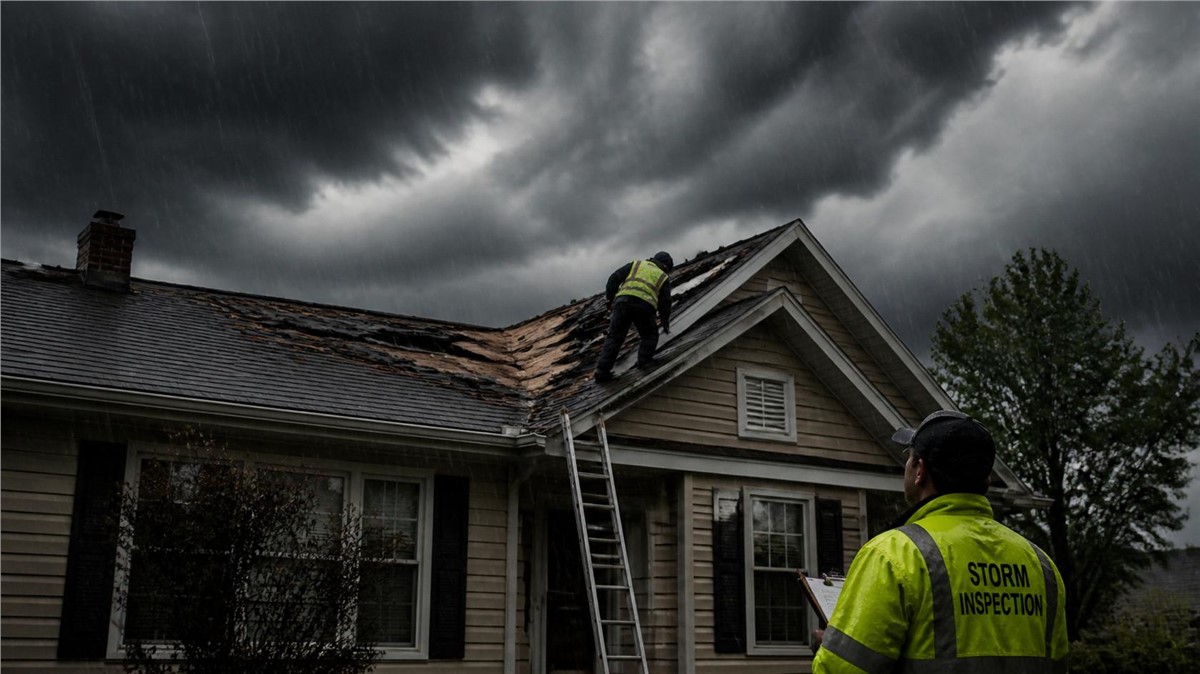
Sign 4: Storm Damage
Stillman Valley homes may experience hail, wind, and heavy rain. Storm damage is not always obvious, especially if it affects shingles, vents, flashing, or gutters.
Storm-related roof concerns include:
- Hail bruising
- Dented vents
- Missing shingles
- Lifted shingles
- Damaged ridge caps
- Granules in gutters
- Dented gutters
- Loose flashing
If a major storm recently passed through the area, a roof inspection can help sellers understand whether damage is present.
Sign 5: Gutter and Downspout Problems
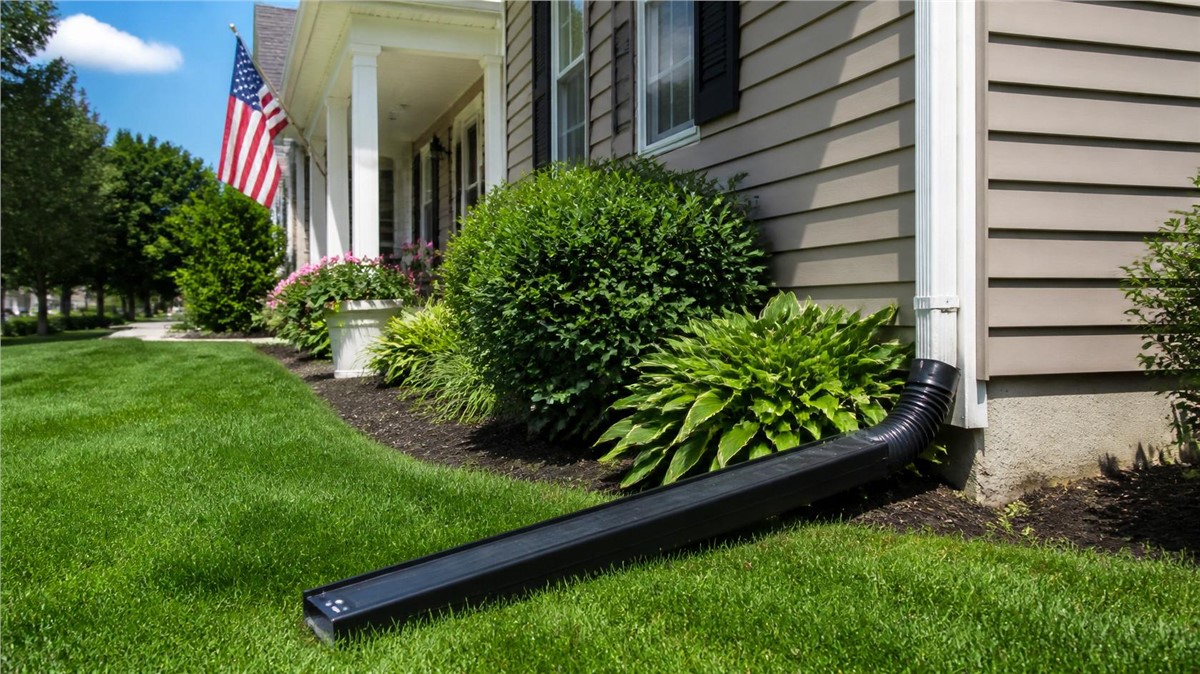
Gutters help protect the roof edge, siding, fascia, soffit, foundation, and landscaping. Buyers may notice gutter issues during showings or inspections.
Gutter concerns include:
- Sagging gutters
- Leaking seams
- Clogged downspouts
- Water stains below gutters
- Gutters pulling away
- Overflow during rain
- Short downspouts
- Fascia damage
Gutter problems can suggest poor drainage or delayed maintenance.
Sign 6: Roof Ventilation Concerns
Attic ventilation affects roof performance. Poor ventilation can trap heat and moisture, which may contribute to shingle wear, condensation, attic moisture, or ice-related issues.
Ventilation warning signs include:
- Hot attic air
- Rusted nails
- Dark roof decking
- Musty attic odors
- Wet insulation
- Mold or mildew concerns
- Ice buildup near eaves
- Premature shingle wear
If ventilation concerns are found, sellers can decide whether repairs should be made before listing.
Sign 7: Roof Age
Roof age matters to buyers. Even if the roof is not actively leaking, an older roof can become a negotiation point.
Roof age questions may include:
- When was the roof installed?
- What material was used?
- Has it had repairs?
- Was storm damage repaired?
- Are warranties available?
- Has the roof been inspected recently?
Sellers should gather roof records, invoices, warranties, and maintenance documentation if available.
Repair Before Listing or Sell As-Is?
Some sellers choose to repair roof issues before listing. Others disclose known problems and sell as-is. The right choice depends on the roof condition, budget, timeline, and selling strategy.
Repairing before listing may help if:
- Damage is minor
- Repairs are affordable
- Buyer confidence matters
- The roof issue is visible
- The repair can be documented
- The home is expected to attract inspection-conscious buyers
Selling as-is may be considered if:
- The roof needs major replacement
- The seller prefers not to manage repairs
- The price reflects the condition
- The buyer understands the issue
- The sale timeline is urgent
A contractor’s inspection helps sellers compare options.
Roof Repair vs Roof Replacement Before Selling
Not every roof issue requires replacement. Some concerns can be addressed with targeted repairs.
Repair may make sense if:
- A few shingles are missing
- One flashing area is leaking
- Pipe boots are damaged
- Gutters need reattachment
- Roof damage is isolated
- The rest of the roof is in good condition
Replacement may be better if:
- Shingles are failing throughout
- Leaks keep returning
- Decking is damaged
- Storm damage is widespread
- The roof is near the end of its life
- Repairs would not satisfy buyer concerns
A professional inspection can help sellers decide what makes sense before listing.
How a Roof Inspection Can Help Negotiations
A roof inspection can give sellers useful information before buyer negotiations begin. If repairs are completed, sellers may be able to provide documentation. If repairs are not completed, sellers can price or disclose the issue more clearly.
An inspection report may help with:
- Pre-listing planning
- Repair decisions
- Buyer questions
- Inspection response
- Pricing conversations
- Disclosure preparation
- Insurance considerations if storm damage is involved
A roof inspection does not remove every negotiation, but it can reduce surprises.
What Sellers Should Prepare
Before a roof inspection, homeowners can gather helpful information.
Useful items include:
- Roof installation date
- Past repair invoices
- Warranty paperwork
- Storm damage records
- Insurance claim history
- Photos of previous repairs
- Notes about leaks
- Attic access information
These details help the contractor understand the roof’s history.
What Homeowners Can Check Safely
Homeowners can safely review visible signs from the ground and inside the home.
Look for:
- Missing shingles
- Shingle granules near downspouts
- Dented gutters
- Water stains on ceilings
- Musty attic odors
- Sagging gutters
- Damaged siding near roof edges
- Peeling paint near ceilings
- Loose fascia or soffit
Avoid climbing onto the roof, especially if shingles are wet, icy, steep, or damaged.
Should Gutters, Siding, and Windows Be Checked Too?
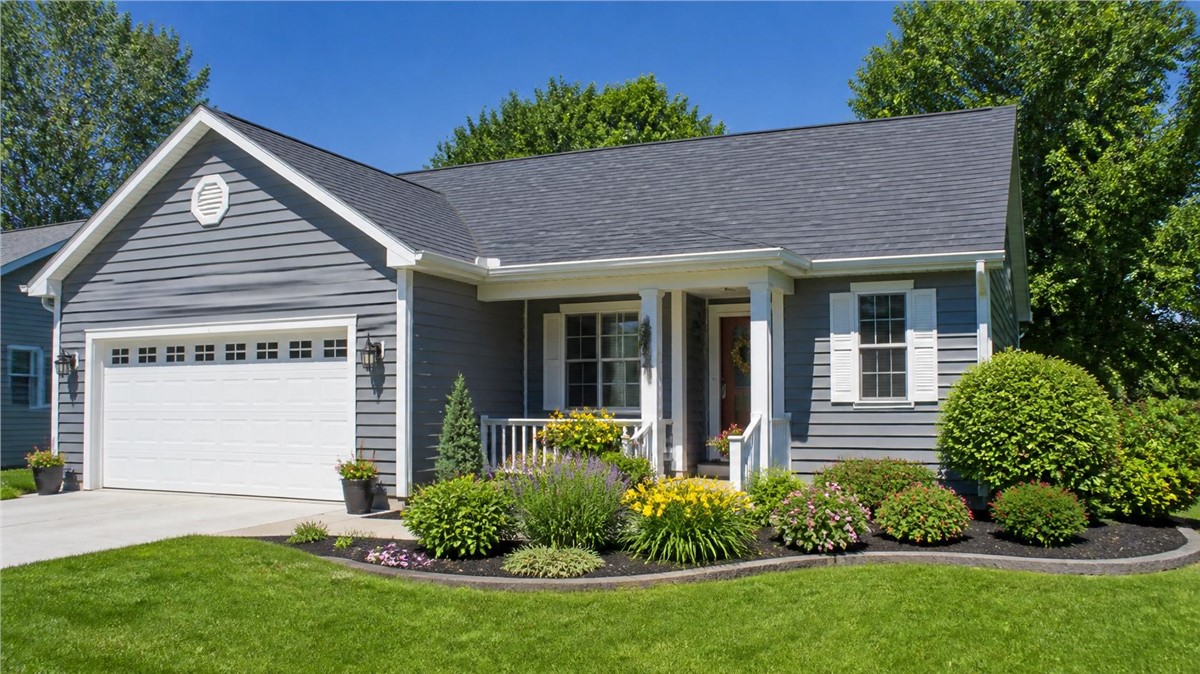
Yes. Buyers often look at the whole exterior, not only the roof. A roof inspection before selling is a good time to check related systems.
Exterior areas to review include:
- Gutters and downspouts
- Fascia and soffit
- Siding
- Windows and trim
- Flashing
- Roof vents
- Chimney areas
- Foundation drainage
A strong exterior presentation can help reduce buyer concerns during showings and inspections.
Storm Damage and Insurance Before Selling
If the roof has storm damage, sellers should contact their insurance provider to understand coverage, claim deadlines, documentation requirements, deductibles, and the claim process.
Helpful documentation may include:
- Storm date notes
- Photos of visible damage
- Contractor inspection findings
- Interior water stain photos
- Repair invoices
- Adjuster notes
Every policy is different, so sellers should follow guidance from their insurance provider.
What Should Be Included in a Roof Inspection Report?
A roof inspection report should clearly explain the condition of the roof and any recommended next steps.
It may include:
- Shingle condition
- Flashing condition
- Roof vent condition
- Gutter and roof edge notes
- Storm damage findings
- Leak concerns
- Attic moisture signs
- Repair recommendations
- Replacement considerations
- Photos of problem areas
Clear documentation helps sellers make informed decisions.
Why a Full Exterior Inspection Helps
Roof condition is connected to the rest of the home’s exterior. Gutters, siding, windows, fascia, soffit, trim, flashing, and drainage can all affect how water moves around the property.
A full exterior inspection may include:
- Roofing
- Gutters and downspouts
- Siding
- Windows and trim
- Flashing
- Fascia and soffit
- Attic moisture signs
- Interior water stains
- Storm damage areas
Huskie Exteriors provides roofing, siding, window, gutter, and storm damage restoration services, helping homeowners evaluate the full exterior system before selling.
Why Local Exterior Experience Matters
A local contractor understands how Illinois weather affects home exteriors. In Stillman Valley, IL, roofs must handle hail, wind, heavy rain, snow, ice, humidity, heat, and freeze-thaw cycles.
Local experience helps sellers understand whether roofing concerns are caused by storm damage, aging shingles, flashing problems, gutter overflow, ventilation issues, or hidden moisture.
Conclusion
A roof inspection before selling a home in Stillman Valley, IL can help homeowners understand the roof’s condition before buyers, inspectors, or appraisers raise concerns. The inspection may reveal damaged shingles, leaks, flashing problems, storm damage, gutter issues, ventilation concerns, or roof age concerns that could affect the sale process.
If you are preparing to sell your home and want to check the roof, gutters, siding, windows, or storm damage areas before listing, Huskie Exteriors can inspect your exterior and recommend the right next step.
Contact Huskie Exteriors for professional roofing, siding, window, gutter, and storm damage services in Illinois and Wisconsin.
Subscribe to Huskie Exteriors's Blog




Comments