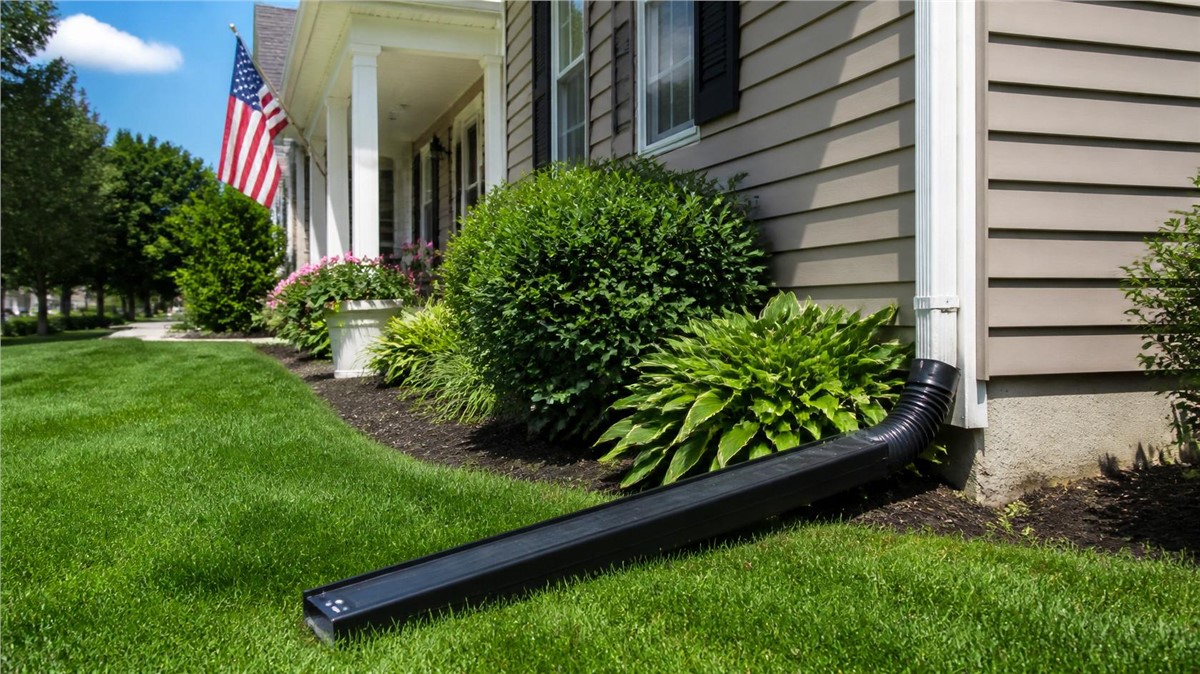
Gutters collect water from the roof, but downspouts decide where that water goes next. If downspouts release water too close to the home, roof runoff can collect near the foundation, splash against siding, damage landscaping, and create moisture problems over time.
For homeowners in Oregon, IL, downspout extensions are especially helpful because northern Illinois weather can bring heavy rain, snowmelt, ice, wind, hail, and freeze-thaw cycles. A simple drainage issue during fall or spring can become a bigger moisture problem during winter thawing or repeated storms.
This guide explains why downspout extensions matter, what warning signs to watch for, and when drainage improvements should be part of a full exterior inspection.
What Are Downspout Extensions?
Downspout extensions are added to the bottom of downspouts to carry water farther away from the home. They can be simple above-ground extensions, splash blocks, flexible extensions, buried drain lines, or more customized drainage solutions.
Their main purpose is simple: move water away from the foundation.
A good downspout extension helps protect:
- Foundation walls
- Basement areas
- Siding
- Landscaping
- Walkways
- Driveways
- Fascia and soffit
- Roof edges
- Soil around the home
The right setup depends on the home’s layout, grading, gutters, and drainage paths.
Why Downspout Extensions Matter
Without a proper extension, water may drain directly beside the foundation. Over time, this can saturate soil and increase the chance of moisture entering the basement or crawl space.
Poor downspout drainage may lead to:
- Water pooling near the home
- Basement moisture
- Foundation staining
- Soil erosion
- Mulch washout
- Siding stains
- Ice patches in winter
- Wet walkways
- Landscaping damage
A small extension can help prevent roof water from collecting where it does not belong.
Sign 1: Water Pools Near the Foundation
Standing water near the foundation after rain is one of the clearest signs that downspouts may need attention.
Watch for:
- Puddles near basement walls
- Wet mulch beds
- Soft soil near the home
- Muddy areas below downspouts
- Water flowing back toward the foundation
- Pooling after snowmelt
- Damp areas that stay wet for days
The goal is to move water away before it soaks into the soil near the home.
Sign 2: Basement Moisture After Rain
If basement moisture appears after storms, downspouts should be checked. Water that exits too close to the home can increase moisture pressure around basement walls.
Warning signs include:
- Damp basement corners
- Musty odors
- Water stains near walls
- Moisture after heavy rain
- Wet floors near exterior walls
- Efflorescence on basement surfaces
- Repeated moisture in the same area
Downspout extensions may not solve every basement leak, but they are an important part of exterior drainage.
Sign 3: Soil Erosion
When downspouts release water with force, they can wash away soil, mulch, and landscaping. This can create low spots that hold even more water near the foundation.
Erosion signs include:
- Exposed soil
- Washed-out mulch
- Trenches below downspouts
- Sunken landscaping areas
- Bare spots near the home
- Gravel or soil moved after storms
Correcting erosion and extending downspouts can help control water flow.
Sign 4: Siding Stains Near Downspouts
Poor downspout drainage can splash dirt, water, and debris onto siding. Over time, this can leave stains or contribute to mildew growth.
Look for:
- Dirt marks near lower siding
- Dark stains below gutters
- Mildew near downspouts
- Water marks on trim
- Splashback near foundation walls
- Peeling paint on nearby trim
If siding stains keep returning, the drainage path should be reviewed.
Sign 5: Ice Buildup in Winter
In Oregon, IL, winter drainage matters. When downspouts empty onto walkways, driveways, or shaded areas, water can freeze and create slick surfaces.
Winter problems may include:
- Ice patches near downspouts
- Frozen walkways
- Ice near entrances
- Downspout discharge freezing
- Water backing up during thawing
- Gutters pulling away from ice weight
A better drainage path can help reduce ice buildup near areas people use.
Short Downspouts Can Cause Problems
A downspout that ends right at the foundation may not move water far enough away. Even if the gutter is clean, water may still collect beside the home.
Short downspouts can contribute to:
- Foundation pooling
- Basement moisture
- Landscaping washout
- Siding splashback
- Soil settling
- Ice near the home
Adding an extension can be a simple improvement when the rest of the gutter system is working.
Downspout Direction Matters
Extensions should carry water away from the home, not toward another problem area. Water should not be directed toward a neighbor’s property, walkways, basement windows, driveway low spots, or areas where it will flow back.
Good placement should consider:
- Foundation distance
- Yard slope
- Walkways
- Driveways
- Landscaping
- Window wells
- Neighboring properties
- Freeze-prone areas
- Drainage paths after heavy rain
The extension should solve the problem, not move it somewhere else.
Above-Ground Extensions
Above-ground downspout extensions are common because they are simple and easy to install. They can be made from metal, vinyl, plastic, or flexible materials.
Benefits may include:
- Simple installation
- Easy inspection
- Easy cleaning
- Affordable improvement
- Visible water direction
- Flexible placement options
The main drawback is that above-ground extensions may need to be moved for mowing, landscaping, or foot traffic.
Splash Blocks
Splash blocks sit under the downspout and help guide water away from the foundation. They are simple, but they may not move water far enough if the yard has poor slope or heavy runoff.
Splash blocks may work when:
- The ground slopes away from the home
- Water volume is moderate
- The downspout location is not problem-prone
- Basement moisture is not present
- The block stays properly positioned
If splash blocks shift, sink, or send water back toward the home, a longer extension may be needed.
Buried Drain Lines
Buried drain lines can move water away without visible above-ground extensions. They may be helpful for high-traffic areas, landscaped spaces, or downspouts near walkways.
However, buried lines must be installed correctly. Problems can happen if they clog, freeze, collapse, or discharge water in the wrong area.
Buried drainage should consider:
- Proper slope
- Outlet location
- Cleanout access
- Soil conditions
- Freezing concerns
- Yard grading
- Future maintenance
A contractor can help determine whether a buried option makes sense.
Gutters Must Work First
Downspout extensions only help if the gutters and downspouts above them are working. If gutters are clogged, sagging, leaking, or overflowing, extensions will not fix the full drainage problem.
Before adding extensions, check for:
- Clogged gutters
- Blocked downspouts
- Leaking seams
- Sagging sections
- Poor gutter slope
- Gutters pulling away
- Damaged fascia
- Overflow during rain
The full gutter system should move water smoothly from the roof to the ground.
Roof and Gutter Problems Can Affect Drainage
Drainage problems may start higher up on the home. Damaged roof edges, missing drip edge, clogged gutters, or loose fascia can cause water to miss the gutter system entirely.
Warning signs include:
- Water running behind gutters
- Fascia stains
- Soffit moisture
- Roof edge leaks
- Gutters separating from the home
- Shingle granules in gutters
- Ice near eaves
If water is not entering the gutter correctly, downspout extensions alone will not solve the issue.
When Downspout Extensions May Not Be Enough
Extensions are helpful, but they are not a complete solution for every water problem. Some homes may need additional drainage or exterior repairs.
More work may be needed if:
- The yard slopes toward the home
- Gutters overflow during rain
- Downspouts are clogged
- Foundation cracks are present
- Window wells collect water
- Basement leaks continue
- Soil has settled around the home
- Water pools in several areas
A full exterior inspection can help identify the real cause.
Maintenance Tips for Downspout Extensions
Downspout extensions should be checked regularly, especially after storms, leaf fall, and winter weather.
Helpful maintenance steps include:
- Make sure extensions are attached
- Clear leaves and debris
- Check for cracks or damage
- Confirm water flows away
- Reposition shifted splash blocks
- Watch for erosion
- Remove ice blockages safely
- Check after heavy rain
Small adjustments can help keep the system working properly.
What Homeowners Can Check Safely
Homeowners can inspect many drainage issues from the ground.
Look for:
- Water pooling near the home
- Downspouts ending too close
- Extensions disconnected
- Soil erosion
- Stains on siding
- Wet basement areas
- Ice near walkways
- Gutters overflowing during rain
- Downspouts releasing little water
Take photos during or right after rain if drainage problems are visible.
What Should Be Included in a Drainage Inspection?
A drainage inspection should review how water moves from the roof to the ground and away from the home.
A contractor may check:
- Gutters
- Downspouts
- Downspout extensions
- Drainage direction
- Yard slope near the home
- Foundation pooling
- Fascia and soffit
- Siding stains
- Roof edge condition
- Basement moisture signs
The goal is to make sure water is being managed correctly at every stage.
Repair vs Improvement
Sometimes the issue is a damaged gutter system. Other times, the gutter system works but needs better drainage at the ground level.
Repair may be needed if:
- Gutters are leaking
- Downspouts are clogged
- Gutters are sagging
- Fascia is damaged
- Sections are pulling away
- Downspouts are cracked
A drainage improvement may be enough if:
- Gutters work properly
- Water exits too close to the foundation
- The yard can direct water away
- Extensions are missing or too short
- Splashback is the main issue
A professional inspection helps determine which solution fits the home.
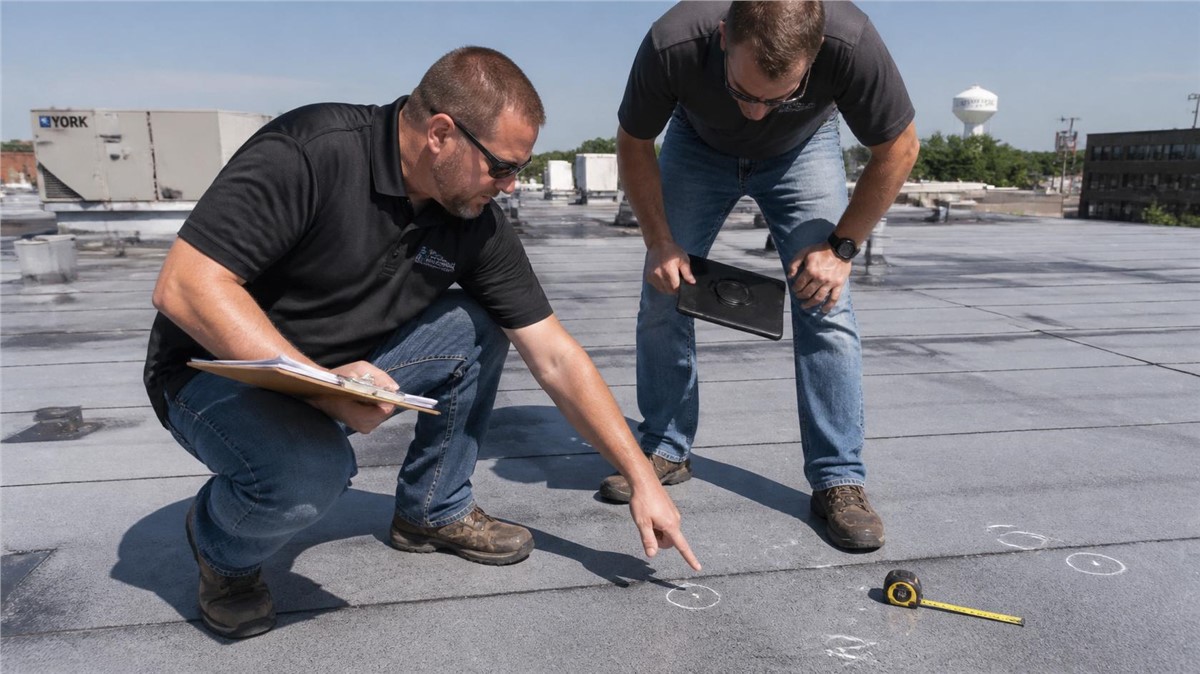
Why a Full Exterior Inspection Helps
Drainage problems can affect more than the ground near the home. Roofing, gutters, siding, windows, fascia, soffit, trim, and foundation areas all work together to manage water.
A full exterior inspection may include:
- Gutters and downspouts
- Downspout extensions
- Roofing and roof edges
- Siding
- Windows and trim
- Fascia and soffit
- Foundation drainage
- Interior moisture signs
- Storm damage areas
Huskie Exteriors provides roofing, siding, window, gutter, and storm damage restoration services, helping homeowners evaluate the full exterior system.
Why Local Exterior Experience Matters
A local contractor understands how Illinois weather affects home drainage. In Oregon, IL, homes need gutter and downspout systems that can handle heavy rain, wind, hail, leaves, snow, ice, and freeze-thaw cycles.
Local experience helps homeowners determine whether drainage problems are caused by short downspouts, clogged gutters, poor slope, roof edge issues, storm damage, siding moisture, or foundation-area pooling.
Conclusion
Downspout extensions in Oregon, IL are a simple drainage improvement that can help move roof water away from the foundation, siding, landscaping, walkways, and basement areas. They are especially useful when downspouts are too short, water pools near the home, soil is eroding, or basement moisture appears after rain.
If your gutters overflow, downspouts drain too close to the foundation, water pools near your home, or basement moisture keeps showing up after storms, Huskie Exteriors can inspect your exterior and recommend the right next step.
Contact Huskie Exteriors for professional roofing, siding, window, gutter, and storm damage services in Illinois and Wisconsin.
Subscribe to Huskie Exteriors's Blog






Comments