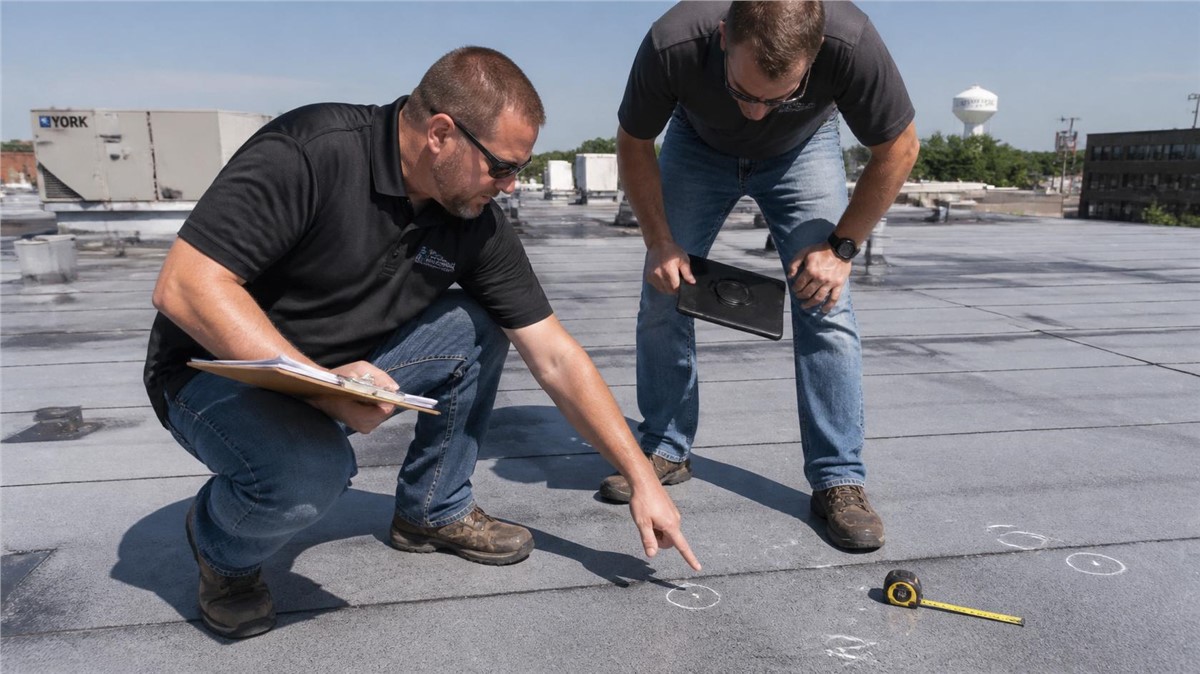
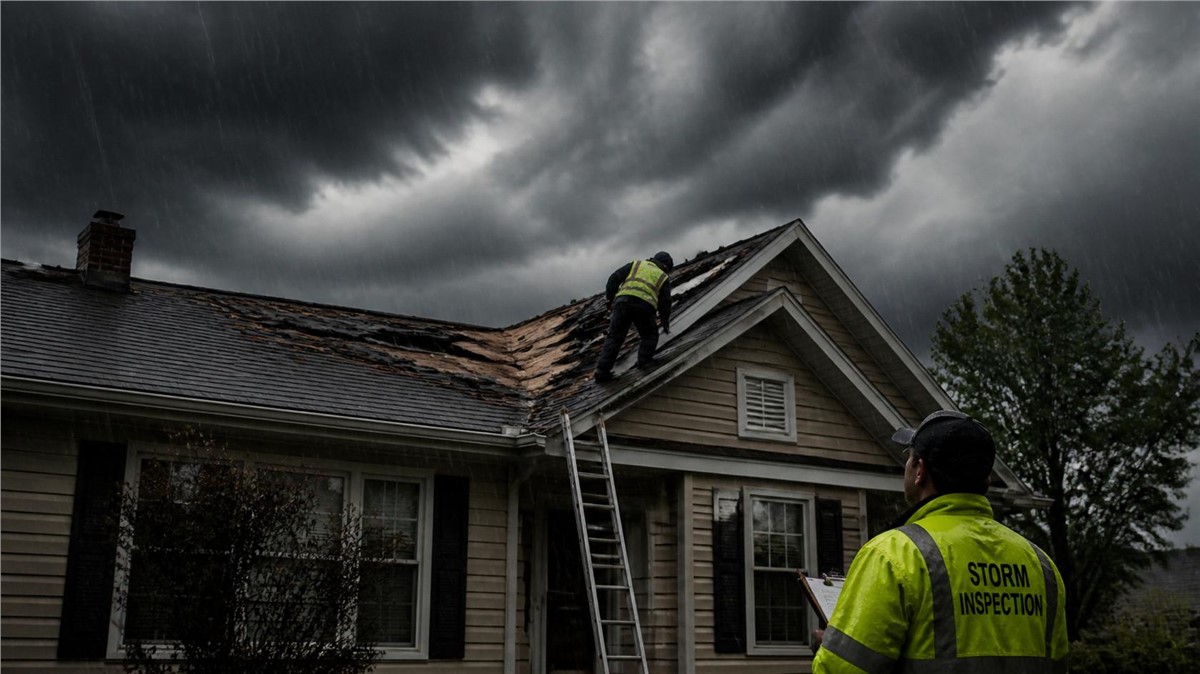
Hailstorms can cause serious damage to commercial buildings, even when the damage is not obvious from the ground. A roof may look mostly fine, but hail can bruise roofing materials, dent metal components, damage gutters, crack siding, and weaken seals around windows or flashing.
For commercial property owners and managers in Loves Park, IL, hail damage inspections are important because northern Illinois weather can bring hail, wind, heavy rain, snow, ice, and freeze-thaw cycles. These conditions can affect the full exterior system, not only the roof.
This guide explains what contractors check during a commercial hail damage inspection and why a full exterior review matters.
Why Commercial Hail Damage Inspections Matter
Commercial buildings often have larger roof areas, more drainage components, and more exterior systems than residential properties. This means hail damage can affect multiple parts of the building at once.
A hail damage inspection can help identify:
- Roof membrane damage
- Shingle damage
- Dented gutters
- Dented downspouts
- Damaged siding
- Cracked windows
- Broken seals
- Loose flashing
- Roof vent damage
- Interior water stains
Finding damage early helps property owners plan repairs before leaks, drainage issues, or tenant complaints get worse.
Roof Surface Damage
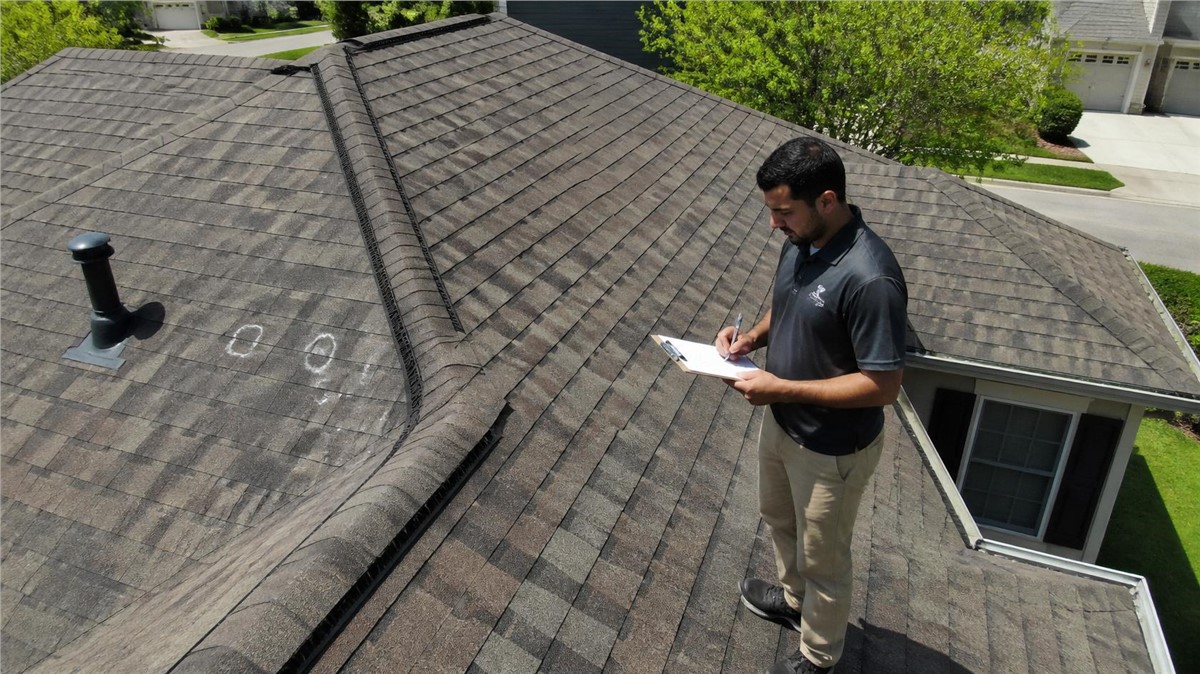
The roof is one of the first areas contractors check after hail. The type of roof will determine what damage signs they look for.
On commercial roofs, contractors may check for:
- Impact marks
- Punctures
- Soft spots
- Bruising
- Cracked materials
- Torn membrane areas
- Loose seams
- Surface granule loss
- Exposed underlayers
- Ponding water
Flat, low-slope, and sloped roofs all respond differently to hail, so the inspection should match the roof system.
Shingle Damage
Some commercial buildings have shingle roofing on sloped sections. Hail can damage shingles by knocking away granules, bruising the surface, or cracking the material.
Contractors may look for:
- Bruised shingles
- Missing granules
- Bald spots
- Cracked shingles
- Lifted tabs
- Damaged ridge caps
- Exposed matting
- Loose shingles
Shingle damage may not leak immediately, but it can reduce roof protection over time.
Flat and Low-Slope Roof Damage
Many commercial buildings have flat or low-slope roofing. Hail damage on these surfaces can be harder to see without a close inspection.
Contractors may check for:
- Membrane punctures
- Surface dents
- Open seams
- Damaged coatings
- Cracked areas
- Blisters
- Wet insulation concerns
- Drainage problems
- Ponding water near impact areas
Even small punctures or seam damage can allow water into the roofing system.
Roof Vents and Penetrations
Roof penetrations are common leak points. Hail can damage vents, pipe boots, HVAC curbs, skylights, and other rooftop components.
Contractors may inspect:
- Roof vents
- Pipe boots
- HVAC curbs
- Skylights
- Exhaust vents
- Utility penetrations
- Sealant around openings
- Flashing around penetrations
Damage around these areas should be repaired before water enters the building.
Flashing and Roof Edges
Flashing protects transitions where water is more likely to enter. Hail, wind, and debris can loosen or dent flashing.
Important areas include:
- Roof edges
- Parapet walls
- Wall transitions
- Chimneys
- Skylights
- Vents
- Valleys
- Equipment curbs
Loose or damaged flashing can cause leaks even if the main roof surface looks acceptable.
Gutters and Downspouts
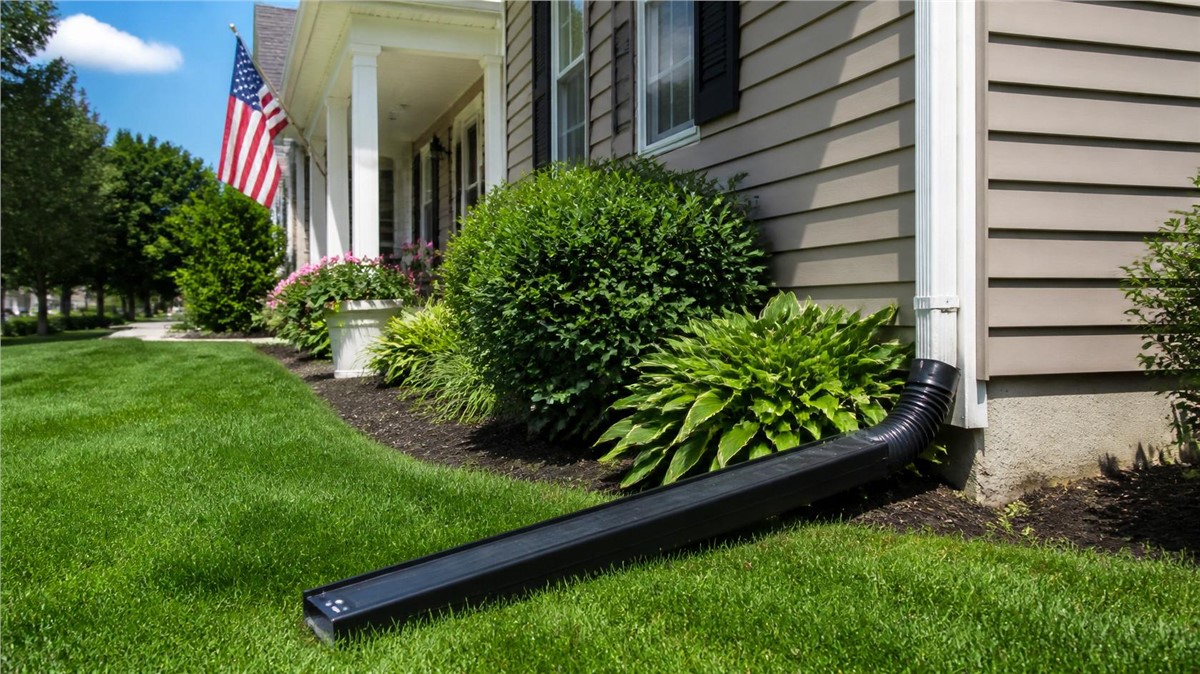
Gutters and downspouts are often hit directly by hail. Dents may look cosmetic, but they can also affect drainage, slope, seams, and attachment points.
Contractors may check for:
- Dented gutters
- Dented downspouts
- Sagging sections
- Loose hangers
- Leaking seams
- Gutters pulling away
- Clogged outlets
- Overflow signs
- Water pooling near the building
Commercial drainage issues can affect walkways, entrances, foundations, siding, and tenant spaces.
Roof Drains and Scuppers
For flat and low-slope commercial roofs, contractors may also check internal drains, scuppers, and overflow systems.
Inspection may include:
- Clogged drains
- Damaged drain covers
- Debris buildup
- Blocked scuppers
- Ponding water
- Signs of overflow
- Water stains near drainage points
- Ice-related drainage concerns
Hail often comes with heavy rain, so drainage performance is an important part of the inspection.
Siding and Wall Panels
Hail can crack, dent, loosen, or puncture siding and wall panels. Damage may be more noticeable on the side of the building facing the storm.
Contractors may look for:
- Cracked siding
- Holes or punctures
- Loose panels
- Dented metal siding
- Broken trim
- Moisture stains
- Gaps near windows
- Damage near corners
If siding is damaged, water may get behind the wall system during future storms.
Windows, Screens, and Frames
Windows should be checked after hail because damage can affect glass, screens, seals, frames, and trim.
Contractors may inspect:
- Cracked glass
- Broken seals
- Fogging between panes
- Torn screens
- Bent screen frames
- Damaged window trim
- Failed caulking
- Water stains below windows
Window damage can also indicate that nearby siding or flashing was affected.
Fascia, Soffit, and Trim
Fascia, soffit, and trim protect roof edges and exterior transitions. Hail and wind can loosen or damage these areas.
Warning signs include:
- Dented trim
- Loose fascia
- Soft fascia
- Damaged soffit panels
- Gaps near roof edges
- Peeling paint
- Water stains
- Openings where pests could enter
These areas should be inspected along with gutters and roof edges.
Interior Water Stains
A commercial hail damage inspection may also include checking interior areas if leaks or moisture concerns are reported.
Interior signs may include:
- Ceiling stains
- Damp ceiling tiles
- Wet insulation
- Wall stains
- Musty odors
- Bubbling paint
- Water near windows
- Drips during rain
Interior signs help contractors trace damage from the inside back to the exterior source.
Attic or Roof Cavity Concerns
Some commercial properties have attic spaces, roof cavities, or accessible upper areas. If water intrusion is suspected, contractors may check these spaces.
They may look for:
- Wet insulation
- Dark decking stains
- Rusted fasteners
- Moisture near vents
- Water trails
- Mold or mildew concerns
- Soft roof decking
- Condensation signs
This helps determine whether hail damage has already allowed moisture into the building.
Rooftop Equipment
Commercial roofs often have HVAC units, vents, pipes, satellite equipment, or other rooftop systems. Hail can damage the materials around these components.
Contractors may check:
- Equipment curbs
- Flashing around units
- Sealant condition
- Drainage around equipment
- Impact damage nearby
- Loose panels or covers
- Water entry points
Rooftop equipment areas are important because leaks often start near penetrations and transitions.
Safety and Access Areas
A commercial inspection should also consider how storm damage affects building access and safety.
Contractors may check:
- Walkways
- Entrances
- Parking areas
- Loading zones
- Downspout discharge points
- Ice-prone areas
- Loose exterior materials
- Debris hazards
Hail damage can create risks for tenants, customers, employees, and visitors if loose materials or drainage problems are ignored.
Documentation During the Inspection
Documentation is a key part of a commercial hail damage inspection. Property owners may need records for maintenance planning, insurance communication, tenant updates, or internal approvals.
Documentation may include:
- Photos of damage
- Notes on affected areas
- Roof findings
- Gutter and drainage findings
- Siding and window findings
- Interior moisture notes
- Repair recommendations
- Temporary protection needs
Clear documentation helps property owners make informed decisions.
Repair vs Replacement
Not all hail damage requires replacement. Some issues can be repaired if damage is limited and the system is still performing well.
Repair may make sense if:
- Damage is isolated
- The roof is otherwise sound
- Flashing can be corrected
- One gutter section is damaged
- One siding area is affected
- No hidden moisture is found
Replacement may be better if:
- Damage is widespread
- Leaks are present
- Roofing materials are aging
- Gutters are damaged throughout
- Siding damage affects multiple walls
- Repairs would not last
- Moisture has entered the building
A professional inspection helps determine the right scope.
Insurance Considerations
If hail damage may involve insurance, property owners should contact their insurance provider to understand coverage, deductibles, deadlines, documentation requirements, and claim steps.
Helpful records may include:
- Storm date notes
- Photos of visible damage
- Contractor inspection findings
- Interior water stain photos
- Temporary repair receipts
- Tenant reports
- Adjuster communication
Every policy is different, so claim-specific guidance should come directly from the insurance provider.
Why a Full Exterior Inspection Helps
Hail damage rarely affects only one part of a commercial building. Roofing, siding, gutters, windows, flashing, fascia, soffit, trim, roof drains, and drainage systems should all be checked after a severe storm.
A full exterior inspection may include:
- Roofing
- Gutters and downspouts
- Roof drains and scuppers
- Siding or wall panels
- Windows and screens
- Flashing
- Fascia and soffit
- Rooftop equipment areas
- Interior moisture signs
Huskie Exteriors provides roofing, siding, window, gutter, and storm damage restoration services, helping commercial property owners evaluate the full exterior system.
Why Local Exterior Experience Matters
A local contractor understands how Illinois storms affect commercial buildings. In Loves Park, IL, hail can damage roofing materials, drainage systems, siding, windows, trim, flashing, and roof edges in ways that may not be obvious right away.
Local experience helps property owners determine whether damage is cosmetic, repairable, storm-related, drainage-related, or connected to hidden moisture.
Conclusion
A commercial hail damage inspection in Loves Park, IL helps property owners understand how hail may have affected the roof, gutters, downspouts, siding, windows, flashing, fascia, soffit, drainage, and interior spaces. Contractors check for both visible damage and hidden problems that could lead to leaks or larger repairs.
If your commercial building has dents, leaks, cracked siding, damaged gutters, roof concerns, window damage, or interior moisture after hail, Huskie Exteriors can inspect the property and recommend the right next step.
Contact Huskie Exteriors for professional roofing, siding, window, gutter, and storm damage services in Illinois and Wisconsin.
Subscribe to Huskie Exteriors's Blog





Comments