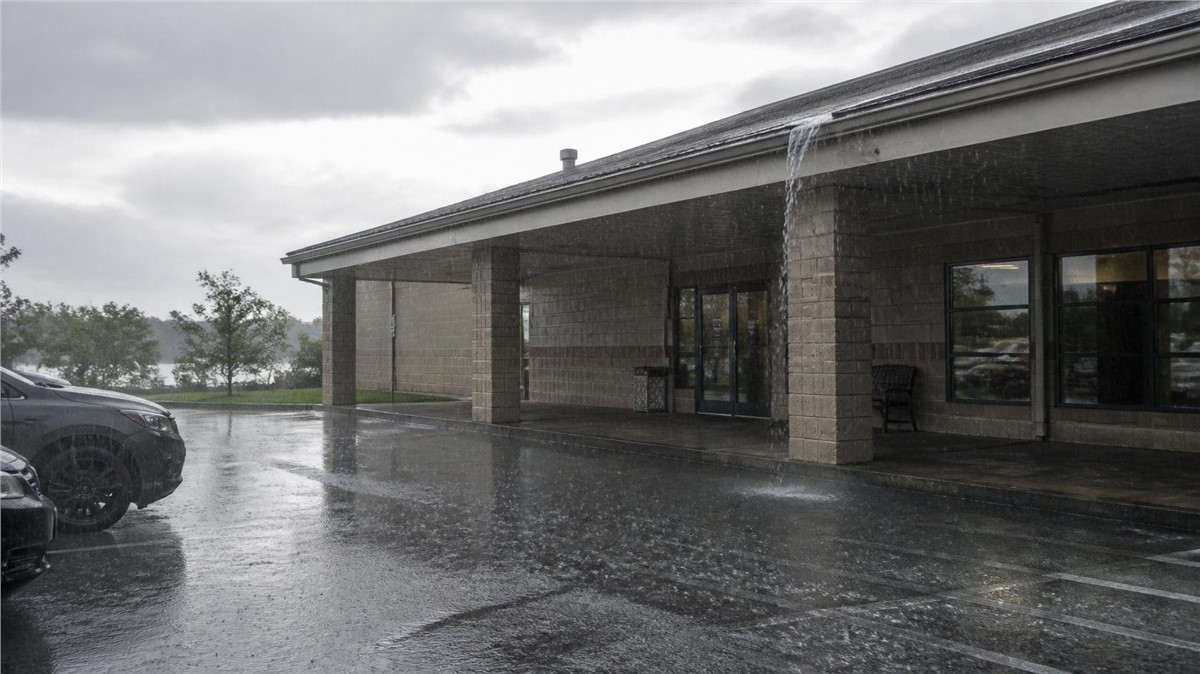
A roof leak at a business property can disrupt more than the building. It can affect employees, customers, tenants, merchandise, equipment, records, flooring, and daily operations. Even a small leak can create larger problems if water continues entering the building.
For commercial buildings in Williams Bay, WI, roof leaks can be caused by heavy rain, wind, hail, snow, ice, clogged drains, damaged flashing, aging roofing materials, or freeze-thaw cycles. Acting quickly can help limit damage and make the repair process easier to manage.
This guide explains what business owners and property managers should do when they notice a roof leak.
Why Commercial Roof Leaks Need Fast Attention
A commercial roof leak may start in one area, but water can travel across roof decking, insulation, ceiling systems, walls, and electrical areas before becoming visible.
Delaying repairs may lead to:
- Damaged ceiling tiles
- Wet insulation
- Interior water stains
- Damaged inventory
- Mold or mildew concerns
- Flooring damage
- Electrical risks
- Tenant complaints
- Business interruption
- Larger repair costs
A leak should not be ignored just because it looks small.
Step 1: Protect People First
Safety comes first when water is entering a business. Wet floors, ceiling stains, and dripping water can create hazards for employees, customers, tenants, and vendors.
Start by:
- Blocking off wet areas
- Placing warning signs
- Moving people away from dripping water
- Avoiding wet electrical fixtures
- Keeping customers away from damaged ceiling areas
- Not allowing staff to climb onto the roof
- Not touching sagging ceiling tiles
If the leak is near electrical equipment, outlets, lighting, or panels, treat the area with caution and contact the appropriate professional.
Step 2: Protect Inventory and Equipment
Move important items away from the leak if it is safe to do so. Water can quickly damage office equipment, retail merchandise, furniture, documents, tools, and stored materials.
Items to protect may include:
- Computers and electronics
- Paper records
- Product inventory
- Office furniture
- Machinery
- Flooring
- Customer displays
- Stored supplies
If water is actively dripping, use buckets or containers only where safe. Avoid placing anything that could create a trip hazard in customer or employee pathways.
Step 3: Document the Leak
Documentation helps property owners stay organized and may be useful if insurance or tenant communication is involved.
Record:
- Date and time the leak appeared
- Weather conditions
- Photos of water stains
- Videos of active dripping
- Damaged inventory or equipment
- Wet flooring or ceiling areas
- Temporary protection steps taken
- Areas affected inside the building
Take photos from safe areas only. Do not climb onto the roof to document damage.
Step 4: Look for Interior Warning Signs
A roof leak is not always limited to the spot where water appears. Check nearby areas for signs of spreading moisture.
Interior signs may include:
- Brown ceiling stains
- Damp ceiling tiles
- Sagging ceiling areas
- Musty odors
- Peeling paint
- Bubbling drywall
- Wet insulation
- Water near exterior walls
- Moisture around roof penetrations
If ceiling materials are sagging, keep the area blocked off until it can be inspected.
Step 5: Avoid Temporary Fixes That Hide the Problem
It may be tempting to paint over stains, replace ceiling tiles, or seal an interior area. These steps may hide the leak without fixing the source.
Avoid:
- Painting over stains before inspection
- Replacing ceiling tiles without finding the leak
- Sealing interior surfaces only
- Ignoring musty odors
- Assuming the leak stopped because rain ended
- Sending staff onto the roof
The source of the leak must be identified from the roof and exterior system.
Common Causes of Business Roof Leaks
Commercial roof leaks can come from many areas. The visible drip may not be directly below the actual roof problem.
Common causes include:
- Damaged roof membrane
- Open seams
- Failed flashing
- Ponding water
- Clogged roof drains
- Damaged gutters
- Loose roof edges
- Cracked sealant
- Storm damage
- Aging materials
- Rooftop equipment penetrations
- Snow and ice damage
A professional inspection helps determine whether repair or replacement is needed.
Flat and Low-Slope Roof Leak Issues
Many commercial buildings have flat or low-slope roofs. These roofs depend on proper drainage, seams, flashing, and roof membrane condition.
Warning signs include:
- Ponding water
- Blistered membrane
- Open seams
- Cracks or punctures
- Soft areas
- Damaged flashing
- Drainage problems
- Water stains below rooftop equipment
Standing water can make small roof weaknesses worse over time.
Roof Drain and Gutter Problems
Drainage problems are a common cause of commercial roof leaks. If water cannot leave the roof properly, it may collect and find weak points.
Drainage concerns include:
- Clogged roof drains
- Blocked scuppers
- Overflowing gutters
- Loose downspouts
- Ice buildup
- Debris on the roof
- Water pooling near roof edges
- Gutters pulling away
Gutters and downspouts should be checked along with the roof because poor drainage can worsen leaks.
Flashing and Rooftop Equipment Leaks
Commercial roofs often have many penetrations and transitions. These areas need proper flashing and sealing.
Leak-prone areas include:
- HVAC units
- Vent pipes
- Exhaust fans
- Skylights
- Parapet walls
- Roof edges
- Chimneys
- Wall transitions
- Electrical penetrations
If flashing around rooftop equipment fails, water may enter even if the main roof surface looks acceptable.
Storm Damage and Roof Leaks
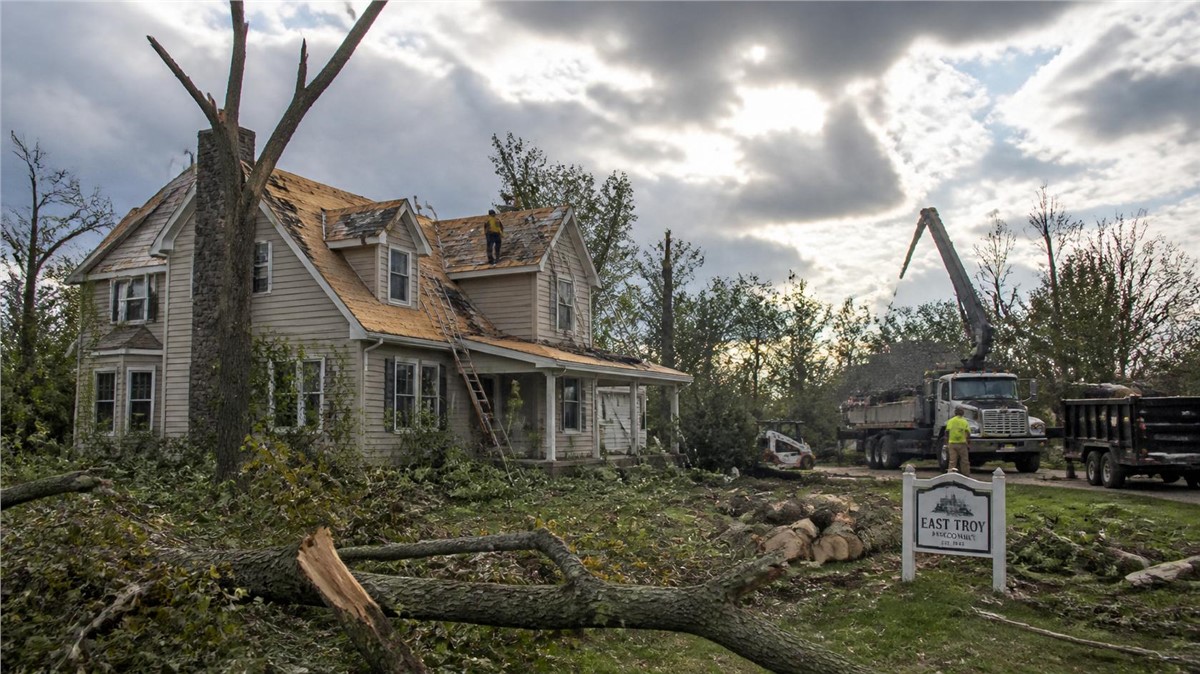
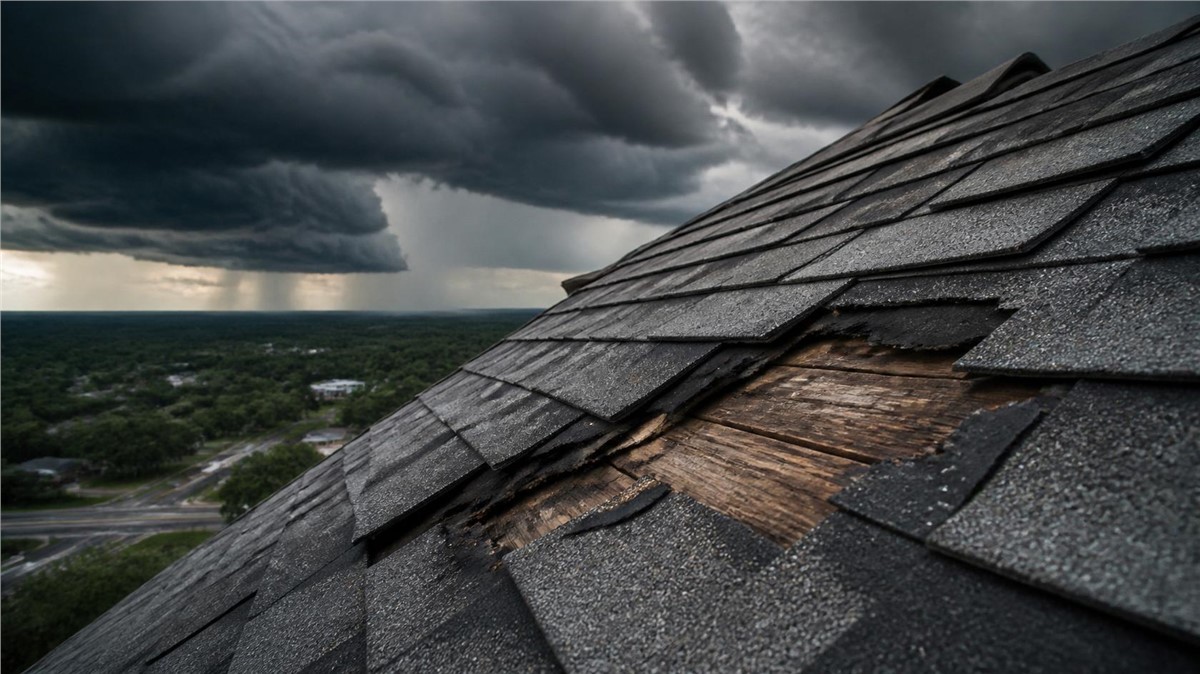
Williams Bay commercial buildings can be affected by hail, wind, heavy rain, snow, and ice. Storms can damage roofing, gutters, siding, windows, flashing, fascia, soffit, and trim.
Storm-related roof leak signs include:
- Missing or lifted roofing materials
- Hail impact marks
- Damaged roof edges
- Dented gutters
- Loose flashing
- Torn membrane
- Interior leaks after rain
- Water stains after snowmelt
If the leak appeared after severe weather, a full exterior inspection is important.
When the Leak May Be Urgent
Some roof leaks need immediate professional attention.
Act quickly if you notice:
- Active dripping
- Sagging ceiling tiles
- Water near electrical areas
- Wet insulation
- Large interior stains
- Water affecting inventory
- Leaks near customer areas
- Multiple leak locations
- Strong musty odors
- Roof materials visibly displaced
Even if the leak slows down, the source may still be open to future rain or snowmelt.
Repair vs Replacement
The right solution depends on the roof age, leak source, storm damage, moisture damage, and overall roof condition.
Repair may make sense if:
- The leak is isolated
- One seam or flashing area failed
- Drainage can be corrected
- The roof surface is otherwise sound
- No major moisture damage is found
Replacement may be better if:
- Leaks keep returning
- Damage is widespread
- The roof membrane is aging
- Ponding water is severe
- Insulation is wet
- Storm damage affects large areas
- Repairs no longer last
A commercial roof inspection can help property owners compare short-term repair with long-term replacement value.
What Should Be Included in a Commercial Roof Leak Inspection?
A thorough inspection should review the roof, drainage system, and interior moisture signs.
An inspection may include:
- Roof surface condition
- Seams and membrane areas
- Flashing
- Roof drains and scuppers
- Gutters and downspouts
- Roof edges
- Rooftop equipment areas
- Interior leak locations
- Ceiling stains
- Moisture concerns
- Storm damage signs
The goal is to find the source, understand the extent of damage, and recommend the right solution.
Insurance and Documentation
If the leak may be related to storm damage, contact your insurance provider to understand your policy, deductible, deadlines, coverage, and claim requirements.
Helpful documentation may include:
- Photos and videos
- Storm date notes
- Damaged inventory records
- Temporary repair receipts
- Contractor inspection findings
- Communication with tenants
- Adjuster appointment notes
Every policy is different, so claim guidance should come from your insurance provider.
Why a Full Exterior Inspection Helps
A business roof leak may be connected to more than the roof. Gutters, siding, windows, flashing, fascia, soffit, trim, and drainage can all affect water movement around a commercial building.
A full exterior inspection may include:
- Roofing
- Gutters and downspouts
- Siding or wall panels
- Windows and doors
- Flashing
- Fascia and soffit
- Drainage areas
- Interior moisture signs
- Storm damage areas
Huskie Exteriors provides roofing, siding, window, gutter, and storm damage restoration services, helping commercial property owners evaluate the full exterior system.
Why Local Exterior Experience Matters
A local contractor understands how Wisconsin weather affects commercial roofs. In Williams Bay, WI, business properties need exterior systems that can handle heavy rain, wind, hail, snow, ice, lake-area moisture, and freeze-thaw cycles.
Local experience helps property owners determine whether a leak is caused by storm damage, roof age, poor drainage, flashing failure, rooftop equipment, gutter problems, or hidden moisture.
Conclusion
A business roof leak in Williams Bay, WI should be handled quickly before it affects inventory, equipment, tenants, customers, insulation, ceilings, and daily operations. The first steps are to protect people, document the damage, move vulnerable items, avoid unsafe roof access, and schedule a professional inspection.
If your commercial building has a roof leak, ceiling stains, ponding water, storm damage, gutter problems, or signs of moisture, Huskie Exteriors can inspect the property and recommend the right next step.
Contact Huskie Exteriors for professional roofing, siding, window, gutter, and storm damage services in Illinois and Wisconsin.
Subscribe to Huskie Exteriors's Blog




Comments