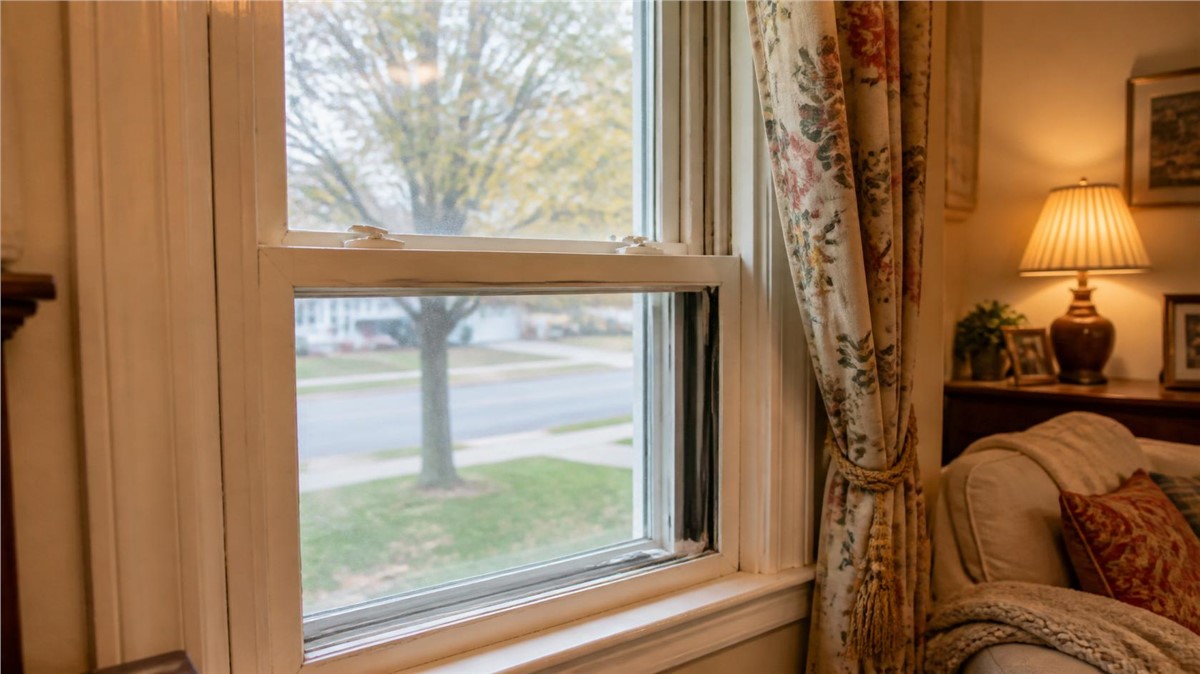
Drafty windows can make a home feel uncomfortable, especially during Wisconsin winters. If cold air is coming in around your windows, it may be a sign that seals, frames, weatherstripping, caulking, or the window unit itself are no longer performing properly.
For homeowners in Sussex, WI, drafty windows are more than a comfort issue. Cold winters, humid summers, heavy rain, wind, snow, ice, and freeze-thaw cycles can wear down window materials over time.
This guide explains common causes of drafty windows, possible fixes, and signs it may be time to consider window replacement.
Why Drafty Windows Matter
A small draft may not seem serious, but it can affect comfort and performance throughout the home. Drafts can make rooms feel colder in winter and warmer in summer, especially near exterior walls.
Drafty windows may lead to:
- Uneven room temperatures
- Cold spots near windows
- Higher heating and cooling demand
- Moisture concerns
- Condensation
- Reduced comfort
- Dust or outdoor air entering
- Difficulty keeping rooms consistent
If drafts are noticeable in multiple rooms, the window system may need a closer inspection.
Common Signs of Drafty Windows
Some drafts are easy to feel, while others show up through comfort or moisture problems.
Watch for:
- Cold air near windows
- Curtains moving slightly
- Rooms that feel chilly
- Condensation around glass
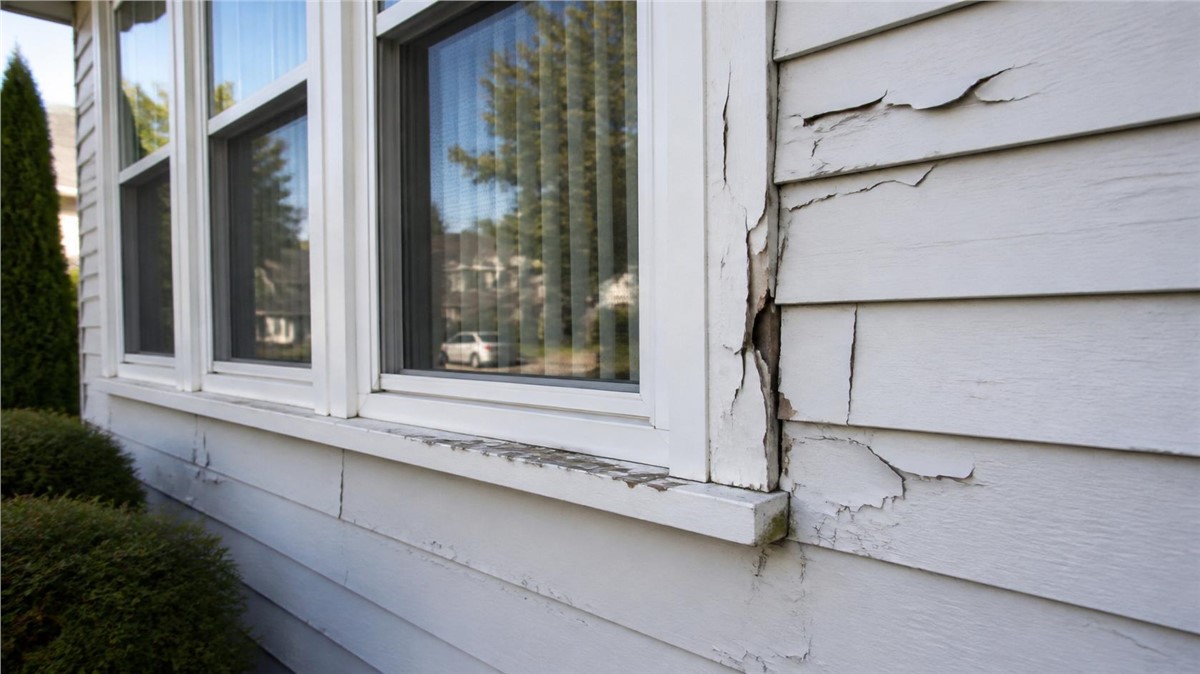
- Peeling paint near trim
- Gaps around frames
- Whistling sounds during wind
- Windows that rattle
- Higher energy use
- Difficulty keeping rooms warm
If the same room always feels uncomfortable, the windows may be part of the issue.
Cause 1: Worn Weatherstripping
Weatherstripping helps seal the moving parts of a window. Over time, it can flatten, crack, loosen, or fall out.
Worn weatherstripping may cause:
- Air leaks
- Rattling windows
- Whistling during wind
- Dust entering the home
- Poor window closure
- Cold spots near the sash
In some cases, replacing weatherstripping may reduce drafts if the window is otherwise in good condition.
Cause 2: Failed Caulking
Exterior caulking helps seal gaps around window trim and siding transitions. Interior caulking may help seal small gaps between trim and walls.
Caulking can fail because of:
- Age
- Sun exposure
- Moisture
- Freeze-thaw cycles
- Building movement
- Poor application
- Storm damage
Failed caulking may appear cracked, separated, missing, or brittle. However, caulk is not a cure-all. If flashing, siding, or frames are damaged, deeper repair may be needed.
Cause 3: Poor Installation
Even a quality window can feel drafty if it was not installed correctly. Gaps around the opening, poor insulation, missing flashing, or weak sealing can allow air and moisture to enter.
Installation problems may include:
- Gaps around the frame
- Poor insulation around the opening
- Missing or incorrect flashing
- Uneven window fit
- Loose trim
- Air leaks near corners
- Water stains around the window
If several windows were installed at the same time and all feel drafty, installation quality should be reviewed.
Cause 4: Aging Window Frames
Window frames can wear down over time. Wood may rot, vinyl may warp, metal may transfer cold, and older frames may lose their ability to seal tightly.
Frame problems may include:
- Warping
- Rot
- Cracks
- Soft trim
- Loose corners
- Gaps around the sash
- Difficulty locking
- Window movement during wind
If the frame is damaged, small sealing fixes may not provide lasting results.
Cause 5: Window Seal Failure
Many modern windows have insulated glass units. If the seal between panes fails, moisture may appear inside the glass and the window may lose some insulating performance.
Signs of seal failure include:
- Fogging between panes
- Moisture trapped inside the glass
- Haze that cannot be wiped away
- Streaking between panes
- Reduced window clarity
- Condensation inside the glass unit
Seal failure may not always create an air draft, but it can be a sign that the window is no longer performing as intended.
Cause 6: Loose or Damaged Sashes
The sash is the part of the window that holds the glass and moves when the window opens or closes. If the sash does not fit tightly, drafts can enter.
Sash problems may include:
- Loose movement
- Poor locking
- Gaps around edges
- Rattling during wind
- Difficulty closing fully
- Worn balance systems
- Damaged tracks
A window that does not close or lock properly should be inspected because it may affect both comfort and security.
Cause 7: Moisture Damage Around the Window
Moisture can damage trim, frames, drywall, and surrounding wall materials. Once these areas weaken, gaps may form and allow drafts.
Moisture warning signs include:
- Soft trim
- Peeling paint
- Water stains
- Bubbling drywall
- Musty odors
- Mold or mildew concerns
- Swollen wood
- Damaged siding around the window
Moisture problems should be addressed before simply sealing over gaps.
Cause 8: Siding, Flashing, or Gutter Issues
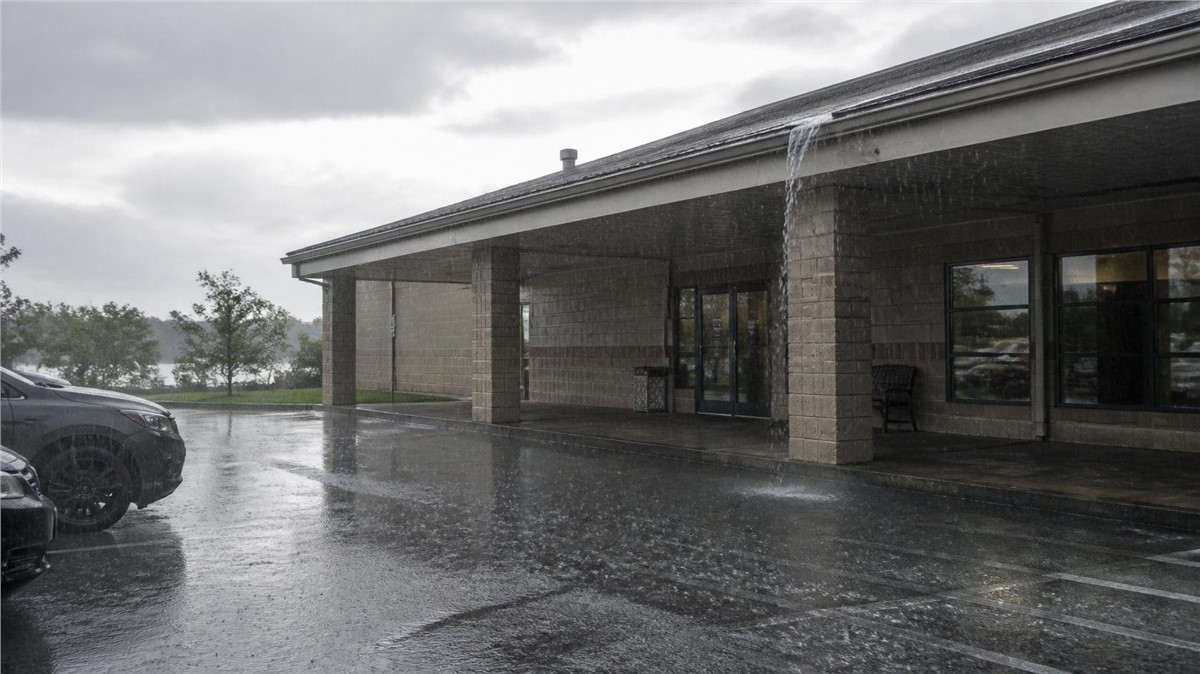
Drafts around windows are sometimes connected to the exterior system. Damaged siding, failed flashing, or overflowing gutters can allow water and air movement around window openings.
Exterior issues may include:
- Loose siding near windows
- Cracked siding
- Failed flashing
- Gaps around trim
- Water stains below windows
- Overflowing gutters above the area
- Fascia or soffit damage
- Wind-driven rain leaks
A full exterior inspection can help determine whether the window itself is the problem or whether nearby materials are contributing.
Simple Fixes That May Help
Some drafty window issues can be improved with smaller repairs, especially if the window is newer and the frame is still sound.
Possible fixes may include:
- Replacing weatherstripping
- Recaulking small gaps
- Adjusting locks or hardware
- Repairing loose trim
- Adding insulation around the opening
- Correcting small exterior gaps
- Replacing a failed glass unit
- Repairing damaged flashing
These fixes work best when the window is still in good condition overall.
When Replacement May Be Better
Window replacement may be the better option when drafts are caused by age, frame failure, poor operation, or widespread performance issues.
Replacement may make sense if:
- Multiple windows are drafty
- Frames are warped or rotted
- Windows are hard to open or lock
- Fogging appears between panes
- Condensation keeps returning
- Water damage is present
- The windows are old or inefficient
- Repairs no longer solve the problem
- Rooms remain uncomfortable
New windows can improve comfort, appearance, operation, sealing, and weather protection when installed properly.
Repair vs Replacement
The right choice depends on the window condition and the cause of the draft.
Repair may be enough if:
- The draft is isolated
- Weatherstripping is worn
- Caulking has failed
- The frame is still solid
- The window opens and locks properly
- No moisture damage is found
Replacement may be better if:
- Drafts affect several windows
- Frames are damaged
- Seal failure is present
- Moisture has affected trim or walls
- Windows are difficult to operate
- The home still feels uncomfortable after repairs
A professional inspection can help homeowners decide what makes the most sense.
Why Wisconsin Weather Makes Drafts Worse
Sussex homes face seasonal weather that can make window drafts more noticeable. Cold air in winter, humid summers, strong wind, heavy rain, snow, ice, and freeze-thaw cycles can stress window materials.
Weather can affect:
- Caulking
- Weatherstripping
- Frames
- Glass seals
- Flashing
- Exterior trim
- Siding around windows
A small gap may become more noticeable during windy or freezing weather.
What to Check Inside the Home
Homeowners can check for signs of window drafts from inside the home.
Look for:
- Cold air near the frame
- Rattling during wind
- Gaps around trim
- Condensation
- Peeling paint
- Soft window sills
- Foggy glass
- Hard-to-lock windows
- Uneven room temperatures
Avoid forcing windows open or closed if they are stuck, warped, or damaged.
What to Check Outside the Home
Exterior checks can reveal causes that are not visible indoors.
From the ground, look for:
- Cracked caulking
- Loose trim
- Damaged siding
- Gaps around windows
- Water stains
- Peeling paint
- Dented or damaged flashing
- Overflowing gutters nearby
- Storm damage around the opening
If exterior damage is visible, the window area should be inspected before repairs are made.
Storm Damage and Drafty Windows
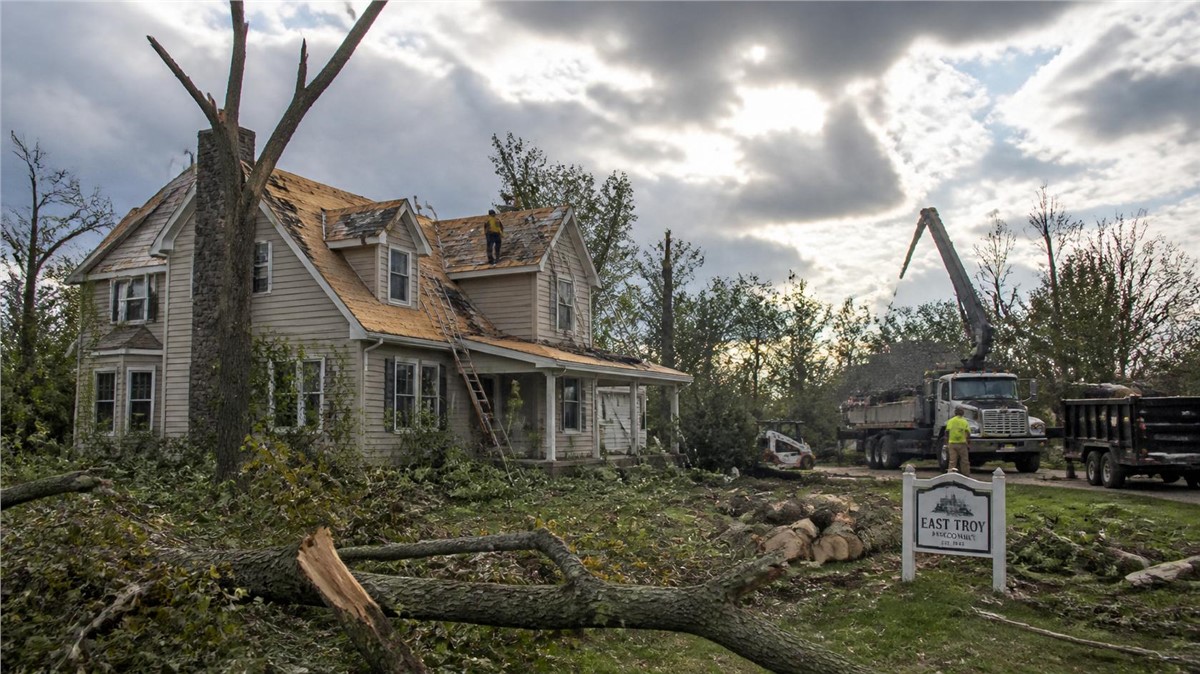
Storms can make window drafts worse by damaging siding, trim, flashing, frames, or glass.
Storm-related signs include:
- Cracked glass
- Torn screens
- Dented trim
- Loose siding
- Water stains
- Failed caulking
- Drafts after wind-driven rain
- Fogging after severe weather
If drafts appear after a storm, roofing, siding, gutters, windows, fascia, soffit, and trim should all be checked.
What Should Be Included in a Window Estimate?
A window repair or replacement estimate should clearly explain the cause of the draft and the recommended solution.
A good estimate may include:
- Inspection findings
- Window condition
- Frame condition
- Glass condition
- Weatherstripping concerns
- Caulking and sealing details
- Flashing or siding issues
- Moisture damage concerns
- Repair or replacement recommendation
- Cleanup details
- Warranty information
A clear estimate helps homeowners avoid temporary fixes that do not solve the real issue.
Why a Full Exterior Inspection Helps
Drafty windows may be connected to more than the window itself. Roofing, siding, gutters, flashing, trim, fascia, soffit, and drainage all affect how water and air move around the home.
A full exterior inspection may include:
- Windows and frames
- Exterior trim
- Siding around windows
- Flashing
- Gutters and downspouts
- Roof edges
- Fascia and soffit
- Interior moisture signs
- Storm damage areas
Huskie Exteriors provides roofing, siding, window, gutter, and storm damage restoration services, helping homeowners evaluate the full exterior system.
Why Local Exterior Experience Matters
A local contractor understands how Wisconsin weather affects windows. In Sussex, WI, homes need windows and exterior materials that can handle cold winters, humid summers, heavy rain, wind, snow, ice, and freeze-thaw cycles.
Local experience helps homeowners determine whether drafty windows are caused by aging seals, poor installation, frame damage, failed caulking, siding issues, gutter problems, storm damage, or hidden moisture.
Conclusion
Drafty windows in Sussex, WI can be caused by worn weatherstripping, failed caulking, poor installation, aging frames, seal failure, loose sashes, moisture damage, siding problems, or storm damage. Some issues can be repaired, while others may point to the need for window replacement.
If your windows are drafty, foggy, leaking, hard to open, moisture-damaged, or no longer keeping your home comfortable, Huskie Exteriors can inspect your exterior and recommend the right next step.
Contact Huskie Exteriors for professional roofing, siding, window, gutter, and storm damage services in Illinois and Wisconsin.
Subscribe to Huskie Exteriors's Blog





Comments