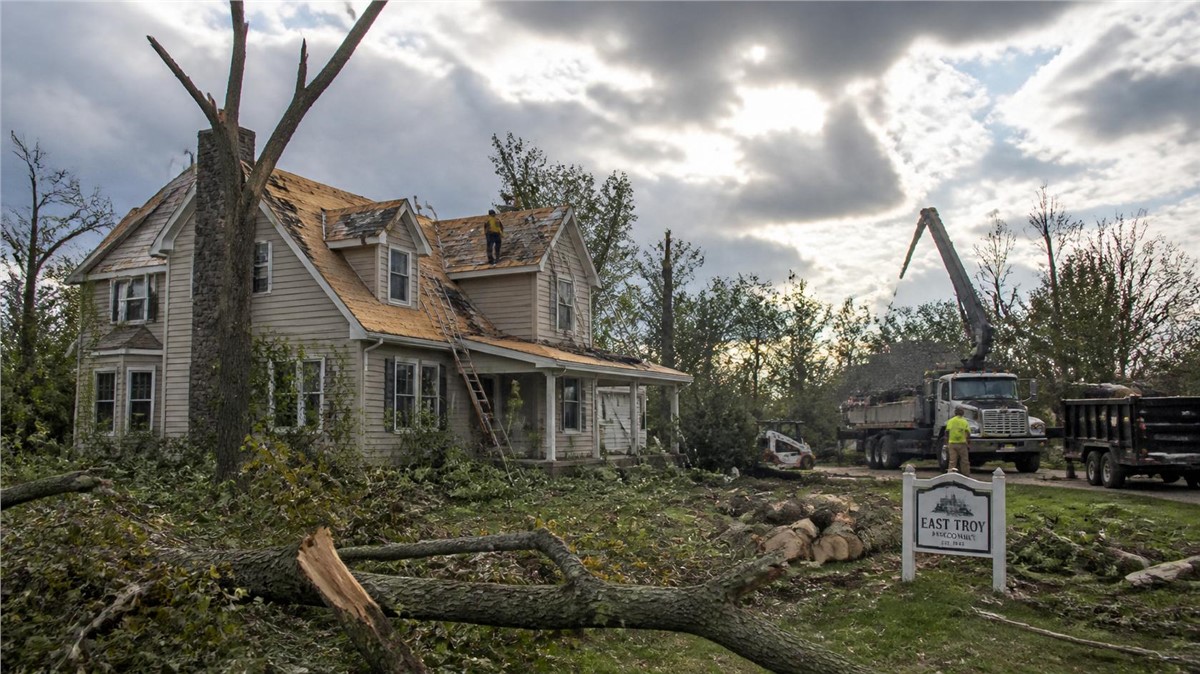
After a strong storm, one of the first questions homeowners ask is, “How much will this cost to fix?” The answer depends on what the storm damaged and how serious the problem is.
In East Troy, WI, storm damage may involve roofing, siding, gutters, windows, fascia, soffit, flashing, trim, and interior water damage. Hail, wind, heavy rain, snow, ice, and freeze-thaw cycles can all affect the final repair scope.
This guide explains the main factors that affect storm damage repair cost and what homeowners should expect before requesting an estimate.
Storm Damage Repair Cost Overview
Storm damage repair costs vary widely because every home and storm event is different. For general planning, Angi’s 2026 storm damage cost guide lists wind damage repairs around $500 to $10,000, hail damage around $1,000 to $8,000, and ice or snow damage around $800 to $7,000 depending on the damage type and affected materials.
Roof damage is often one of the biggest cost drivers. Angi’s 2026 roof repair guide lists average roof repair at about $1,171, with many projects ranging from $150 to $8,000 depending on the type and extent of damage.
These ranges are not a quote for your East Troy home. They are only planning references. The actual cost depends on inspection findings, material condition, damage severity, access, and whether hidden problems are discovered.
Factor 1: Type of Storm Damage
The type of storm damage has a major impact on cost. Wind, hail, snow, ice, and heavy rain affect homes differently.
Common storm damage includes:
- Missing shingles
- Hail-bruised shingles
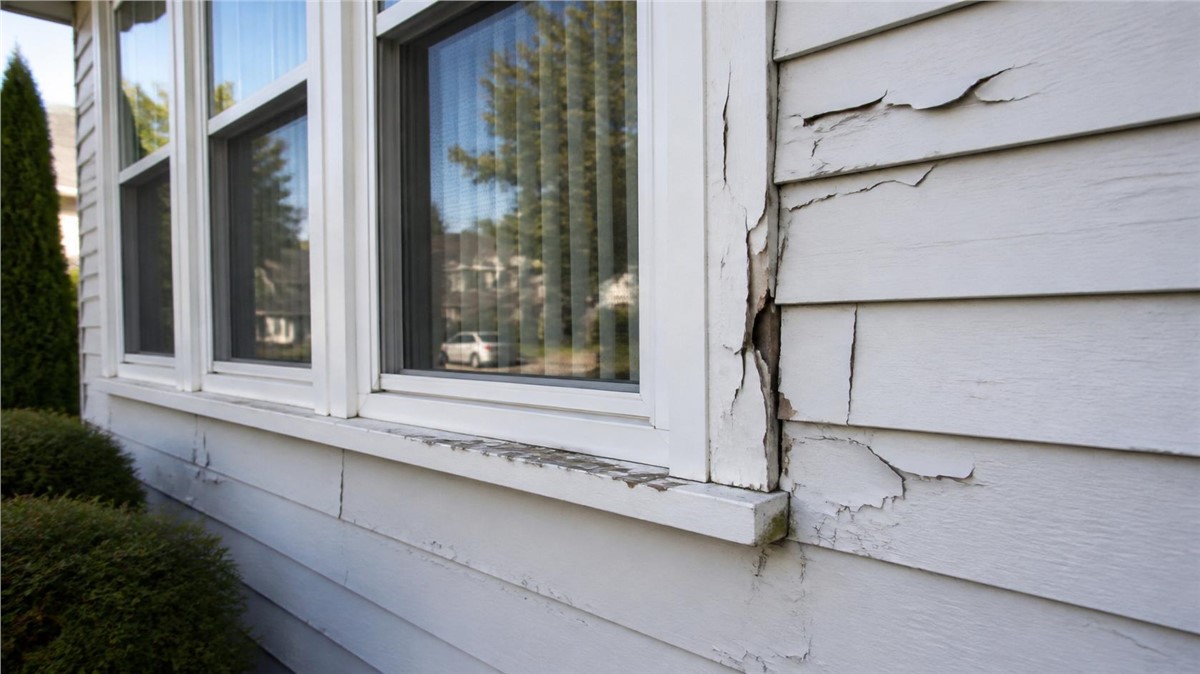
- Cracked siding
- Loose siding panels
- Dented gutters
- Broken window glass
- Torn screens
- Damaged flashing
- Roof leaks
- Interior water stains
A small isolated repair will usually cost less than widespread damage across multiple exterior systems.
Factor 2: Roof Damage
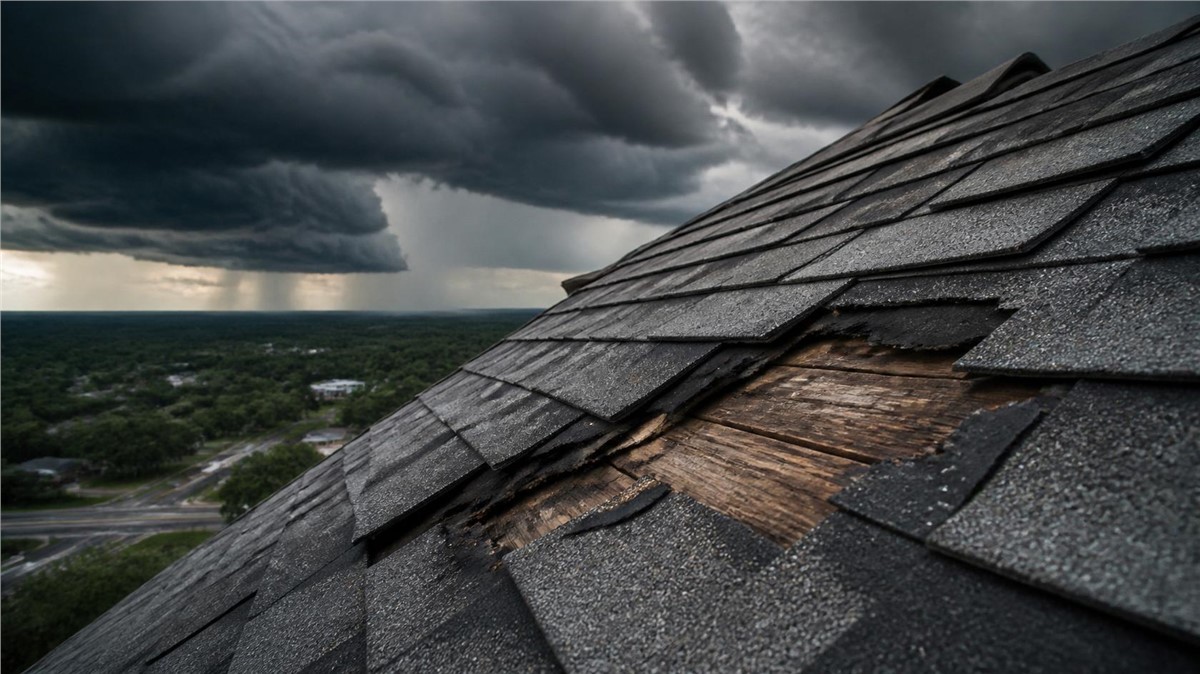
Roof repairs can range from minor shingle replacement to full roof replacement. The cost depends on the size of the damaged area, roof pitch, material type, access, and whether water reached the decking.
Roof storm damage may include:
- Missing shingles
- Lifted shingles
- Heavy granule loss
- Cracked shingles
- Damaged ridge caps
- Dented roof vents
- Loose flashing
- Soft decking
- Active leaks
If damage is limited to a few shingles, repair may be possible. If hail or wind damage affects multiple roof slopes, replacement may be more practical.
Factor 3: Siding Damage
Siding repair cost depends on the material, number of damaged panels, matching availability, and whether moisture entered behind the siding.
Siding storm damage may include:
- Cracked vinyl siding
- Holes or punctures
- Loose panels
- Missing sections
- Broken corner pieces
- Dented trim
- Moisture behind siding
- Warped areas
If matching siding is available and damage is isolated, panel replacement may work. If siding is old, faded, brittle, or damaged across several walls, replacement may be the better option.
Factor 4: Gutter Damage
Gutters can be dented, loosened, bent, clogged, or pulled away during storms. Gutter repair costs can vary based on material, damage type, and how much of the system needs work. Angi lists professional gutter repair at an average of about $390, with many repairs ranging from $120 to $900.
Gutter damage may include:
- Dented sections
- Leaking seams
- Loose fasteners
- Sagging runs
- Damaged downspouts
- Gutters pulling away
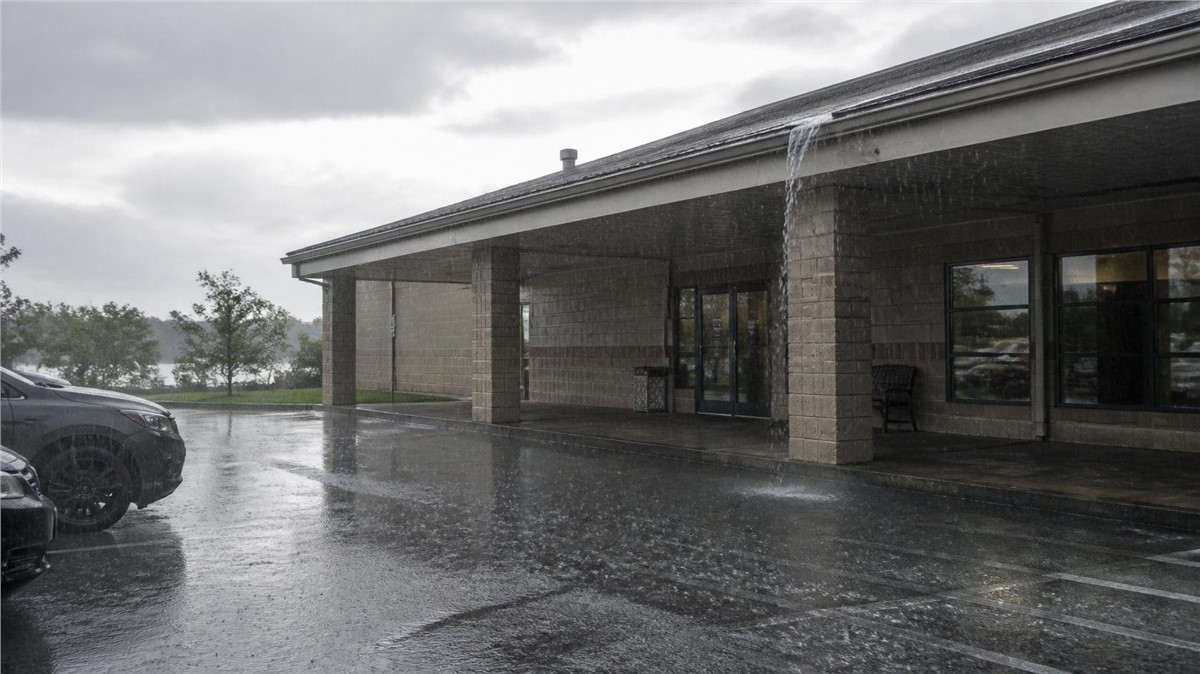
- Overflow during rain
- Water draining near the foundation
Gutters should be inspected with the roof because drainage problems can worsen roof edge, fascia, siding, and foundation issues.
Factor 5: Window and Screen Damage
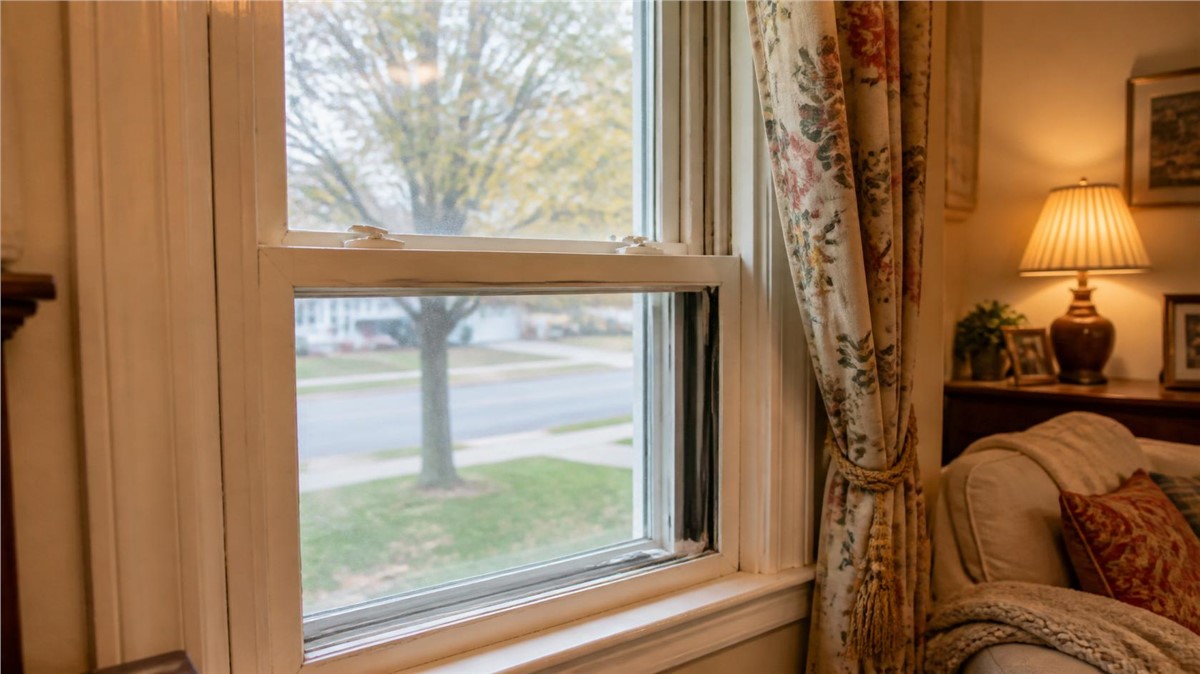
Storms can damage windows, screens, frames, trim, and seals. Window repair or replacement cost depends on the type of window, frame material, glass type, size, access, and whether surrounding trim or siding is damaged.
Angi’s 2026 window repair guide lists window repair costs from $70 to $1,700 depending on repair type, size, and frame material. Its 2026 window replacement guide lists average project cost around $7,348, with many projects ranging from $3,437 to $11,837 depending on materials and style.
Window-related storm damage may include:
- Cracked glass
- Broken panes
- Torn screens
- Dented trim
- Failed caulking
- Water stains below windows
- Fogging between panes
- Drafts after storms
Sometimes the window is not the only issue. Siding, flashing, trim, and gutters around the window may also need attention.
Factor 6: Hidden Moisture Damage
Hidden moisture can increase storm damage repair cost. Water may enter through damaged shingles, loose siding, failed flashing, or window openings before showing visible signs indoors.
Warning signs include:
- Ceiling stains
- Damp attic insulation
- Musty odors
- Soft trim
- Peeling paint
- Bubbling drywall
- Moisture behind siding
- Stained sheathing
If hidden moisture is found, the project may require more than surface repair.
Factor 7: Repair vs Replacement
Repair is usually less expensive upfront, but it is not always the best long-term choice.
Repair may make sense if:
- Damage is isolated
- Materials are still in good condition
- Matching materials are available
- No moisture damage is found
- The roof, siding, or gutters are not near the end of their lifespan
Replacement may be better if:
- Damage is widespread
- Leaks keep returning
- Materials are old or brittle
- Hail damage affects multiple areas
- Repairs would not match well
- Hidden damage is present
- The system is no longer protecting the home properly
A professional inspection helps homeowners understand which option makes sense.
Factor 8: Home Size and Access
Larger homes usually require more materials and labor. Access also matters. A steep roof, tall walls, landscaping, decks, fences, or tight areas can make repairs more difficult.
Access factors may include:
- Roof pitch
- Number of stories
- Height of siding damage
- Window location
- Gutter height
- Landscaping
- Decks or patios
- Safety equipment needs
More complex access can increase labor time and project cost.
Factor 9: Material Matching
After storm damage, matching existing materials can be difficult. Older shingles, siding, or trim may be faded or discontinued.
Matching issues may include:
- Discontinued shingle colors
- Faded siding
- Different siding profiles
- Older trim colors
- Weathered materials
- Repairs that stand out
If matching is not possible, a larger section may need replacement for a cleaner appearance.
Factor 10: Insurance and Documentation
If storm damage may involve insurance, homeowners should contact their insurance provider to understand coverage, deductibles, deadlines, and documentation requirements.
Helpful documentation includes:
- Storm date notes
- Photos from the ground
- Videos of leaks or overflow
- Interior water stain photos
- Contractor inspection findings
- Temporary repair receipts
- Adjuster appointment notes
Every policy is different, so homeowners should rely on their insurance provider for claim-specific guidance.
What Should Be Included in a Storm Damage Estimate?
A storm damage estimate should clearly explain the damage and recommended repair plan.
A good estimate may include:
- Inspection findings
- Damage locations
- Roofing scope
- Siding scope
- Gutter scope
- Window or screen repairs
- Flashing or trim needs
- Moisture concerns
- Material details
- Labor and access factors
- Cleanup and disposal
- Warranty information
The estimate should explain what is being repaired, why it is needed, and whether replacement should be considered.
Why a Full Exterior Inspection Helps
Storm damage often affects more than one part of the home. A hailstorm that dents gutters may also damage shingles, siding, windows, screens, trim, fascia, and soffit.
A full exterior inspection may include:
- Roofing
- Gutters and downspouts
- Siding
- Windows and screens
- Flashing
- Fascia and soffit
- Exterior trim
- Attic moisture signs
- Interior water stains
Huskie Exteriors provides roofing, siding, window, gutter, and storm damage restoration services, helping homeowners evaluate the full exterior system.
Why Local Exterior Experience Matters
A local contractor understands how Wisconsin weather affects homes. In East Troy, WI, storm damage may involve hail, wind, heavy rain, snow, ice, humidity, and freeze-thaw cycles.
Local experience helps homeowners understand whether repair cost is affected by storm severity, roof condition, siding age, gutter damage, window damage, hidden moisture, or the need for replacement.
Conclusion
Storm damage repair cost in East Troy, WI depends on the type of damage, affected materials, roof condition, siding condition, gutter performance, window damage, hidden moisture, access, and whether repair or replacement is needed. Online ranges can help with planning, but a professional inspection is the best way to understand the real scope.
If your home has storm damage, roof leaks, missing shingles, cracked siding, dented gutters, damaged windows, or signs of moisture, Huskie Exteriors can inspect your exterior and recommend the right next step.
Contact Huskie Exteriors for professional roofing, siding, window, gutter, and storm damage services in Illinois and Wisconsin.
Subscribe to Huskie Exteriors's Blog





Comments