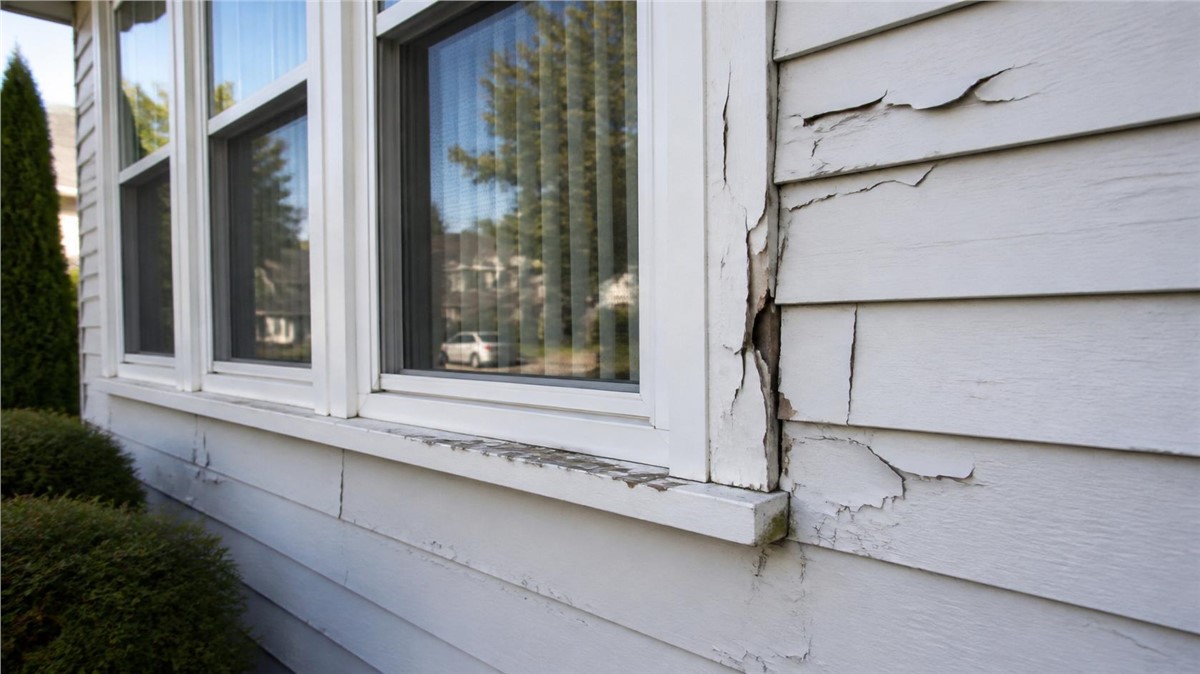
Windows are some of the most vulnerable areas on a home’s exterior. They interrupt the siding system, require proper flashing, and need tight sealing to keep water out. When siding damage appears around windows, it should not be ignored.
For homeowners in Whitefish Bay, WI, siding and window areas face heavy rain, wind, snow, ice, humidity, hail, and freeze-thaw cycles. Small gaps or cracks around windows can allow moisture into the wall system and create hidden damage over time.
This guide explains what homeowners should check when they notice siding damage around windows and when it may be time to call a contractor.
Why Window Areas Need Extra Attention
Windows rely on several exterior parts working together. Siding, trim, flashing, caulking, house wrap, and the window unit itself all help manage water.
Damage around windows may lead to:
- Moisture behind siding
- Soft trim
- Interior wall stains
- Peeling paint
- Drafts
- Mold or mildew concerns
- Damaged insulation
- Window leaks
- Warped siding
- Lower curb appeal
Because water can travel behind the surface, the visible damage may not show the full problem.
Check for Cracked Siding
Cracked siding near windows can allow water to enter behind the panels. Cracks may happen from hail, wind, impact damage, aging materials, or temperature movement.
Look for:
- Small cracks near window corners
- Holes or punctures
- Broken siding edges
- Cracks below window trim
- Chipped panels
- Damage on one side of the home
Even a small crack should be inspected if it is close to a window opening.
Check for Gaps Around Trim
Gaps around window trim can create a path for wind-driven rain. This is especially important during storms when water hits the wall at an angle.
Warning signs include:
- Open seams around window trim
- Loose J-channel
- Trim pulling away
- Gaps at corners
- Missing caulk where sealing is needed
- Daylight visible around trim areas
- Water stains below windows
If gaps are present, the issue may involve trim, flashing, siding movement, or installation problems.
Check for Loose Siding Panels
Loose siding around windows may rattle during wind or shift away from the wall. Once siding is loose, rain and snowmelt may reach the materials behind it.
Loose siding signs include:
- Panels that look uneven
- Siding pulling away from trim
- Rattling during wind
- Panels that no longer lock together
- Open seams
- Missing siding pieces
- Loose corner or accessory pieces
Loose siding should be checked before the next storm makes the damage worse.
Check for Water Stains Below Windows
Water stains below windows can point to a window leak, siding issue, failed flashing, or poor drainage. Stains may appear on siding, trim, brick, interior drywall, or paint.
Watch for:
- Brown or dark streaks
- Stains on siding below windows
- Peeling paint inside
- Bubbling drywall
- Damp window sills
- Water marks after rain
- Musty odors near windows
If water stains appear indoors, the issue should be inspected quickly.
Check for Soft or Rotted Trim
Exterior trim around windows can become soft when exposed to repeated moisture. Soft trim may mean water has been entering behind the siding or around the window opening.
Signs include:
- Soft wood
- Rot near window corners
- Peeling paint
- Swollen trim
- Cracked trim boards
- Gaps around casing
- Mold or mildew
- Loose trim pieces
Replacing trim without fixing the water source may allow the problem to return.
Check for Failed Caulking
Caulking helps seal certain exterior joints, but it can crack, shrink, or pull away over time. Failed caulking may let water enter around window trim.
Failed caulking may look like:
- Cracked sealant
- Gaps in caulk lines
- Peeling or missing caulk
- Hardened sealant
- Separated trim joints
- Water stains near seams
Caulking alone is not always the fix. If flashing or siding details are wrong, simply adding more caulk may only hide the problem temporarily.
Check for Flashing Problems
Flashing helps direct water away from window openings. If flashing is missing, damaged, or poorly installed, water may get behind the siding and into the wall.
Flashing problems may include:
- Water stains below windows
- Loose siding near the window top
- Soft trim
- Interior moisture
- Gaps above window trim
- Siding damage concentrated near openings
- Repeated leaks after storms
Because flashing is often hidden, a professional inspection may be needed to confirm the issue.
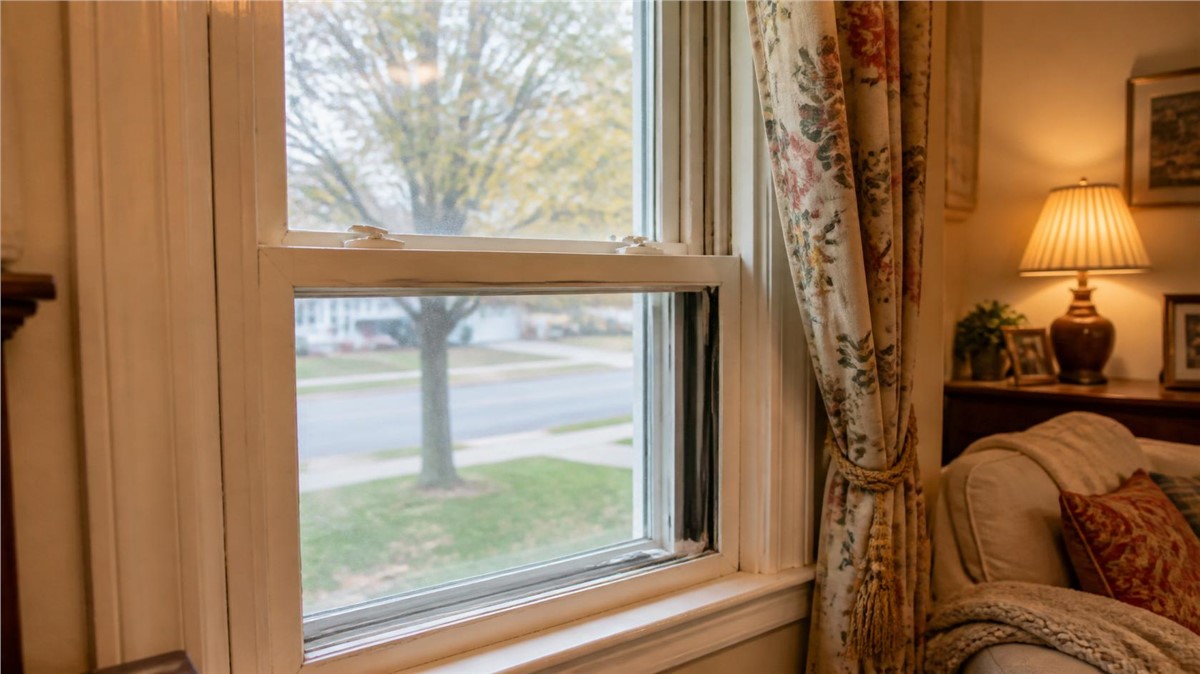
Check for Foggy or Failed Windows
Sometimes siding damage around windows appears with window seal failure. Fogging between panes does not always mean siding damage, but it can signal aging windows or moisture concerns.
Window warning signs include:
- Fog between panes
- Moisture inside the glass unit
- Streaking that cannot be cleaned
- Drafts
- Hard-to-open windows
- Cracked glass
- Damaged frames
- Water around the sill
If the window frame or surrounding trim is damaged, replacement may be more practical than glass repair alone.
Check for Warped Siding
Warped siding near windows may mean heat exposure, moisture behind the panels, tight installation, or hidden wall movement.
Look for:
- Wavy siding
- Bulging panels
- Buckled areas
- Panels pulling away from trim
- Uneven siding lines
- Gaps near seams
- Distortion below or beside windows
Warped siding should be inspected to determine whether the problem is cosmetic or moisture-related.
Check for Storm Damage
Whitefish Bay homes can be affected by hail, wind, heavy rain, snow, and ice. Storms may damage siding and windows during the same event.
Storm-related damage may include:
- Cracked siding
- Holes from hail
- Loose panels
- Dented trim
- Torn screens
- Cracked glass
- Failed caulking
- Water stains after wind-driven rain
- Damaged gutters above windows
If damage appeared after a storm, the full exterior should be inspected.
Check Gutters Above Window Areas
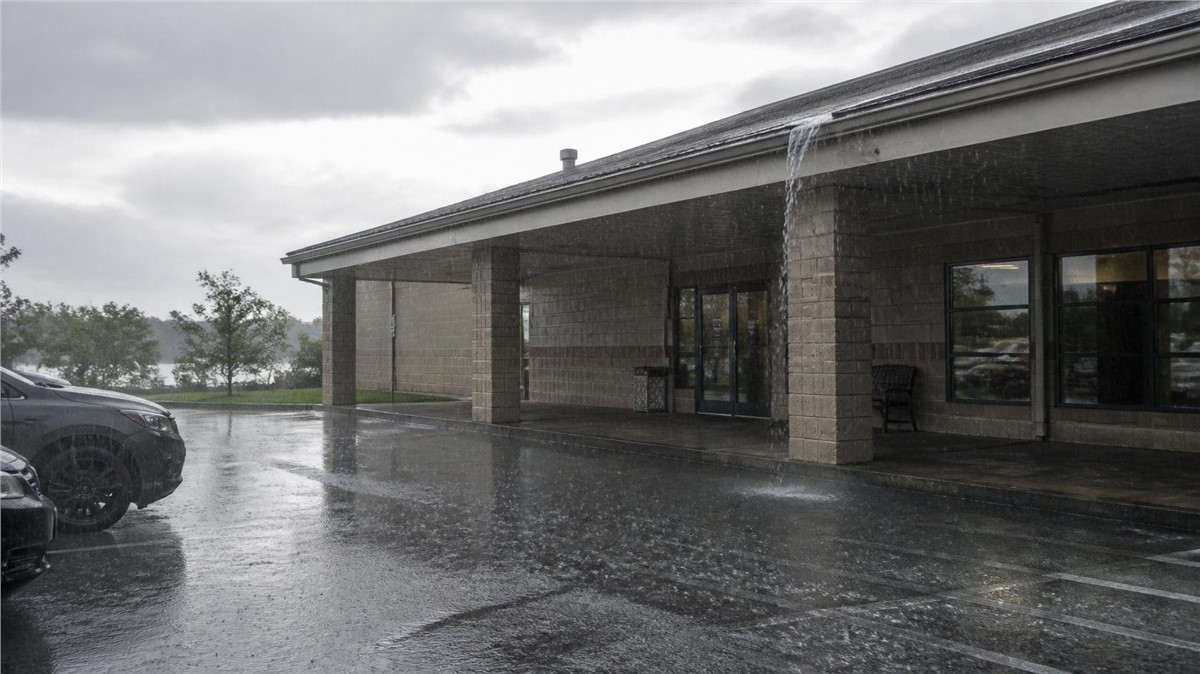
Gutters can contribute to siding and window damage if they overflow, leak, or pull away. Water may run down the siding and collect around window openings.
Gutter warning signs include:
- Overflow during rain
- Leaking seams
- Water stains below gutters
- Sagging sections
- Short downspouts
- Ice buildup
- Water running behind gutters
- Fascia damage
If siding damage is below a gutter issue, drainage may be part of the problem.
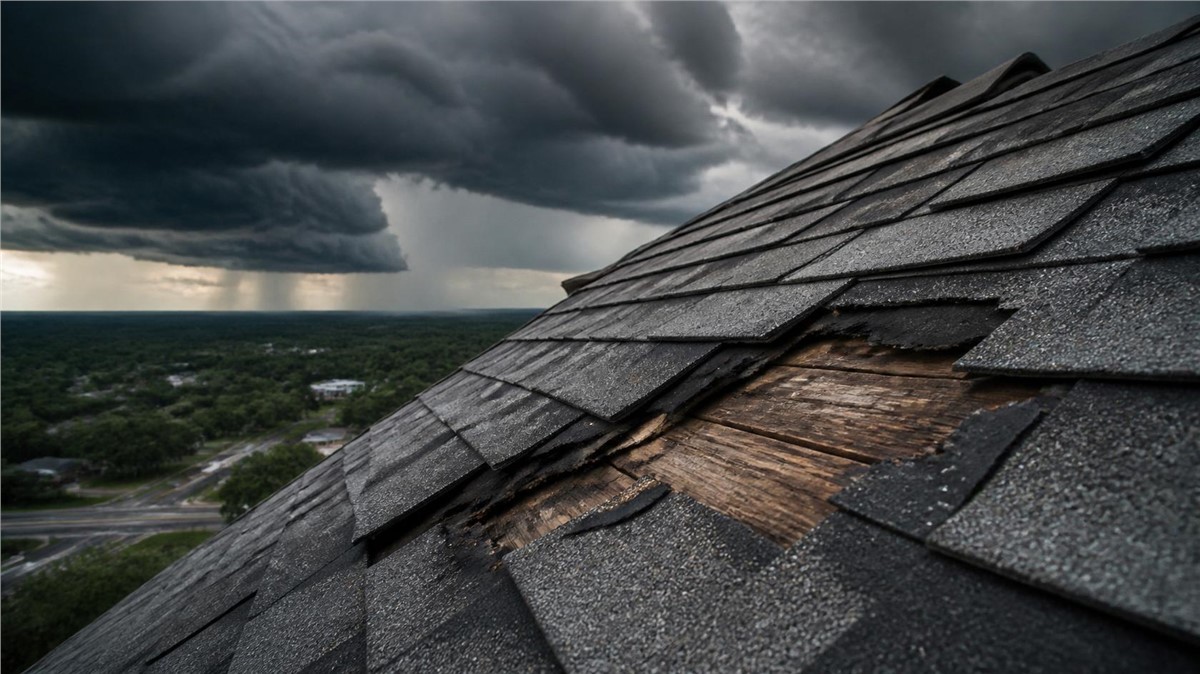
Check the Roof and Flashing Above Windows
Water near windows does not always start at the window. Roof edge problems, flashing issues, or gutter overflow above the area may send water down the wall.
Roof-related causes may include:
- Damaged shingles
- Missing shingles
- Loose flashing
- Roof edge leaks
- Ice buildup
- Valley drainage issues
- Fascia or soffit damage
- Water running behind gutters
A full inspection can help trace where the moisture is actually coming from.
Interior Signs to Watch For
Interior signs may confirm that water is getting past the exterior surface.
Look indoors for:
- Peeling paint near windows
- Bubbling drywall
- Soft window sills
- Brown water stains
- Musty odors
- Damp trim
- Drafts
- Mold or mildew near corners
Interior moisture signs should be addressed quickly because hidden wall damage may already be present.
Can Siding Around Windows Be Repaired?
Yes, siding damage around windows may be repairable when the issue is isolated and no hidden moisture damage is found.
Repair may include:
- Replacing damaged siding panels
- Reattaching loose siding
- Repairing trim
- Correcting caulking
- Replacing J-channel
- Fixing flashing details
- Addressing gutter overflow
- Repairing small storm-damaged areas
The repair should solve the cause, not just cover the visible damage.
When Replacement May Be Better
Replacement may be a better option when damage is widespread or tied to moisture, aging materials, or repeated failures.
Replacement may make sense if:
- Siding is cracked around several windows
- Moisture damage is present
- Trim is soft or rotted
- Matching siding is difficult
- Panels are brittle or faded
- Storm damage affects multiple walls
- Window frames are damaged
- Repairs keep returning
A professional inspection can help homeowners decide whether siding repair, window replacement, or a larger exterior update is needed.
What Should Be Included in an Estimate?
A siding and window-area estimate should clearly explain the cause of damage and the repair plan.
A good estimate may include:
- Damage locations
- Siding material
- Matching availability
- Trim condition
- Flashing concerns
- Window condition
- Moisture damage findings
- Gutter or roof-related issues
- Repair or replacement recommendation
- Cleanup details
- Warranty information
The estimate should explain how the work will help prevent future water problems.
Why a Full Exterior Inspection Helps
Siding damage around windows is often connected to more than one exterior system. Roofing, gutters, siding, windows, flashing, fascia, soffit, trim, and drainage all affect how water moves around the home.
A full exterior inspection may include:
- Siding around windows
- Window frames and glass
- Exterior trim
- Flashing
- Gutters and downspouts
- Roof edges
- Fascia and soffit
- Interior moisture signs
- Storm damage areas
Huskie Exteriors provides roofing, siding, window, gutter, and storm damage restoration services, helping homeowners evaluate the full exterior system.
Why Local Exterior Experience Matters
A local contractor understands how Wisconsin weather affects siding and windows. In Whitefish Bay, WI, homes need exterior systems that can handle wind, rain, snow, ice, hail, humidity, and freeze-thaw cycles.
Local experience helps homeowners determine whether siding damage around windows is caused by storm damage, failed flashing, loose siding, gutter overflow, aging windows, poor sealing, or hidden moisture.
Conclusion
Siding damage around windows in Whitefish Bay, WI can be caused by cracks, gaps, loose panels, failed caulking, poor flashing, storm damage, gutter overflow, window issues, or hidden moisture. Homeowners should check both the exterior and interior for early warning signs before the damage spreads.
If your siding is cracked, loose, stained, warped, moisture-damaged, or failing around windows, Huskie Exteriors can inspect your home and recommend the right next step.
Contact Huskie Exteriors for professional roofing, siding, window, gutter, and storm damage services in Illinois and Wisconsin.
Subscribe to Huskie Exteriors's Blog






Comments