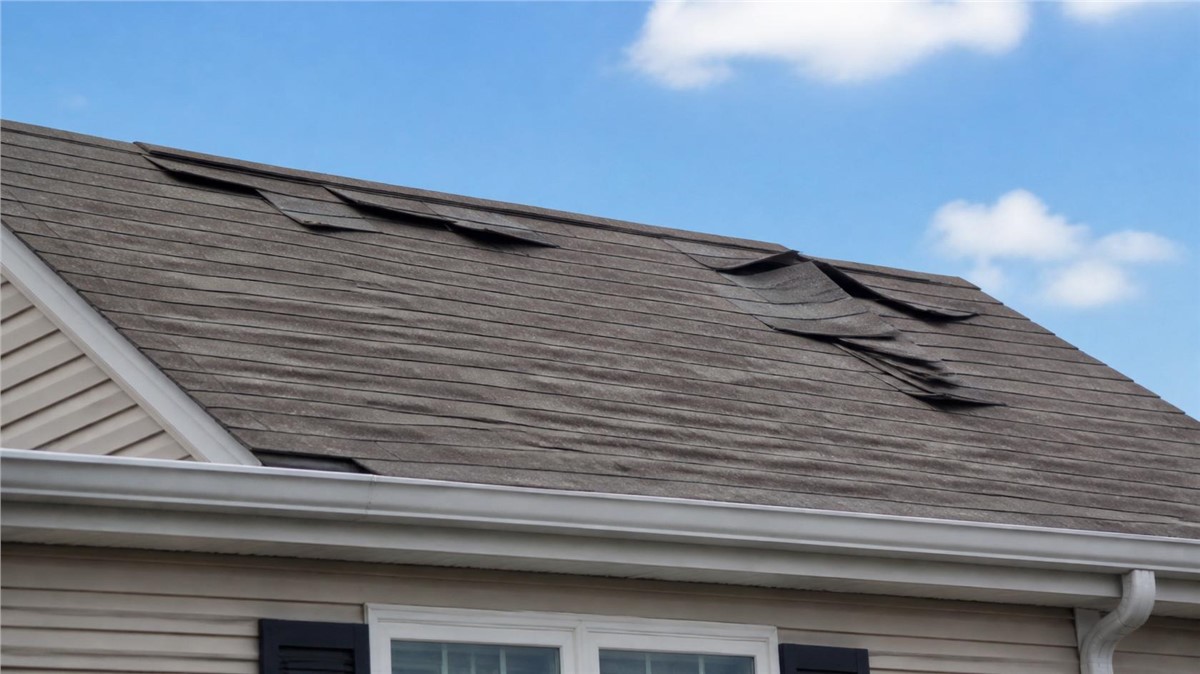
After a strong windstorm, your roof may look mostly normal from the ground. But shingles can lift during high winds, lose their seal, and settle back down without looking obviously damaged. This makes wind-lifted shingles easy to miss.
For homeowners in Byron, IL, wind-lifted shingles should not be ignored. Northern Illinois weather can bring strong wind, hail, heavy rain, snow, ice, humidity, and freeze-thaw cycles. Once shingles are lifted, the next storm can push water beneath the roof surface and create leaks or hidden moisture damage.
This guide explains why wind-lifted shingles matter, how to spot warning signs, and when to call a roofing contractor.
What Are Wind-Lifted Shingles?
Wind-lifted shingles are shingles that have been raised, loosened, creased, or partially separated by wind. Sometimes they remain visibly lifted. Other times, they lay flat again after the wind dies down.
The problem is that the adhesive seal may be broken.
Wind-lifted shingles may show:
- Raised edges
- Loose tabs
- Creases
- Uneven roof lines
- Shingles that flap during wind
- Missing shingles nearby
- Exposed nail areas
- Water leaks after storms
Even if the shingles still look attached, they may no longer protect the roof properly.
Why the Shingle Seal Matters
Asphalt shingles are designed to seal together after installation. This seal helps resist wind and prevents water from getting underneath the shingle layers.
When wind breaks that seal, the roof becomes more vulnerable to:
- Wind-driven rain
- Future shingle blow-offs
- Leaks
- Underlayment damage
- Decking moisture
- Attic water stains
- Ice-related damage
- Repeated storm damage
A broken seal is not always visible from the ground, which is why inspection matters after strong wind.
Why Wind-Lifted Shingles Can Lead to Leaks
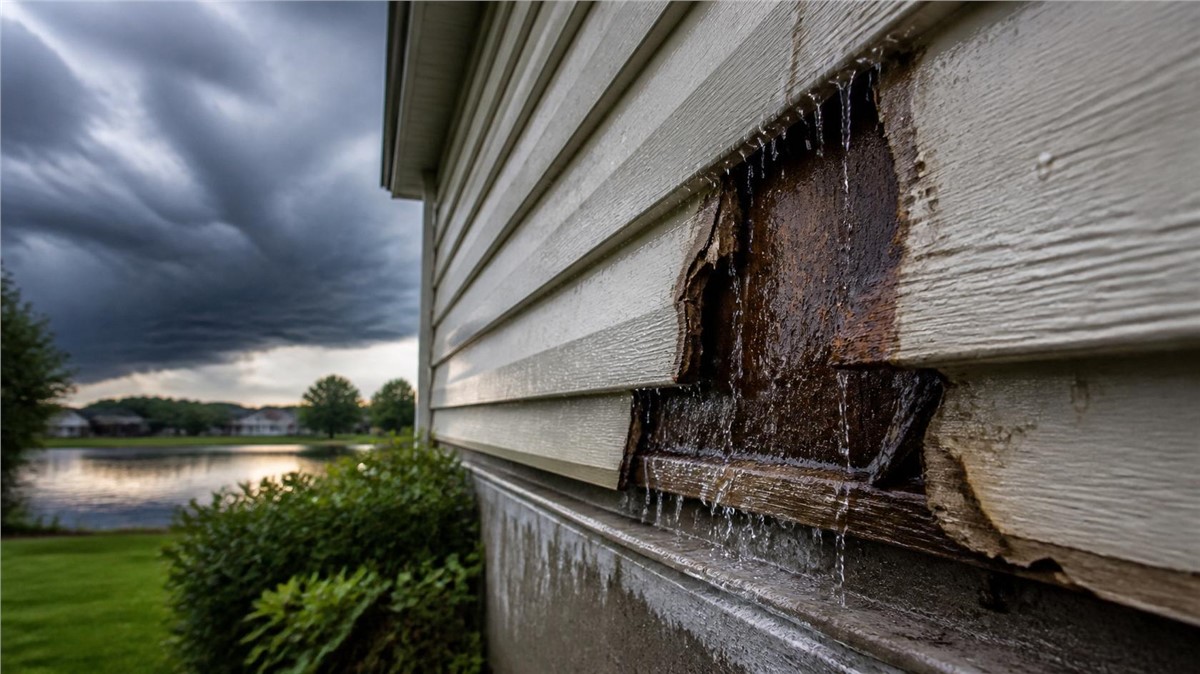
Water can enter beneath lifted shingles during rain, snowmelt, or ice thawing. Once water gets below the shingle layer, it can travel across underlayment, decking, rafters, or insulation before appearing inside the home.
Possible leak signs include:
- Ceiling stains
- Damp attic insulation
- Musty odors
- Peeling paint
- Bubbling drywall
- Water near exterior walls
- Dark roof decking
- Dripping during storms
A leak may not happen immediately. Damage can worsen over several weather events.
Common Causes of Wind-Lifted Shingles
Wind-lifted shingles can happen for several reasons. Sometimes the wind is strong enough to affect a healthy roof. Other times, the roof is already vulnerable.
Common causes include:
- High wind gusts
- Aging shingles
- Poor installation
- Weak adhesive strips
- Improper nailing
- Brittle roofing materials
- Previous hail damage
- Loose ridge caps
- Roof edge exposure
- Poor attic ventilation
A contractor can identify whether the damage is isolated or part of a larger roof condition issue.
Warning Signs After a Windstorm
Homeowners can check safely from the ground after a windstorm. Do not climb onto the roof.
Look for:
- Shingles sticking up
- Missing shingles
- Shingle pieces in the yard
- Uneven roof sections
- Loose ridge caps
- Granules near downspouts
- Damaged gutters
- Loose flashing
- Water stains indoors
- Debris impact marks
If anything looks different after a storm, a professional inspection is a smart next step.
Shingles May Look Fine but Still Be Damaged
One reason wind-lifted shingles are concerning is that they may not always stay lifted. A shingle can lift during the storm, break the seal, and then return to a flat position.
That means the roof can look fine while still being more vulnerable to future water intrusion.
This is especially important when:
- The storm had strong gusts
- Neighbors had roof damage
- Shingles are older
- Granules are collecting in gutters
- Small leaks appear after storms
- Ridge caps or flashing look loose
A professional inspection can check for signs that are not easy to see from the ground.
Wind Damage Near Roof Edges
Roof edges are especially vulnerable to wind. Once wind gets under the edge of a shingle, it can lift surrounding materials and create a wider damaged area.
Roof edge damage may include:
- Lifted shingles
- Missing starter shingles
- Loose drip edge
- Fascia damage
- Gutter damage
- Water running behind gutters
- Ice buildup in winter
- Soffit moisture
If roof edge shingles are lifted, gutters and fascia should also be inspected.
Wind Damage Around Ridge Caps
Ridge caps protect the peak areas of the roof. Because they sit at high points, they can be exposed to strong wind.
Damaged ridge caps may show:
- Lifted sections
- Missing pieces
- Cracks
- Loose fasteners
- Granule loss
- Water entry near peaks
- Shingle pieces in the yard
Ridge cap damage can lead to leaks near upper attic areas if not repaired.
Wind and Flashing Problems
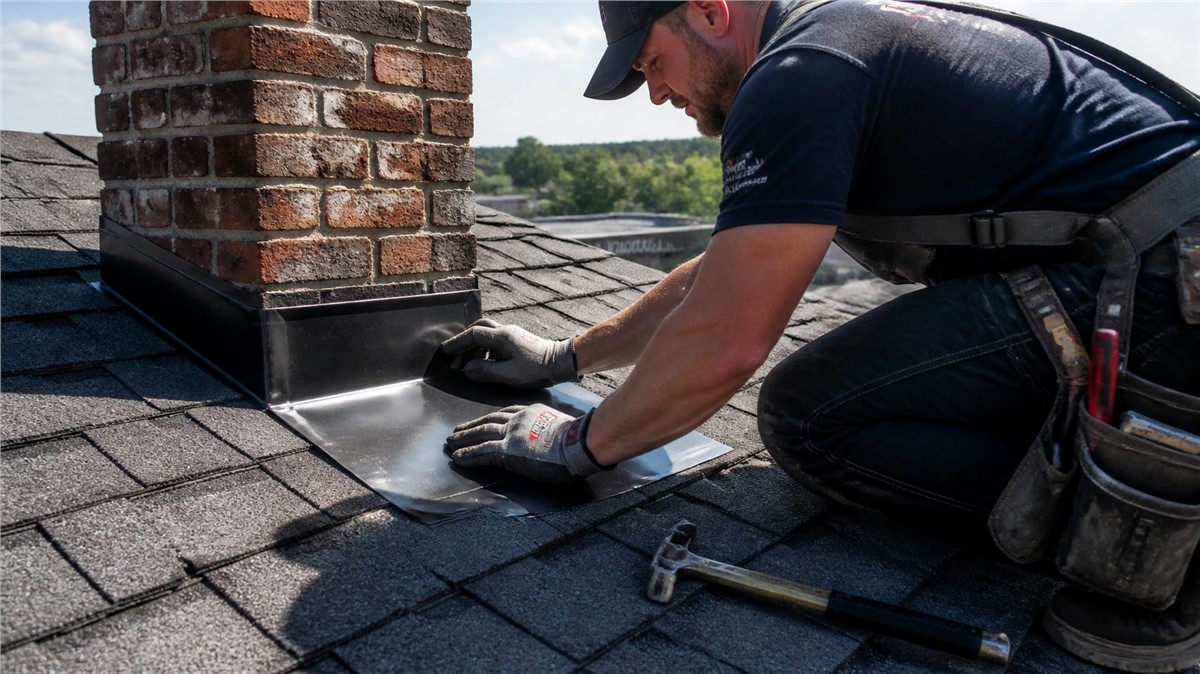
Wind can also loosen flashing around roof details. If shingles are lifted near flashing, water may enter around chimneys, skylights, vents, valleys, or wall transitions.
Flashing areas to check include:
- Chimneys
- Skylights
- Pipe boots
- Roof vents
- Valleys
- Dormers
- Wall transitions
- Roof edges
Flashing problems can cause leaks even if most shingles look intact.
Wind-Lifted Shingles and Hail Damage
Wind and hail often happen during the same storm season. Hail can weaken shingles, and wind can later lift or remove them more easily.
Signs that hail may also be involved include:
- Bruised shingles
- Dark impact marks
- Missing granules
- Dented gutters
- Dented roof vents
- Damaged ridge caps
- Torn window screens
- Cracked siding
If hail and wind affected the home, roofing, siding, gutters, windows, fascia, soffit, and trim should all be checked.
Why Waiting Can Make Damage Worse
Waiting to repair wind-lifted shingles can allow small roof problems to spread. A shingle that is loose today may tear away during the next storm.
Delaying inspection may lead to:
- More lifted shingles
- Missing shingles
- Larger leak areas
- Wet attic insulation
- Damaged decking
- Interior water stains
- Emergency repairs
- Higher repair costs
Wind damage should be inspected before the next round of severe weather.
Winter Can Make Lifted Shingles More Serious
Byron homes face snow, ice, and freeze-thaw cycles. If shingles are lifted before winter, water can enter small openings, freeze, expand, and worsen the damage.
Winter concerns include:
- Ice buildup near roof edges
- Water backing up under shingles
- Leaks during thawing
- Fascia and soffit damage
- Wet insulation
- Roof edge deterioration
- More shingle movement
Repairing lifted shingles before winter can help reduce seasonal roof stress.
Can Wind-Lifted Shingles Be Repaired?
Yes, wind-lifted shingles may be repairable if the damage is limited and the surrounding roof is still in good condition.
Repair may be possible when:
- Only a few shingles are lifted
- No decking damage is found
- No widespread storm damage is present
- Shingles are not brittle
- Matching shingles are available
- Flashing is still secure
- The roof is otherwise performing well
A contractor can determine whether the lifted shingles can be replaced or secured properly.
When Roof Replacement May Be Needed
Replacement may be the better option when wind damage is widespread or the roof is already aging.
Roof replacement may be recommended if:
- Many shingles are lifted or missing
- Shingles are brittle or curling
- Granule loss is widespread
- Storm damage affects multiple slopes
- Leaks keep returning
- Decking is soft or damaged
- Repairs would not match well
- The roof is near the end of its lifespan
A professional inspection can help homeowners compare repair and replacement options.
What to Do After Wind Damage
After a windstorm, take safe steps to document and respond.
Helpful steps include:
- Check the roof from the ground
- Look for shingles in the yard
- Take photos of visible damage
- Check ceilings for stains
- Look in the attic if safe
- Note the storm date
- Avoid climbing on the roof
- Schedule a professional inspection
- Contact insurance if storm damage may be involved
Do not wait for an active leak before having the roof checked.
Insurance and Wind Damage
If wind-lifted shingles were caused by a storm, homeowners should contact their insurance provider to understand their policy, deductible, deadlines, documentation requirements, and coverage.
Helpful documentation may include:
- Storm date notes
- Photos from the ground
- Interior water stain photos
- Contractor inspection findings
- Temporary repair receipts
- Adjuster appointment notes
Every policy is different, so claim guidance should come directly from the insurance provider.
Why Gutters Should Be Checked Too
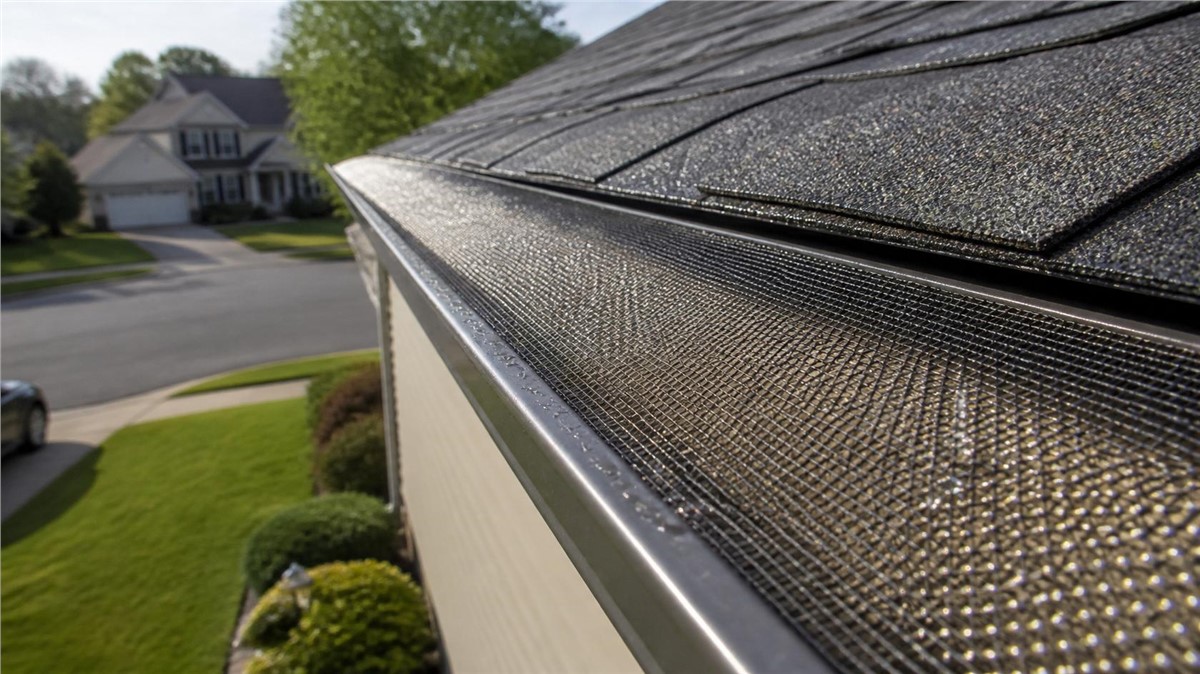
Gutters often show signs of storm impact. Wind can loosen gutters, pull fasteners away, or cause debris to clog the system.
Gutter issues may include:
- Sagging sections
- Loose fasteners
- Leaking seams
- Water running behind gutters
- Granules near downspouts
- Overflow during rain
- Dented sections
- Fascia damage
If the roof has wind damage, gutters, fascia, and soffit should be reviewed as part of the inspection.
Why a Full Exterior Inspection Helps
Wind damage often affects more than the shingles. A strong storm can damage roofing, siding, gutters, windows, flashing, fascia, soffit, and trim during the same event.
A full exterior inspection may include:
- Shingles
- Ridge caps
- Flashing
- Gutters and downspouts
- Siding
- Windows and screens
- Fascia and soffit
- Exterior trim
- Attic moisture signs
- Interior water stains
Huskie Exteriors provides roofing, siding, window, gutter, and storm damage restoration services, helping homeowners evaluate the full exterior system.
Why Local Exterior Experience Matters
A local contractor understands how Illinois weather affects roofing systems. In Byron, IL, homes need roofs that can handle wind, hail, heavy rain, snow, ice, humidity, heat, and freeze-thaw cycles.
Local experience helps homeowners determine whether wind-lifted shingles are isolated, storm-related, repairable, insurance-related, or part of a larger roof replacement concern.
Conclusion
Wind-lifted shingles in Byron, IL matter because they can break the seal that protects your roof from water and future storm damage. Even if the shingles look like they settled back down, they may still be vulnerable to leaks, wind-driven rain, snowmelt, and ice.
If your roof has lifted shingles, missing shingles, storm damage, granule loss, roof leaks, or loose flashing, Huskie Exteriors can inspect your roof and recommend the right next step.
Contact Huskie Exteriors for professional roofing, siding, window, gutter, and storm damage services in Illinois and Wisconsin.
Subscribe to Huskie Exteriors's Blog





Comments