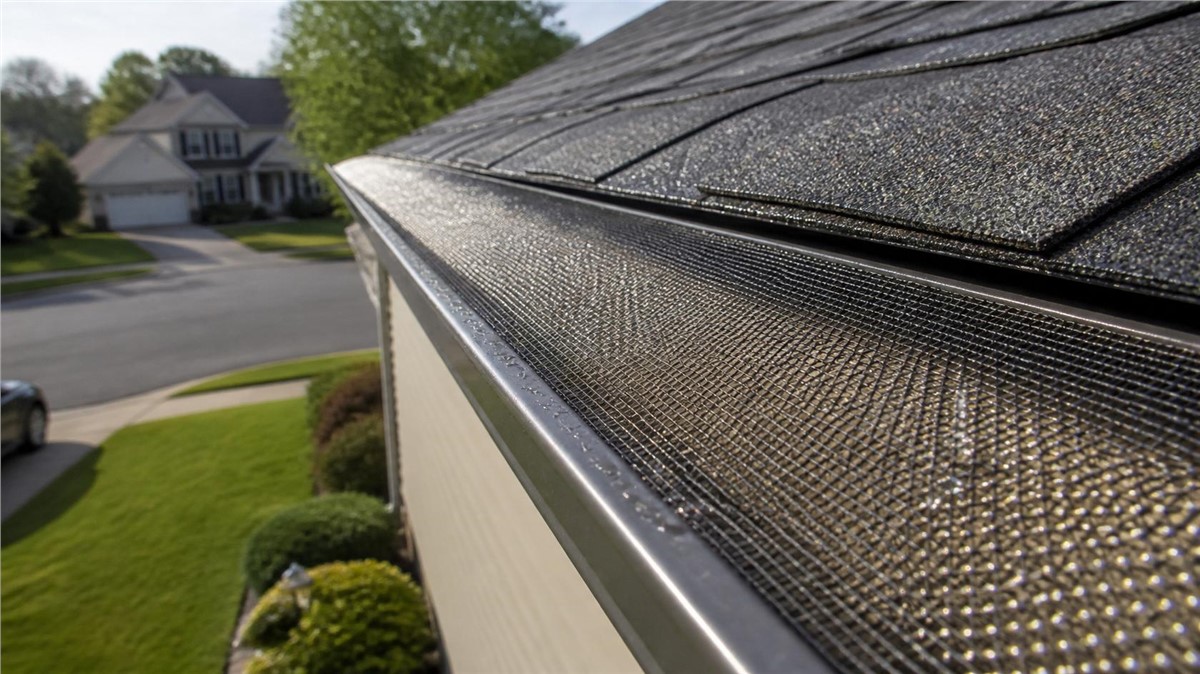
Gutter guards are designed to reduce the amount of leaves, twigs, roof granules, seeds, and debris that collect inside your gutters. For homeowners in DeKalb, IL, they can be helpful because clogged gutters can lead to roof edge problems, siding stains, fascia damage, foundation moisture, and winter ice buildup.
But many homeowners ask the same question: are gutter guards worth the cost?
The answer depends on your home, tree coverage, gutter condition, roof design, and how often your gutters clog. This guide explains what affects gutter guard pricing, when they make sense, and when gutter repair or replacement should come first.
Gutter Guards Cost Overview
For general planning, Angi’s 2026 gutter guard cost guide lists professional gutter guard installation at about $6 to $13 per linear foot, with many projects ranging from $653 to $2,458 depending on home size, material, and linear footage. Angi’s Chicago-area guide lists a similar local range of about $6 to $15 per linear foot, with project size, guard type, and home height affecting the final price.
Premium branded systems can cost more. This Old House’s 2026 survey-based guide reports an average of about $45 per linear foot for professionally installed gutter guard systems from major providers, while HomeGuide notes that material-only gutter guard prices can range from low-cost plastic screens to higher-cost micro-mesh and reverse-curve options, with labor adding more depending on job complexity.
These ranges are not a quote for your DeKalb home. Your actual cost depends on the inspection, gutter length, material choice, roof access, existing gutter condition, and whether repairs are needed first.
Why Gutter Guard Pricing Varies
Gutter guard pricing can vary widely because not every home has the same gutter system. A simple one-story home with straight gutter runs is usually easier to work on than a two-story home with steep rooflines, multiple corners, trees, and difficult access.
Common cost factors include:
- Total gutter length
- Gutter guard material
- Guard style
- Home height
- Roof pitch
- Gutter condition
- Cleaning needs
- Gutter repairs
- Downspout condition
- Labor access
- Warranty coverage
A professional inspection helps homeowners understand what is included before choosing a system.
Factor 1: Gutter Length
Most gutter guard projects are priced by linear foot. The more gutter footage your home has, the more material and labor are needed.
Homes with long rooflines, attached garages, additions, porches, or multiple roof sections may need more gutter guard material than smaller homes.
A contractor may measure:
- Front gutters
- Rear gutters
- Garage gutters
- Porch gutters
- Upper-level gutter runs
- Downspout locations
- Corners and transitions
Accurate measuring is important because guessing can lead to budget surprises.
Factor 2: Type of Gutter Guard
Different gutter guard types come with different costs, maintenance needs, and performance levels.
Common options include:
- Plastic screens
- Metal screens
- Micro-mesh guards
- Foam inserts
- Brush guards
- Reverse-curve guards
- Surface-tension systems
Basic screens may cost less upfront, while micro-mesh or professionally installed systems may cost more. The best option depends on your debris type, roof design, gutter condition, and budget.
Factor 3: Tree Coverage Around the Home
Gutter guards are often more valuable when trees are close to the house. Leaves, twigs, seeds, pine needles, and small debris can clog gutters quickly.
Gutter guards may be worth considering if:
- Trees hang over the roof
- Gutters clog every season
- Downspouts back up often
- Leaves collect near roof valleys
- Debris causes overflow during rain
- You pay for frequent gutter cleaning
Homes with fewer trees may not need a premium guard system unless gutter access is difficult or overflow problems keep happening.
Factor 4: Home Height and Roof Access
Home height affects installation labor and safety. One-story homes are usually easier to access than two-story homes or homes with steep rooflines.
Access may affect cost when there are:
- Tall gutter runs
- Steep roof slopes
- Walkout basement elevations
- Landscaping near the home
- Decks or patios
- Fences
- Tight side yards
- Difficult ladder placement
Professional installation is often safer for taller homes or complex rooflines.
Factor 5: Existing Gutter Condition
Gutter guards work best when the existing gutter system is already in good shape. If gutters are leaking, sagging, clogged, rusted, or pulling away, those problems should be addressed before guards are installed.
Gutter issues may include:
- Leaking seams
- Loose fasteners
- Sagging sections
- Poor slope
- Rust or holes
- Pulling away from fascia
- Damaged downspouts
- Water running behind gutters
Installing guards over failing gutters will not solve drainage problems.
Factor 6: Cleaning Before Installation
Gutters usually need to be cleaned before guards are installed. Debris left inside the system can block water flow even after the guards are added.
Cleaning may include:
- Removing leaves and twigs
- Clearing roof granules
- Flushing downspouts
- Checking outlets
- Removing mud or buildup
- Inspecting for leaks
Angi’s 2026 guide notes that homeowners may need to budget for gutter repairs and cleaning before new guards are installed.
Factor 7: Gutter Repairs Before Guards
If the gutters are damaged, repairs can add to the project cost. However, repairing the gutter system first helps the guards perform properly.
Repairs may include:
- Resealing seams
- Reattaching loose gutters
- Replacing hangers
- Adjusting slope
- Repairing downspouts
- Replacing damaged sections
- Repairing fascia behind gutters
If repairs are extensive, gutter replacement may be a better option before adding guards.
Are Gutter Guards Worth It?
Gutter guards may be worth it if they reduce frequent clogs, overflow, ice buildup, and maintenance needs. They can be especially helpful for homes with trees, hard-to-reach gutters, or repeated water problems.
They may help reduce:
- Gutter clogs
- Overflow during rain
- Leaves in downspouts
- Debris buildup
- Frequent cleaning
- Water running down siding
- Roof edge drainage problems
However, gutter guards do not eliminate maintenance completely. Homeowners should still check gutters periodically, especially after storms and heavy leaf drop.
When Gutter Guards Make Sense
Gutter guards may be a good investment when clogged gutters are already causing problems around the home.
They may make sense if you notice:
- Overflow during storms
- Water stains on siding
- Granules and leaves in gutters
- Ice buildup at roof edges
- Water pooling near the foundation
- Downspout clogs
- Gutters pulling away from debris weight
- Frequent cleaning needs
If gutter clogs are damaging roofing or siding, guards may help reduce future issues.
When Gutter Guards May Not Be Enough
Gutter guards are not a fix for every gutter problem. If the system is poorly installed or damaged, guards may not solve the issue.
Guards may not be enough if:
- Gutters are sagging
- Slope is incorrect
- Downspouts are too short
- Gutters are undersized
- Fascia is damaged
- Roof edges are leaking
- Water runs behind gutters
- Ice dams are caused by attic ventilation problems
The full drainage system should be inspected before installation.
Gutter Guards and Roofing Protection
Clogged gutters can affect roof edges when water backs up near shingles, drip edge, fascia, and soffit.
Gutter guards may help reduce:
- Debris near roof edges
- Water backup from clogs
- Ice buildup from blocked drainage
- Overflow near shingles
- Fascia moisture
- Soffit damage
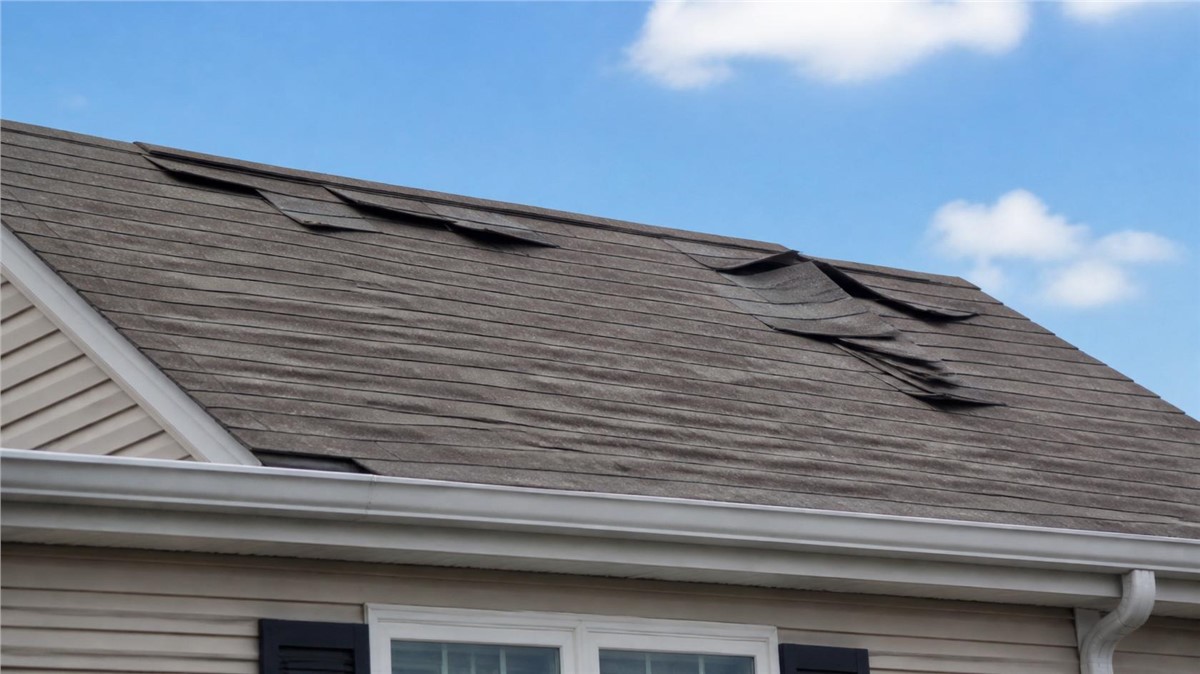
They do not replace roof repair. If shingles, flashing, or roof edges are already damaged, those issues should be fixed separately.
Gutter Guards and Siding Protection
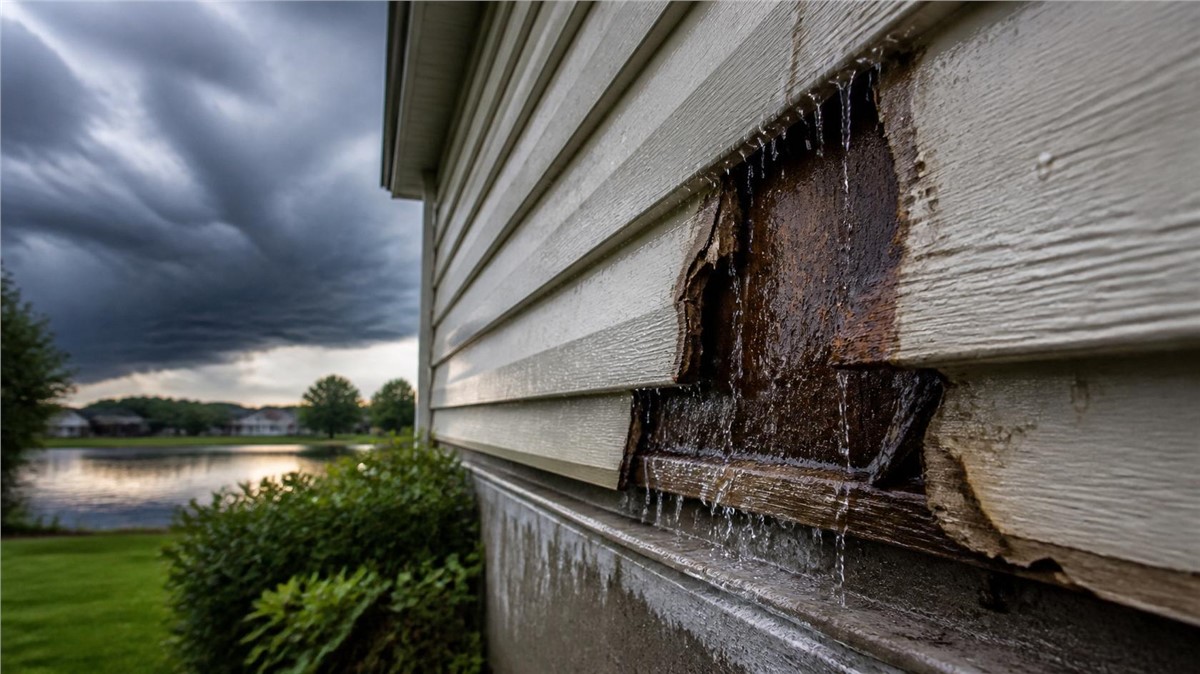
When gutters overflow, water often runs down siding. Over time, this can stain siding, soften trim, and allow moisture behind panels.
Gutter guards may help reduce:
- Water stains
- Overflow marks
- Mildew on siding
- Moisture near window trim
- Drainage down exterior walls
- Repeated siding exposure to runoff
If siding damage is already present, a contractor should inspect the siding, trim, flashing, and gutters together.
Winter Considerations in DeKalb
DeKalb homes need gutters that can handle snow, ice, and freeze-thaw cycles. Gutter guards can help reduce debris buildup, but they do not make gutters immune to winter problems.
Winter concerns may include:
- Ice buildup on gutter guards
- Frozen debris
- Snow sliding from the roof
- Icicles near roof edges
- Water backing up during thawing
- Heavy ice weight on gutters
Good drainage, proper gutter slope, clean downspouts, attic ventilation, and roof edge condition all matter.
Maintenance Still Matters
Gutter guards reduce debris, but they do not make gutters maintenance-free. Small debris, roof granules, seeds, pine needles, and shingle grit can still collect over time.
Homeowners should still check for:
- Debris on top of guards
- Downspout blockages
- Overflow during rain
- Ice buildup
- Loose sections
- Gutter leaks
- Water near the foundation
Routine checks can help catch problems early.
Gutter Guards vs Regular Cleaning
Some homeowners prefer paying for periodic gutter cleaning instead of installing guards. Others choose guards to reduce how often cleaning is needed.
Gutter guards may be more attractive if:
- Cleaning is needed several times per year
- Gutters are hard to reach
- Trees are close to the roof
- Overflow keeps damaging siding
- You want less ladder-related risk
- Downspouts clog often
Regular cleaning may be enough if:
- Your home has few trees
- Gutters are easy to access
- Clogs are rare
- Drainage works well
- You already maintain the system consistently
The right choice depends on the home and maintenance goals.
Should You Replace Gutters and Add Guards Together?
If gutters are old, leaking, sagging, or poorly sloped, it may make sense to replace them and add guards at the same time.
This may help with:
- Better drainage planning
- Improved gutter slope
- Stronger attachment
- New downspout placement
- Cleaner appearance
- Fewer future leak points
- Better guard compatibility
A contractor can explain whether your existing gutters are worth keeping.
What Should Be Included in an Estimate?
A gutter guard estimate should clearly explain what is being installed and what condition the current gutter system is in.
A good estimate may include:
- Linear footage
- Guard type
- Material details
- Gutter cleaning
- Needed repairs
- Downspout inspection
- Fascia concerns
- Installation method
- Warranty details
- Cleanup
- Total project scope
The estimate should also explain whether the gutters should be repaired or replaced before guards are added.
Questions to Ask Before Installing Gutter Guards
Before choosing gutter guards, ask practical questions.
Helpful questions include:
- What type of guard is recommended?
- Will it fit my current gutters?
- Do my gutters need repair first?
- Are downspouts clear?
- Will the guards handle small debris?
- How much maintenance is still required?
- What warranty is included?
- Can the guards handle snow and ice conditions?
- Should gutters be replaced instead?
Clear answers help homeowners avoid choosing guards that do not fit the home’s needs.
Why a Full Exterior Inspection Helps
Gutter problems can affect roofing, siding, fascia, soffit, windows, trim, and drainage. If clogged gutters have already caused damage, installing guards alone may not solve everything.
A full exterior inspection may include:
- Gutters and downspouts
- Roof edges
- Shingles
- Fascia and soffit
- Siding
- Windows and trim
- Flashing
- Foundation drainage
- Storm damage areas
Huskie Exteriors provides roofing, siding, window, gutter, and storm damage restoration services, helping homeowners evaluate the full exterior system.
Why Local Exterior Experience Matters
A local contractor understands how Illinois weather affects gutters. In DeKalb, IL, homes need drainage systems that can handle heavy rain, falling leaves, wind, hail, snow, ice, and freeze-thaw cycles.
Local experience helps homeowners understand whether gutter guards are worth it, whether repairs are needed first, and whether the full exterior system is protected from water damage.
Conclusion
Gutter guards cost in DeKalb, IL depends on gutter length, guard type, material, home height, access, existing gutter condition, cleaning needs, repairs, and installation complexity. They may be worth it for homes with frequent clogs, nearby trees, overflow problems, difficult gutter access, or water damage concerns.
If your gutters are clogged, overflowing, leaking, sagging, pulling away, or causing water to affect your roof or siding, Huskie Exteriors can inspect your home and recommend the right next step.
Contact Huskie Exteriors for professional roofing, siding, window, gutter, and storm damage services in Illinois and Wisconsin.
Subscribe to Huskie Exteriors's Blog





Comments