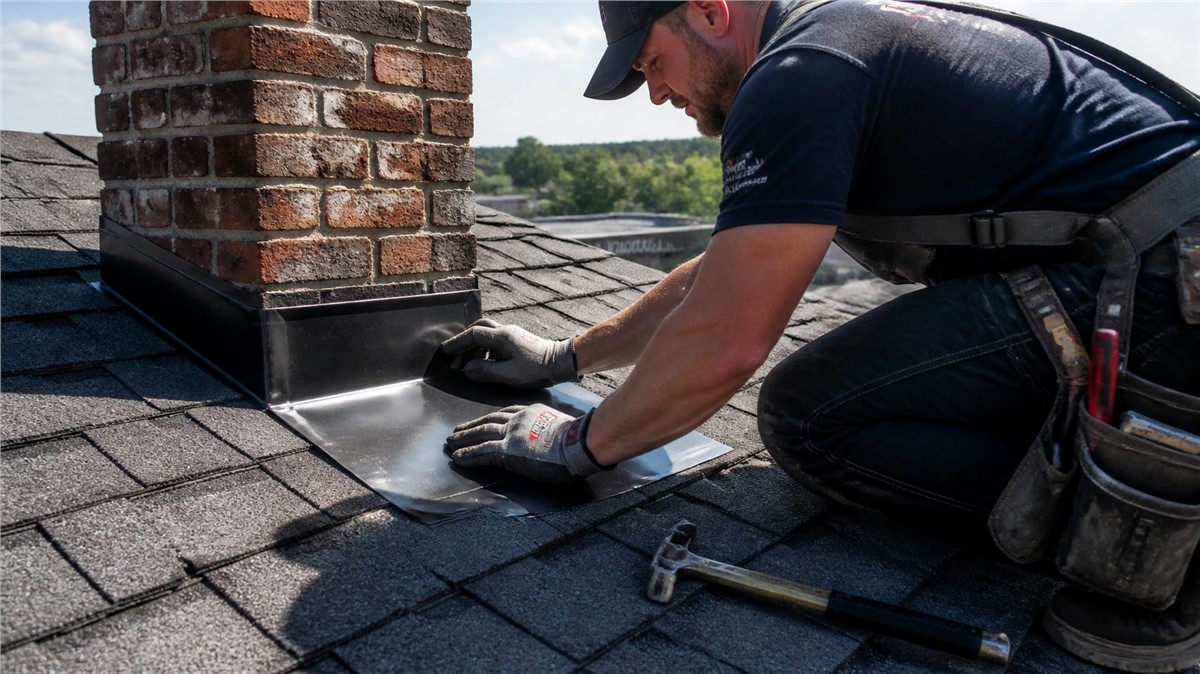
Roof flashing is one of the most important parts of a roofing system, but many homeowners do not notice it until there is a leak. Flashing helps direct water away from vulnerable roof areas where shingles meet walls, chimneys, vents, skylights, valleys, and roof edges.
For homeowners in Rockford, IL, flashing repair is especially important because local weather can be tough on roofs. Wind, hail, heavy rain, snow, ice, humidity, and freeze-thaw cycles can loosen, crack, rust, or damage flashing over time.
This guide explains why roof flashing matters, warning signs of flashing problems, and when homeowners should call a contractor.
What Is Roof Flashing?
Roof flashing is a thin protective material installed around roof transitions and openings. It helps prevent water from entering areas where roofing materials meet other surfaces.
Flashing is commonly found around:
- Chimneys
- Skylights
- Roof valleys
- Vent pipes
- Dormers
- Wall transitions
- Roof edges
- Low-slope connections
Without properly installed flashing, water can enter small gaps and cause hidden damage.
Why Flashing Matters
Shingles protect the main roof surface, but they cannot seal every roof detail by themselves. Flashing protects the areas where leaks are most likely to begin.
Flashing helps prevent:
- Roof leaks
- Attic moisture
- Wet insulation
- Damaged decking
- Ceiling stains
- Wall moisture
- Mold or mildew concerns
- Fascia and soffit damage
- Interior water damage
Even a small flashing issue can lead to a larger moisture problem if it is ignored.
Common Signs of Flashing Damage
Flashing damage is not always obvious from the ground. Some warning signs show up inside the home before the exterior damage is easy to see.
Watch for:
- Ceiling stains
- Leaks after heavy rain
- Water stains near chimneys
- Moisture around skylights
- Rusted flashing
- Loose metal pieces
- Cracked sealant
- Missing shingles near flashing
- Damp attic insulation
- Musty odors
If leaks appear near roof details, flashing should be inspected.
Chimney Flashing Problems
Chimneys are common leak areas because they interrupt the roof surface. Chimney flashing must be installed and sealed correctly to keep water from entering around the masonry and roof connection.
Chimney flashing problems may include:
- Rusted flashing
- Loose step flashing
- Cracked sealant
- Gaps near masonry
- Water stains near the fireplace
- Leaks during wind-driven rain
- Damaged shingles around the chimney
If chimney flashing fails, water can enter the attic, walls, or ceiling areas near the chimney.
Skylight Flashing Problems
Skylights bring natural light into the home, but they also require careful flashing. If the flashing around a skylight fails, water may leak around the frame.
Warning signs include:
- Water stains around the skylight
- Dripping during rain
- Condensation or moisture near the frame
- Cracked sealant
- Loose flashing
- Interior drywall stains
- Peeling paint around the opening
A skylight leak may be caused by flashing, the skylight unit, surrounding shingles, or installation issues.
Roof Valley Flashing Problems
Roof valleys carry large amounts of water during rain and snowmelt. Because of that, valley flashing is especially important.
Valley flashing problems may include:
- Debris buildup
- Damaged shingles near the valley
- Rust or corrosion
- Water stains below the valley
- Ice buildup
- Leaks during heavy rain
- Granule loss near valley areas
If a valley is not draining properly, water may enter beneath the roofing materials.
Vent Pipe and Roof Penetration Leaks
Roof vents, pipe boots, and other penetrations are common leak sources. These areas need proper flashing and sealing to keep water out.
Problems may include:
- Cracked pipe boots
- Loose vent flashing
- Rusted metal
- Missing sealant
- Damaged shingles around vents
- Leaks below bathrooms or kitchens
- Stains in the attic near pipes
Even small cracks around roof penetrations can allow water inside.
Wall and Dormer Flashing Issues
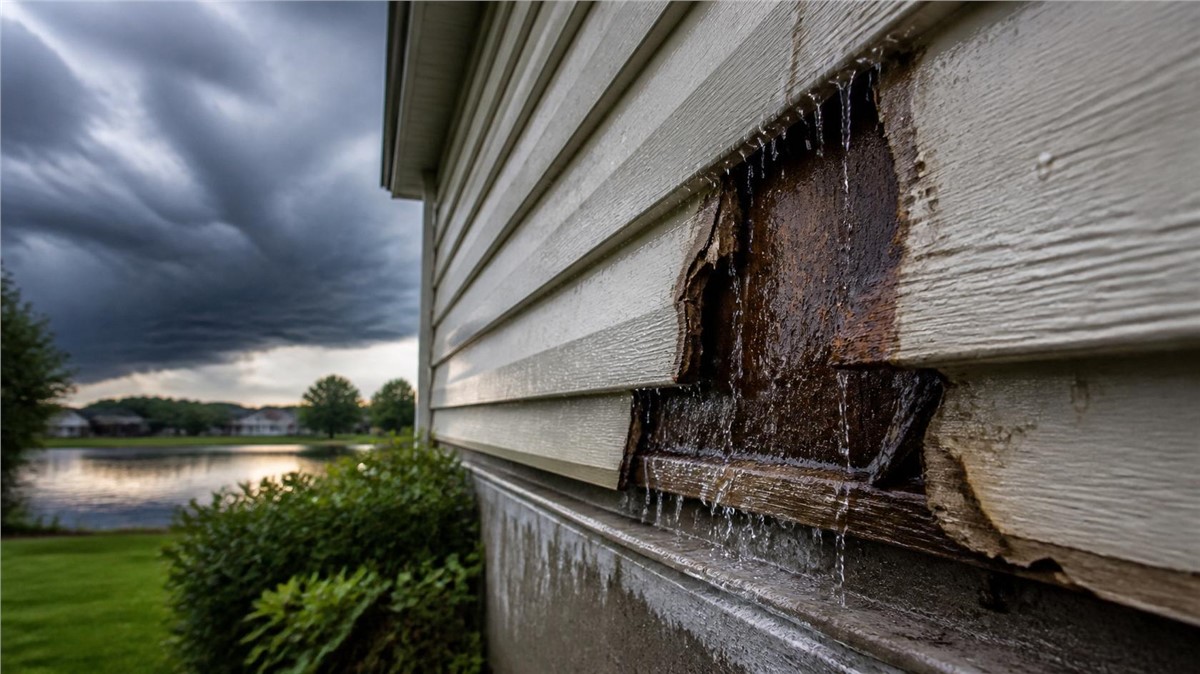
Where a roof meets a wall or dormer, flashing helps guide water away from the joint. If flashing is missing, loose, or poorly sealed, water may enter behind siding or into the roof system.
Warning signs include:
- Water stains on interior walls
- Loose siding near rooflines
- Stains below dormers
- Leaks during wind-driven rain
- Peeling paint
- Soft trim
- Moisture behind siding
These areas should be checked carefully because leaks may involve both roofing and siding.
Roof Edge Flashing Problems
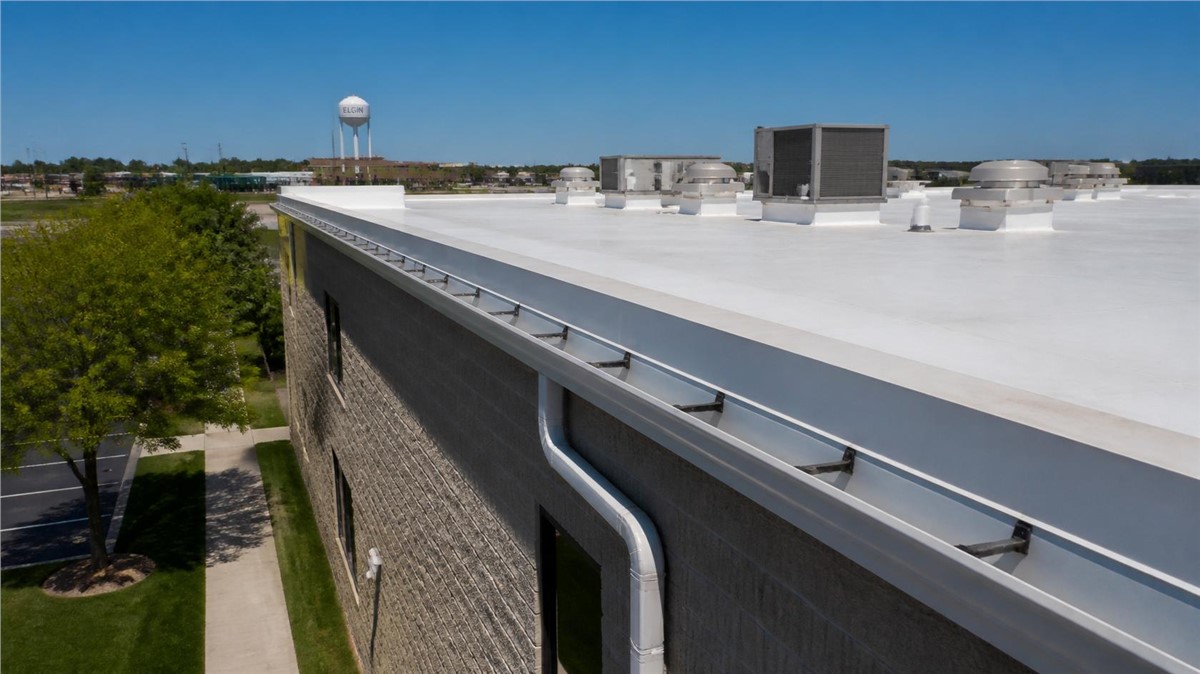
Roof edge flashing helps protect the perimeter of the roof. It works with shingles, gutters, fascia, and soffit to move water away from the home.
Roof edge problems may include:
- Water running behind gutters
- Fascia stains
- Loose drip edge
- Ice buildup
- Gutter overflow
- Damaged shingles at the edge
- Soffit moisture
If gutters are clogged, sagging, or pulling away, roof edge flashing may also be affected.
What Causes Flashing Damage?
Flashing can fail for several reasons. Some damage happens slowly over time, while some occurs after storms.
Common causes include:
- Age
- Rust or corrosion
- Poor installation
- Storm damage
- Wind movement
- Hail impact
- Ice buildup
- Failed sealant
- Roof movement
- Previous repairs
- Gutter overflow
A professional inspection can identify the cause and recommend the right repair.
Storm Damage and Flashing
Rockford homes can be affected by hail, wind, heavy rain, snow, and ice. Storms can loosen flashing, damage shingles around flashing, or create gaps that allow water inside.
Storm-related flashing damage may include:
- Lifted metal flashing
- Loose shingles nearby
- Dented flashing
- Cracked sealant
- Water stains after rain
- Missing shingles near roof details
- Damaged gutters or roof edges
If flashing was damaged by a storm, the full exterior should be inspected.
Can Flashing Be Repaired?
Yes, flashing can often be repaired if the problem is isolated and the surrounding roof is still in good condition.
Flashing repair may include:
- Re-securing loose flashing
- Replacing damaged flashing
- Repairing sealant where appropriate
- Replacing damaged shingles nearby
- Repairing pipe boots
- Correcting flashing around chimneys or skylights
- Improving roof edge details
The repair should address the source of the leak, not just cover the visible stain.
When Roof Replacement May Be Needed
Sometimes flashing problems are part of a larger roof issue. If the shingles, decking, or roof system are also failing, repair may not be enough.
Roof replacement may be considered if:
- The roof is near the end of its lifespan
- Shingles are curling or cracking
- Leaks keep returning
- Flashing problems are widespread
- Decking is soft or damaged
- Storm damage affects multiple areas
- Repairs no longer last
- Matching shingles is difficult
A contractor can help determine whether flashing repair or roof replacement is more practical.
Why DIY Flashing Repairs Can Be Risky
Flashing repair may look simple, but improper repairs can make leaks worse. Water can travel under roofing materials, so sealing the wrong area may not solve the problem.
DIY repairs may create issues such as:
- Trapped moisture
- Incorrect sealant use
- Damaged shingles
- Unsecured flashing
- Missed leak sources
- Unsafe roof access
- Temporary fixes that fail quickly
Homeowners should avoid climbing on the roof and schedule a professional inspection instead.
Interior Signs of Flashing Leaks
Flashing leaks often appear indoors before the exterior issue is obvious.
Interior signs include:
- Ceiling stains
- Damp attic insulation
- Water marks near chimneys
- Stains around skylights
- Peeling paint
- Bubbling drywall
- Musty odors
- Wet areas after storms
If these signs appear near roof details, flashing may be the cause.
Gutters and Flashing Work Together
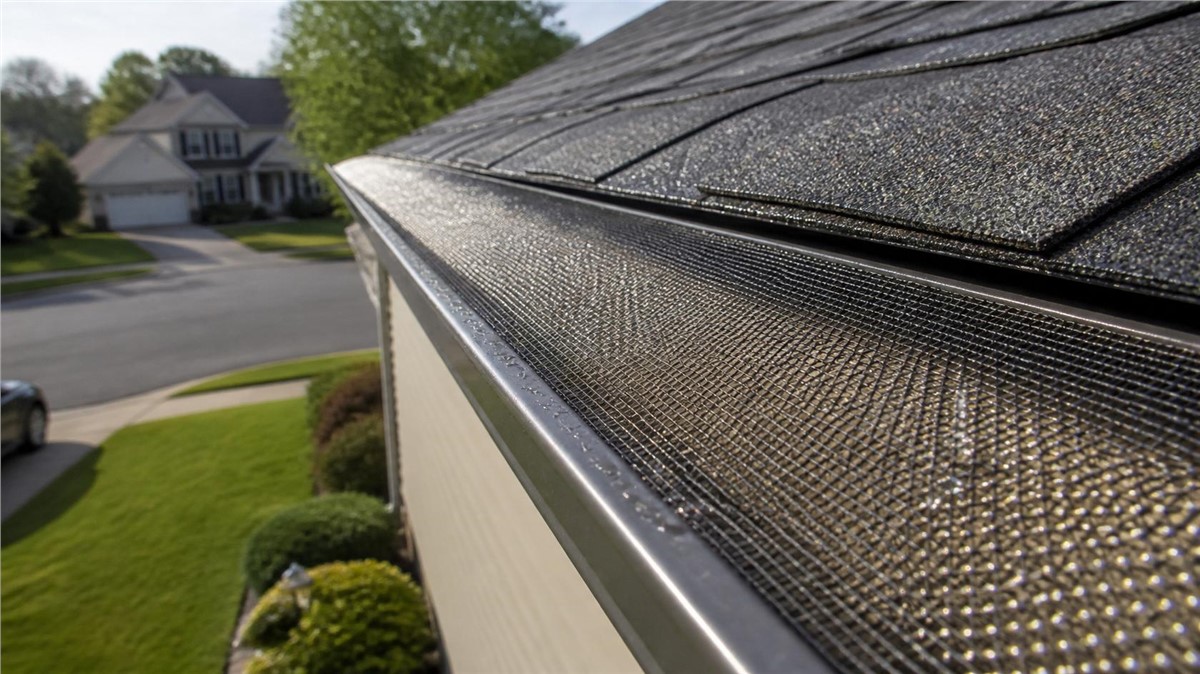
Gutters help move water away from roof edges. If gutters are clogged, sagging, leaking, or pulling away, water may back up and affect flashing, fascia, soffit, and shingles.
Gutter problems may include:
- Overflow during rain
- Water running behind gutters
- Leaking seams
- Ice buildup
- Loose fasteners
- Sagging sections
- Fascia stains
- Short downspouts
A roof flashing inspection should often include the gutter system.
What Should Be Included in a Flashing Repair Estimate?
A flashing repair estimate should explain the damage and the recommended repair.
A good estimate may include:
- Inspection findings
- Flashing location
- Cause of damage
- Shingle condition
- Sealant concerns
- Chimney or skylight details
- Roof edge or gutter issues
- Repair or replacement recommendation
- Cleanup details
- Warranty information
The estimate should make clear whether the issue is isolated or part of a larger roofing problem.
Why a Full Exterior Inspection Helps
Flashing problems may be connected to roofing, siding, gutters, windows, fascia, soffit, trim, and drainage. Water can enter one area and show up somewhere else inside the home.
A full exterior inspection may include:
- Roofing
- Flashing
- Chimneys and skylights
- Gutters and downspouts
- Siding near rooflines
- Windows and trim
- Fascia and soffit
- Attic moisture signs
- Interior water stains
- Storm damage areas
Huskie Exteriors provides roofing, siding, window, gutter, and storm damage restoration services, helping homeowners evaluate the full exterior system.
Why Local Exterior Experience Matters
A local contractor understands how Illinois weather affects roof flashing. In Rockford, IL, homes need roofing systems that can handle wind, hail, heavy rain, snow, ice, humidity, heat, and freeze-thaw cycles.
Local experience helps homeowners determine whether flashing problems are caused by storm damage, age, poor installation, gutter overflow, roof movement, damaged shingles, or hidden moisture.
Conclusion
Roof flashing repair in Rockford, IL matters because flashing protects some of the most leak-prone areas of the roof. Chimneys, skylights, vents, valleys, wall transitions, roof edges, and dormers all rely on proper flashing to keep water out.
If your home has ceiling stains, leaks near roof details, damaged flashing, loose shingles, gutter overflow, or storm damage, Huskie Exteriors can inspect your roof and recommend the right next step.
Contact Huskie Exteriors for professional roofing, siding, window, gutter, and storm damage services in Illinois and Wisconsin.
Subscribe to Huskie Exteriors's Blog





Comments