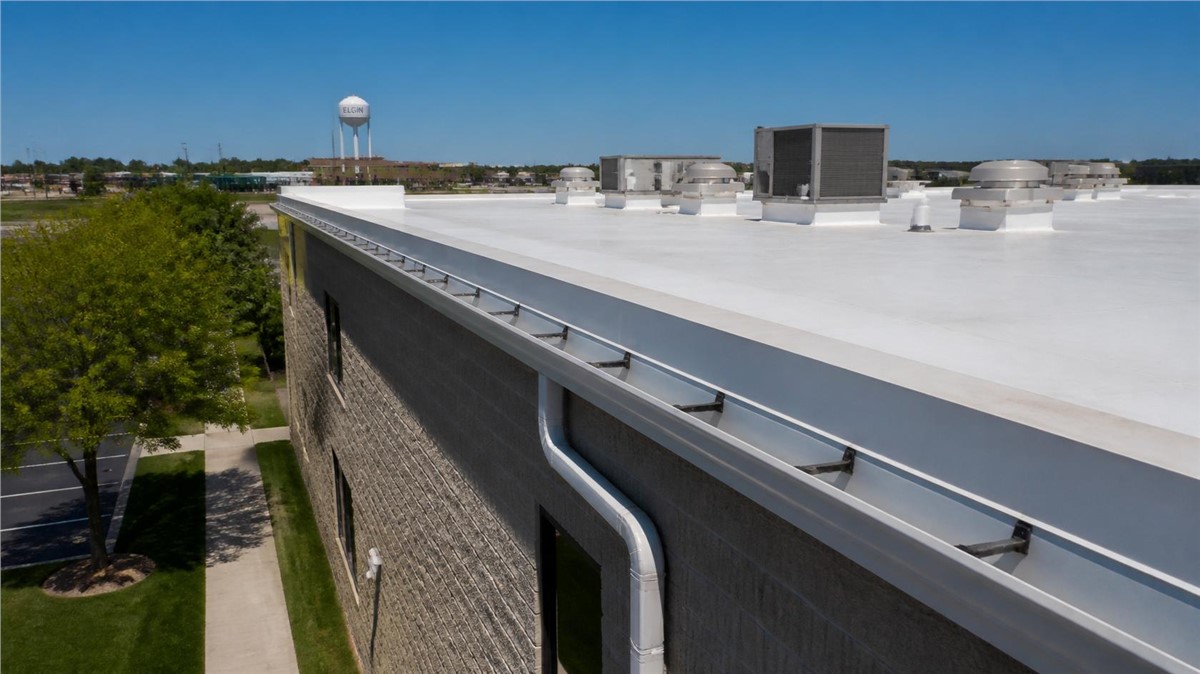
Commercial buildings handle large amounts of water during rainstorms and snowmelt. If that water does not drain properly, it can damage the roof, walls, foundation, walkways, parking areas, entrances, and interior spaces.
For commercial properties in Elgin, IL, roof drainage is especially important because Midwest weather can bring heavy rain, wind, hail, snow, ice, and freeze-thaw cycles. Gutters and downspouts may seem simple, but they play a major role in protecting the full exterior system.
This guide explains why commercial roof drainage matters and what property owners should watch for.
Why Commercial Roof Drainage Matters
Commercial roofs often collect more water than residential roofs because they are larger and may include flat or low-slope areas. That water needs a clear path away from the roof and building.
Good drainage helps protect:
- Roofing materials
- Roof edges
- Gutters and downspouts
- Siding or wall panels
- Fascia and soffit
- Foundations
- Walkways
- Parking areas
- Entrances
- Interior spaces
When drainage fails, water can collect, overflow, freeze, or enter the building.
Gutters and Downspouts Have an Important Job
Gutters collect water from roof edges and direct it toward downspouts. Downspouts move that water safely away from the building.
When they work properly, they help prevent:
- Water running down exterior walls
- Foundation pooling
- Soil erosion
- Ice buildup near entrances
- Siding stains
- Fascia damage
- Roof edge leaks
- Basement or lower-level moisture
If gutters or downspouts are damaged, clogged, undersized, or poorly placed, water can quickly become a building problem.
Flat and Low-Slope Roof Drainage
Many commercial buildings have flat or low-slope roofs. These roofs rely on proper drainage to prevent water from sitting too long on the surface.
Drainage systems may include:
- Internal roof drains
- Scuppers
- Gutters
- Downspouts
- Tapered insulation
- Overflow drains
- Proper roof slope
If water remains on the roof after rain, it may point to drainage problems, low areas, clogged drains, or roof surface issues.
Ponding Water on Commercial Roofs
Ponding water is water that sits on the roof instead of draining away. It can increase stress on the roof system and may shorten the life of roofing materials.
Ponding water may lead to:
- Roof membrane wear
- Open seams
- Leaks
- Soft insulation
- Added roof weight
- Mold or mildew concerns
- Ice buildup in winter
- Interior water stains
If ponding water appears regularly, the roof drainage system should be inspected.
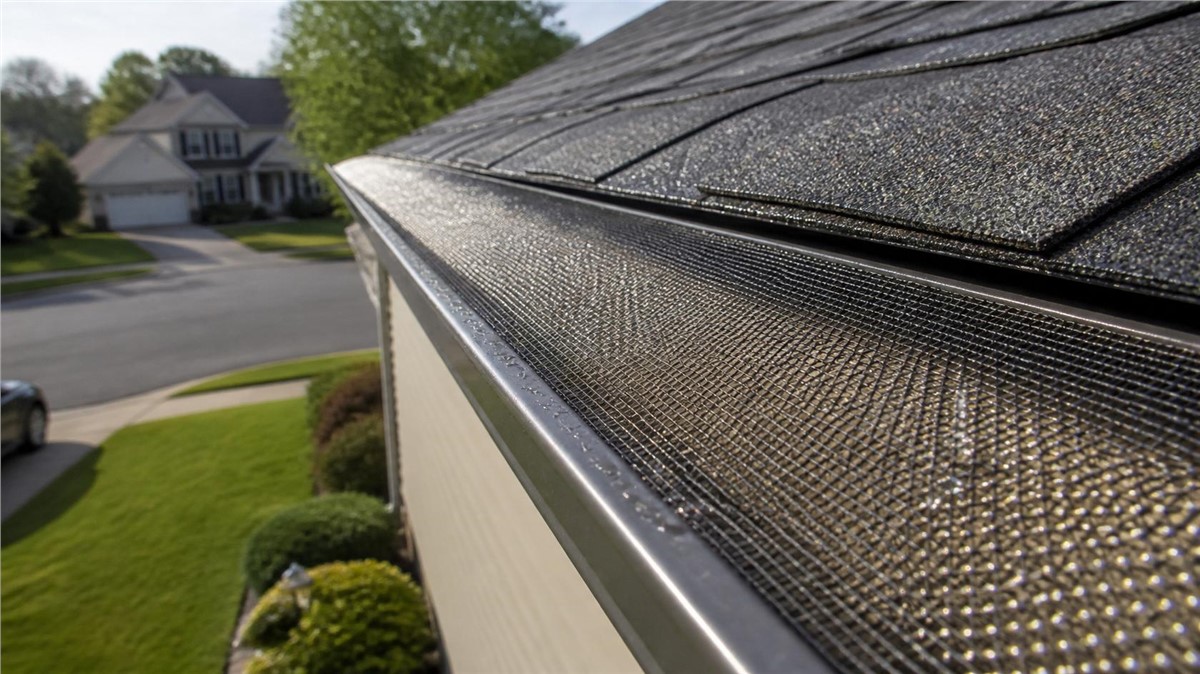
Clogged Gutters and Downspouts
Clogs are one of the most common drainage problems. Leaves, dirt, roof granules, sticks, trash, and storm debris can block water flow.
Signs of clogged gutters or downspouts include:
- Overflow during rain
- Water spilling over edges
- Little water exiting downspouts
- Debris visible in gutters
- Sagging gutter sections
- Ice buildup in winter
- Water pooling near the building
Clogs should be cleared before they cause roof edge, siding, or foundation damage.
Damaged or Loose Gutters
Commercial gutters can be damaged by wind, hail, ice, debris, or age. When gutters loosen or pull away, water may run behind them instead of into them.
Warning signs include:
- Gutters pulling away from the building
- Loose brackets
- Leaking seams
- Dented sections
- Sagging runs
- Rust or holes
- Water stains below gutters
- Overflow during storms
If gutters are damaged in several areas, replacement may be more practical than repeated repairs.
Poor Downspout Placement
Downspouts should move water away from the building, not toward foundations, walkways, loading zones, or customer entrances.
Poor downspout placement can cause:
- Water pooling near foundations
- Icy sidewalks
- Wet entry areas
- Soil erosion
- Landscaping washout
- Pavement damage
- Water near tenant spaces
- Basement or lower-level moisture
A drainage inspection should include where the water goes after it leaves the roof.
Roof Edge Damage
Poor drainage can damage roof edges. If gutters overflow or pull away, water can affect the edge of the roof system.
Roof edge concerns may include:
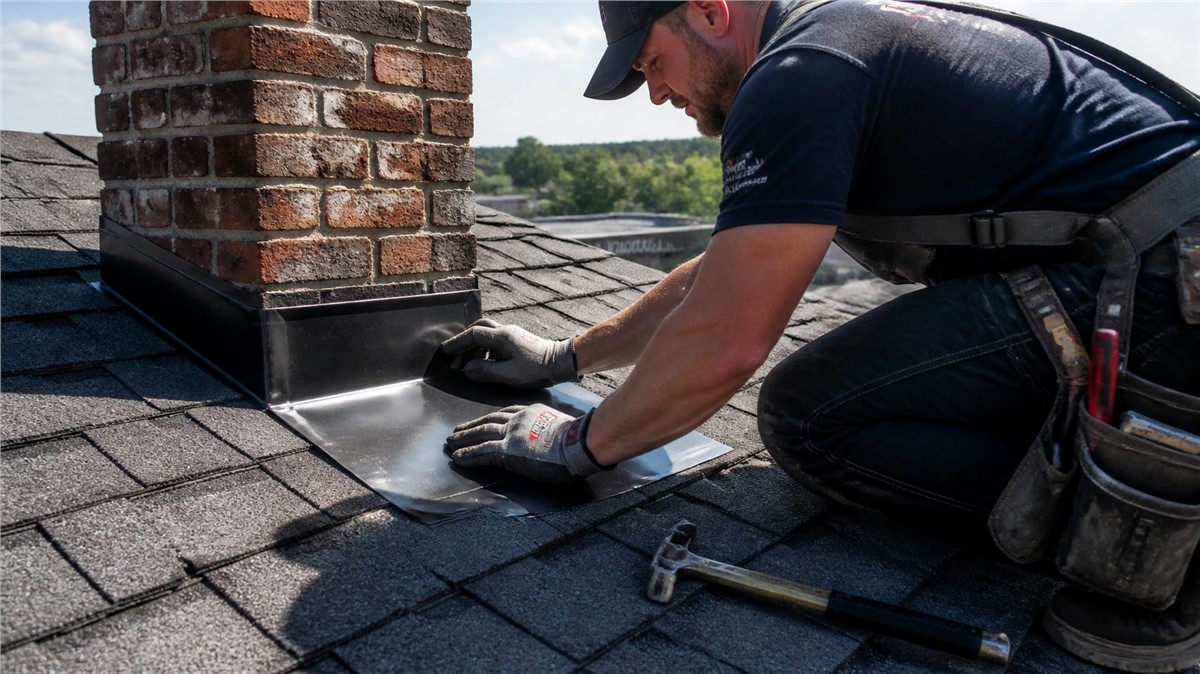
- Damaged flashing
- Loose edge metal
- Wet fascia
- Soffit moisture
- Water behind gutters
- Ice buildup
- Leaks near exterior walls
- Rot or deterioration
Roof edge problems can become expensive if ignored.
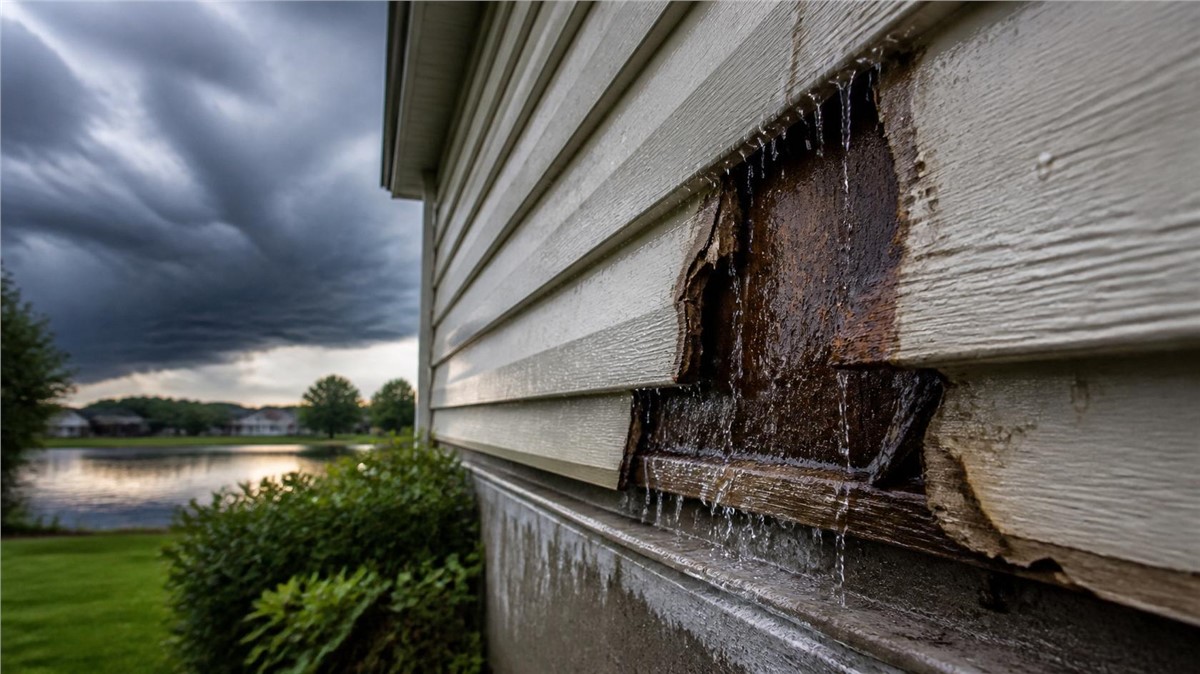
Exterior Wall and Siding Damage
When water repeatedly runs down exterior walls, siding or wall panels can stain, warp, loosen, or allow moisture behind the surface.
Warning signs include:
- Stains below gutters
- Water streaks on siding
- Loose panels
- Cracked siding
- Soft trim
- Moisture around windows
- Mildew growth
- Peeling paint
If wall damage appears below roof drainage areas, gutters and downspouts should be checked.
Foundation and Walkway Concerns
Commercial drainage problems can affect the ground around the building. Water that is not directed away properly may collect near foundations, walkways, parking areas, and entrances.
This can lead to:
- Foundation moisture
- Soil erosion
- Pavement wear
- Ice hazards
- Slippery walkways
- Tenant complaints
- Customer access issues
- Landscaping damage
Drainage is not only a roof issue. It also affects safety and property maintenance.
Winter Drainage Problems
Elgin commercial properties must handle snow, ice, and freeze-thaw cycles. Drainage problems can become worse in winter when water freezes inside gutters, downspouts, scuppers, or roof drains.
Winter warning signs include:
- Ice-filled gutters
- Icicles near roof edges
- Frozen downspouts
- Ice near entrances
- Leaks during thawing
- Gutters pulling away
- Water backing up on the roof
- Snowmelt pooling near the building
Winter drainage problems should be addressed before they damage roofing, gutters, fascia, or walkways.
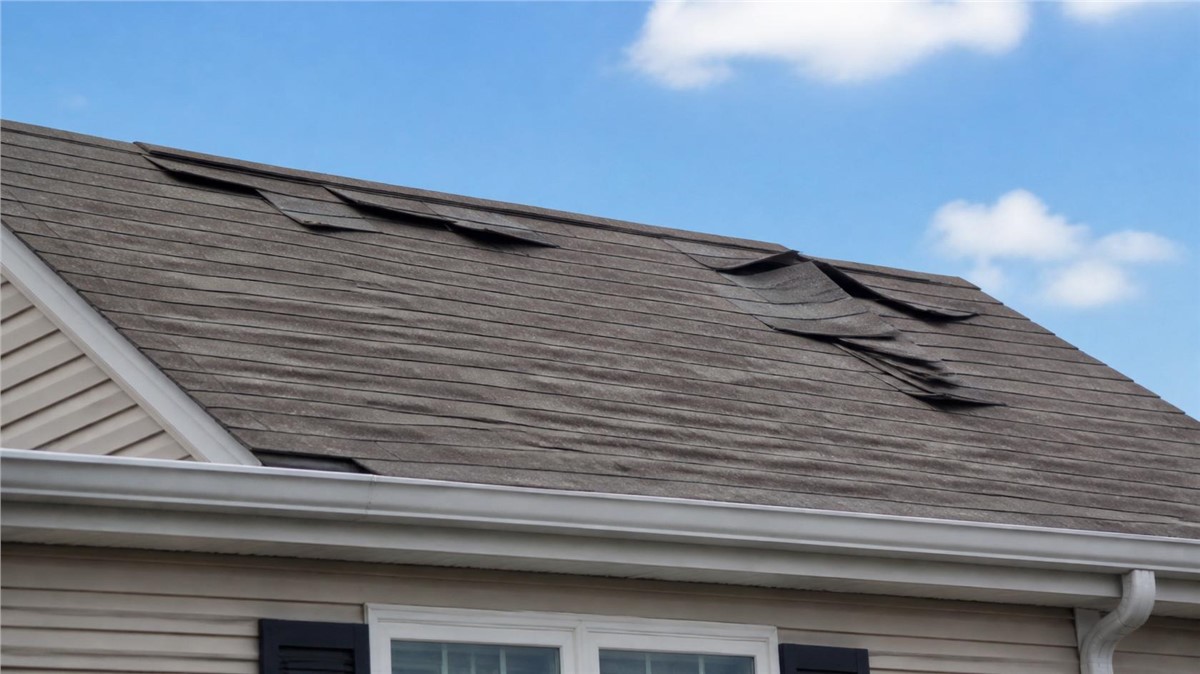
Storm Damage and Drainage
Storms can damage drainage systems quickly. Hail may dent gutters. Wind may loosen downspouts. Heavy rain may reveal clogs or undersized drainage.
Storm-related signs include:
- Dented gutters
- Loose downspouts
- Damaged roof edges
- Clogged drains from debris
- Overflow during rain
- Water stains indoors
- Loose flashing
- Debris on the roof
After severe weather, a full exterior inspection can help identify damage before leaks develop.
Repair vs Replacement
Some drainage problems can be repaired. Others may require replacement or redesign.
Repair may make sense if:
- One downspout is loose
- One gutter seam is leaking
- A clog caused temporary overflow
- One section needs reattachment
- The system is otherwise draining properly
Replacement may be better if:
- Gutters leak in multiple areas
- Downspouts are poorly placed
- Gutters are undersized
- Sections are rusted or damaged
- Overflow keeps returning
- Water is affecting the building
- Repairs no longer last
A contractor can help determine whether repair, replacement, or drainage upgrades are needed.
What a Drainage Inspection Should Include
A commercial drainage inspection should review the roof and the path water takes after it leaves the roof.
An inspection may include:
- Gutters
- Downspouts
- Roof drains
- Scuppers
- Roof edges
- Flashing
- Ponding areas
- Exterior walls
- Foundation drainage
- Walkways and entrances
- Interior water stains
The goal is to find the cause of drainage problems, not just clean up the visible water.
Why a Full Exterior Inspection Helps
Commercial roof drainage affects many parts of the building. Roofing, gutters, siding, windows, flashing, fascia, soffit, trim, and foundation drainage all work together to manage water.
A full exterior inspection may include:
- Roofing and roof edges
- Gutters and downspouts
- Roof drains and scuppers
- Siding or wall panels
- Windows and doors
- Flashing
- Fascia and soffit
- Interior moisture signs
- Storm damage areas
Huskie Exteriors provides roofing, siding, window, gutter, and storm damage restoration services, helping commercial property owners evaluate the full exterior system.
Why Local Exterior Experience Matters
A local contractor understands how Illinois weather affects commercial drainage systems. In Elgin, IL, buildings need roof drainage that can handle heavy rain, wind, hail, snow, ice, leaves, debris, and freeze-thaw cycles.
Local experience helps property owners determine whether drainage problems are caused by clogs, storm damage, undersized gutters, poor downspout placement, roof slope issues, damaged flashing, or aging materials.
Conclusion
Commercial roof drainage in Elgin, IL matters because gutters, downspouts, roof drains, scuppers, and drainage paths help protect the roof, walls, foundation, walkways, entrances, and interior spaces. Poor drainage can lead to ponding water, leaks, siding damage, icy walkways, foundation moisture, and repeated repair costs.
If your commercial building has clogged gutters, overflowing downspouts, ponding water, roof leaks, wall stains, ice buildup, or drainage problems, Huskie Exteriors can inspect the property and recommend the right next step.
Contact Huskie Exteriors for professional roofing, siding, window, gutter, and storm damage services in Illinois and Wisconsin.
Subscribe to Huskie Exteriors's Blog



Comments