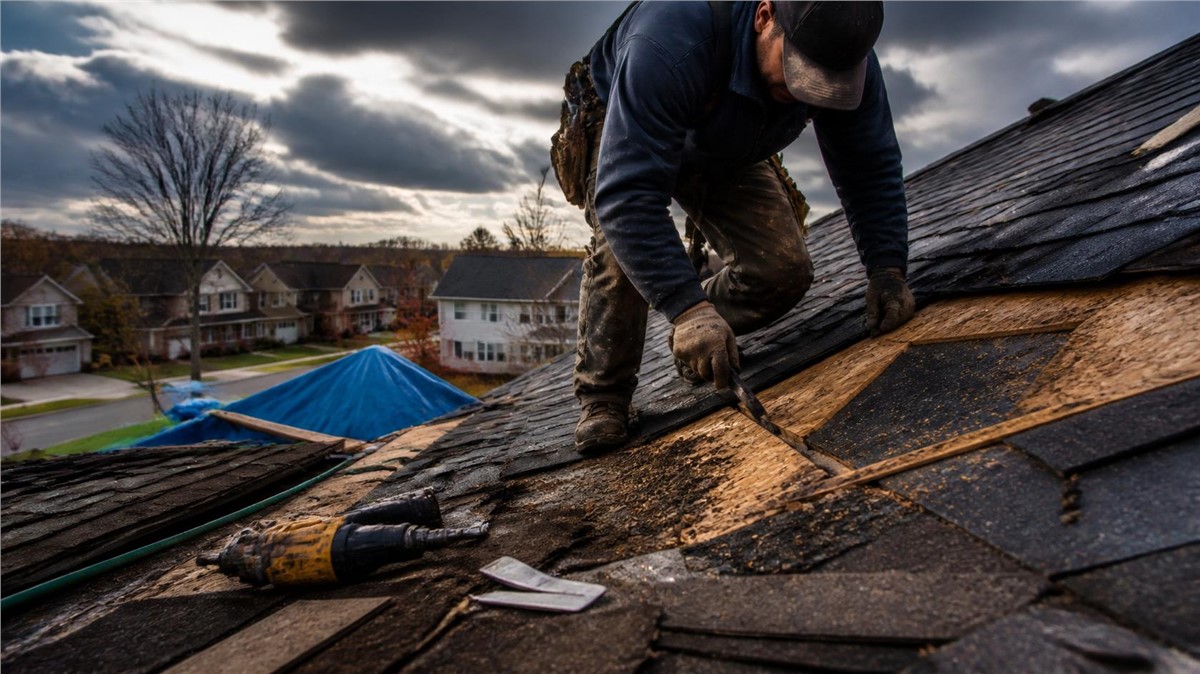
Managing a commercial, multi-tenant, apartment, retail, or office property means staying ahead of exterior problems before they disrupt daily operations. Roofing is one of the most important systems to monitor because even a small leak can affect tenants, customers, employees, inventory, insulation, ceilings, and interior finishes.
For property managers in South Elgin, IL, roofing maintenance is especially important because northern Illinois weather can bring wind, hail, heavy rain, snow, ice, humidity, and freeze-thaw cycles. These conditions can create roof leaks, drainage problems, flashing issues, gutter damage, and storm-related repair needs.
This guide explains what property managers should know about roof repairs, maintenance, and storm response.
Why Roofing Matters for Property Managers
A roof problem can quickly become a building operations problem. When water enters a property, it can affect tenant satisfaction, safety, access, and repair budgets.
Roofing issues may lead to:
- Tenant complaints
- Ceiling stains
- Damaged insulation
- Wet flooring
- Inventory or equipment damage
- Mold or mildew concerns
- Electrical concerns
- Business interruption
- Emergency repairs
- Higher long-term costs
Preventive maintenance helps property managers reduce surprises.
Common Roofing Problems on Managed Properties
Managed properties can have many roofing concerns depending on building age, roof type, drainage, and maintenance history.
Common issues include:
- Roof leaks
- Ponding water
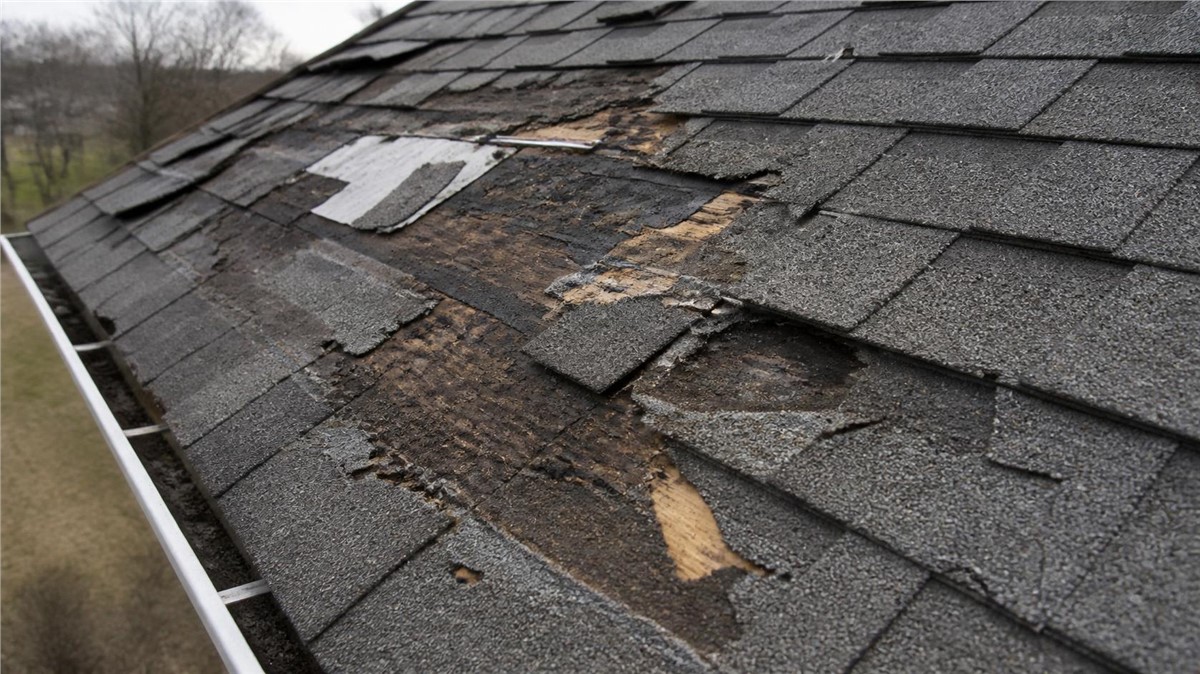
- Damaged shingles
- Open seams
- Loose flashing
- Clogged drains
- Damaged gutters
- Roof edge wear
- Storm damage
- Wet insulation
- Damaged roof penetrations
A regular inspection schedule can help identify these problems early.
Roof Leaks
Roof leaks should be addressed quickly. A small stain in one tenant space may point to a larger issue above the ceiling or roof surface.
Leak warning signs include:
- Brown ceiling stains
- Active dripping
- Damp ceiling tiles
- Musty odors
- Bubbling paint
- Wet insulation
- Water near exterior walls
- Repeated stains after rain
Property managers should document leaks, protect affected areas, and schedule an inspection before damage spreads.
Flashing Problems
Flashing protects areas where water is more likely to enter. On commercial and multi-unit properties, flashing problems are common around roof penetrations and transitions.
Important areas include:
- HVAC units
- Vents
- Skylights
- Chimneys
- Parapet walls
- Roof edges
- Wall transitions
- Pipe penetrations
Loose, cracked, rusted, or poorly sealed flashing can allow water into the building even if the main roof surface looks intact.
Ponding Water
Flat and low-slope roofs need proper drainage. Ponding water can stress roofing materials and increase leak risks over time.
Ponding water may happen because of:
- Clogged drains
- Poor roof slope
- Debris buildup
- Compressed insulation
- Low spots
- Blocked scuppers
- Aging roof materials
If standing water remains after storms, the drainage system should be inspected.
Gutters and Downspouts
Gutters and downspouts are part of the roofing system’s water management plan. When they fail, water may damage roof edges, siding, foundations, walkways, and tenant entrances.
Property managers should watch for:
- Overflow during rain
- Clogged downspouts
- Sagging gutters
- Leaking seams
- Water near foundations
- Ice buildup near entrances
- Water running down exterior walls
- Gutters pulling away
Drainage problems should be addressed before they create safety or interior moisture concerns.
Roof Maintenance Schedule
A roof maintenance schedule helps property managers stay ahead of problems. Inspections should be planned regularly and after severe weather.
A practical maintenance plan may include:
- Spring inspection
- Fall inspection
- Post-storm inspection
- Gutter and drain cleaning
- Flashing review
- Roof edge review
- Interior moisture checks
- Documentation updates
Consistent maintenance helps support better budgeting and repair planning.
Spring Roofing Checks
Spring is a good time to check for damage caused by snow, ice, and freeze-thaw cycles.
Spring checks may include:
- Roof surface condition
- Winter leak signs
- Damaged flashing
- Loose roof edges
- Gutter condition
- Downspout flow
- Ponding water
- Interior ceiling stains
Finding winter-related damage early can help prevent spring rain from making problems worse.
Fall Roofing Checks
Fall inspections help prepare the building for winter. Property managers should make sure the roof and drainage system are ready for snow and ice.
Fall checks may include:
- Clearing gutters and drains
- Checking roof seams
- Inspecting flashing
- Reviewing roof penetrations
- Checking fascia and soffit
- Removing debris
- Looking for loose materials
- Preparing for snowmelt drainage
A fall inspection can reduce winter leak risks.
Storm Damage Response
South Elgin properties can be affected by hail, wind, heavy rain, snow, and ice. After severe weather, property managers should inspect visible areas safely and document damage.
Storm damage may include:
- Missing shingles
- Lifted roofing materials
- Hail impact marks
- Dented gutters
- Damaged roof vents
- Loose flashing
- Torn membrane areas
- Cracked siding
- Broken windows
- Interior water stains
A full exterior inspection helps determine whether the storm affected more than the roof.
What to Do After a Storm
After a severe storm, property managers should focus on safety, documentation, and inspection.
Helpful steps include:
- Check affected areas from the ground
- Block off wet or unsafe areas
- Document visible damage
- Take photos and videos
- Record tenant reports
- Check ceilings and upper floors
- Avoid sending staff onto the roof
- Schedule a professional inspection
- Contact insurance if a claim may be needed
Quick action helps reduce confusion and further damage.
Tenant Communication
Clear tenant communication matters during roofing repairs. Tenants should know when inspections or repairs may affect access, noise, parking, or interior spaces.
Communication may include:
- Repair dates
- Work hours
- Areas affected
- Entry or parking changes
- Safety notices
- Leak reporting instructions
- Cleanup expectations
Good communication helps avoid frustration and improves coordination.
Repair vs Replacement
Not every roofing issue requires replacement. Some problems can be repaired if they are isolated and the roof is still in good condition.
Repair may make sense if:
- One leak source is found
- One flashing area failed
- A small section is damaged
- Drainage can be corrected
- The roof surface is mostly sound
Replacement may be better if:
- Leaks keep returning
- Damage is widespread
- The roof is aging
- Storm damage affects large areas
- Insulation is wet
- Repairs no longer last
- Drainage problems are severe
A professional inspection helps property managers make a practical decision.
Budgeting for Roofing Repairs
Roofing budgets are easier to manage when repairs are planned instead of handled only during emergencies.
Budget planning should consider:
- Roof age
- Maintenance history
- Leak history
- Drainage condition
- Storm exposure
- Material condition
- Tenant impact
- Repair frequency
- Replacement planning
Keeping inspection records can help property managers prepare for future work.
Documentation and Records
Good documentation helps with maintenance planning, insurance communication, tenant records, and long-term property management.
Helpful records include:
- Inspection reports
- Photos of damage
- Repair invoices
- Warranty documents
- Roof age information
- Storm dates
- Tenant leak reports
- Maintenance history
These records can help identify recurring issues and support better decision-making.
Insurance Considerations
If roof damage may be storm-related, property managers should contact the insurance provider to understand policy coverage, deductibles, claim requirements, documentation needs, and deadlines.
Useful documentation may include:
- Storm date notes
- Photos of damage
- Contractor inspection findings
- Interior water stain records
- Temporary repair receipts
- Tenant reports
- Adjuster communication
Every policy is different, so claim-specific guidance should come directly from the insurance provider.
Why a Full Exterior Inspection Helps
Roofing problems are often connected to other exterior systems. Gutters, siding, windows, flashing, fascia, soffit, trim, and drainage can all affect water movement around the property.
A full exterior inspection may include:
- Roofing
- Gutters and downspouts
- Roof drains and scuppers
- Siding or wall panels
- Windows and doors
- Flashing
- Fascia and soffit
- Interior moisture signs
- Storm damage areas
Huskie Exteriors provides roofing, siding, window, gutter, and storm damage restoration services, helping property managers evaluate the full exterior system.
Why Local Exterior Experience Matters
A local contractor understands how Illinois weather affects managed properties. In South Elgin, IL, roofs must handle wind, hail, heavy rain, snow, ice, humidity, heat, and freeze-thaw cycles.
Local experience helps property managers determine whether roofing issues are caused by storm damage, poor drainage, aging materials, flashing failure, maintenance gaps, or hidden moisture concerns.
Conclusion
Property managers in South Elgin, IL should treat roofing as part of an ongoing exterior maintenance plan. Regular inspections, prompt leak response, storm damage documentation, gutter maintenance, tenant communication, and clear repair planning can help reduce larger problems.
If your managed property has roof leaks, storm damage, drainage issues, flashing problems, gutter concerns, or signs of exterior wear, Huskie Exteriors can inspect the building and recommend the right next step.
Contact Huskie Exteriors for professional roofing, siding, window, gutter, and storm damage services in Illinois and Wisconsin.
Subscribe to Huskie Exteriors's Blog




Comments