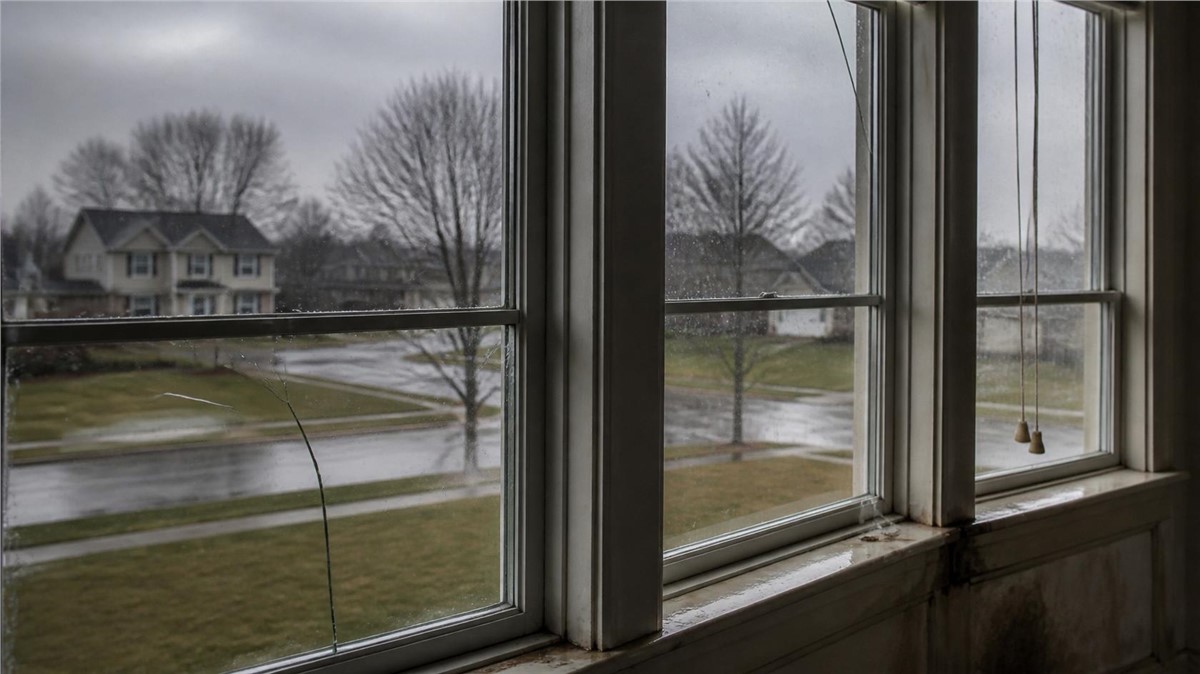
Windows are an important part of your home’s exterior protection. They help keep out rain, wind, snow, moisture, pests, and outdoor air. After a storm, window damage may be obvious, like cracked glass or torn screens. Other problems, such as seal failure or water intrusion, may be harder to notice right away.
For homeowners in Poplar Grove, IL, storm-damaged windows should not be ignored. Northern Illinois weather can bring hail, strong wind, heavy rain, snow, ice, and freeze-thaw cycles that can weaken windows, trim, flashing, siding, and caulking.
This guide explains common signs of storm-damaged windows, what cracks, leaks, and seal failure may mean, and when to call a contractor.
Why Storm-Damaged Windows Matter
A damaged window can affect more than the glass. Storm damage may allow water and air to enter around the window opening, which can affect the wall system nearby.
Storm-damaged windows may lead to:
- Drafts
- Water leaks
- Fogging between panes
- Damaged trim
- Interior wall stains
- Peeling paint
- Soft window sills
- Mold or mildew concerns
- Moisture behind siding
- Reduced comfort
Even if the window still opens and closes, hidden damage may be present.
Common Causes of Window Storm Damage
Storm damage can affect windows in different ways depending on wind direction, hail size, debris, and the condition of the window before the storm.
Common causes include:
- Hail impact
- Wind-driven debris
- Heavy rain
- Falling branches
- Flying outdoor items
- Ice buildup
- Freeze-thaw cycles
- Pressure from strong wind
- Existing wear around seals or frames
Older windows or poorly sealed openings may be more vulnerable during severe weather.
Sign 1: Cracked Glass
Cracked glass is one of the clearest signs of storm damage. Cracks may be caused by hail, flying debris, fallen branches, or sudden impact.
Cracked glass may appear as:
- Small chips
- Hairline cracks
- Spiderweb cracks
- Broken panes
- Cracks near the edge of the glass
- Impact marks
Cracked glass should be inspected quickly because damage may spread, and the window may no longer protect the home properly.
Sign 2: Broken or Damaged Window Seals
Modern windows often use insulated glass units with two or more panes. When the seal fails, moisture may enter between the panes.
Seal failure may show up as:
- Fogging between glass panes
- Haze that cannot be wiped away
- Moisture trapped inside the glass
- Streaks between panes
- Cloudy glass
- Reduced visibility
- Condensation inside the insulated glass unit
Seal failure may not always happen immediately after a storm, but storm pressure, impact, and age can contribute to the problem.
Sign 3: Window Leaks
Window leaks after storms should be taken seriously. Water around windows may come from the window itself, but it may also come from siding, flashing, trim, gutters, or roof areas above the opening.
Warning signs include:
- Water on the sill
- Stains below the window
- Damp drywall
- Peeling paint
- Bubbling wall surfaces
- Musty odors
- Soft trim
- Water marks after rain
If leaks appear only during wind-driven rain, the issue may involve sealing, flashing, siding gaps, or storm-damaged trim.
Sign 4: Damaged Window Frames
Frames help hold the window securely and protect the opening. Storms can damage frames directly or expose existing weaknesses.
Frame damage may include:
- Cracked frames
- Warped frames
- Loose corners
- Soft or rotted areas
- Gaps around the frame
- Difficulty opening or closing
- Windows that no longer lock properly
- Drafts around the sash
If the frame is damaged, glass replacement alone may not solve the problem.
Sign 5: Torn Screens
Torn or stretched screens are common after hail and wind. While screen damage may seem minor, it can show that the storm hit the window area with force.
Screen damage may include:
- Tears
- Holes
- Bent screen frames
- Screens pulled loose
- Dents from hail
- Debris impact marks
If screens are damaged, check the nearby glass, trim, siding, and gutters too.
Sign 6: Loose Exterior Trim
Exterior trim helps protect the window opening and complete the siding transition. Wind and hail can loosen, crack, dent, or separate trim.
Loose trim may show as:
- Gaps around windows
- Trim pulling away
- Cracked caulking
- Dented trim wrap
- Missing trim pieces
- Water stains below trim
- Drafts around the window
Loose trim can allow water behind the siding or into the wall system.
Sign 7: Failed Caulking
Caulking can crack, shrink, or separate over time. Storms may worsen already weak sealant and create gaps around the window.
Failed caulking may look like:
- Cracks in the sealant
- Missing caulk
- Gaps along trim
- Brittle or loose caulking
- Water stains near the opening
- Separation between siding and trim
Caulking alone may not fix the problem if flashing, siding, or the window frame is damaged.
Sign 8: Drafts After a Storm
If a room feels colder, windier, or less comfortable after a storm, the window may have shifted or lost its seal.
Draft warning signs include:
- Cold air near the window
- Whistling during wind
- Curtains moving
- Rattling glass
- Difficulty locking the window
- Gaps around the frame
- Uneven room temperature
Drafts may point to frame damage, loose sashes, failed seals, or installation problems.
Sign 9: Water Stains Below Windows
Water stains below a window can point to a storm-related leak. The source may be the window, siding, flashing, roof edge, or gutter system.
Possible causes include:
- Wind-driven rain
- Failed flashing
- Cracked siding near the window
- Loose trim
- Gutter overflow above the area
- Damaged caulking
- Window frame damage
If stains return after storms, the exterior should be inspected before repainting or patching the interior.
Storm Damage May Affect More Than Windows
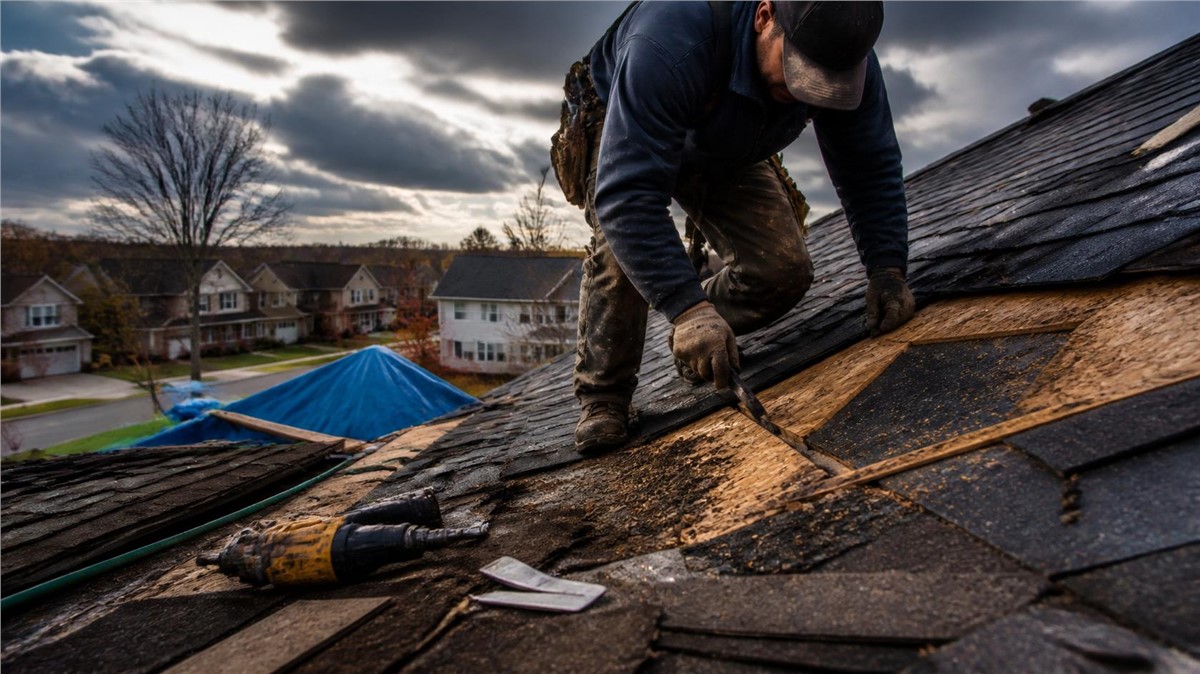
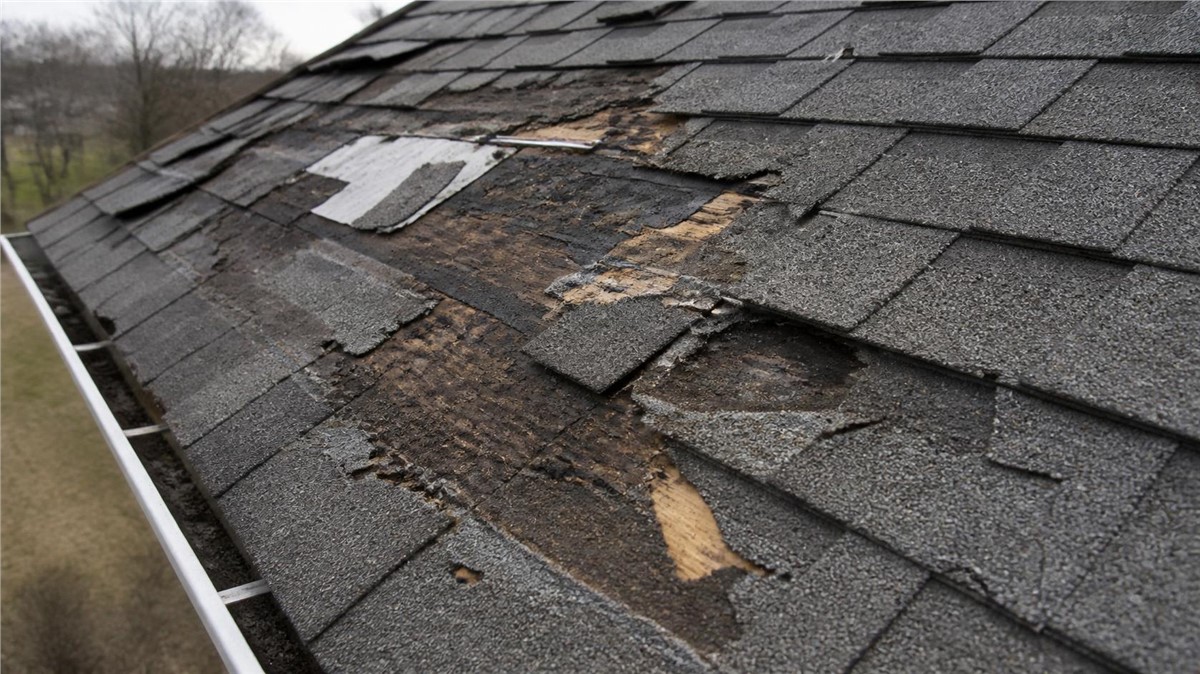
A storm that damages windows may also affect other exterior areas. Hail and wind rarely hit only one part of the home.
A full inspection may reveal damage to:
- Roofing shingles
- Gutters and downspouts
- Siding
- Window screens
- Exterior trim
- Fascia and soffit
- Flashing
- Roof vents
- Gutter guards
If windows show cracks, leaks, or seal failure after a storm, the full exterior should be checked.
Repair vs Glass Replacement vs Window Replacement
The right solution depends on the type and extent of damage.
Repair may make sense if:
- Caulking failed in one small area
- Trim is loose but not damaged
- A screen needs replacement
- Hardware needs adjustment
- No moisture damage is found
Glass replacement may work if:
- The glass unit failed
- The frame is still solid
- The window operates properly
- No water damage is present
- Replacement glass is available
Full window replacement may be better if:
- Frames are damaged
- Multiple seals have failed
- The window leaks repeatedly
- Drafts continue after repairs
- Moisture damage is present
- Windows are old or inefficient
- Storm damage affects the full opening
A professional inspection can help homeowners compare these options.
When to Act Quickly
Some window damage should be addressed right away, especially if water or air is entering the home.
Call a contractor if you notice:
- Cracked or broken glass
- Active leaks
- Interior water stains
- Soft trim
- Fogging between panes
- Drafts after a storm
- Loose exterior trim
- Damaged siding around windows
- Windows that will not lock
Waiting can allow water damage to spread behind walls or siding.
What Homeowners Should Do After a Storm
After severe weather, check your home safely from the ground.
Helpful steps include:
- Look for cracked glass
- Check screens and trim
- Take photos of visible damage
- Check interior walls and sills
- Note the storm date
- Watch for fogging between panes
- Avoid forcing damaged windows open
- Avoid climbing ladders in unsafe conditions
- Schedule a professional inspection
If insurance may be involved, contact your provider for policy-specific guidance.
Insurance and Storm-Damaged Windows
If window damage was caused by hail, wind, or debris, your insurance provider can explain your coverage, deductible, claim process, documentation needs, and deadlines.
Helpful documentation may include:
- Storm date notes
- Photos from the ground
- Interior water stain photos
- Videos of leaks
- Contractor inspection findings
- Temporary repair receipts
- Adjuster notes
Every policy is different, so claim instructions should come directly from your insurance provider.
Why Siding and Gutters Should Be Checked Too
Window leaks are often connected to nearby exterior systems. Damaged siding, failed flashing, or overflowing gutters can send water toward window openings.
A contractor may check:
- Siding around windows
- Window trim
- Flashing
- Caulking
- Gutters above windows
- Downspout drainage
- Roof edges
- Fascia and soffit
Fixing the window without addressing the surrounding exterior may allow leaks to return.
What Should Be Included in a Window Inspection?
A storm-damaged window inspection should look beyond the glass.
An inspection may include:
- Glass condition
- Seal failure signs
- Frame condition
- Window operation
- Locks and hardware
- Screens
- Exterior trim
- Caulking
- Flashing
- Siding around the opening
- Interior moisture signs
- Storm damage areas
The goal is to identify the source of the problem and recommend the right repair.
Why a Full Exterior Inspection Helps
Storm-damaged windows can be part of a larger exterior issue. Roofing, siding, gutters, flashing, fascia, soffit, trim, and drainage all work together to protect the home.
A full exterior inspection may include:
- Windows and screens
- Siding
- Roofing
- Gutters and downspouts
- Flashing
- Exterior trim
- Fascia and soffit
- Interior moisture signs
- Storm damage areas
Huskie Exteriors provides roofing, siding, window, gutter, and storm damage restoration services, helping homeowners evaluate the full exterior system.
Why Local Exterior Experience Matters
A local contractor understands how Illinois storms affect windows and exterior materials. In Poplar Grove, IL, homes need windows and exterior systems that can handle hail, wind, heavy rain, snow, ice, humidity, and freeze-thaw cycles.
Local experience helps homeowners determine whether window damage is caused by storm impact, wind-driven rain, seal failure, siding issues, flashing problems, gutter overflow, or hidden moisture.
Conclusion
Storm-damaged windows in Poplar Grove, IL may show cracks, leaks, fogging, seal failure, damaged frames, torn screens, loose trim, failed caulking, or water stains around the opening. Some damage is easy to see, while other problems may appear later as moisture, drafts, or fogging between panes.
If your windows are cracked, leaking, foggy, storm-damaged, drafty, or showing signs of seal failure, Huskie Exteriors can inspect your exterior and recommend the right next step.
Contact Huskie Exteriors for professional roofing, siding, window, gutter, and storm damage services in Illinois and Wisconsin.
Subscribe to Huskie Exteriors's Blog






Comments