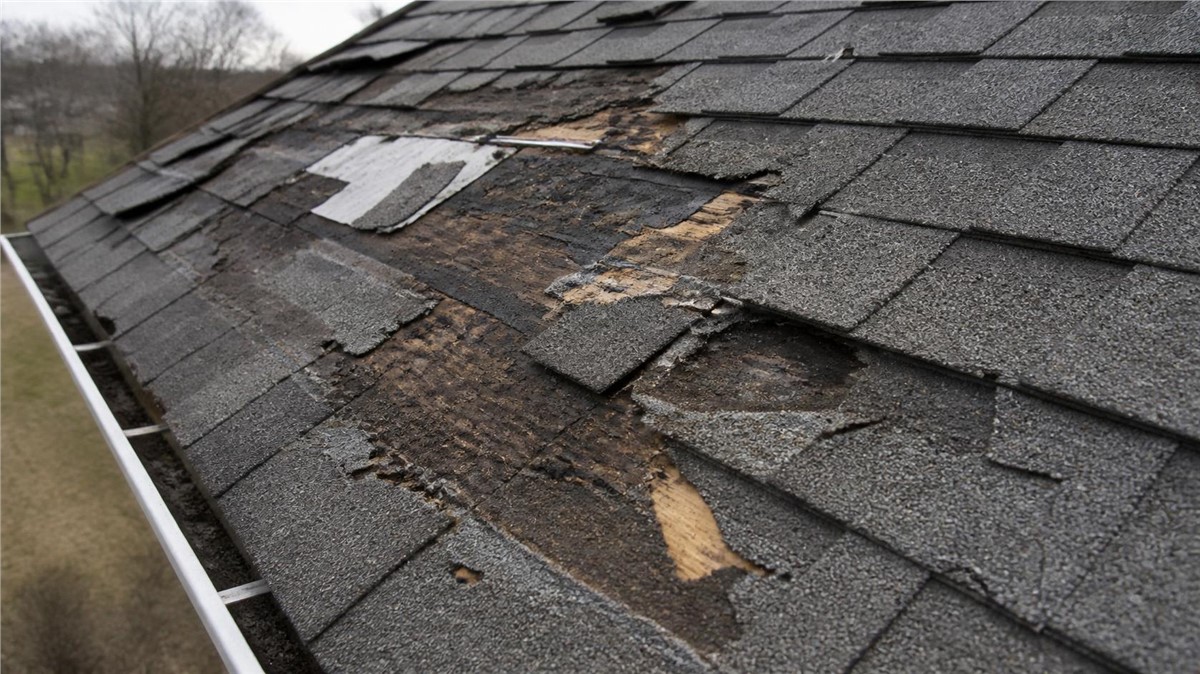
Shingles are the visible part of your roof, but they are not the only part protecting your home. Beneath the shingles is the roof deck, the structural surface that supports the roofing system. When the roof deck becomes wet, soft, rotted, or weakened, the problem can become more serious than a simple shingle repair.
For homeowners in Prairie Ridge, IL, roof deck damage can be caused by storms, leaks, ice, poor ventilation, aging shingles, damaged flashing, or delayed repairs. Northern Illinois weather brings heavy rain, hail, wind, snow, ice, humidity, and freeze-thaw cycles that can all expose hidden roof problems.
This guide explains the signs of roof deck damage and what homeowners should know before repairs become more costly.
What Is the Roof Deck?
The roof deck is the layer of wood installed over the roof framing. Shingles, underlayment, flashing, and other roofing materials are installed above it.
The roof deck supports:
- Shingles
- Underlayment
- Roof vents
- Flashing areas
- Roofing fasteners
- Snow and weather loads
- The overall roof surface
If the roof deck is damaged, the roofing system may lose strength and water protection.
Why Roof Deck Damage Matters
Roof deck damage is important because it often means water has moved past the outer roofing layers. Once moisture reaches the deck, it can spread into attic insulation, rafters, ceilings, and interior finishes.
Damaged roof decking may lead to:
- Roof leaks
- Soft or rotted wood
- Sagging roof areas
- Wet attic insulation
- Mold or mildew concerns
- Interior ceiling stains
- Loose shingles
- Poor fastener hold
- Larger roof repair needs
Deck damage should be inspected quickly because it may not be visible from the ground.
Sign 1: Soft or Spongy Roof Areas
A soft roof area may indicate that the decking underneath has weakened. Homeowners should not walk on the roof to check this, but a professional may notice soft areas during inspection.
Soft decking may be caused by:
- Long-term leaks
- Damaged underlayment
- Ice-related water backup
- Poor ventilation
- Storm damage
- Worn shingles
- Flashing leaks
If roof areas feel soft during an inspection, repairs may need to go beneath the shingles.
Sign 2: Sagging Roof Sections
A sagging roof section can be a serious warning sign. It may mean the roof deck, framing, or supporting materials have been weakened by moisture or age.
Sagging may appear as:
- Uneven roof lines
- Low spots
- Dips in the roof surface
- Wavy roof areas
- Roof sections that look sunken
- Changes in the shape of the roofline
Sagging should be inspected promptly because it may involve structural concerns.
Sign 3: Recurring Roof Leaks
A one-time roof leak may be caused by a small issue, but recurring leaks can point to hidden damage below the shingles.
Recurring leaks may involve:
- Damaged roof decking
- Failed flashing
- Worn shingles
- Ice-related roof edge problems
- Poor attic ventilation
- Damaged underlayment
- Water traveling through attic spaces
If leaks keep returning after repairs, the deck should be checked for moisture damage.
Sign 4: Ceiling Stains
Ceiling stains may be one of the first interior signs of a roof deck problem. Water can enter through damaged shingles or flashing, soak the deck, and eventually reach the ceiling.
Watch for:
- Brown ceiling stains
- Yellow discoloration
- Water rings
- Peeling paint
- Bubbling drywall
- Stains near exterior walls
- Stains after rain or snowmelt
Even if the stain is small, the hidden moisture path may be larger.
Sign 5: Attic Moisture
The attic often shows roof deck problems before the living space does. If moisture is visible on the underside of the roof deck, the roofing system should be inspected.
Attic warning signs include:
- Dark roof decking
- Wet insulation
- Rusted nails
- Musty odors
- Mold or mildew concerns
- Water marks on rafters
- Dripping during rain
- Frost or condensation in winter
Attic moisture may be caused by roof leaks, ventilation issues, or both.
Sign 6: Musty Odors
A musty smell in the attic or upper rooms can point to trapped moisture. This may happen when water reaches the decking or insulation and does not dry properly.
Musty odors may come from:
- Wet insulation
- Damp roof decking
- Hidden leaks
- Poor ventilation
- Mold or mildew growth
- Water behind ceilings or walls
If the odor gets stronger after rain or snowmelt, roof-related moisture should be considered.
Sign 7: Damaged or Missing Shingles
Shingles protect the roof deck from direct exposure. When shingles are missing, cracked, curled, or lifted, water may reach the underlayment and decking below.
Shingle warning signs include:
- Missing shingles
- Curling edges
- Cracked tabs
- Lifted shingles
- Heavy granule loss
- Bald spots
- Damaged ridge caps
- Wind-lifted areas
If shingle damage has been present for a while, the roof deck may need to be checked.
Sign 8: Heavy Granule Loss
Granules protect asphalt shingles from weather and sun exposure. When shingles lose too many granules, they may become less effective at protecting the layers underneath.
Granule loss may appear as:
- Granules in gutters
- Granules near downspouts
- Bald spots on shingles
- Dark roof patches
- Shiny or worn areas
- Uneven shingle texture
Heavy granule loss does not always mean deck damage is present, but it can increase the risk of water reaching lower roof layers.
Sign 9: Damaged Flashing
Flashing protects roof areas where leaks commonly start. If flashing fails, water can reach the roof deck even when most shingles look fine.
Important flashing areas include:
- Chimneys
- Skylights
- Roof valleys
- Pipe boots
- Vents
- Dormers
- Wall transitions
- Roof edges
Flashing leaks can damage decking around roof openings and transitions.
Sign 10: Ice and Winter Damage
Prairie Ridge homes face snow, ice, and freeze-thaw cycles. Ice buildup near roof edges can allow water to back up under shingles and reach the decking.
Winter roof concerns include:
- Ice along gutters
- Leaks during thawing
- Wet attic insulation
- Ceiling stains near exterior walls
- Damaged fascia or soffit
- Water backing up under shingles
- Roof edge deterioration
If winter leaks happen repeatedly, roof decking near the eaves should be inspected.
Storm Damage and Roof Decking
Storms can create roof damage that eventually affects the deck. Hail may bruise shingles, wind may lift them, and heavy rain can expose weak areas.
Storm-related risks include:
- Hail-damaged shingles
- Wind-lifted shingles
- Missing shingles
- Damaged ridge caps
- Loose flashing
- Dented vents
- Clogged gutters
- Roof edge damage
If a storm damages the roof surface, the decking underneath should be reviewed during inspection.
Poor Ventilation Can Contribute to Deck Damage
Roof deck damage is not always caused by exterior leaks. Poor attic ventilation can trap moisture inside the attic and affect the underside of the decking.
Ventilation-related warning signs include:
- Condensation in the attic
- Rusted nails
- Musty odors
- Mold or mildew concerns
- Wet insulation
- Dark stains on decking
- Ice buildup in winter
Ventilation, insulation, and air sealing may need to be reviewed along with roof condition.
Gutters Can Affect Roof Decking
Gutters help move water away from roof edges. If they clog, overflow, sag, or pull away, water can back up near the roof edge and increase the risk of deck damage.
Gutter problems may include:
- Overflow during rain
- Water running behind gutters
- Ice buildup
- Sagging sections
- Leaking seams
- Granules collecting in gutters
- Fascia damage
- Short downspouts
If roof deck damage is near the eaves, gutter performance should be checked.
Can Roof Deck Damage Be Repaired?
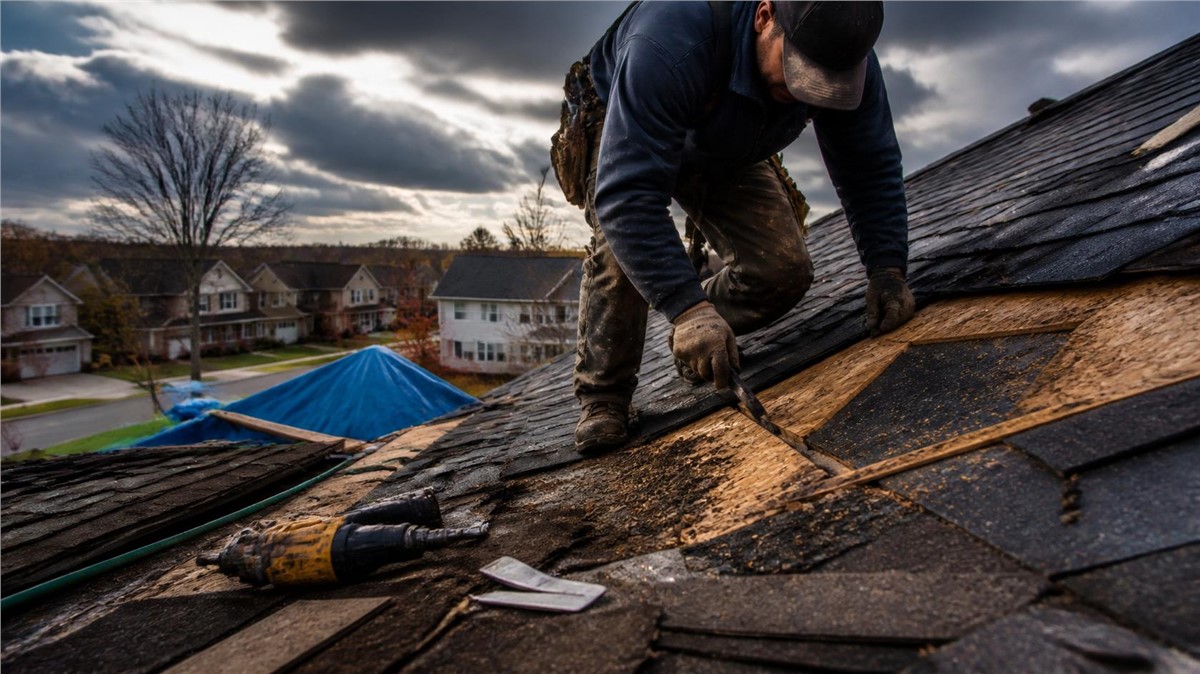
Yes, roof deck damage can often be repaired, but the damaged area usually needs to be exposed first. This may require removing shingles and underlayment in the affected section.
Repair may involve:
- Removing damaged shingles
- Inspecting the underlayment
- Cutting out damaged decking
- Replacing soft or rotted wood
- Installing proper underlayment
- Replacing shingles
- Correcting flashing or ventilation issues
The source of the moisture must be fixed so the damage does not return.
When Roof Replacement May Be Needed
Roof replacement may be the better option if deck damage is widespread or connected to an aging roof system.
Replacement may be recommended when:
- Decking is damaged in multiple areas
- Shingles are failing throughout
- Leaks keep returning
- Storm damage affects several slopes
- Granule loss is heavy
- Flashing problems are widespread
- Ventilation issues caused long-term damage
- The roof is near the end of its lifespan
A professional inspection can help determine whether repair or replacement is more practical.
What Happens During a Roof Deck Inspection?
A roof deck inspection may involve both exterior and attic checks.
A contractor may review:
- Shingle condition
- Roof soft spots
- Sagging areas
- Flashing
- Ridge caps
- Gutters and roof edges
- Attic decking
- Insulation
- Moisture stains
- Interior ceiling stains
- Ventilation concerns
The goal is to identify both the visible damage and the hidden cause.
What Homeowners Should Do Next
If you suspect roof deck damage, avoid climbing onto the roof. Damaged decking may be unsafe to walk on.
Helpful steps include:
- Take photos of visible roof damage from the ground
- Check ceilings for stains
- Look in the attic if safe
- Note when leaks or stains appear
- Watch for gutter overflow
- Avoid delaying inspection
- Schedule a professional roof evaluation
- Contact insurance if storm damage may be involved
Early action can help prevent moisture from spreading further.
Repair vs Replacement
The right choice depends on the scope of damage and overall roof condition.
Repair may make sense if:
- Deck damage is isolated
- Shingles are still in good condition
- Flashing can be corrected
- No widespread moisture damage is present
- The roof is not near the end of its lifespan
Replacement may be better if:
- Deck damage is widespread
- Shingles are aging or brittle
- Leaks keep returning
- Storm damage affects multiple areas
- Repairs would not last
- Hidden moisture is extensive
A clear inspection helps homeowners understand the safest and most practical next step.
Why a Full Exterior Inspection Helps
Roof deck damage may be connected to more than shingles. Gutters, flashing, siding, windows, fascia, soffit, ventilation, and drainage can all affect how water moves around the home.
A full exterior inspection may include:
- Roofing
- Roof decking concerns
- Gutters and downspouts
- Flashing
- Fascia and soffit
- Siding
- Windows and trim
- Attic moisture signs
- Interior water stains
- Storm damage areas
Huskie Exteriors provides roofing, siding, window, gutter, and storm damage restoration services, helping homeowners evaluate the full exterior system.
Why Local Exterior Experience Matters
A local contractor understands how Illinois weather affects roofing systems. In Prairie Ridge, IL, homes need roofs that can handle hail, wind, heavy rain, snow, ice, humidity, heat, and freeze-thaw cycles.
Local experience helps homeowners determine whether roof deck damage is caused by storm damage, aging shingles, flashing leaks, gutter overflow, ventilation problems, ice buildup, or hidden moisture.
Conclusion
Roof deck damage in Prairie Ridge, IL can be hidden beneath the shingles, but warning signs may include soft roof areas, sagging sections, ceiling stains, attic moisture, musty odors, damaged shingles, granule loss, flashing leaks, and recurring roof problems. Because the roof deck supports the roofing system, damage should be inspected before it spreads.
If your home has roof leaks, soft spots, storm damage, missing shingles, attic moisture, or signs of damaged decking, Huskie Exteriors can inspect your roof and recommend the right next step.
Contact Huskie Exteriors for professional roofing, siding, window, gutter, and storm damage services in Illinois and Wisconsin.
Subscribe to Huskie Exteriors's Blog





Comments