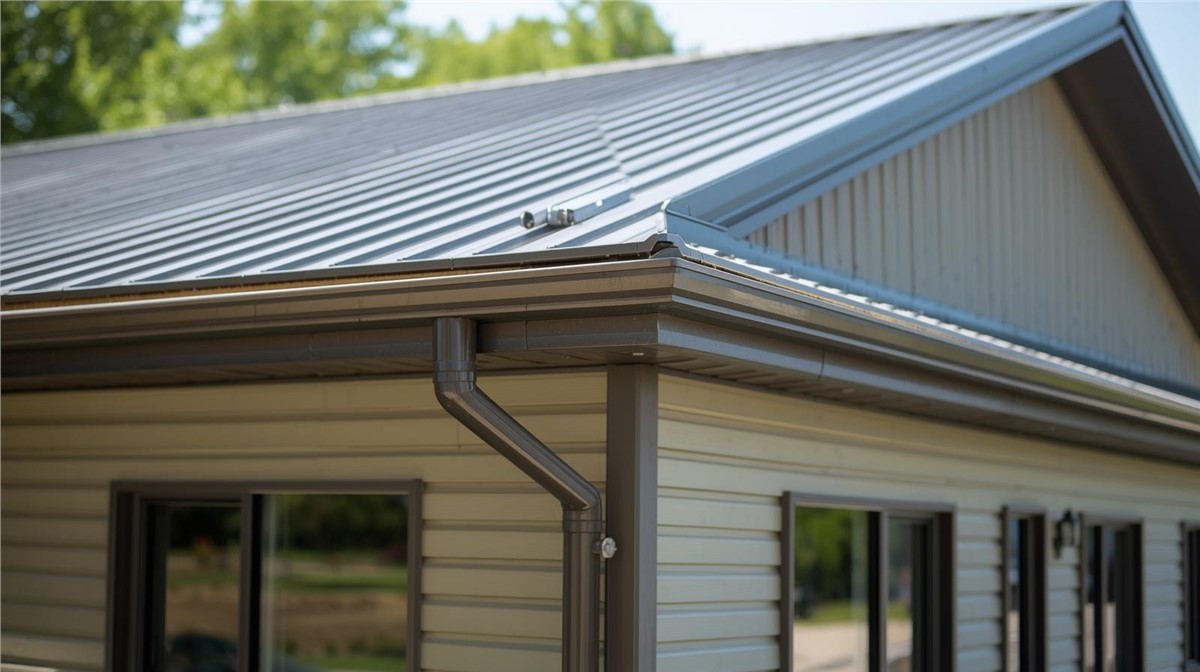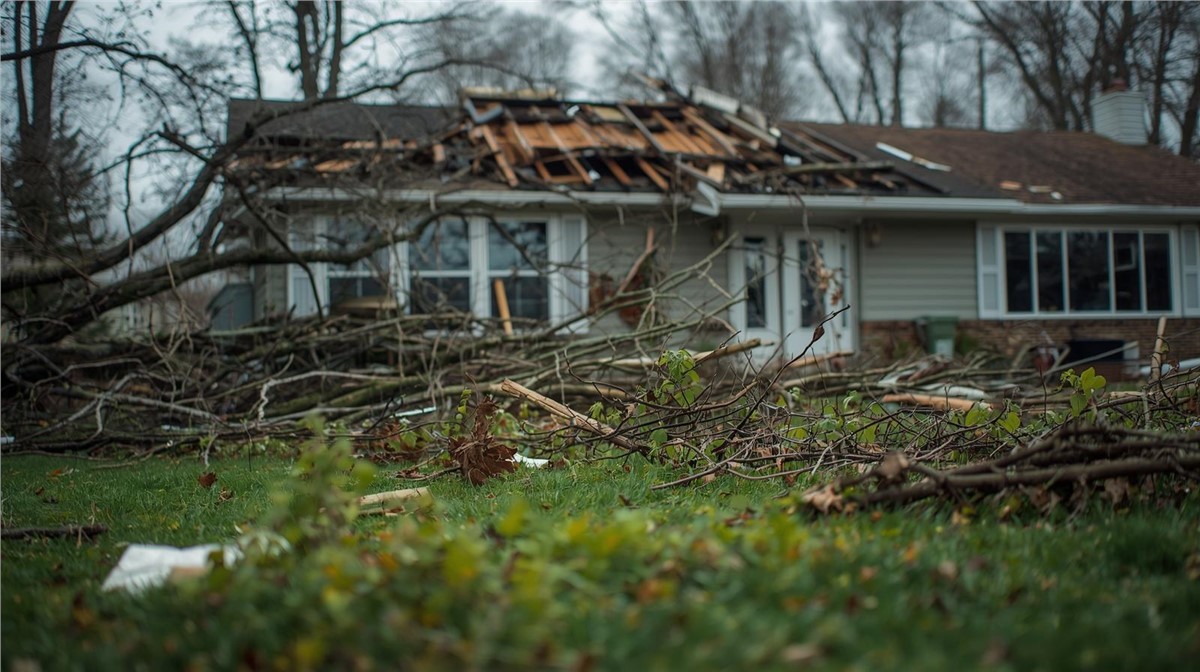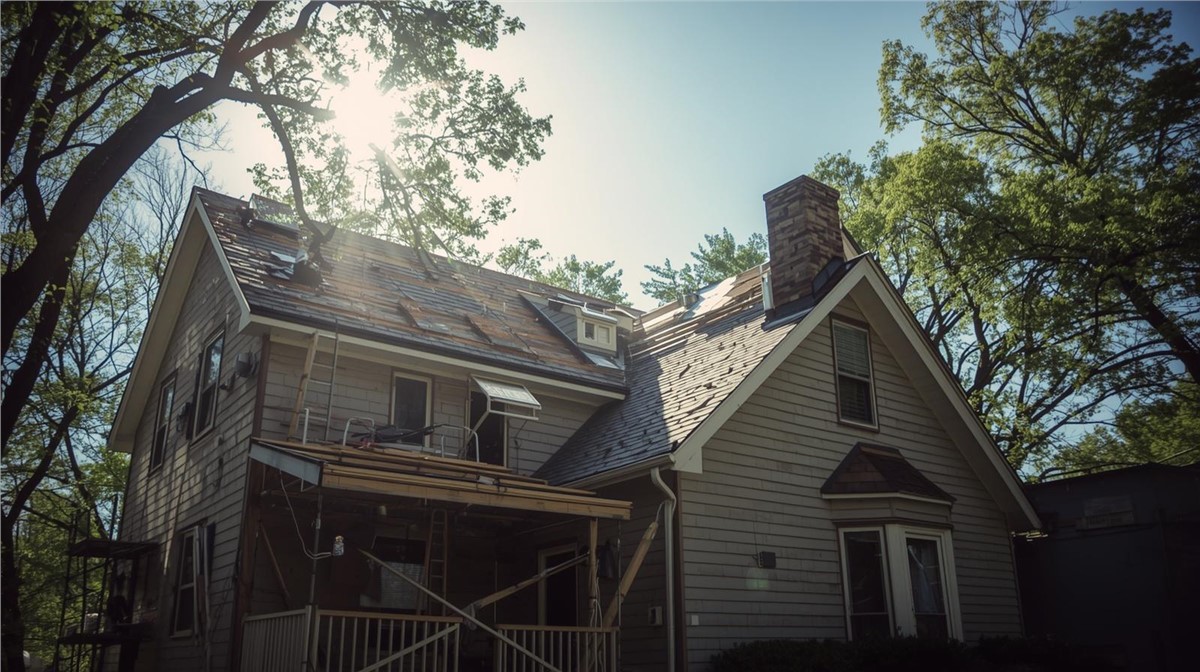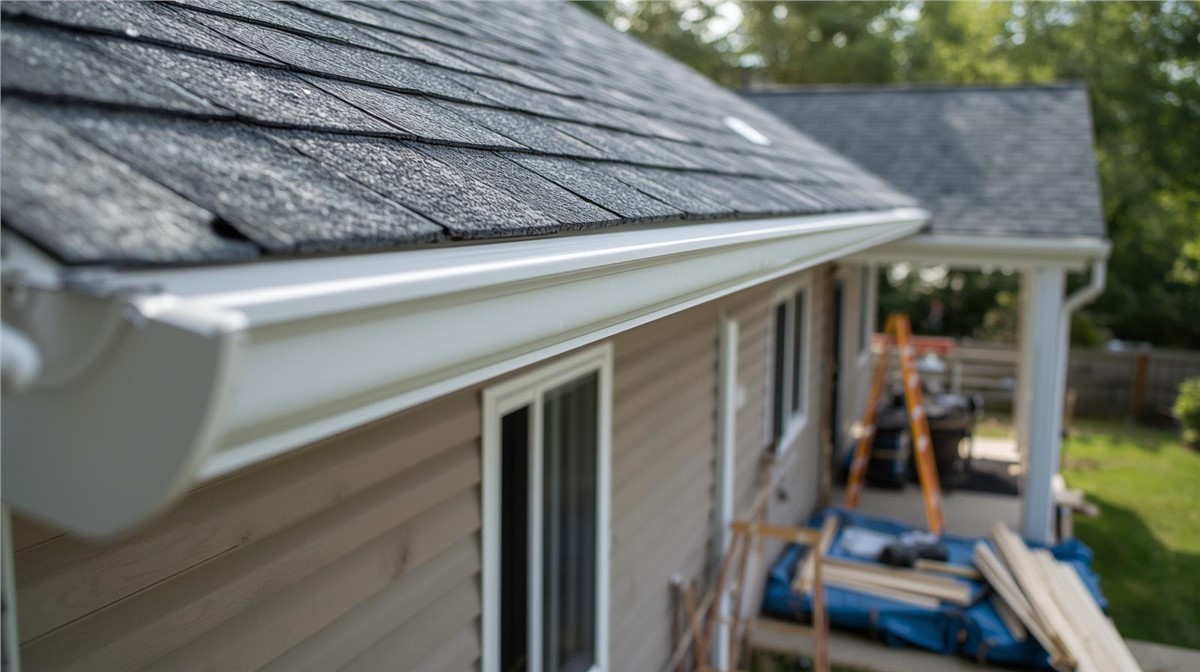
If your gutters in Naperville, IL are sagging, leaking, overflowing, pulling away from the house, or leaving wet areas near the foundation, they likely need repair before they cause bigger water damage.
Read More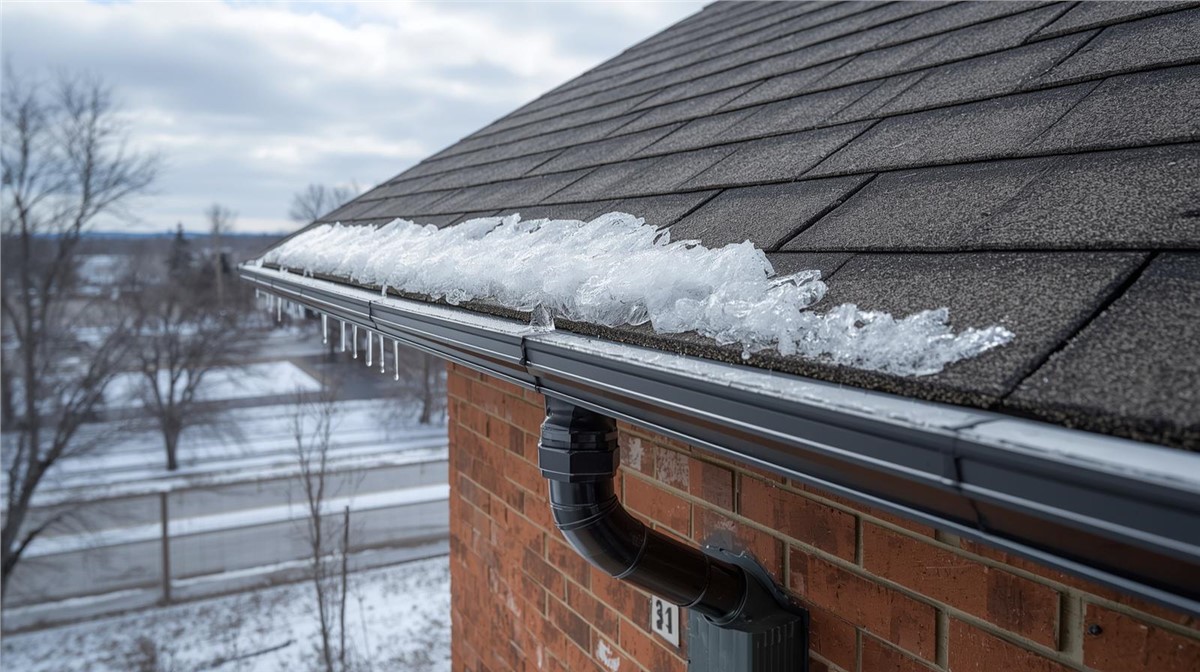
Ice dams form when snow melts over warmer parts of the roof, then refreezes at the colder eaves. In Naperville, IL, the long-term fix is usually not just “better gutters” or just “better roofing.
Read More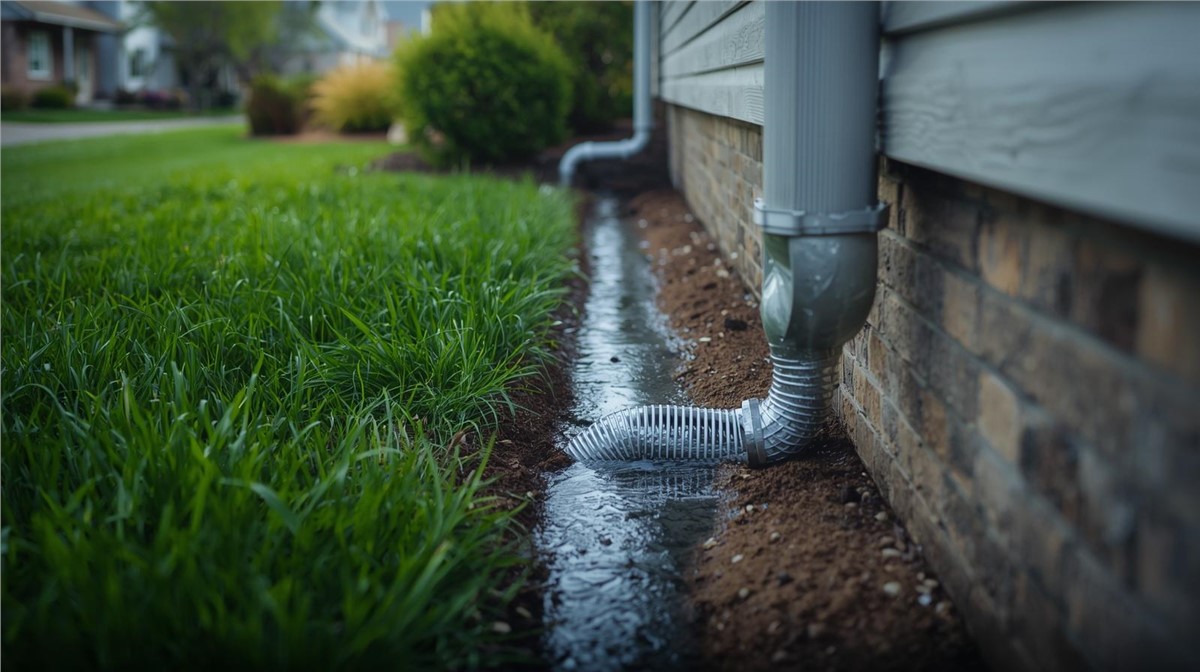
In Naperville, IL, the best downspout drainage solution usually depends on how much roof runoff your home handles, where that water lands now, and whether you are already seeing pooling, erosion, or foundation moisture.
Read More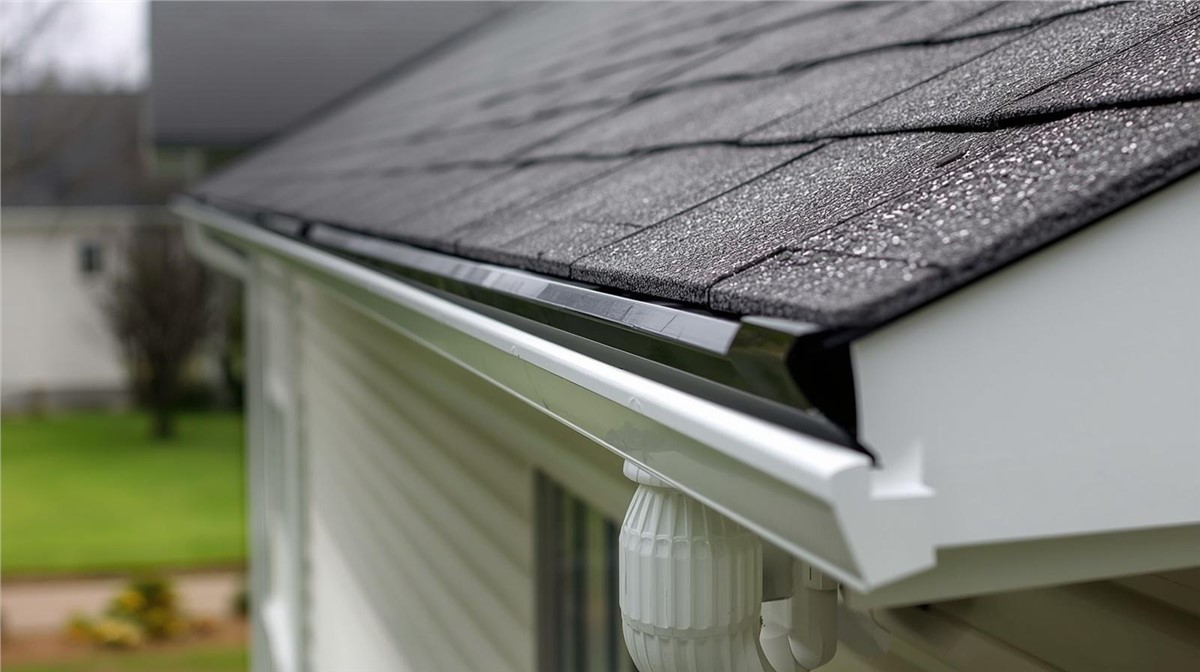
For many homeowners in Naperville, IL, yes, gutter guards are worth the cost when the home deals with tree debris, repeated clogs, or winter drainage issues. Current 2026 pricing commonly puts professional gutter guard installation around $653 to $2,458 total, with an average around $1,517.
Read More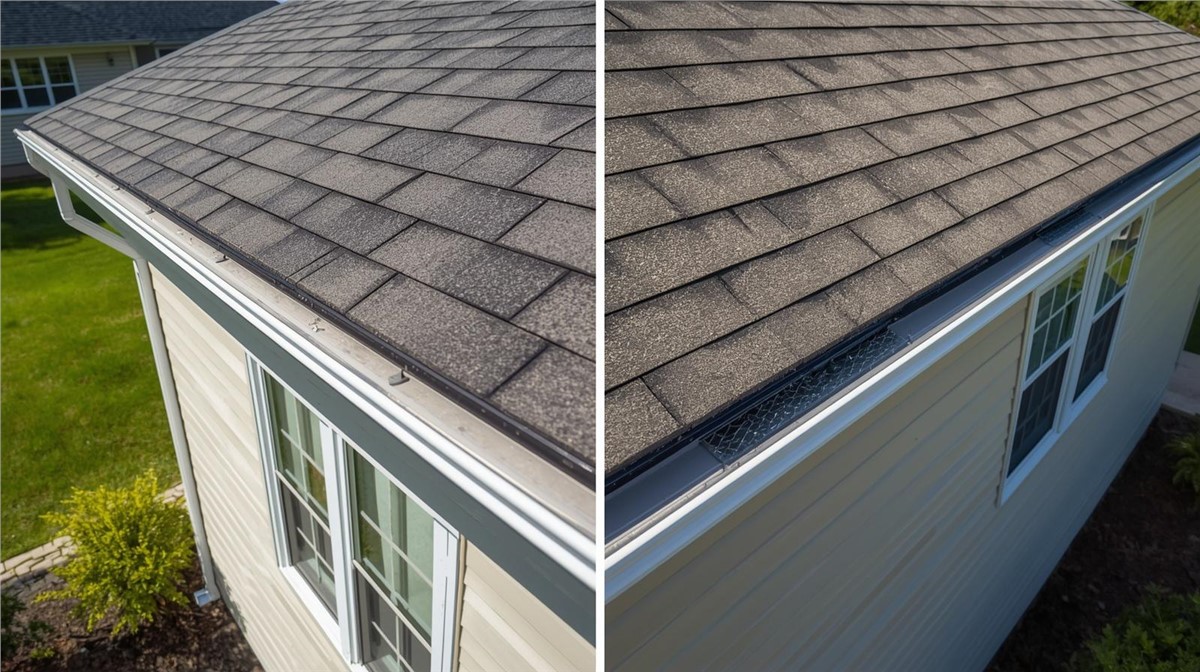
For many homes in Naperville, IL, seamless gutters are usually the better long-term choice because they have fewer joints, lower leak risk, and a cleaner finished look.
Read More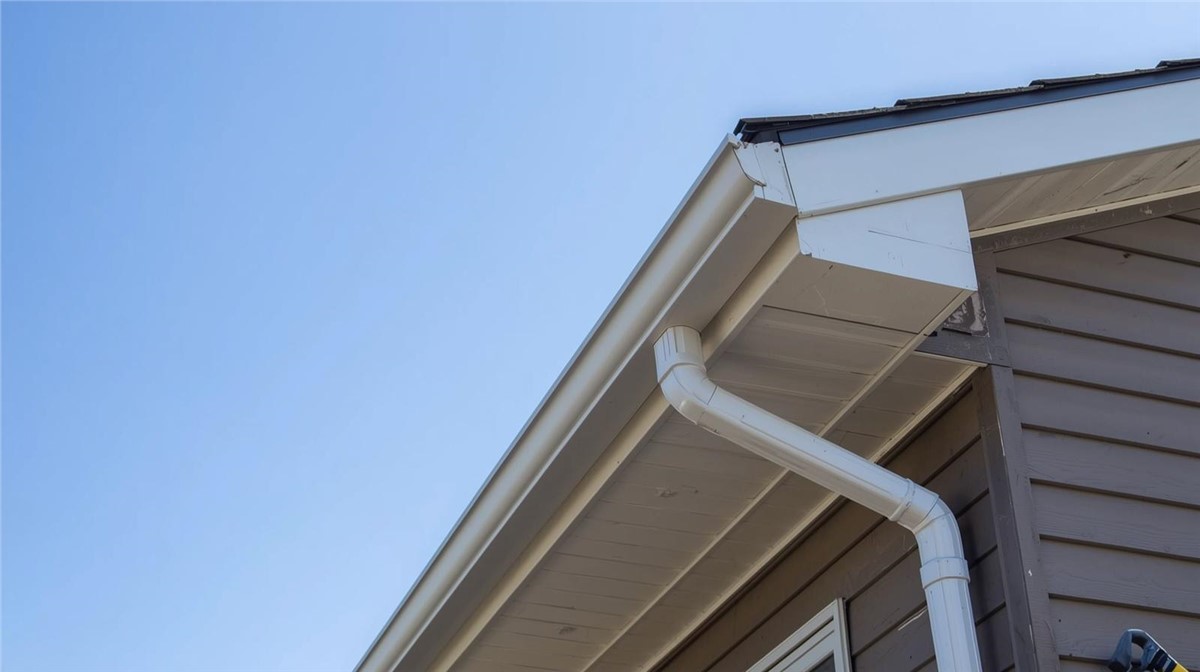
In Naperville, IL, gutter replacement cost usually depends on the gutter material, total linear footage, number of stories, roofline complexity, downspout count, and whether you are replacing the full system or only part of it.
Read More
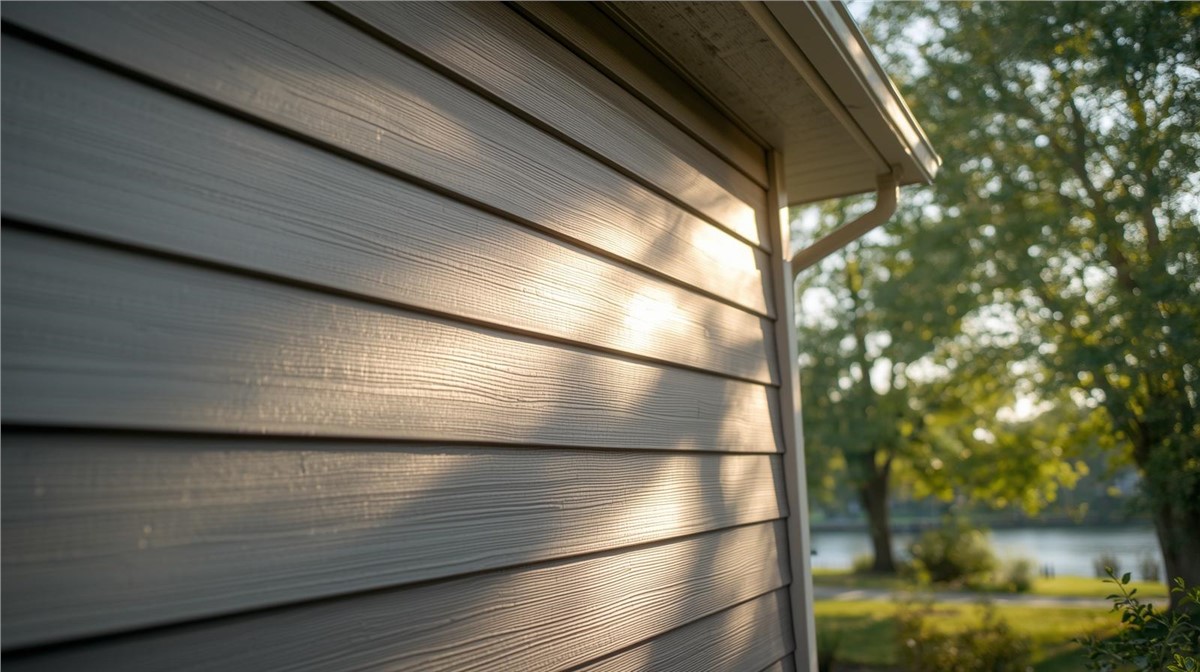
Choosing the right siding contractor in Naperville, IL starts with more than price. You want a contractor who can explain the scope clearly, show past work, provide a written estimate, confirm insurance, and explain how they handle hidden wall damage, cleanup, and project communication.
Read More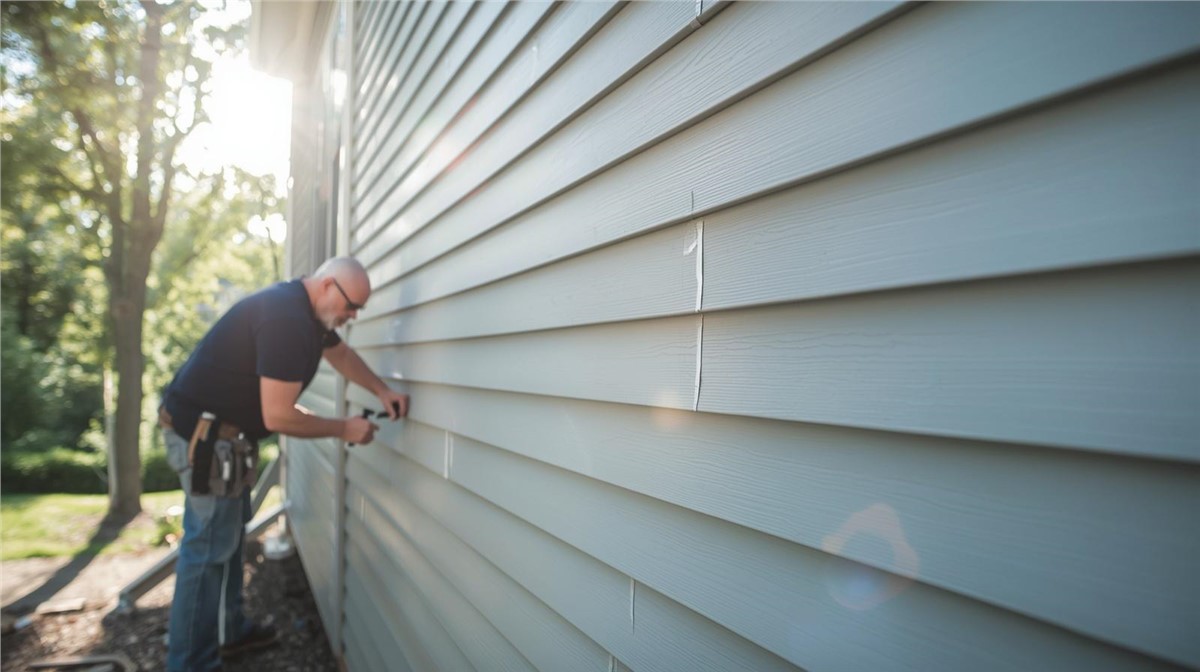
In Naperville, IL, a full siding installation project usually takes about one to two weeks on-site for many homes.
Read More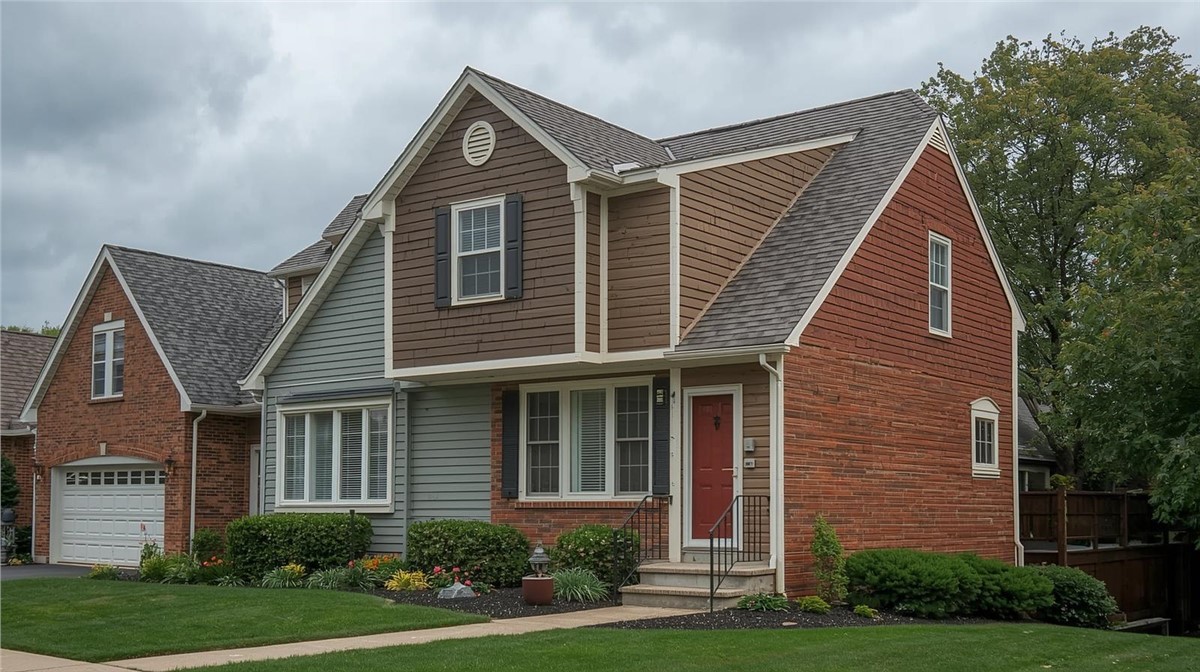
In Naperville, IL, siding lifespan depends on the material, installation quality, storm exposure, moisture control, and maintenance.
Read More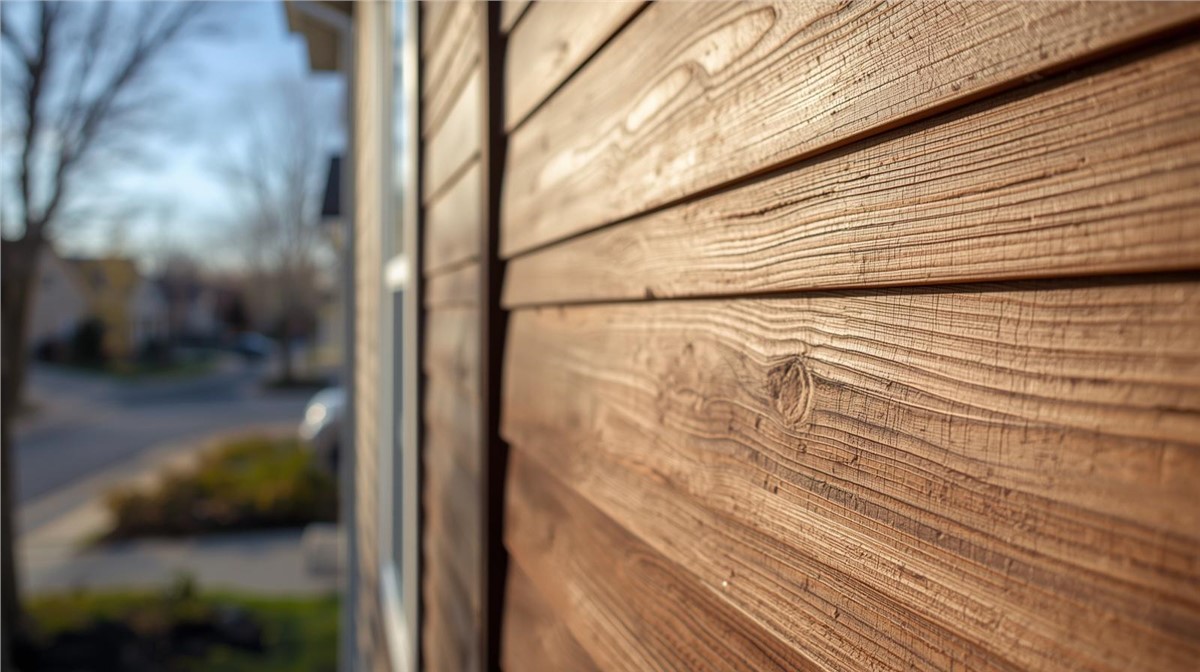
For many homes in Naperville, IL, fiber cement siding is usually the best overall choice for Midwest weather because it handles temperature swings, storm exposure, and long-term wear better than most lower-cost materials.
Read MoreSubscribe to Huskie Exteriors's Blog