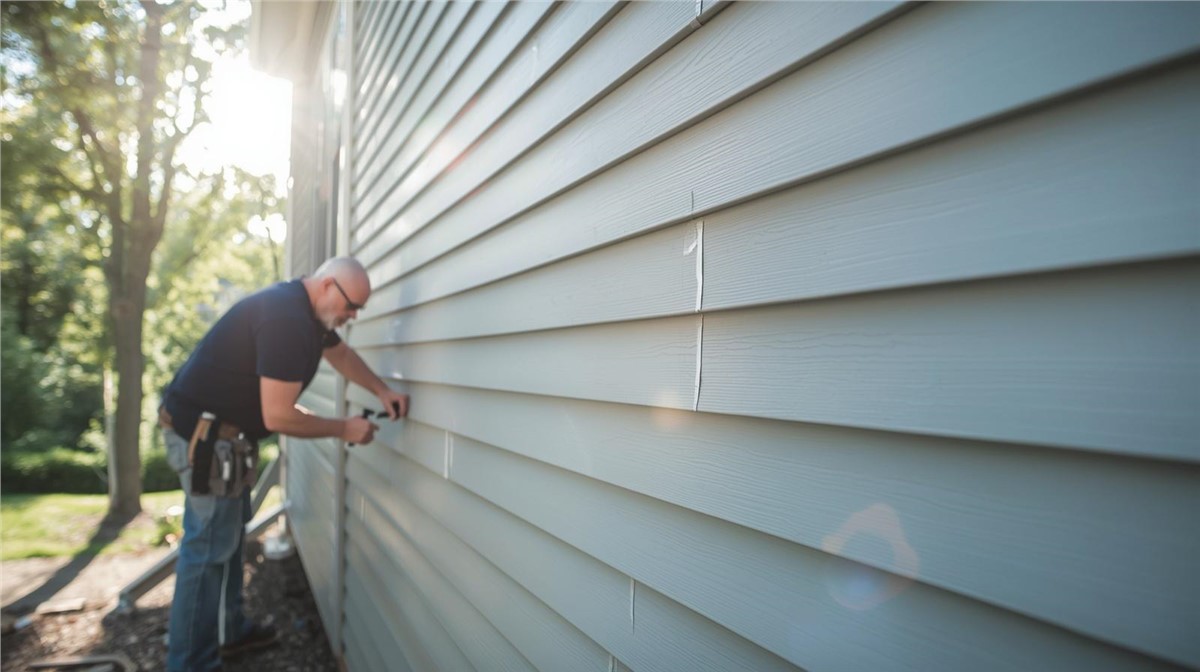
In Naperville, IL, a full siding installation project usually takes about one to two weeks on-site for many homes. For a typical 1,500 to 2,000 square foot home, siding replacement often averages seven to 14 days, though removal of old siding, repairs underneath, and material choice can stretch the timeline. Naperville’s current permit guidance also says a building permit is not required on single-family homes to install vinyl, aluminum, or cement board siding.
Why This Matters in Naperville, IL
Siding installation timing matters because siding is not only a visual upgrade. It protects the wall system from rain, wind, moisture intrusion, and seasonal temperature swings. In northern Illinois, where homes deal with storms, humidity, winter cold, and freeze-thaw cycles, waiting too long on damaged or aging siding can allow bigger wall problems to develop. Current replacement guidance emphasizes that old or damaged siding can leave a home exposed to moisture intrusion and other exterior issues.
The timeline also matters for planning. Homeowners usually want to know how long the house will be under active construction, whether old siding removal adds time, and what hidden repairs could slow the project down. Current 2026 siding guidance says most full siding jobs take one to two weeks, but the real schedule depends on home size, removal work, and repairs found underneath.
How Long Siding Installation Usually Takes
For many Naperville homes, a realistic siding timeline looks like this:
- Typical full project on-site: about one to two weeks
- Typical 1,500 to 2,000 square foot home: about seven to 14 days
- Projects with hidden repairs or more complex scope: longer than two weeks in some cases
- Material choice: can affect how long the crew is on site
These are broad working timelines, not guarantees. A simpler home with straightforward siding removal may move faster, while a house with multiple elevations, trim details, or wall repairs may take longer.
What Usually Affects the Timeline
Home Size
The bigger the home, the more siding has to be removed, prepped, and installed. That makes square footage one of the biggest schedule drivers. Homes around 1,500 to 2,000 square feet often fall in the seven to 14 day range, while larger homes can take longer.
Old Siding Removal
Removal is one of the first major variables. Existing siding has to come off before the wall can be checked and prepped. Guidance on siding installation specifically notes that the complexity of removing old siding is one reason the total project can range from one to two weeks.
Repairs Under the Siding
Once the old siding comes off, crews may find damaged sheathing, warped areas, or other exterior-wall issues that need to be corrected before new siding goes on. Current installation guidance directly notes that repairs underneath are one of the main reasons timelines extend.
Material Choice
Different siding materials can affect the crew schedule. Current contractor guidance says that once work begins, the crew is usually at the home for one to two weeks depending on the material, and fiber cement installation often takes seven days to two weeks.
Home Shape and Access
Dormers, corners, multiple elevations, landscaping obstacles, and tighter access all slow down labor. Installation cost guidance notes that more difficult installations and more complex homes require more labor time, which also affects scheduling.
Step-by-Step Siding Installation Process
Step 1: Inspection and Measurement
A siding project starts with measuring the home and reviewing the existing exterior. At this stage, the contractor usually checks the current siding condition, trim details, and whether the project appears straightforward or likely to involve repairs once the wall is opened. This measurement and planning step is what helps set the project timeline in the first place.
Step 2: Material Selection and Scheduling
Before installation begins, the contractor confirms:
- siding material
- color and profile
- trim details
- whether old siding removal is included
- whether house wrap or related upgrades are needed
This planning stage affects the work schedule because sourcing materials and lining up crew time happens before the first day on site. Contractor guidance specifically notes that the timeline discussion should include permits, materials, and scheduling before the job starts.
Step 3: Old Siding Removal
Once the project starts, the crew removes the old siding and disposes of debris. This is one of the first labor-heavy parts of the project and one of the reasons the job can stretch toward the longer end of the one to two week range.
Step 4: Wall Inspection and Repairs
After removal, the exterior wall can be inspected properly. If the contractor finds rot, warped sheathing, or moisture-related issues, repairs usually need to happen before the new siding is installed. This is one of the biggest reasons project timing can change after work begins.
Step 5: House Wrap and Prep Work
Qualified siding contractors commonly include exterior-wall prep such as house wrap installation when needed. This step matters because siding is not the only layer protecting the house from moisture.
Step 6: New Siding Installation
This is the main installation phase. Once the wall is prepped, the crew installs the new siding sections, aligns courses, fits corners and trim, and works around windows, doors, and rooflines. For many homes, this phase takes several days within the broader one to two week timeline.
Step 7: Trim, Finishing, and Cleanup
After the main siding is up, crews finish trim details, check transitions, handle remaining edge work, and clean up debris.
What Usually Delays a Siding Project
The most common reasons a siding project takes longer are:
- difficult old siding removal
- hidden wall repairs
- more complex home shape
- harder site access
- premium or more labor-intensive materials
- scheduling or material delays
Current siding guidance consistently points to removal complexity, underlying repairs, and material differences as the biggest schedule drivers.
Permit Notes for Naperville, IL
Naperville’s official building-permit page says that for single-family homes, a permit is not required to install vinyl, aluminum, or cement board siding. That means many straightforward siding projects are simpler from a permit standpoint than other exterior work. If the project goes beyond ordinary siding installation, the contractor should still verify the city’s current requirement before starting.
What Homeowners Should Ask Before the Job Starts
A few questions can help avoid surprises:
- How long should this project take from start to finish?
- Does that timeline include old siding removal?
- What happens if damaged sheathing is found underneath?
- Is house wrap included if needed?
- Does the material choice change the crew schedule?
- Is this project covered by Naperville’s no-permit siding guidance?
These are practical questions based on the timeline and service details current contractor guidance highlights.
FAQs
How long does siding installation take in Naperville, IL?
For many homes, the on-site portion takes about one to two weeks, and a typical 1,500 to 2,000 square foot home often falls around seven to 14 days.
What usually makes the project take longer?
The biggest schedule drivers are old siding removal, repairs underneath, material choice, and home complexity.
Does fiber cement take longer to install?
It can. Current 2026 guidance says full fiber cement installation often takes seven days to two weeks, which fits the longer end of a typical siding project.
Do I need a permit for siding installation in Naperville?
For a single-family home, Naperville says a permit is not required to install vinyl, aluminum, or cement board siding.
Get a Free Estimate in Naperville, IL
If you are planning siding installation in Naperville, IL, Huskie Exteriors is here to help with clear timelines, honest recommendations, and exterior solutions built for Midwest weather. We serve homeowners across Northern Illinois and Southern Wisconsin with siding, roofing, gutters, and windows designed for long-term performance.
Subscribe to Huskie Exteriors's Blog






Comments