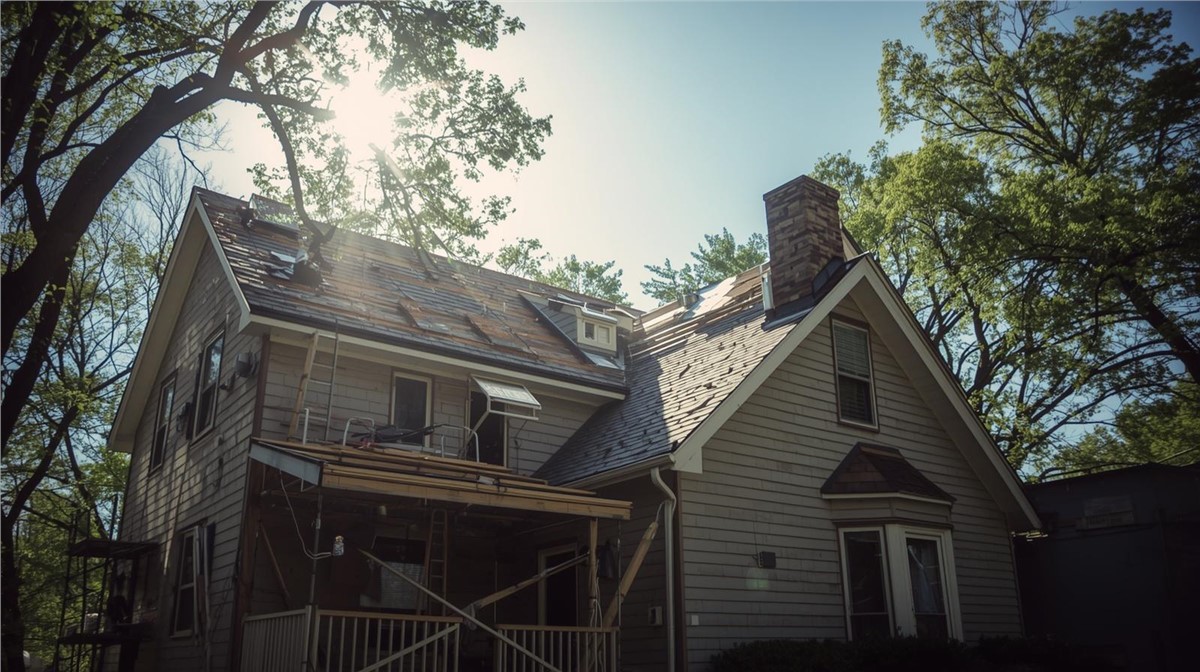
A roof replacement in Woodstock, IL involves more steps than most homeowners anticipate — from inspection and permitting through material delivery, installation, and cleanup. Knowing what happens at each stage helps you plan around the project, ask the right questions, and recognize when the process is going correctly.
What Happens Before Installation Begins
The timeline for a roof replacement starts well before a crew shows up at the house. After the initial inspection and estimate — typically delivered within three to seven business days of the site visit — the contract is signed, a permit is pulled, and materials are ordered.
In Woodstock and McHenry County, most residential roofing replacements require a building permit. A reputable contractor handles this as standard — not as an optional add-on. Permit processing typically takes a few business days for straightforward residential projects, though some jurisdictions require a brief plan review that extends the window.
Material lead times for standard architectural shingles are short — usually two to four days from order to delivery. Premium or specialty products may take one to three weeks. This phase often runs concurrently with permitting, so delays in one do not necessarily hold up the other.
Scheduling reality in McHenry County: During peak demand periods — late spring through early fall — established contractors carry backlogs of four to eight weeks. A contractor who can start tomorrow in the middle of storm season is worth investigating before signing. A written start date in the contract is the appropriate way to confirm scheduling commitment.
Installation Day: What to Expect
Most standard residential roof replacements in Woodstock take one to two full days. More complex roofs — steep pitch, multiple dormers, significant valley and flashing work — may extend to three days.
The installation sequence matters as much as the installation itself:
- Tear-off — existing shingles are stripped and debris managed progressively throughout the day, not left accumulating in the yard
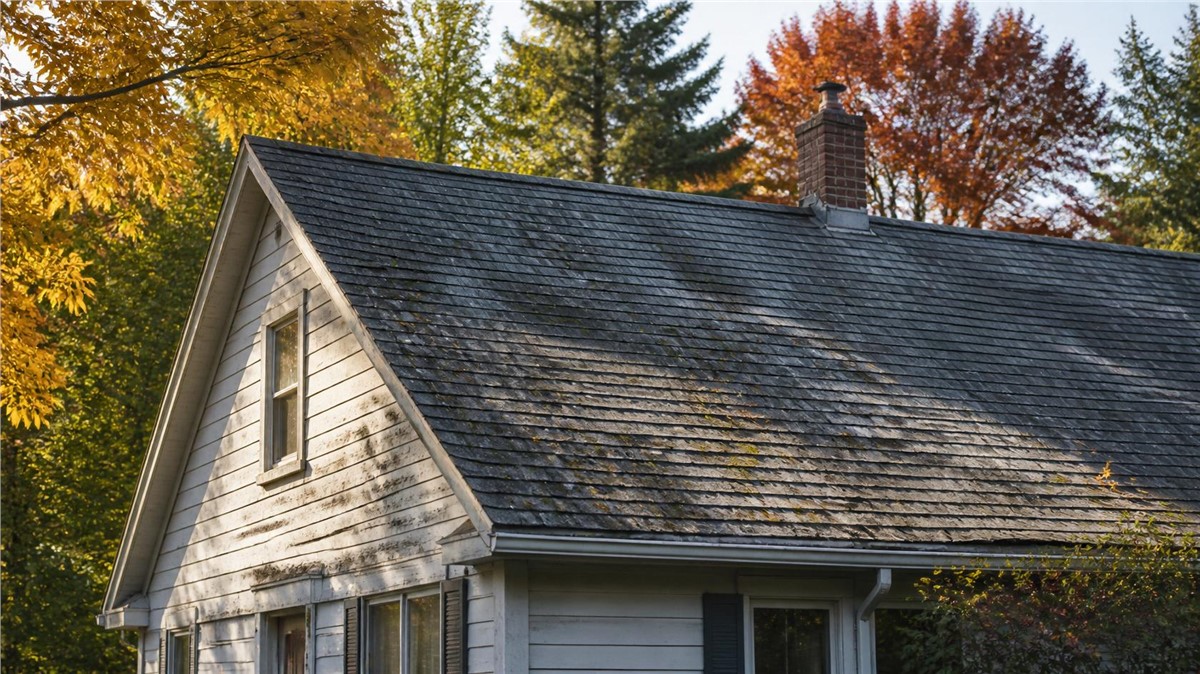
- Decking assessment — the full deck is inspected once exposed; soft spots, rot, or moisture damage from prior ice dam infiltration are identified and communicated to the homeowner before any additional repair scope proceeds
- Ice and water shield — self-adhering membrane installed at eaves, valleys, and around penetrations before underlayment begins
- Underlayment — synthetic underlayment installed from eave to ridge in correct overlapping sequence
- Drip edge and starter strips — installed before field shingles begin
- Field shingles and integrated flashing — step flashing at wall transitions, pipe boot flashings, and valley treatment are installed as each section reaches those elements — not added after shingles are complete
- Ridge cap — installed over ridge vent as the final installation step
The crew should perform a magnetic nail sweep of the yard, driveway, and landscaping at the end of each day. This is non-negotiable on any residential project and one of the clearer indicators of how carefully the property is being managed.
Weather and Mid-Project Discoveries
Two things affect roofing timelines in northern Illinois that homeowners should anticipate rather than be surprised by.
Weather delays are normal. Rain prevents installation — wet decking compromises adhesive bonding and creates safety hazards. Cold below 40 degrees requires hand-sealing of shingles. A reputable contractor communicates delays promptly, provides a revised schedule, and protects any open roof areas with temporary covering when weather interrupts mid-project.
Decking discoveries are common on roofs over 15 years old or with any documented ice dam history. The full deck condition is not known until tear-off exposes it. A contractor who builds a reasonable repair allowance into the estimate and commits to homeowner notification before proceeding beyond it is operating correctly. Additional decking work added to the final invoice without prior authorization is not.
The Insurance Claim Track
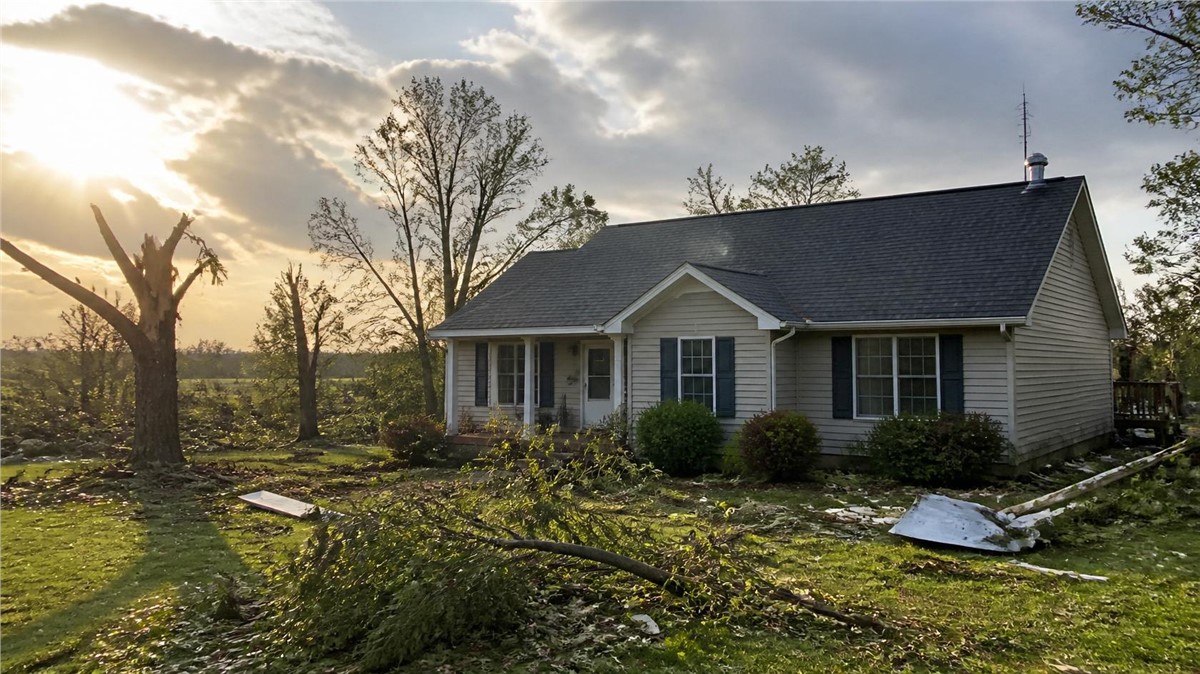
For Woodstock homeowners replacing a roof through an insurance claim, the installation timeline runs alongside a separate claims process that adds time to the overall project.
Realistic claim timeline expectations:
- Storm event to adjuster visit: two to four weeks in most cases, longer during high-claim periods
- Adjuster visit to initial payment: two to four additional weeks
- Supplement negotiation if initial scope is incomplete: two to six more weeks
Total time from storm event to installation start commonly ranges from six weeks in straightforward cases to four or more months when supplement negotiations are involved. A contractor who explains this timeline honestly at the first consultation is managing expectations correctly. One who promises a fast resolution without controlling the insurer's pace is not.
Final Inspection and Completion
The day installation is complete, a final inspection covers the full roof surface, all flashing points, gutter condition, and attic ventilation confirmation. Any punchlist items — incomplete caulk, a ridge cap section needing an additional nail — are addressed before the project is closed.
The homeowner's final walkthrough should confirm every operable element and that the property has been cleaned to the standard discussed at contract signing. Final payment is appropriate after punchlist completion — not before.
Contact Huskie Exteriors for professional roofing, siding, window, gutter, and storm damage services in Illinois and Wisconsin. If your Woodstock home is ready for a roof replacement, our team is ready to walk you through every phase honestly and completely.
Subscribe to Huskie Exteriors's Blog





Comments