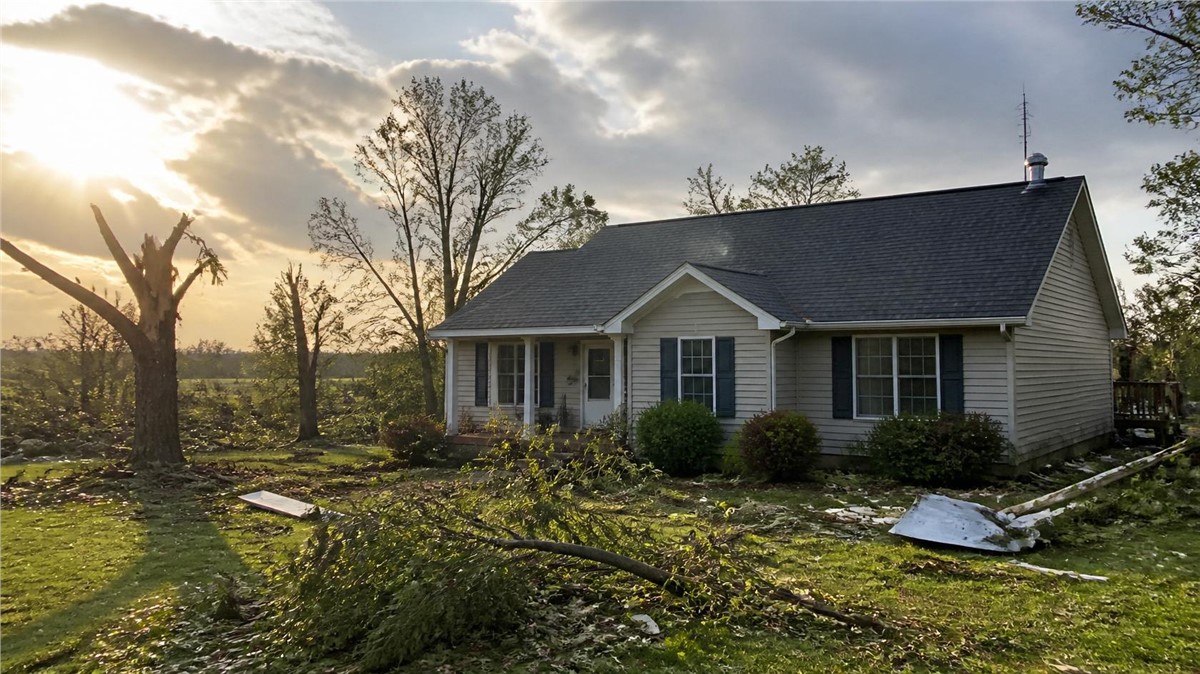
After a severe storm, many homeowners hope a simple roof repair will be enough. Sometimes it is. A few missing shingles, one damaged vent boot, or a small flashing issue may be repairable.
But storm damage is not always limited to one small area. Hail, wind, heavy rain, snow, ice, and freeze-thaw cycles can damage shingles, flashing, gutters, roof edges, vents, siding, windows, fascia, and soffit. When damage is widespread or the roof is already aging, replacement may be the more practical long-term solution.
For homeowners in Albany, WI, knowing when repairs are not enough can help prevent leaks, moisture damage, and repeated repair costs.
Why Storm Damage Can Be Serious
Storm damage can weaken the roof even if there is no active leak right away. Hail may bruise shingles and knock away granules. Wind may lift shingles and break their seals. Heavy rain may expose weak flashing. Ice and freeze-thaw cycles may worsen roof edge problems.
Storm damage may lead to:
- Roof leaks
- Wet attic insulation
- Soft decking
- Ceiling stains
- Damaged flashing
- Loose shingles
- Granule loss
- Fascia and soffit damage
- Gutter problems
- Interior moisture concerns
A professional inspection helps determine whether repair or replacement is the better option.
When Roof Repairs May Be Enough
Roof repair may make sense when storm damage is small, isolated, and the rest of the roof is still in good condition.
Repairs may be enough if:
- Only a few shingles are missing
- Damage is limited to one small area
- One flashing section is loose
- One vent boot is damaged
- No leaks are present
- No hidden moisture damage is found
- The roof is still relatively healthy overall
- Matching shingles are available
A targeted repair can restore protection when the damage is limited and the surrounding roof materials are still performing well.
When Repairs Are Not Enough
Repairs may not be enough when damage affects large areas or the roof system is no longer reliable. Patching one section may not solve the larger problem if many shingles are weakened, aging, or storm-damaged.
Roof replacement may be needed if:
- Damage affects multiple roof slopes
- Hail damage is widespread
- Shingles are lifted across several areas
- Granule loss is heavy
- Leaks keep returning
- Decking is soft or damaged
- Flashing problems are widespread
- The roof is near the end of its lifespan
- Repairs would not restore long-term protection
When the roof is failing in several areas, replacement may offer better value than repeated repairs.
Widespread Hail Damage
Hail can damage shingles in ways that are difficult to see from the ground. Even if shingles are not missing, they may be bruised, cracked, or weakened.
Signs of hail damage may include:
- Dark impact marks
- Bruised shingles
- Missing granules
- Exposed asphalt
- Cracked shingle surfaces
- Damaged ridge caps
- Dented roof vents
- Dented gutters
- Torn window screens
If hail damage appears across multiple roof slopes, replacement may be more practical than replacing scattered shingles.
Wind Damage Across Multiple Areas
Wind damage often involves movement. Strong wind can lift shingles, loosen flashing, damage roof edges, or remove shingles completely.
Wind-related warning signs include:
- Missing shingles
- Lifted shingle tabs
- Creased shingles
- Loose ridge caps
- Damaged roof edges
- Shingles in the yard
- Loose flashing
- Water leaks after wind-driven rain
If many shingles have lifted or lost their seal, repairs may not provide dependable long-term protection.
Heavy Granule Loss
Granules protect asphalt shingles from weather and sun exposure. When storm damage knocks away too many granules, shingles become more vulnerable.
Signs of granule loss include:
- Granules in gutters
- Granules near downspouts
- Bald spots
- Dark patches
- Exposed black asphalt
- Uneven shingle texture
- Shiny or worn areas
A few small areas may be repairable. Widespread granule loss often points to a roof that may need replacement.
Repeated Roof Leaks
A single leak may be caused by one repairable issue. Repeated leaks, however, can be a sign that the roof system is failing.
Recurring leaks may involve:
- Aging shingles
- Damaged flashing
- Soft decking
- Poor ventilation
- Storm-damaged roof slopes
- Ice-related roof edge issues
- Failed previous repairs
- Water traveling through the attic
If leaks keep returning after repairs, replacement may be the better long-term option.
Damaged Roof Decking
The roof deck is the surface underneath the shingles. If water reaches the decking, it can become soft, rotted, or weakened.
Decking damage may be caused by:
- Long-term leaks
- Severe storm damage
- Ice buildup
- Poor ventilation
- Damaged underlayment
- Water entering through flashing
- Delayed repairs
If damaged decking is found, the repair scope may increase. In some cases, roof replacement is needed so the damaged materials can be properly addressed.
Flashing and Roof Edge Problems
Flashing protects areas where water is more likely to enter. Roof edges, valleys, chimneys, skylights, vents, and wall transitions are common leak points.
Storm damage may affect flashing around:
- Chimneys
- Skylights
- Roof valleys
- Vent pipes
- Dormers
- Wall transitions
- Ridge areas
- Roof edges
If flashing problems are widespread or connected to aging shingles, replacement may be more effective than isolated repairs.
Age of the Roof Matters
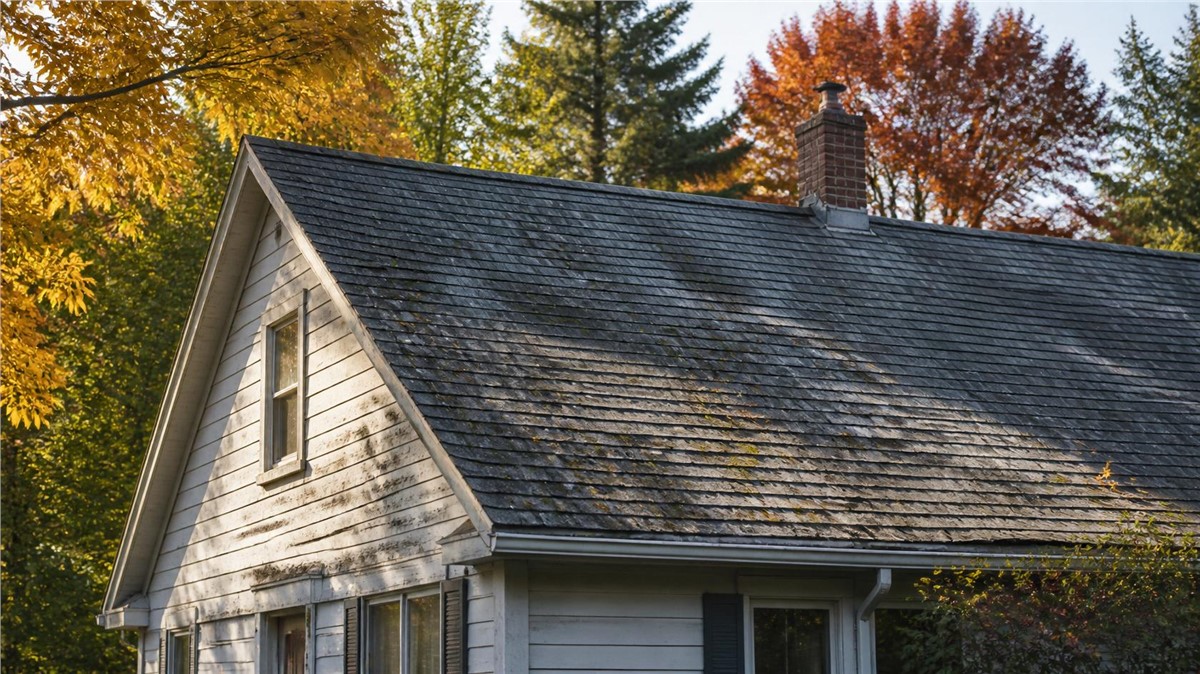
Storm damage can be worse on an older roof. As shingles age, they may become brittle, lose granules, curl, crack, or weaken.
Older roofs may be more likely to show:
- Curling shingles
- Cracking
- Heavy granule loss
- Brittle materials
- Poor repair matching
- Repeated leaks
- Loose ridge caps
- Widespread wear
If an older roof has storm damage, replacement may be more practical than repairing one area at a time.
Matching Shingles Can Be Difficult
After storm damage, matching replacement shingles can be a challenge. Even if the same product is available, older shingles may have faded from sun and weather exposure.
Matching issues may include:
- Discontinued colors
- Discontinued profiles
- Faded existing shingles
- Different texture
- Different thickness
- Repairs that stand out visually
If repairs would be noticeable or difficult to match across large areas, replacement may provide a cleaner and more complete result.
Gutters Can Reveal Roof Damage
Gutters often show clues after a storm. Hail and wind may damage gutters while also affecting shingles and roof edges.
Check for:
- Dented gutters
- Dented downspouts
- Loose fasteners
- Sagging sections
- Granules collecting in gutters
- Water running behind gutters
- Damaged gutter guards
- Overflow after storms
If gutters show storm damage, the roof, siding, windows, fascia, soffit, and trim should also be inspected.
Siding and Window Damage May Point to a Larger Storm Impact
Storms often damage more than one exterior system. If siding, windows, or trim show damage, the roof may also be affected.
Look for:
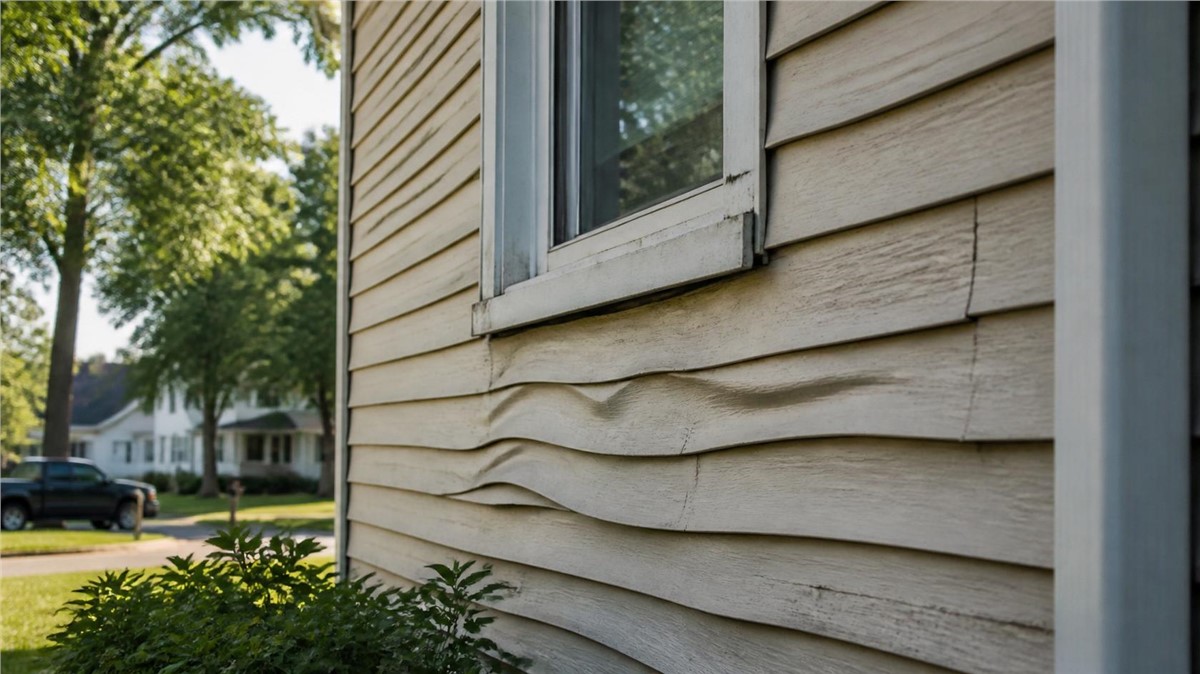
- Cracked siding
- Loose siding panels
- Torn window screens
- Dented trim
- Broken exterior lights
- Water stains near windows
- Damaged fascia or soffit
- Debris impact marks
A full exterior inspection helps homeowners understand whether the storm caused isolated damage or widespread exterior problems.
Insurance-Related Roof Replacement
If storm damage may involve insurance, homeowners should contact their insurance provider to understand the claim process, deductible, coverage, documentation requirements, and timelines.
Helpful documentation may include:
- Photos from the ground
- Storm date notes
- Interior leak photos
- Contractor inspection findings
- Temporary repair receipts
- Adjuster appointment notes
- Claim documents
Every policy is different, so homeowners should rely on their insurance provider for specific claim guidance.
Temporary Repairs Are Not Long-Term Fixes
Temporary repairs may be needed after storm damage, especially if water is actively entering the home. Tarping or short-term sealing may help reduce further damage while a permanent plan is prepared.
Temporary repairs may help with:
- Active leaks
- Missing shingles
- Exposed areas
- Interior protection
- Short-term weather protection
However, temporary work should not be treated as a permanent solution if the roof has widespread damage.
Repair vs Replacement After Storm Damage
The decision depends on damage severity, roof age, material condition, moisture concerns, and long-term value.
Repair may be enough if:
- Damage is isolated
- The roof is otherwise healthy
- No leaks are present
- Matching materials are available
- Decking is not damaged
- The repair will restore proper protection
Replacement may be better if:
- Damage is widespread
- Leaks keep returning
- Hail damage affects several slopes
- Wind lifted many shingles
- Granule loss is heavy
- Decking or underlayment is damaged
- Repairs would not last or match well
A professional inspection helps homeowners make a practical decision.
What Should Be Included in a Roof Replacement Estimate?
A roof replacement estimate should clearly explain the project scope.
A good estimate may include:
- Inspection findings
- Storm damage details
- Roofing material
- Tear-off details
- Underlayment
- Ice and water protection
- Flashing
- Ridge caps
- Ventilation review
- Decking repair terms
- Cleanup and disposal
- Timeline expectations
- Warranty information
The lowest estimate is not always the best value if important details are missing.
Why a Full Exterior Inspection Helps
Storm damage often affects multiple areas of the home. Roofing, siding, gutters, windows, flashing, fascia, soffit, trim, and drainage all work together to protect the home from water and weather.
A full exterior inspection may include:
- Roofing
- Gutters and downspouts
- Siding
- Windows and screens
- Flashing
- Fascia and soffit
- Exterior trim
- Attic moisture signs
- Interior water stains
- Storm damage areas
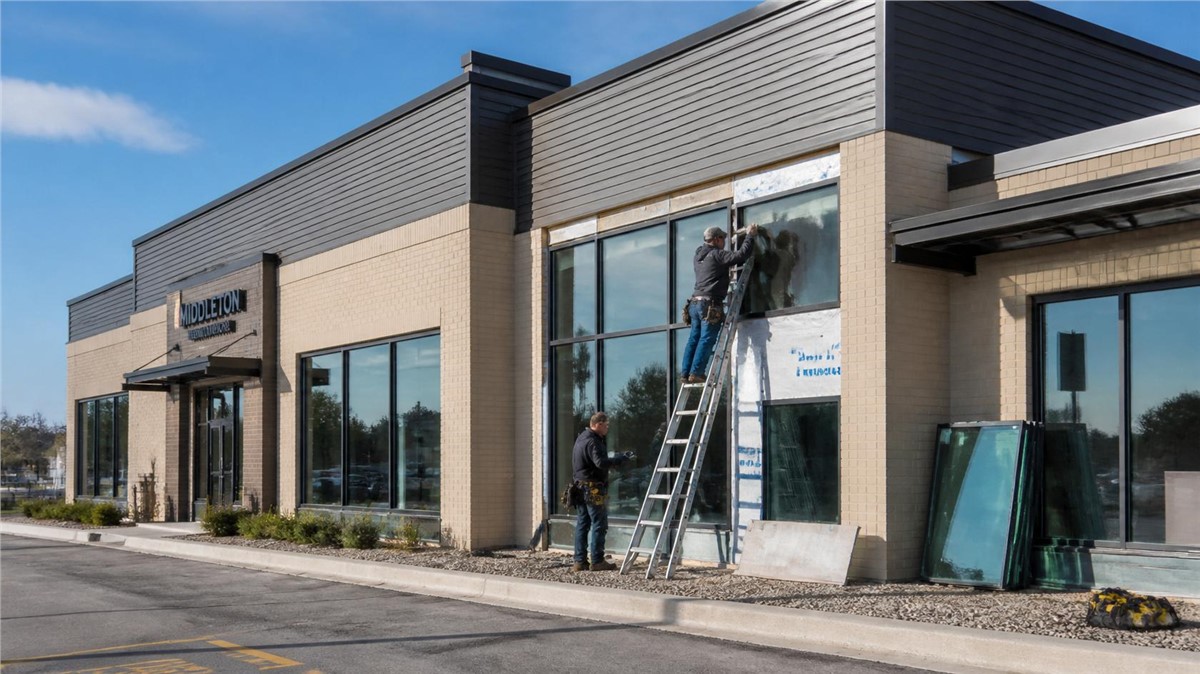
Huskie Exteriors provides roofing, siding, window, gutter, and storm damage restoration services, helping homeowners evaluate the full exterior system after severe weather.
Why Local Exterior Experience Matters
A local contractor understands how Wisconsin weather affects roofs. In Albany, WI, homes may face hail, wind, heavy rain, snow, ice, humidity, heat, and freeze-thaw cycles that can worsen storm damage over time.
Local experience helps homeowners understand whether roof replacement is needed because of hail damage, wind damage, leaks, aging shingles, damaged decking, flashing issues, or hidden moisture concerns.
Conclusion
Storm damage roof replacement in Albany, WI may be needed when repairs are not enough to restore long-term protection. Widespread hail damage, wind-lifted shingles, repeated leaks, heavy granule loss, damaged decking, flashing problems, or an aging roof can all point toward replacement instead of another small repair.
If your roof is storm-damaged, leaking, missing shingles, losing granules, or showing signs of widespread wear, Huskie Exteriors can inspect your home and recommend the right next step.
Contact Huskie Exteriors for professional roofing, siding, window, gutter, and storm damage services in Illinois and Wisconsin.
Subscribe to Huskie Exteriors's Blog





Comments