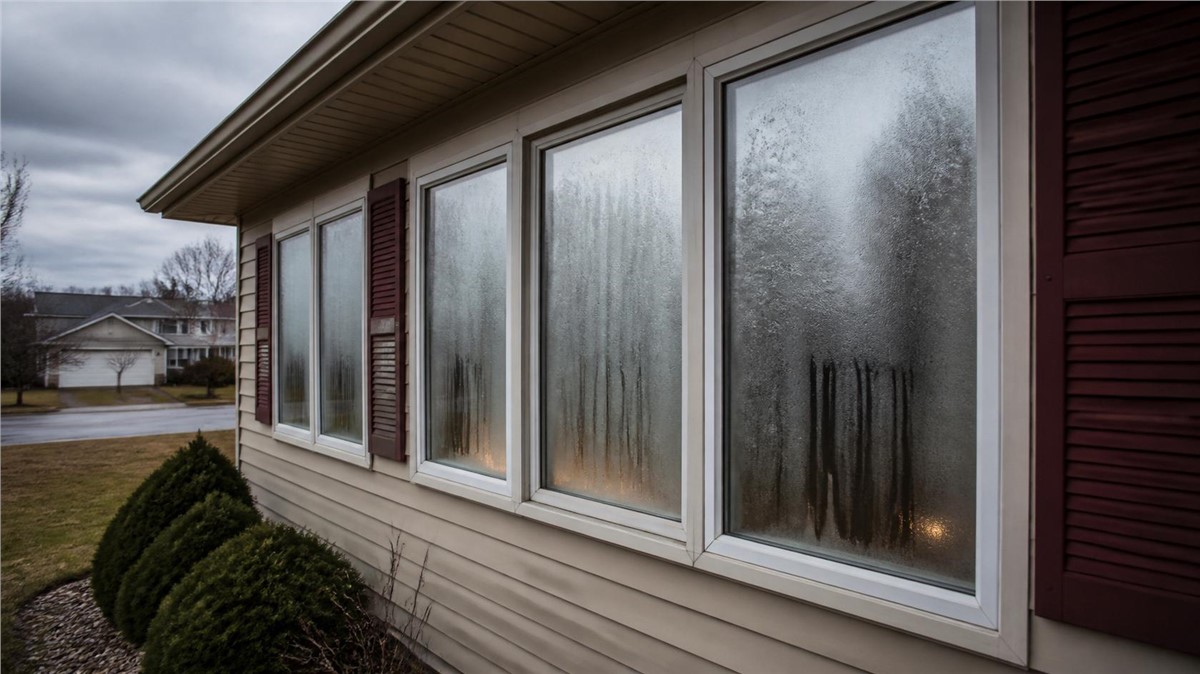
Foggy windows can be frustrating, especially when cleaning the inside and outside of the glass does not fix the problem. If moisture, haze, or streaks appear between the panes, the issue may be window seal failure.
For homeowners in Fitchburg, WI, window seals are exposed to cold winters, humid summers, heavy rain, snow, ice, wind, and freeze-thaw cycles. Over time, these conditions can weaken window materials and allow moisture to enter between insulated glass panes.
This guide explains what window seal failure means, why fogging happens, and what homeowners should know about repair and replacement options.
What Is Window Seal Failure?
Many modern windows use insulated glass units with two or more panes of glass. These panes are sealed together to help improve comfort and reduce heat transfer.
Window seal failure happens when that seal breaks down. Once the seal fails, moisture can enter the space between the panes.
Common signs include:
- Fog between panes
- Cloudy or hazy glass
- Moisture trapped inside the glass
- Streaks that cannot be wiped away
- Condensation between panes
- Mineral-looking deposits
- Reduced window clarity
If the fogging is between the panes, normal cleaning will not remove it.
Why Window Fogging Happens
Fogging usually happens when moisture enters the insulated glass space. Temperature changes can make the moisture appear and disappear depending on weather conditions.
Fogging may be worse during:
- Cold mornings
- Humid days
- Rainy weather
- Winter temperature swings
- Sunny afternoons
- Freeze-thaw cycles
The window may look clear at certain times and cloudy at others. This can make the issue easy to ignore until the fogging becomes more consistent.
Interior Condensation vs Seal Failure
Not all window condensation means seal failure. Moisture on the interior glass surface is different from moisture trapped between panes.
Interior condensation may be caused by:
- High indoor humidity
- Poor ventilation
- Cooking or shower moisture
- Closed blinds or curtains
- Cold outdoor temperatures
- Lack of airflow near windows
Seal failure is more likely when fogging or moisture appears between the glass panes and cannot be wiped away from either side.
Exterior Condensation Is Usually Different
Condensation on the outside surface of the window is usually not a seal failure. Exterior condensation can happen when outdoor humidity and glass temperature create dew on the outside pane.
This may happen during:
- Humid mornings
- Cool nights
- Seasonal temperature shifts
- High-efficiency window performance
Exterior condensation usually clears as temperatures change. Fogging between panes does not wipe away and often returns.
Common Causes of Window Seal Failure
Window seals can fail for several reasons. Sometimes it is related to age, and sometimes it is caused by installation, moisture, or weather stress.
Common causes include:
- Aging window materials
- Temperature expansion and contraction
- Sun exposure
- Freeze-thaw cycles
- Poor installation
- Water intrusion around the window
- Damaged frames
- Failed caulking
- Settling or movement around the opening
- Storm damage
A professional inspection can help determine whether the problem is limited to the glass unit or connected to a larger exterior issue.
Wisconsin Weather and Window Seals
Fitchburg homes experience seasonal weather that can put stress on windows. Cold winters, humid summers, snow, ice, wind, and freeze-thaw cycles can cause materials to expand, contract, and weaken over time.
Weather can affect:
- Window seals
- Frames
- Caulking
- Flashing
- Exterior trim
- Siding around windows
- Interior moisture levels
When window seals are already aging, seasonal weather may make fogging and moisture problems more noticeable.
Signs Your Window Seal Has Failed
Window seal failure often starts subtly. Homeowners may notice a cloudy area, then later see moisture or streaking between the panes.
Warning signs include:
- Fog that returns after cleaning
- Moisture between panes
- Hazy or cloudy glass
- White mineral deposits inside the glass
- Streaks between panes
- Glass that looks dirty but is not
- Reduced visibility through the window
- Condensation that appears inside the insulated glass unit
If several windows show the same signs, the window system may be aging.
Does Seal Failure Affect Energy Efficiency?
A failed window seal can reduce the insulating performance of the glass unit. When the sealed space is no longer working properly, the window may not perform as intended.
Possible comfort issues include:
- Drafty feeling near windows
- Uneven room temperatures
- Cold glass in winter
- Warm glass in summer
- Increased condensation concerns
- Reduced comfort near exterior walls
Seal failure does not always mean immediate emergency replacement, but it should be inspected if comfort problems or moisture concerns are present.
Can Seal Failure Cause Water Damage?
Seal failure between panes is different from a leak around the window opening. However, both issues can appear together.
Homeowners should also look for signs of water intrusion around the window, such as:
- Soft trim
- Peeling paint
- Stained drywall
- Bubbling paint
- Water marks below windows
- Musty odors
- Mold or mildew
- Damaged siding near the window
- Failed exterior caulking
If moisture is around the window frame, trim, or wall, the issue may involve flashing, siding, gutters, or exterior drainage.
When Window Fogging Is Mostly a Glass Issue
Sometimes fogging is limited to the insulated glass unit. In that case, the window frame, trim, and surrounding wall may still be in good condition.
This may be the case when:
- Moisture is only between panes
- The window opens and closes properly
- No water stains are present
- Trim is solid
- Siding around the window looks secure
- No drafts are noticeable
- The frame is not warped or rotted
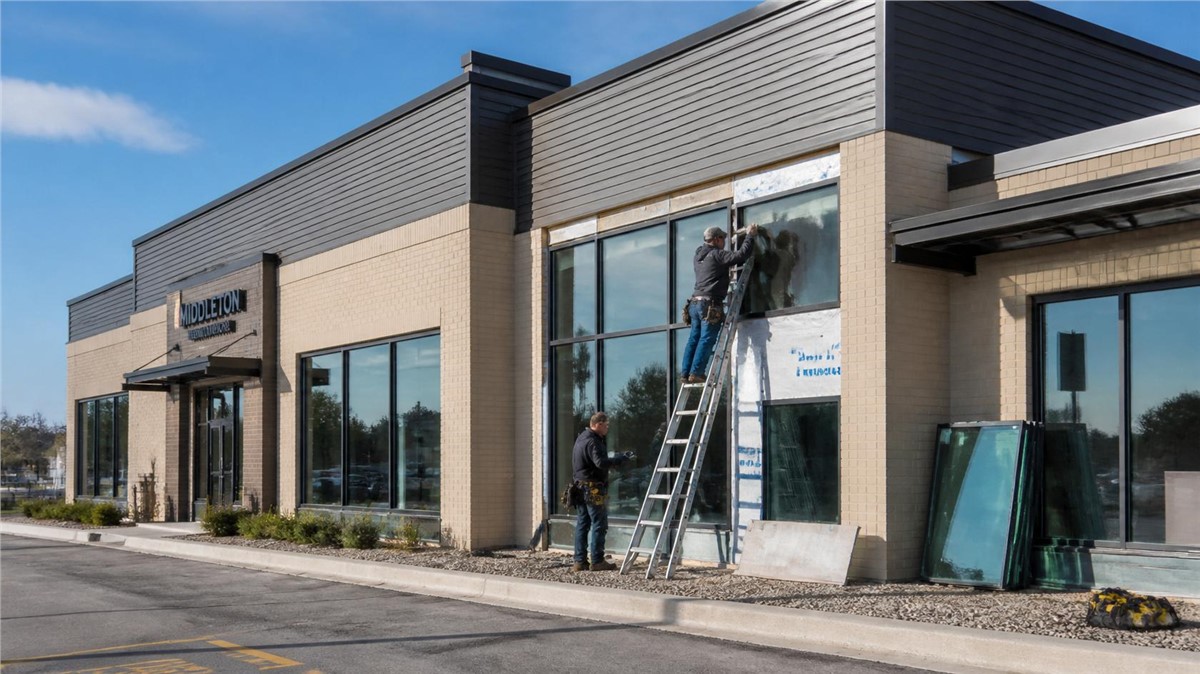
Depending on the window type and condition, glass replacement may be an option.
When Full Window Replacement May Be Better
Full window replacement may be more practical when seal failure is combined with other window problems.
Replacement may be better if:
- Several windows have failed seals
- Frames are warped or damaged
- Windows are drafty
- Windows are hard to open or lock
- Trim is soft or rotted
- Moisture damage is present
- Glass fogging keeps returning
- The windows are old or inefficient
- Exterior siding around windows is damaged
A full replacement can address the window unit, frame condition, sealing, flashing, and trim details.
Repair vs Replacement Options
The right solution depends on the window condition, age, style, and surrounding materials.
Repair may make sense if:
- One glass unit has failed
- The frame is still solid
- The window operates properly
- No moisture damage is found
- Replacement glass is available
- The rest of the windows are performing well
Replacement may make sense if:
- Multiple windows are fogging
- Frames are damaged
- Drafts are present
- Moisture has affected trim or walls
- The windows are outdated
- Repair would not restore long-term performance
A professional inspection can help homeowners compare the options.
Why Installation Quality Matters
Even high-quality windows can develop problems if they are not installed correctly. Proper installation helps protect the opening from air leaks and water intrusion.
Important installation details include:
- Correct window fit
- Proper flashing
- Insulation around the opening
- Exterior sealing
- Interior air sealing
- Trim protection
- Siding transitions
- Drainage around the opening
Poor installation may contribute to drafts, leaks, frame movement, or moisture problems around the window.
Siding and Flashing Around Windows
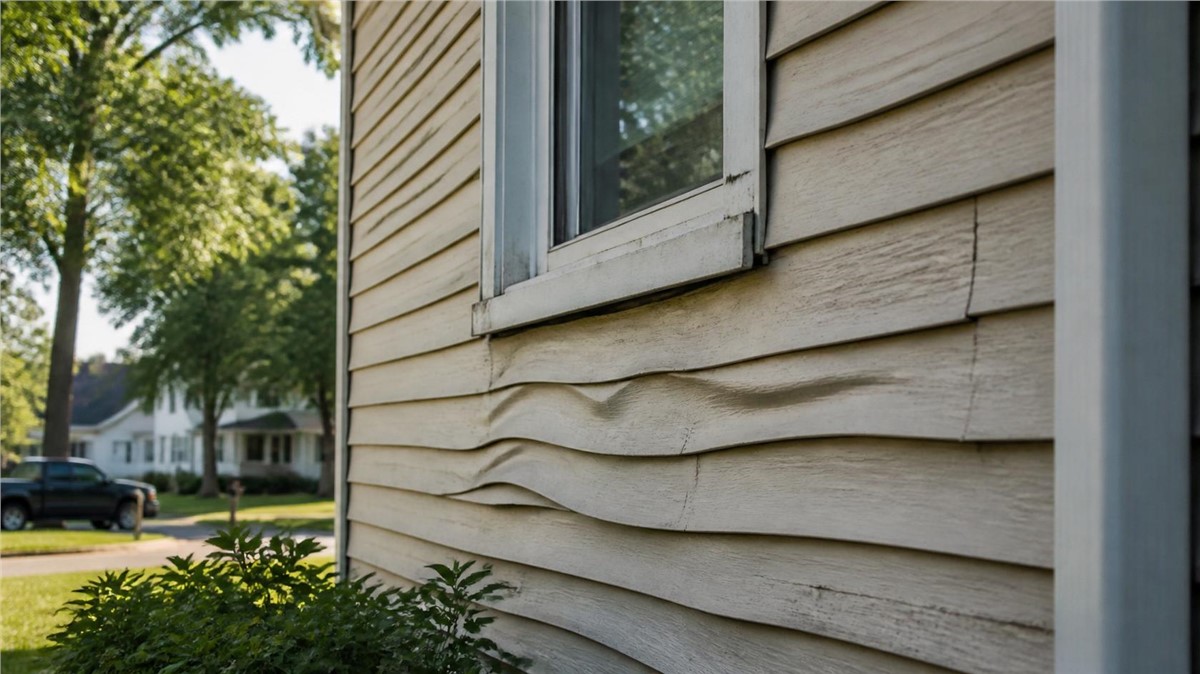
Window problems are often connected to the surrounding exterior. If siding, flashing, or trim around the window is damaged, water may enter near the opening.
Exterior concerns may include:
- Loose siding panels
- Cracked siding
- Missing flashing
- Failed caulking
- Soft trim
- Gaps around window trim
- Water stains below windows
- Damaged house wrap
If these problems are present, replacing the glass alone may not solve the full issue.
Gutters Can Contribute to Window Moisture Problems
Gutters and downspouts help keep water away from walls and windows. If gutters overflow, leak, or drain poorly, water may run down the siding and increase moisture around window openings.
Gutter problems may include:
- Overflow during rain
- Leaking seams
- Short downspouts
- Sagging sections
- Water pooling near the foundation
- Ice buildup near rooflines
- Water stains below gutters
- Fascia or soffit damage
If window moisture appears below a gutter problem, drainage should be inspected too.
Storm Damage and Window Seal Problems
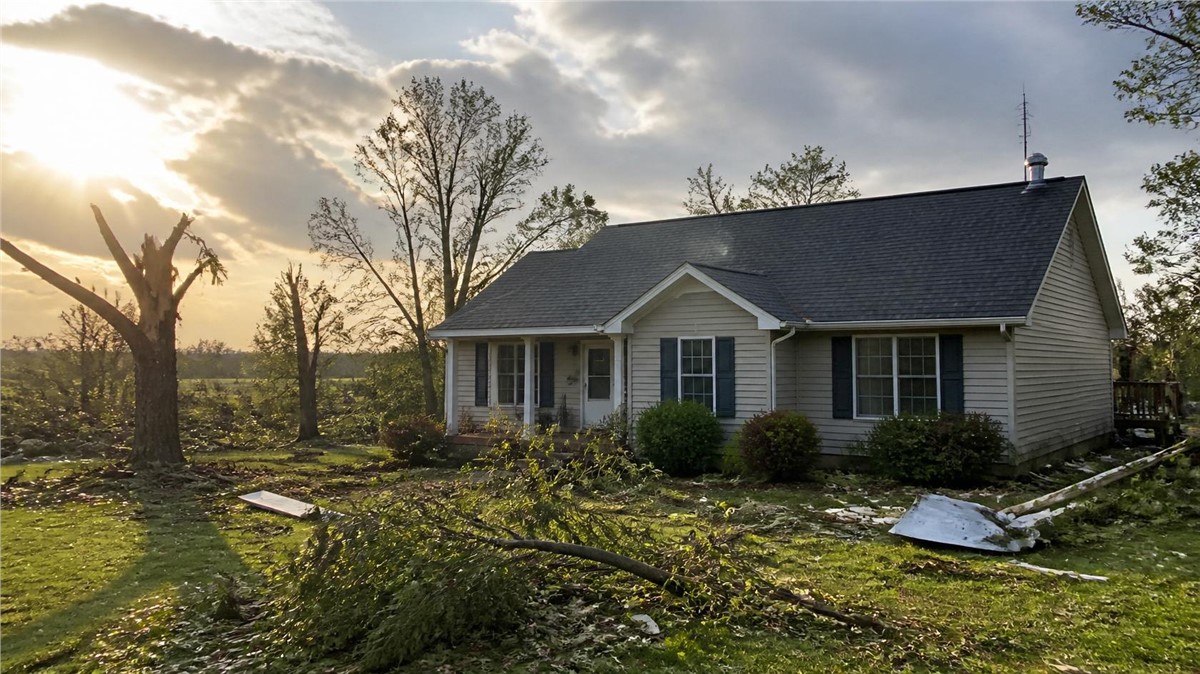
Fitchburg homes can be affected by hail, wind, heavy rain, snow, and ice. Storm damage may affect windows along with roofing, siding, gutters, fascia, soffit, and trim.
Storm-related window concerns may include:
- Cracked glass
- Torn screens
- Damaged frames
- Dented trim
- Failed caulking
- Water stains
- Wind-driven rain leaks
- Debris impact damage
If window issues appear after a storm, the full exterior should be inspected.
What Should Be Included in a Window Inspection?
A window inspection should look at more than the glass. The surrounding exterior and interior areas matter too.
An inspection may include:
- Glass condition
- Fogging or moisture location
- Frame condition
- Window operation
- Interior trim
- Exterior trim
- Caulking
- Flashing
- Siding around the window
- Water stains
- Draft concerns
- Storm damage signs
This helps determine whether the problem is seal failure, exterior water intrusion, installation-related, or part of a larger exterior issue.
What Homeowners Should Avoid
When dealing with foggy windows, homeowners should avoid quick fixes that do not solve the real problem.
Avoid:
- Assuming fogging is only dirt
- Ignoring moisture between panes
- Painting over water stains
- Sealing over damaged trim without inspection
- Replacing glass without checking frames
- Ignoring siding and flashing issues
- Waiting if interior water damage is present
A clear diagnosis helps prevent repeated problems.
Why a Full Exterior Inspection Helps
Windows work with the full exterior system. Roofing, siding, gutters, flashing, trim, fascia, soffit, and drainage all affect how water moves around the home.
A full exterior inspection may include:
- Windows and frames
- Siding around openings
- Exterior trim
- Gutters and downspouts
- Roof edges
- Flashing
- Interior moisture signs
- Storm damage areas
Huskie Exteriors provides roofing, siding, window, gutter, and storm damage restoration services, helping homeowners evaluate the full exterior system.
Why Local Exterior Experience Matters
A local contractor understands how Wisconsin weather affects windows and exterior materials. In Fitchburg, WI, homes need windows that can handle cold winters, humid summers, heavy rain, wind, snow, ice, and freeze-thaw cycles.
Local experience helps homeowners understand whether fogging and moisture problems are caused by failed seals, aging windows, poor installation, storm damage, siding issues, gutter problems, or hidden water intrusion.
Conclusion
Window seal failure in Fitchburg, WI often appears as fogging, haze, condensation, streaks, or moisture between glass panes. While some cases may be limited to the glass unit, other window moisture problems may involve frames, flashing, trim, siding, gutters, or hidden water intrusion.
If your windows are foggy, drafty, leaking, moisture-damaged, difficult to open, or showing signs of seal failure, Huskie Exteriors can inspect your home and recommend the right next step.
Contact Huskie Exteriors for professional roofing, siding, window, gutter, and storm damage services in Illinois and Wisconsin.
Subscribe to Huskie Exteriors's Blog





Comments