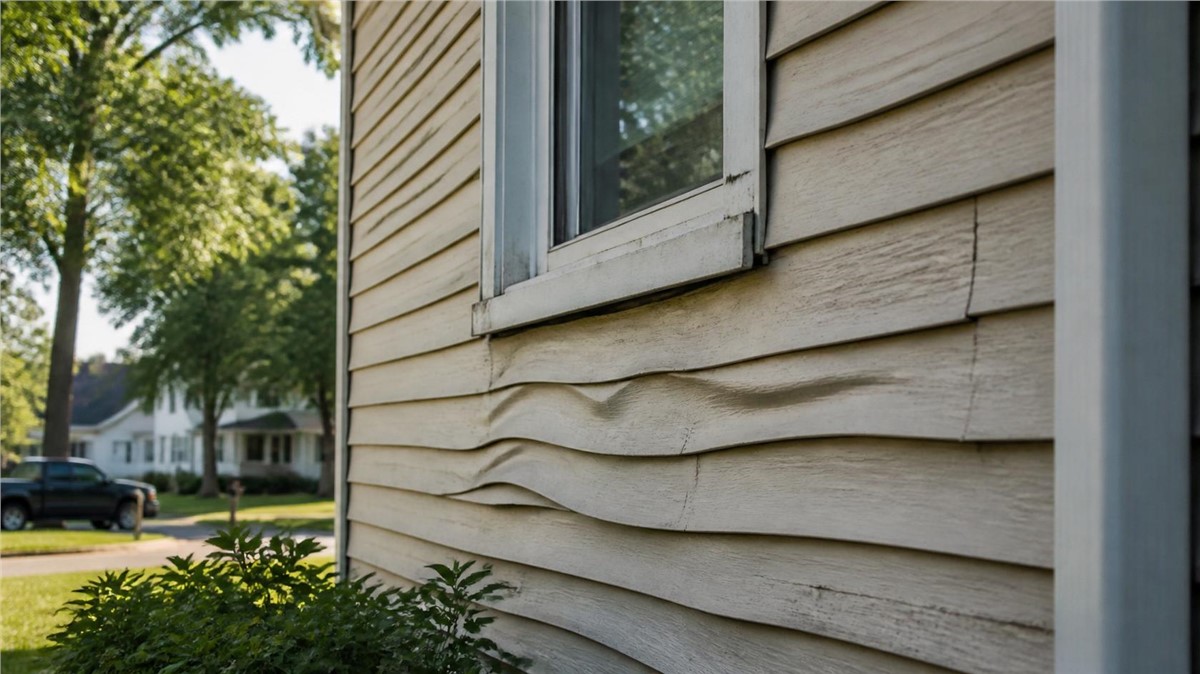
Siding should sit flat, secure, and even against your home. When panels begin to warp, buckle, wave, or pull away, it can affect both curb appeal and exterior protection.
For homeowners in Brooklyn, WI, warped siding should not be ignored. Wisconsin weather can be hard on exterior materials, with hail, wind, heavy rain, snow, ice, humidity, heat, and freeze-thaw cycles all playing a role in siding wear over time.
This guide explains what warped siding may mean, what causes it, and when homeowners should consider repair or replacement.
Why Warped Siding Matters
Warped siding is more than a cosmetic concern. When siding no longer sits properly, it may create gaps where moisture, pests, and wind-driven rain can enter.
Warped siding may lead to:
- Moisture behind the wall
- Soft sheathing
- Mold or mildew concerns
- Interior wall stains
- Damaged house wrap
- Pest entry points
- Drafts
- Loose panels
- Lower curb appeal
The sooner warped siding is inspected, the easier it may be to prevent larger exterior problems.
What Warped Siding Looks Like
Warped siding can appear in several ways. Some signs are obvious, while others may be subtle at first.
Look for:
- Wavy siding panels
- Buckled sections
- Panels pulling away from the wall
- Uneven siding lines
- Bulging areas
- Gaps around seams
- Siding that looks melted or distorted
- Loose panels near windows or doors
- Sections that no longer lock together
If siding looks different from one wall to another, it may be worth scheduling an inspection.
Cause 1: Heat Exposure
Heat can cause certain siding materials, especially vinyl, to expand or distort. Direct sun exposure, reflected heat from nearby windows, grills, or outdoor equipment can sometimes contribute to warping.
Heat-related warping may appear as:
- Wavy panels
- Melted-looking sections
- Distorted shapes
- Damage on sun-facing walls
- Warping near reflective glass
- Buckling in isolated areas
If heat is the cause, replacing a panel may not solve the problem unless the source of heat is also addressed.
Cause 2: Moisture Behind Siding
Moisture is one of the most serious causes of warped siding. If water gets behind the siding, it can affect the wall system underneath and cause materials to swell, shift, or weaken.
Warning signs of moisture problems include:
- Warped or bulging siding
- Dark stains
- Soft trim
- Musty odors
- Mold or mildew
- Interior wall stains
- Peeling paint
- Water marks below windows
- Damp insulation
If moisture is present, the repair may need to include sheathing, house wrap, flashing, trim, or drainage corrections.
Cause 3: Poor Installation
Siding needs room to expand and contract as temperatures change. If panels are fastened too tightly or installed incorrectly, they may buckle or warp over time.
Installation-related issues may include:
- Nails driven too tightly
- Not enough expansion space
- Poor panel alignment
- Improper overlap
- Missing flashing
- Poor trim transitions
- Panels locked too tightly
- Uneven wall preparation
If poor installation is the cause, multiple sections may need attention.
Cause 4: Aging Siding
Older siding can become brittle, faded, loose, or less flexible. As materials age, they may not respond well to temperature changes, storms, or impact.
Aging siding may show:
- Fading
- Brittleness
- Cracking
- Warping
- Loose panels
- Chalky surface
- Repeated repairs
- Poor color consistency
If warping appears across several walls, replacement may be more practical than repairing isolated sections.
Cause 5: Storm Damage
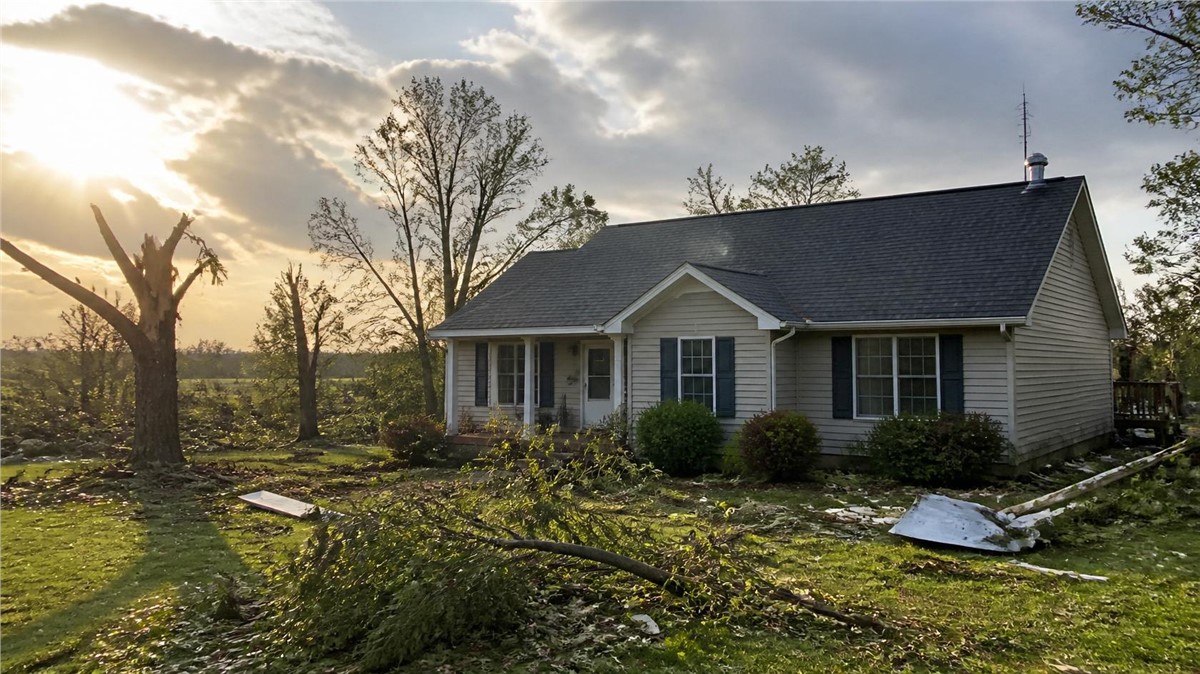
Brooklyn homes can be affected by hail, wind, heavy rain, snow, and ice. Storm damage may loosen siding, crack panels, or force water behind the exterior.
Storm-related siding issues may include:
- Loose panels
- Cracked siding
- Holes or punctures
- Broken corner pieces
- Damaged trim
- Water behind siding
- Wind-lifted sections
- Siding pieces in the yard
If warped siding appears after a storm, the roof, gutters, windows, fascia, soffit, and trim should also be inspected.
Cause 6: Gutter and Drainage Problems
Gutters and downspouts help keep water away from siding. If they overflow, leak, or drain too close to the home, water can run down exterior walls and create moisture problems.
Drainage issues may include:
- Overflowing gutters
- Leaking seams
- Sagging gutter sections
- Short downspouts
- Water pooling near the foundation
- Ice buildup near rooflines
- Siding stains below gutters
- Fascia or soffit damage
If warped siding is located below a gutter problem, drainage may be part of the cause.
Cause 7: Wall Movement or Hidden Damage
Sometimes siding warps because the wall behind it has changed. Moisture, rot, settling, or damaged sheathing can affect how siding sits on the home.
Possible hidden issues include:
- Soft sheathing
- Rotted wood
- Damaged house wrap
- Pest damage
- Water intrusion
- Poor wall preparation
- Previous repair issues
- Framing movement
A professional inspection can help determine whether the problem is only the siding or something behind it.
Is Warped Siding an Emergency?
Warped siding is not always an emergency, but it should be inspected. If the siding is open, loose, or allowing water behind the wall, repairs should not be delayed.
Act quickly if you notice:
- Active water intrusion
- Large gaps behind siding
- Interior wall stains
- Mold or mildew odors
- Loose siding after a storm
- Soft trim or sheathing
- Siding pulling away near windows
- Water stains below warped areas
Even small warping can worsen during the next storm or freeze-thaw cycle.
How to Check Warped Siding Safely
Homeowners can check siding from the ground without using ladders or pulling panels apart.
Look for:
- Uneven siding lines
- Bulging areas
- Cracks or holes
- Loose panels
- Gaps around windows
- Water stains
- Soft trim
- Siding pieces in the yard
- Damage near gutters
Take photos and note when you first noticed the issue. This can help during inspection and repair planning.
Repair Option 1: Replace Damaged Panels
If warping is isolated and the wall behind the siding is in good condition, individual panel replacement may be possible.
This may work when:
- Damage is limited
- Matching siding is available
- No moisture damage is present
- The siding is not brittle
- The cause of warping has been corrected
Panel replacement can restore protection without replacing the full exterior.
Repair Option 2: Correct Installation Issues
If warped siding was caused by tight fastening or poor spacing, the repair may involve adjusting or reinstalling sections.
This may include:
- Removing affected panels
- Checking fastener placement
- Creating proper expansion space
- Correcting alignment
- Replacing damaged trim
- Improving wall preparation
Installation corrections can help prevent the same problem from returning.
Repair Option 3: Address Moisture Damage
If water is behind the siding, the hidden damage must be repaired before new siding is installed.
Moisture repairs may include:
- Removing affected siding
- Inspecting sheathing
- Repairing soft wall areas
- Replacing damaged house wrap
- Correcting flashing
- Repairing trim
- Improving drainage
Covering moisture damage without fixing the source can lead to bigger problems later.
Repair Option 4: Replace a Larger Section
If siding is faded, brittle, or hard to match, replacing a larger wall section may make more sense than repairing one small area.
This may be considered when:
- The repair would stand out
- Several panels are warped
- One wall has storm damage
- Matching siding is not available
- Existing siding has faded unevenly
This can create a cleaner appearance and improve protection on the affected wall.
Repair Option 5: Full Siding Replacement
Full siding replacement may be the better option when warping is widespread or the siding system is no longer performing properly.
Replacement may be best if:
- Warping appears on multiple walls
- Siding is brittle or faded
- Moisture damage is present
- Storm damage is widespread
- Repairs would not match well
- Panels keep coming loose
- The siding is near the end of its lifespan
Replacement also gives homeowners the chance to improve house wrap, flashing, trim, and curb appeal.
Repair vs Replacement
Choosing between repair and replacement depends on the cause, scope, and condition of the siding.
Repair may make sense if:
- Warping is isolated
- Matching material is available
- No moisture damage is found
- Installation issues can be corrected
- The rest of the siding is still in good condition
Replacement may be better if:
- Warping is widespread
- Moisture has reached the wall system
- The siding is old or brittle
- Storm damage affects several areas
- Matching is difficult
- Repairs keep happening
A professional inspection can help homeowners make the right decision.
What Should Be Included in a Siding Estimate?
A siding estimate should explain the cause of the warping and the recommended repair plan.
A good estimate may include:
- Inspection findings
- Damage location
- Siding material
- Matching availability
- Moisture concerns
- House wrap condition
- Flashing details
- Trim repairs
- Repair or replacement recommendation
- Cleanup details
- Warranty information
A clear estimate helps homeowners understand the full scope before work begins.
Why Gutters Should Be Checked Too
If gutters are leaking, clogged, or overflowing, siding damage may continue even after panels are repaired.
Gutters should be checked for:
- Overflow during rain
- Leaking seams
- Sagging sections
- Short downspouts
- Water pooling near the home
- Fascia damage
- Soffit concerns
- Ice buildup
Fixing siding without addressing drainage can allow the same moisture issue to return.
Why a Full Exterior Inspection Helps
Warped siding may be connected to the full exterior system. Roofing, gutters, windows, fascia, soffit, flashing, trim, and drainage all affect how water moves around the home.
A full exterior inspection may include:
- Siding
- Roofing and roof edges
- Gutters and downspouts
- Windows and trim
- Fascia and soffit
- Flashing
- Interior moisture signs
- Storm damage areas
Huskie Exteriors provides roofing, siding, window, gutter, and storm damage restoration services, helping homeowners evaluate the full exterior system.
Why Local Exterior Experience Matters
A local contractor understands how Wisconsin weather affects siding. In Brooklyn, WI, homes need siding that can handle hail, wind, rain, snow, ice, humidity, heat, and freeze-thaw cycles.
Local experience helps homeowners determine whether warped siding is caused by heat, moisture, storm damage, aging materials, installation problems, drainage issues, or hidden wall damage.
Conclusion
Warped siding in Brooklyn, WI can mean heat exposure, moisture behind the siding, poor installation, aging materials, storm damage, drainage issues, or hidden wall problems. Minor warping may be repairable, but widespread or moisture-related damage should be inspected before it becomes more serious.
If your siding is warped, buckled, loose, storm-damaged, moisture-damaged, or pulling away from the home, Huskie Exteriors can inspect your exterior and recommend the right next step.
Contact Huskie Exteriors for professional roofing, siding, window, gutter, and storm damage services in Illinois and Wisconsin.
Subscribe to Huskie Exteriors's Blog




Comments