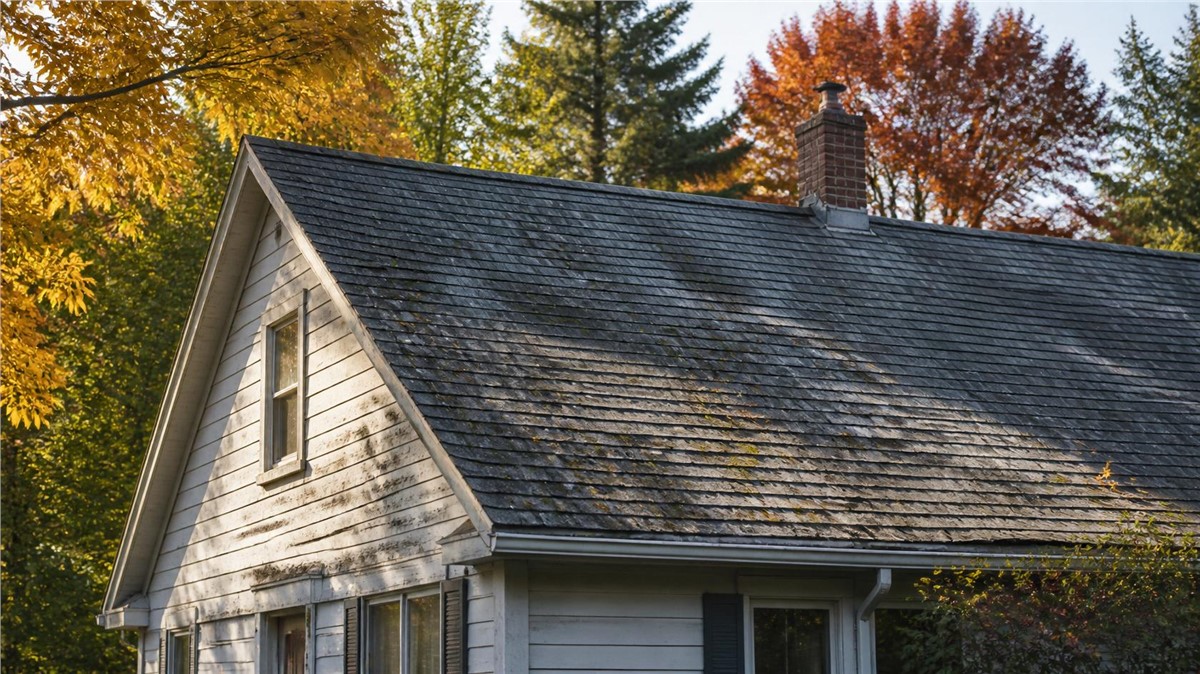
Many homeowners ask the same question when their roof starts showing wear: how old is too old for a roof?
Roof age is important, but replacement decisions are not based on age alone. A roof that has been well maintained may last longer than expected, while another roof may need replacement earlier because of storm damage, poor ventilation, moisture problems, or repeated repairs.
For homeowners in Brodhead, WI, roofing materials must handle Midwest weather year after year. Hail, wind, heavy rain, snow, ice, humidity, heat, and freeze-thaw cycles can all affect how long a roof performs.
This guide explains how roof age affects replacement decisions and what signs may mean it is time to consider a new roof.
Why Roof Age Matters
Every roofing material has a general expected lifespan. Asphalt shingle roofs are common on Wisconsin homes, and their performance depends on material quality, installation, ventilation, maintenance, and weather exposure.
As a roof ages, materials may become more vulnerable to:
- Cracking
- Curling
- Granule loss
- Wind uplift
- Leaks
- Flashing failure
- Ice damage
- Storm damage
- Moisture intrusion
Older roofs may still look acceptable from the ground, but small signs of wear can develop across multiple areas.
Age Is Only One Part of the Decision
A roof does not need replacement just because it reaches a certain age. The actual condition matters more.
A roof inspection should consider:
- Shingle condition
- Flashing condition
- Leak history
- Storm damage
- Ventilation
- Roof decking
- Gutter performance
- Attic moisture
- Interior water stains
- Number of previous repairs
A newer roof with severe hail damage may need major work, while an older roof with limited wear may only need targeted repairs.
Signs Your Roof May Be Near the End of Its Life
As a roof gets older, warning signs may become more visible.
Common signs include:
- Curling shingles
- Cracked shingles
- Missing shingles
- Heavy granule loss
- Bald spots
- Dark worn areas
- Damaged ridge caps
- Frequent leaks
- Soft or sagging areas
- Repeated repairs
If several of these signs appear at the same time, replacement may be more practical than continuing to repair small sections.
Curling or Buckling Shingles
Curling shingles often point to aging, moisture, ventilation issues, or long-term weather exposure. Shingles may curl upward at the edges or appear raised in the center.
Curling shingles can allow wind-driven rain to get underneath the roof surface. They may also become more likely to tear away during strong winds.
If curling is widespread, the roof may be losing its ability to protect the home properly.
Heavy Granule Loss
Granules are the small protective particles on asphalt shingles. They help shield shingles from sun, rain, hail, and normal weather exposure.
Signs of granule loss include:
- Granules in gutters
- Granules near downspouts
- Bald patches on shingles
- Dark spots on the roof
- Exposed black asphalt
- Shiny worn areas
Some granule loss is normal over time, but heavy or sudden loss may indicate aging shingles or storm damage.
Missing or Lifted Shingles
Missing shingles are a clear warning sign. Strong wind, poor fastening, aging materials, or storm damage can cause shingles to loosen or blow off.
Lifted shingles can also be a problem. They may settle back down after wind, but the seal may already be weakened.
Missing or lifted shingles can expose the roof to:
- Water intrusion
- Underlayment damage
- Decking damage
- Attic moisture
- Interior leaks
Even if only a few shingles are missing, the surrounding roof should be inspected.
Roof Leaks and Interior Water Stains
Leaks are one of the strongest signs that a roof needs attention. A small ceiling stain may point to a larger problem above the visible area.
Interior warning signs include:
- Brown ceiling stains
- Active dripping
- Damp attic insulation
- Musty odors
- Bubbling paint
- Peeling drywall
- Water near light fixtures
- Moisture around exterior walls
A leak does not always mean full replacement is needed, but repeated leaks often suggest the roof system is no longer performing well.
Flashing Problems
Flashing protects vulnerable areas where the roof meets other surfaces. Many roof leaks begin around flashing, not in the middle of the shingles.
Important flashing areas include:
- Chimneys
- Skylights
- Roof valleys
- Pipe boots
- Vent openings
- Dormers
- Wall transitions
- Roof edges
If flashing is loose, rusted, cracked, or poorly sealed, water may enter even if the shingles still look acceptable.
Roof Decking Concerns
The roof deck is the surface underneath the roofing materials. If the deck becomes soft, rotted, or damaged, the roof may need more than surface repair.
Decking damage may be caused by:
- Long-term leaks
- Poor ventilation
- Ice damage
- Storm damage
- Moisture trapped in the attic
- Aging roof materials
Soft or sagging roof areas should be inspected quickly because they may point to deeper moisture problems.
Storm Damage Can Shorten Roof Life
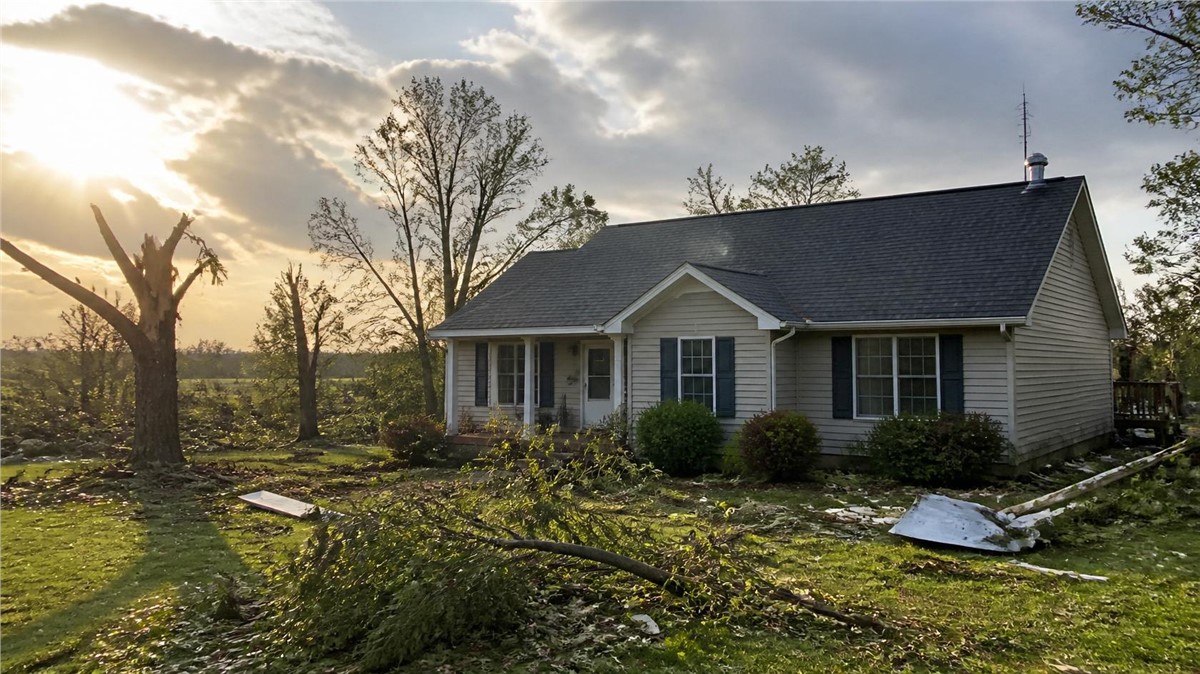
Brodhead homes can be affected by hail, high wind, heavy rain, snow, and ice. Severe weather can shorten a roof’s lifespan, even if the roof is not very old.
Storm-related roof damage may include:
- Hail impact marks
- Bruised shingles
- Granule loss
- Missing shingles
- Lifted shingles
- Damaged ridge caps
- Dented roof vents
- Loose flashing
- Dented gutters
If storm damage affects multiple roof slopes, replacement may be more practical than small repairs.
Ventilation and Attic Moisture
Poor ventilation can make a roof age faster. Heat and moisture trapped in the attic can affect shingles, decking, insulation, and indoor comfort.
Ventilation issues may lead to:
- Premature shingle wear
- Attic condensation
- Mold or mildew concerns
- Ice buildup in winter
- Higher attic temperatures
- Moisture-damaged decking
A roof replacement estimate should include a ventilation review, especially if the roof has aged faster than expected.
Gutters and Roof Edge Problems
Gutters and roof edges play an important role in roof performance. If gutters are clogged, sagging, leaking, or pulling away, water may back up near the roof edge.
Gutter-related roof concerns include:
- Ice buildup
- Fascia damage
- Soffit moisture
- Water running behind gutters
- Roof edge wear
- Granules collecting in gutters
- Overflow during heavy rain
If the roof is aging and the gutters are also failing, both systems should be reviewed together.
Repeated Repairs Can Be a Warning Sign
A single roof repair may be normal. But if your roof needs frequent repairs, replacement may become the better long-term option.
Repeated repairs may happen because of:
- Aging shingles
- Brittle materials
- Flashing failure
- Storm damage
- Poor ventilation
- Soft decking
- Ice damage
- Widespread granule loss
At some point, continued repairs may only delay a replacement that is already needed.
Repair vs Replacement
Roof repair may still make sense when the damage is isolated and the roof is otherwise in good condition.
Repair may be enough if:
- Only a few shingles are missing
- One flashing area is leaking
- One vent boot is damaged
- Damage is limited to one area
- No widespread moisture damage is found
Replacement may be better if:
- The roof is older and worn throughout
- Leaks keep returning
- Shingles are curling or cracking in many areas
- Granule loss is widespread
- Storm damage affects multiple slopes
- Decking damage is present
- Repairs are becoming frequent
A professional inspection helps homeowners compare the condition of the roof with the cost and value of repair.
What Happens During a Roof Inspection?
A roof inspection helps determine whether age, storm damage, ventilation, or moisture is affecting the roof.
An inspection may include:
- Shingle condition
- Ridge caps
- Flashing
- Roof vents
- Pipe boots
- Valleys
- Gutters and downspouts
- Fascia and soffit
- Attic moisture signs
- Interior water stains
The goal is to understand the full roof system, not just the visible shingles.
Questions to Ask Before Replacing Your Roof
Before deciding on replacement, homeowners should ask clear questions.
Helpful questions include:
- How old is the roof?
- What damage was found?
- Is repair still practical?
- Are shingles failing across multiple areas?
- Is there storm damage?
- Is ventilation adequate?
- Are gutters affecting the roof edge?
- Is decking damage suspected?
- What materials are recommended?
- What warranties apply?
A clear inspection and estimate can help homeowners make a confident decision.
Why a Full Exterior Inspection Helps
Roof age is only one part of home exterior performance. Roofing, siding, gutters, windows, fascia, soffit, flashing, trim, and drainage all work together to protect the home.
A full exterior inspection may include:
- Roofing
- Gutters and downspouts
- Siding
- Windows and trim
- Flashing
- Fascia and soffit
- Attic moisture signs
- Interior water stains
- Storm damage areas
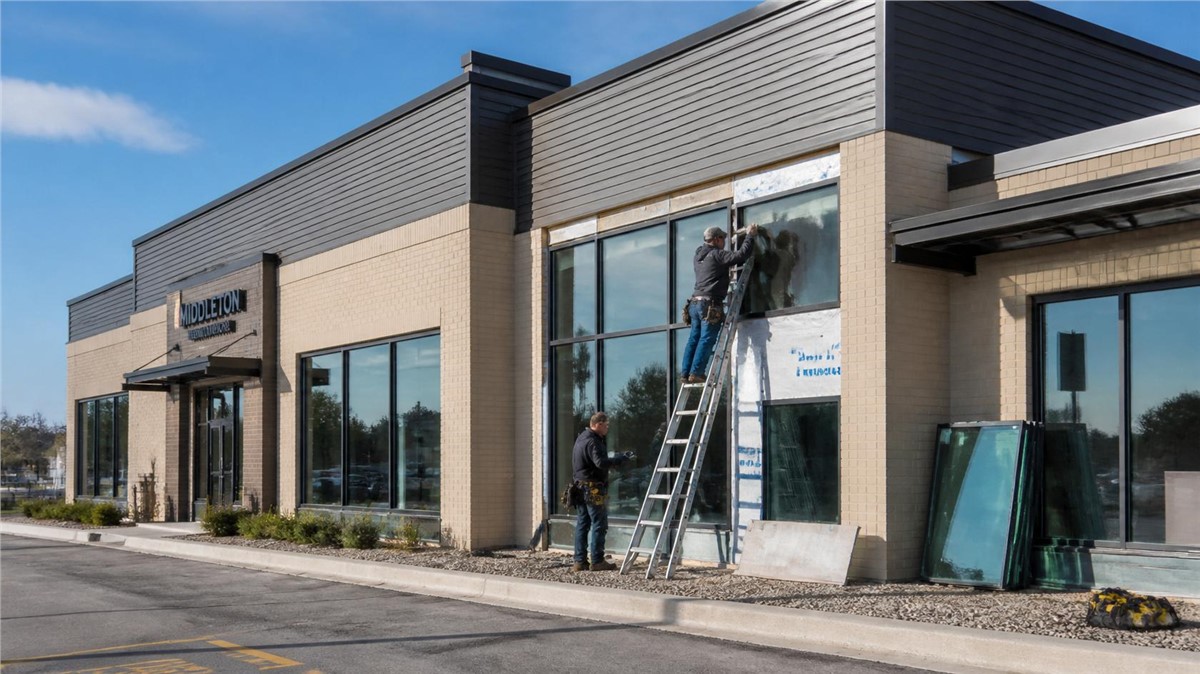
Huskie Exteriors provides roofing, siding, window, gutter, and storm damage restoration services, helping homeowners evaluate the full exterior system.
Why Local Exterior Experience Matters
A local contractor understands how Wisconsin weather affects roof age and replacement timing. In Brodhead, WI, roofs must handle hail, wind, heavy rain, snow, ice, humidity, heat, and freeze-thaw cycles.
Local experience helps homeowners understand whether roof problems are caused by age, storm damage, ventilation issues, gutter problems, flashing failure, or hidden moisture concerns.
Conclusion
Roof age and replacement in Brodhead, WI depend on more than the number of years your roof has been installed. Shingle condition, leaks, storm damage, granule loss, flashing, ventilation, gutters, decking, and repair history all matter.
If your roof is older, leaking, storm-damaged, missing shingles, losing granules, or requiring frequent repairs, Huskie Exteriors can inspect your home and recommend the right next step.
Contact Huskie Exteriors for professional roofing, siding, window, gutter, and storm damage services in Illinois and Wisconsin.
Subscribe to Huskie Exteriors's Blog





Comments