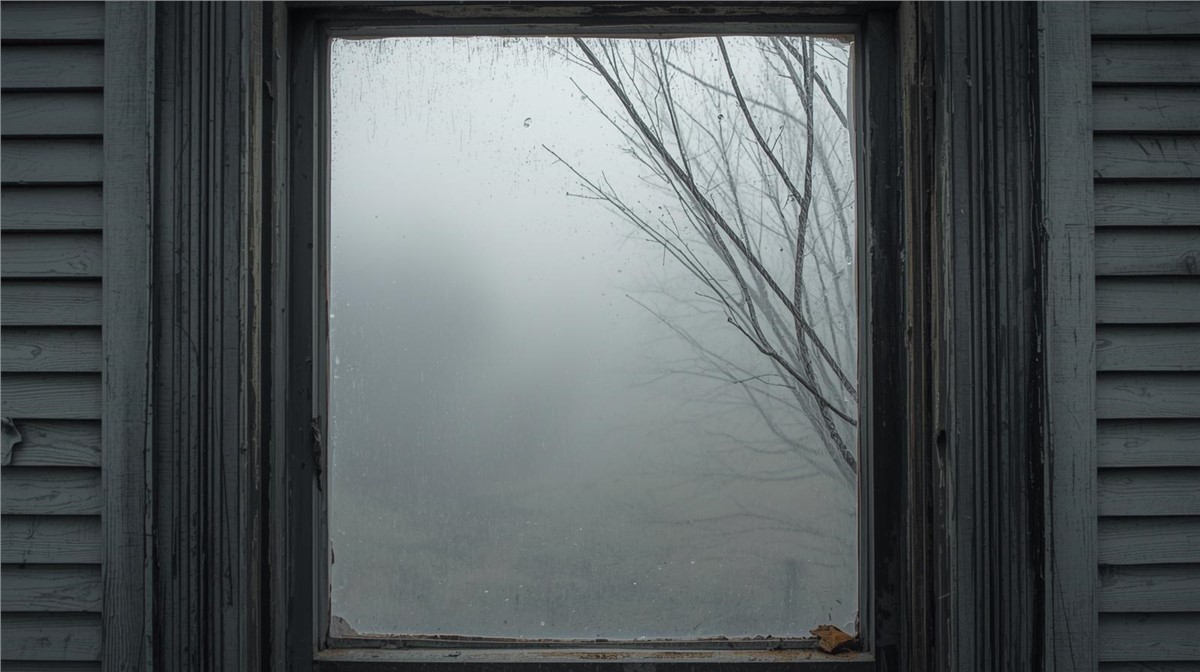
Foggy windows in Galena, IL are not just a cosmetic annoyance — they signal a specific mechanical failure that has already eliminated most of the window's thermal performance. Understanding what causes fogging, what it means for your home's energy efficiency, and when repair versus full replacement makes sense helps you make a decision that actually solves the problem rather than deferring it.
What Fogging Actually Means
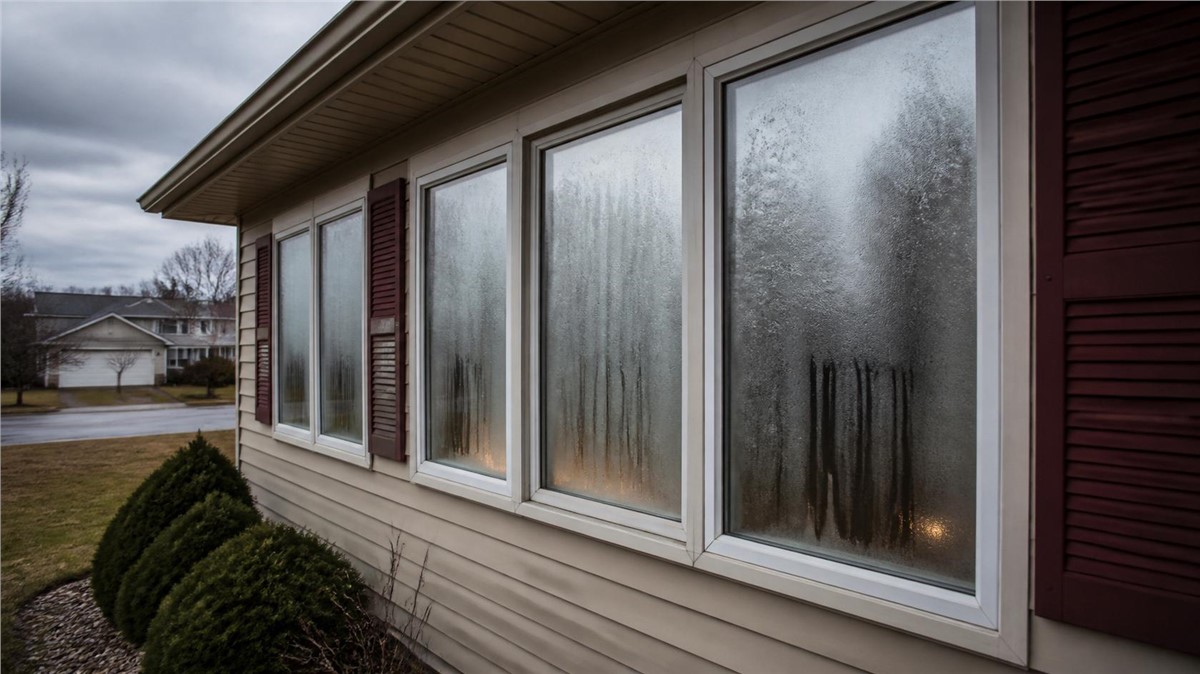
Fogging between window panes is one of those home problems that looks minor and is not. The condensation or haze visible inside a double or triple-pane window is not a cleaning problem — it is a structural failure of the insulating glass unit that cannot be wiped away from either side because it is occurring between sealed panes.
Here is what has happened: the insulating seal around the perimeter of the glass unit has failed. The inert gas — typically argon — that was sealed between the panes at the factory has escaped, and ambient air carrying moisture has entered in its place. When temperature differentials between inside and outside cause that moisture to condense on the interior glass surfaces, fogging appears.
Galena is a community in Jo Daviess County in the far northwestern corner of Illinois, along the Mississippi River. Winters here are legitimate — cold temperatures, significant snowfall, and the kind of sustained wind chill that makes thermal performance in every exterior component genuinely consequential. A failed window seal in Galena is not a minor aesthetic issue. It is a window that has lost most of its insulating value at the point in the year when insulating value matters most.
What a Failed Seal Does to Thermal Performance
The argon gas fill between panes is what gives a modern double-pane window most of its thermal advantage over older single-pane units. Argon conducts heat significantly less readily than air — which is why a quality double-pane window with gas fill performs at roughly R-3 to R-4, while an air-filled equivalent performs meaningfully below that.
When the seal fails and argon escapes, the window's insulating performance drops toward that of an unsealed air-filled unit. On a cold night in Jo Daviess County, that performance gap is felt immediately — as condensation on the room-side glass surface, as drafts near window perimeters, and over time as heating costs that are higher than they should be for a home with supposedly modern windows.
The fogging itself confirms the seal has failed. It does not need to be foggy every day to indicate a problem — intermittent fogging that appears in cold weather and clears when temperatures moderate is still a failed seal operating at reduced thermal capacity.
Repair Options: What Is Actually Available
The fogging question produces a range of answers in the market — some legitimate, some not. Understanding what repair actually involves prevents homeowners from paying for solutions that do not address the underlying failure.
Glass Unit Replacement
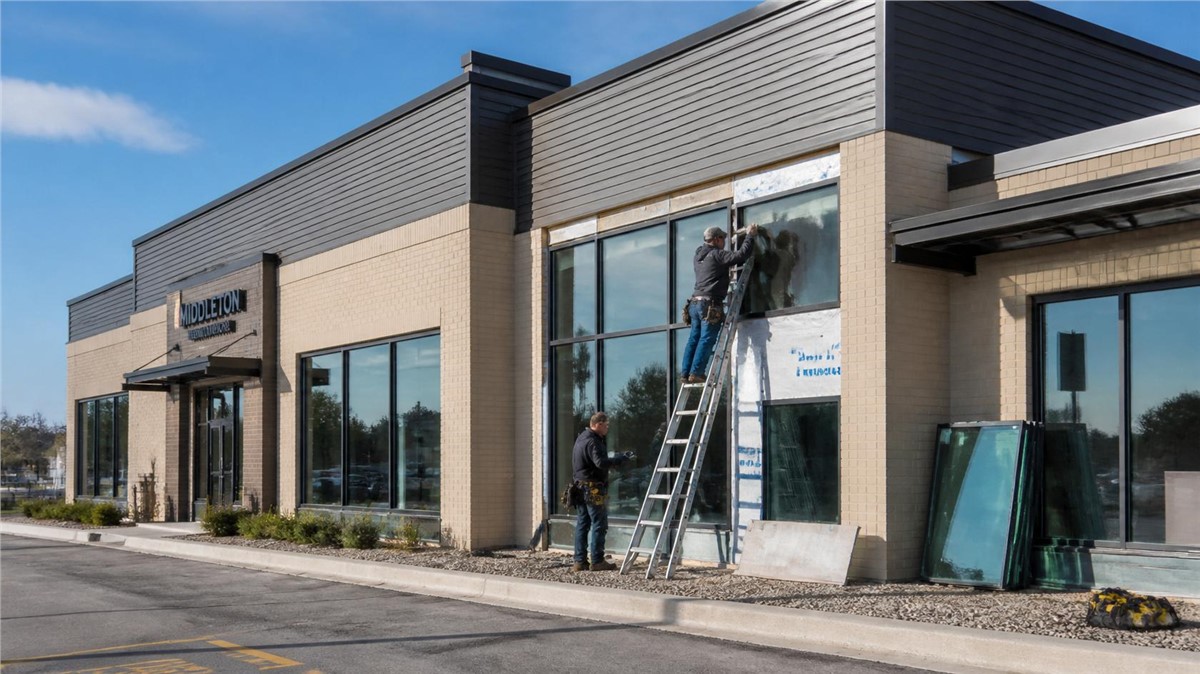
The most legitimate repair option is replacing the insulating glass unit — removing the failed sealed unit from the existing sash or frame and installing a new factory-sealed replacement unit. This addresses the actual failure — the compromised seal — rather than masking it.
Glass unit replacement makes sense when:
- The window frame is in sound condition — no rot, no warping, no hardware failure
- The window is relatively recent — less than 15 years old
- The frame material is not showing signs of age-related brittleness or degradation
- The failed unit is isolated — one or two windows rather than widespread failure across the home
The limitation: glass unit replacement restores the sealed unit but does nothing for the frame, weatherstripping, or hardware. On a window where those components are also aging, replacing the glass extends the life of a system whose other components are approaching their own end of service.
Defogging Services
Some contractors offer a defogging service — drilling small holes in the glass, injecting a cleaning solution, and installing vents to prevent future condensation. This is a cosmetic improvement, not a structural repair. It clears the visible fogging but does not restore the inert gas fill or reseal the unit. The window continues to perform at the reduced thermal level of a failed seal — it just looks less foggy.
For a home in Galena where winter performance is the primary concern, defogging that addresses appearance without restoring thermal performance is not a solution worth the cost.
When Full Window Replacement Makes More Sense
For many Galena homeowners, foggy windows are not an isolated problem — they are the most visible symptom of a window system that is aging broadly across the home.
Full replacement is the stronger answer when:
Multiple windows are fogging. Widespread seal failure across a home indicates the window system has reached the end of its service life as a whole. Replacing individual glass units on a home where five, eight, or ten windows are failing is an ongoing repair cycle rather than a solution.
The frames are degraded. Vinyl frames that have become brittle and chalky, wood frames showing rot at sills and corners, or hardware that no longer operates smoothly indicate that the full window unit — not just the glass — has reached end of life. New glass in a failing frame is a temporary fix.
The windows are original to older construction. Homes in Galena's historic and older residential areas frequently have windows installed in the 1980s or 1990s. Those windows are 25 to 40 years old — at or past the end of their rated service life regardless of whether fogging has appeared. Replacing the glass unit alone at that age is investing in a platform that is already fully depreciated.
Drafts and comfort are also concerns. If fogging is accompanied by drafts near window perimeters, difficulty operating sashes, or visible condensation on the room-side glass surface in cold weather, the failure extends beyond the sealed unit into weatherstripping and frame integrity. Full replacement addresses all of those symptoms simultaneously.
Energy performance is a priority. A full replacement with properly specified modern units — double or triple-pane with low-e coating, argon fill, and a thermally efficient frame — delivers a genuine step change in thermal performance for a Galena home. Glass unit replacement in an aging frame delivers only a partial restoration of the original specification.
What to Specify for a Galena, IL Climate
If full replacement is the direction, the window specification matters for a Jo Daviess County climate.
U-factor of 0.30 or below for double-pane units. Triple-pane reaching 0.20 or below on north and west-facing windows where heat loss is most consequential.
Soft-coat low-e coating optimized for a heating climate — reducing heat loss outward in winter rather than solar gain in summer, which is the priority in northwestern Illinois.
Argon fill as standard. Krypton in triple-pane units where the gap width between panes justifies it.
Vinyl or fiberglass frames — both handle freeze-thaw cycling well. Fiberglass is more dimensionally stable across Jo Daviess County's temperature extremes and is worth the additional cost for homeowners prioritizing long-term performance.
ENERGY STAR Northern zone certification as a baseline confirmation that the product meets minimum performance thresholds for the climate zone.
Making the Right Call for Your Home
The repair-versus-replace decision for foggy windows in Galena comes down to a straightforward assessment: how old are the frames, how widespread is the fogging, and is comfort and energy performance a priority alongside the visual fix?
For isolated fogging on relatively new windows with sound frames, glass unit replacement is a legitimate and cost-effective repair. For widespread fogging on aging windows in a home where drafts and high heating costs are already concerns, full replacement with properly specified modern units is the investment that actually solves the problem.
A contractor who assesses both options honestly — without defaulting immediately to full replacement on every call — is one worth working with.
Contact Huskie Exteriors for professional roofing, siding, window, gutter, and storm damage services in Illinois and Wisconsin. If your Galena home has foggy windows, our team is ready to assess what you have and give you an honest recommendation on whether repair or replacement is the right answer for your specific situation.
Subscribe to Huskie Exteriors's Blog





Comments