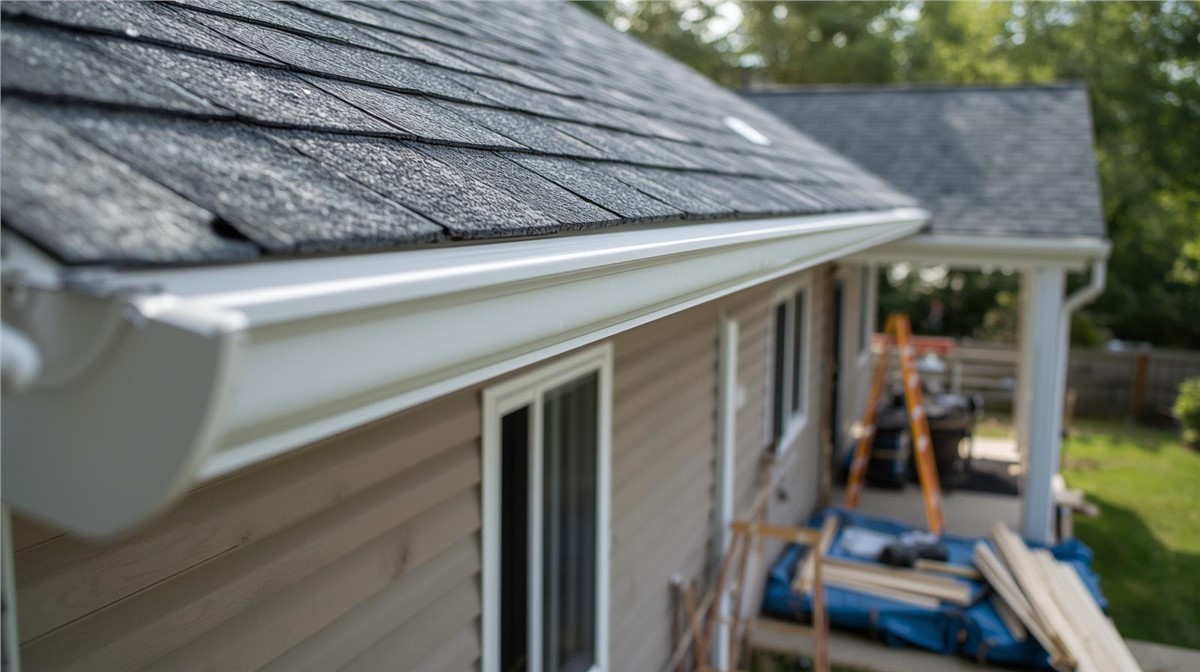
If your gutters in Naperville, IL are sagging, leaking, overflowing, pulling away from the house, or leaving wet areas near the foundation, they likely need repair before they cause bigger water damage. The most common warning signs are poor drainage, loose hangers, seam leaks, rust or cracking, and overflow during rain. In the Naperville records reviewed, gutter work often appears as part of broader exterior projects like soffit, fascia, siding, or reroof work, so the safest approach is to have your contractor verify whether your exact scope needs city approval before work begins.
Why This Matters in Naperville, IL
In Naperville, gutters help protect the fascia, siding, foundation, landscaping, and walkways by moving runoff away from the house. When they stop draining correctly, the issue can grow from a minor gutter repair into fascia damage, siding stains, foundation moisture, or erosion around the home. Gutter repair guidance consistently highlights overflow, leaks, and sagging as early indicators that water is no longer being controlled the way it should be.
That matters even more in northern Illinois because freeze-thaw cycles, spring rain, and winter snow can stress gutter systems over time. Seasonal home-inspection guidance published in 2026 specifically notes that sagging gutters and leaks are common problems to check for after winter because ice and snow can quietly loosen materials and create drainage issues.
Common Signs Your Gutters Need Repair
Sagging Gutters
Sagging is one of the clearest warning signs. Gutters should sit securely along the roofline, not droop, bow, or pull away from the fascia. Multiple repair guides identify sagging or pulling away from the roofline as a major sign that the system is too heavy, poorly supported, or already failing.
This matters because once the pitch changes, water may stop flowing toward the downspout correctly and start sitting in the gutter instead. That standing water adds more weight and usually makes the sagging worse.
Leaks at Seams or Corners
Leaks are another common sign. Water may escape through separated joints, cracked corners, failed sealant, or openings in the material itself. Several recent gutter-repair sources specifically call out visible leaks at seams and corners as one of the most obvious signals that repair is needed.
Small seam leaks are sometimes repairable if the rest of the system is still in decent shape, but repeated seam failure often means the gutters are moving, aging, or no longer aligned well.
Overflow During Rain
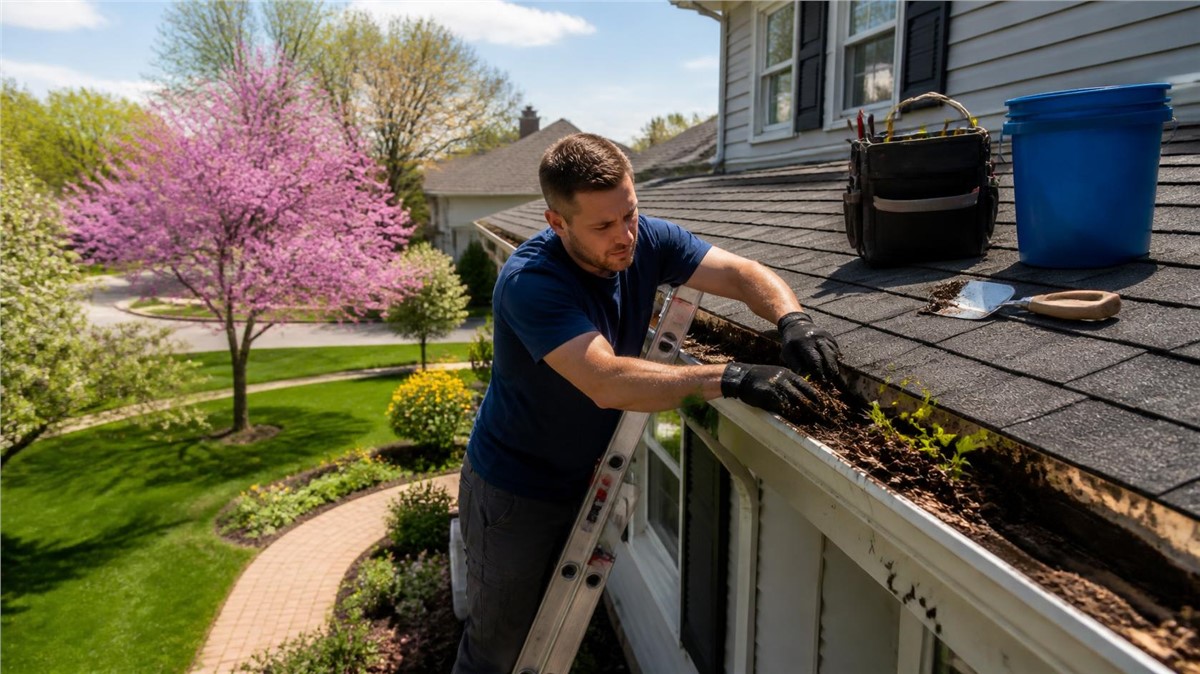
If water spills over the front edge of the gutter during normal rain, that is a strong sign something is wrong. Overflow usually means the gutters are clogged or not handling drainage correctly.
Overflow matters because once water escapes the gutter, it can land too close to the house and contribute to erosion, staining, and foundation moisture.
Pulling Away From the House
If you can see a gap between the gutter and the fascia, the system likely needs repair soon. This usually means the hangers, spikes, or supports have loosened, or the gutter has been stressed by debris and standing water. Current repair guidance groups this with sagging as a major red flag.
Cracks, Holes, Rust, or Peeling Finish
Visible material failure is another common sign. Cracks, holes, and rust spots usually mean the gutter is no longer containing water properly. Multiple repair sources list rust, holes, and cracks among the signs that repair or replacement may be needed.
Water Stains on Siding or Fascia
If you see staining, mildew, or peeling paint beneath the gutter line, that often means water is escaping where it should not. Recent gutter-repair guidance specifically notes fascia staining, damp patches, mildew, and peeling paint as clues that the system is leaking or overflowing.
Wet Spots or Puddles Near the Foundation
Gutter trouble often shows up at ground level too. If you see puddling, washout, or muddy areas near the home after rain, the gutters or downspouts may not be directing runoff far enough away. Overflow and leaks are directly linked to water collecting near the foundation.
Standing Water in the Gutters
Gutters should drain, not hold water for long periods. Standing water often points to poor pitch, blockage, or a system that has shifted out of alignment. Recent gutter-repair guidance identifies standing water and improperly pitched gutters as signs the system needs more than routine cleaning.
What Usually Causes These Problems
For many homes, the main causes are:
- clogged gutters
- blocked downspouts
- poor pitch
- loose fasteners or hangers
- separated seams
- material wear
- winter ice and snow stress
- debris load from nearby trees
These causes are consistent with current gutter-repair guidance and seasonal post-winter inspection advice.
When Repair Usually Makes Sense
Repair often makes sense when:
- the damage is limited to one section
- leaks are small and localized
- the main issue is loose supports or hangers
- the gutter material is still in decent shape
- overflow is mainly being caused by clogs or pitch problems
When It May Be More Than a Repair
Replacement may make more sense when:
- multiple sections are sagging
- seams are failing in several places
- rust or cracking is widespread
- the system repeatedly overflows even after cleaning
- the gutters are old and already patched many times
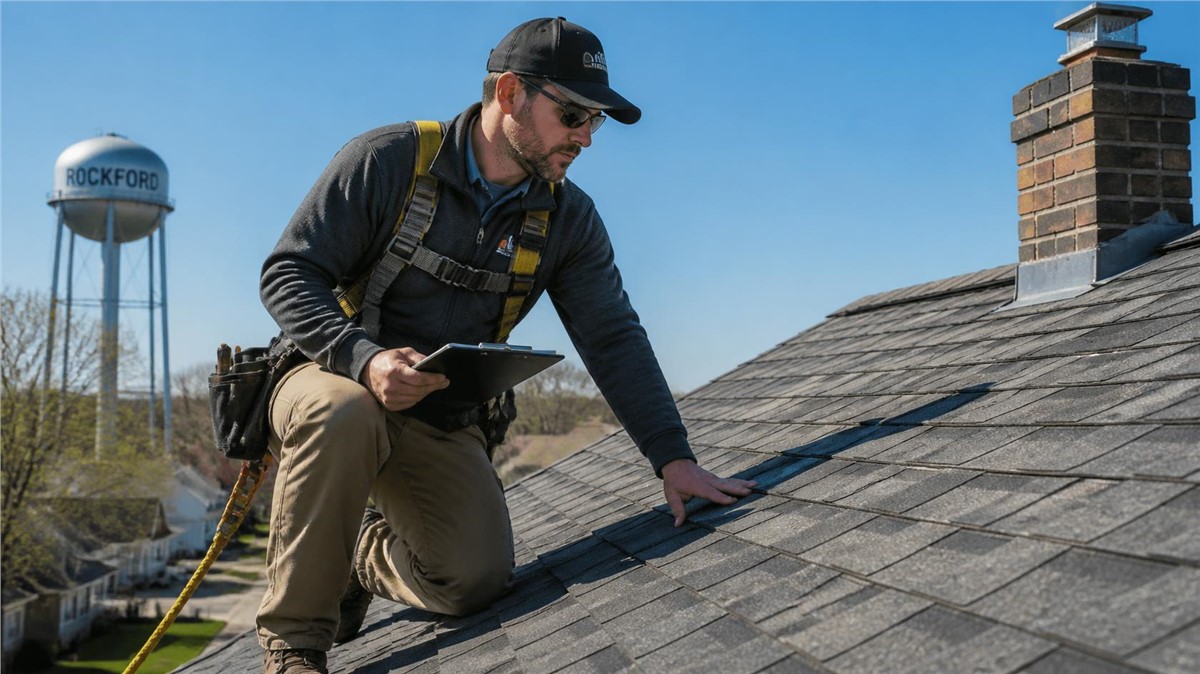
What a Professional Gutter Inspection Should Check
A good contractor should inspect more than the obvious drip point.
Typical checklist:
- gutter pitch and alignment
- seams and corners
- supports and hangers
- downspout flow
- clogs and debris buildup
- fascia condition
- signs of overflow or staining
- drainage near the foundation
Local Notes for Naperville, IL
The Naperville records reviewed show gutters commonly appearing as part of broader exterior permit scopes, including reroof, soffit, fascia, siding, and exterior renovation work. A clear public Naperville page stating a simple gutters-only residential permit rule was not confirmed in the materials reviewed. Because of that, the most careful advice is for the contractor to verify how the city treats your exact project scope before work begins, especially if the job includes fascia, soffit, siding, or roof work at the same time.
FAQs
What are the biggest signs my gutters need repair?
The biggest warning signs are sagging, leaks, overflow, pulling away from the house, visible cracks or rust, and wet areas near the foundation.
Is gutter overflow always a clog?
Not always. Overflow can also be caused by poor pitch, support issues, or sections that are no longer draining correctly.
Can sagging gutters be repaired?
Often yes, especially if the issue is limited to loose supports, alignment, or excess debris weight. But widespread sagging may point to a larger replacement issue.
Are leaking gutter seams repairable?
Often yes. Small seam leaks can usually be resealed or reinforced if the rest of the gutter run is still in good shape.
Do I need a permit for gutter repair in Naperville, IL?
A clear public Naperville gutters-only rule was not confirmed in the materials reviewed. Because gutters often appear in broader exterior permit scopes, the safest step is to have the contractor verify the city’s requirement for your exact project before starting.
Get a Free Estimate in Naperville, IL
If your gutters in Naperville, IL are sagging, leaking, or overflowing, Huskie Exteriors can help with honest inspections and practical repair recommendations built for Midwest weather. We serve homeowners across Northern Illinois and Southern Wisconsin with gutters, roofing, siding, and windows designed for long-term performance.
Schedule your free estimate with Huskie Exteriors today. We will inspect your gutter system, explain what is causing the problem, and help you decide whether repair or replacement makes the most sense.
Subscribe to Huskie Exteriors's Blog






Comments