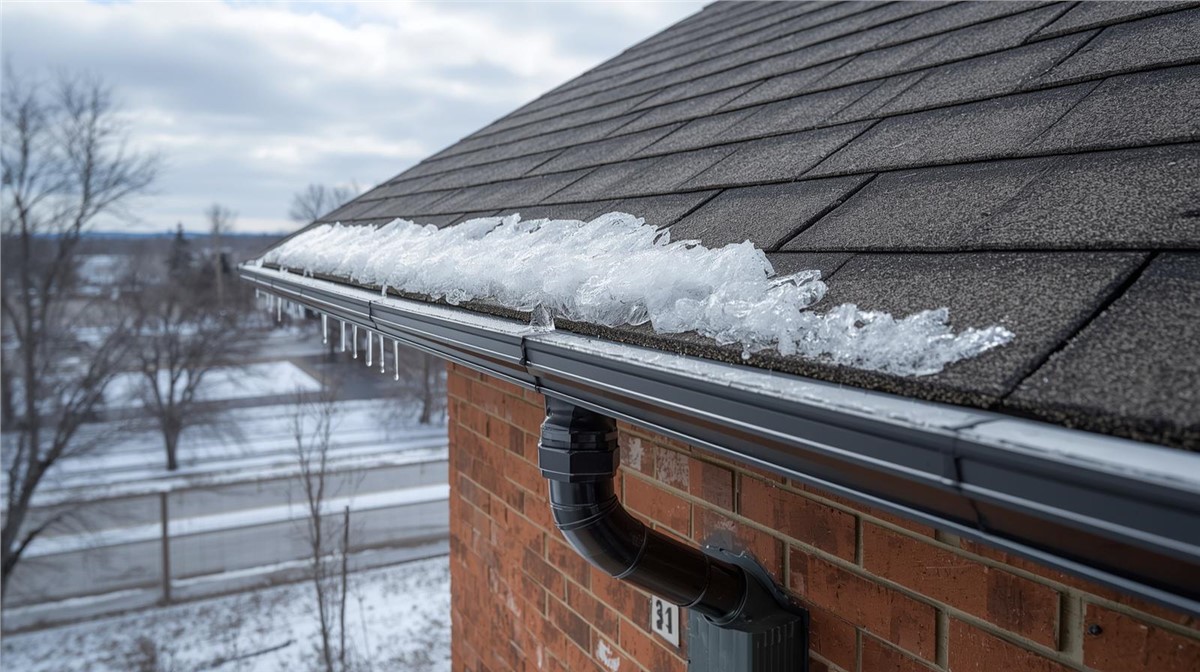
Ice dams form when snow melts over warmer parts of the roof, then refreezes at the colder eaves. In Naperville, IL, the long-term fix is usually not just “better gutters” or just “better roofing.” It is the combination of attic insulation, air sealing, attic ventilation, roof-edge protection, and clean, working gutters and downspouts. Clean gutters help water drain, but the deeper prevention work is stopping heat loss so roof snow does not melt unevenly in the first place.
Why This Matters in Naperville, IL
Ice dams can do more than create icicles. When water backs up behind an ice dam, it can move under shingles and into the roof system, damaging roof decking, insulation, ceilings, walls, and trim.
This is especially relevant in Naperville because northern Illinois homes deal with snow, melting, refreezing, and repeated winter temperature swings. Those conditions are exactly what allow meltwater to refreeze at the colder roof edge and build up into a dam. Even when gutters are part of the problem, the roof and attic conditions are usually what start the melt-and-refreeze cycle.
How Ice Dams Form
Ice dams usually form in a sequence.
1. Snow Builds Up on the Roof
Snow alone is not the main problem. The problem starts when part of the roof warms enough to melt it.
2. Heat Escapes Through the Roof
Warm air leaking from the house into the attic, along with poor insulation, can warm the roof deck from below. The real problem behind most ice dams is warm air leaking into the attic, not simply the gutters themselves.
3. Meltwater Runs Down to the Eaves
The upper roof may be warm enough to melt snow, but the overhangs and eaves stay colder because they extend beyond the heated portion of the house. The water runs down until it reaches those colder edges.
4. Water Refreezes at the Edge
That refreezing creates a ridge of ice. More meltwater then collects behind it, and eventually the water can back up under shingles.
This is why gutters and roofing work together in an ice dam problem. Gutters are not usually the root cause, but clogged or ice-filled gutters can make drainage worse once melting starts.
How Gutters Affect Ice Dams
Gutters do not usually create ice dams by themselves, but they can make them worse.
Clean Gutters Help Water Drain
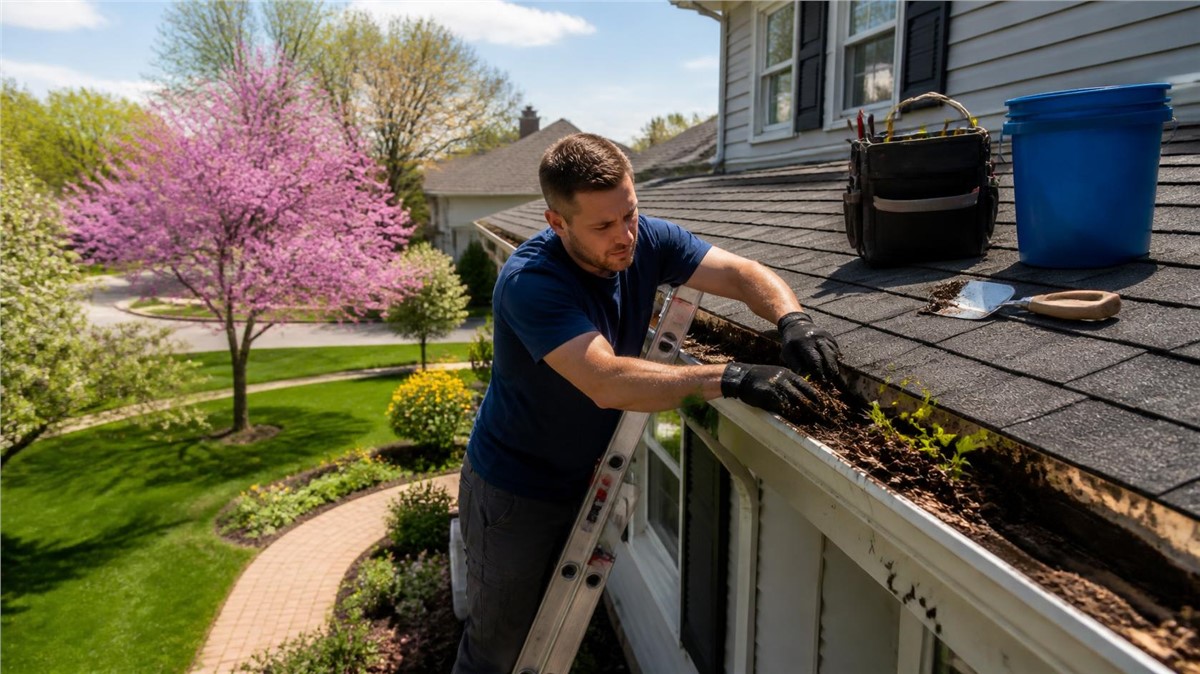
Homeowners should clean gutters and downspouts so melting snow can flow through them. Clean and open gutters support proper winter drainage.
Clogged Gutters Increase Backup Risk
When gutters are full of leaves and debris, meltwater cannot move as easily. That increases the chance that water will sit, refreeze, and worsen the ice buildup at the roof edge.
Gutters Alone Are Not the Full Answer
Ice dams are not fundamentally caused by roofing, ventilation, or gutters alone. The deeper issue is warm air escaping into the attic and unevenly warming the roof. That means clean gutters matter, but they do not solve the problem by themselves.
How Roofing Affects Ice Dams
Roofing matters because the roof is where the melt-freeze cycle actually happens.
Shingles and Roof Edge Details Matter
If water backs up behind an ice dam, the roof covering becomes the first line of defense. In practice, a roof with vulnerable edge details or worn materials is less likely to handle backed-up water well.
Roof Maintenance Still Matters
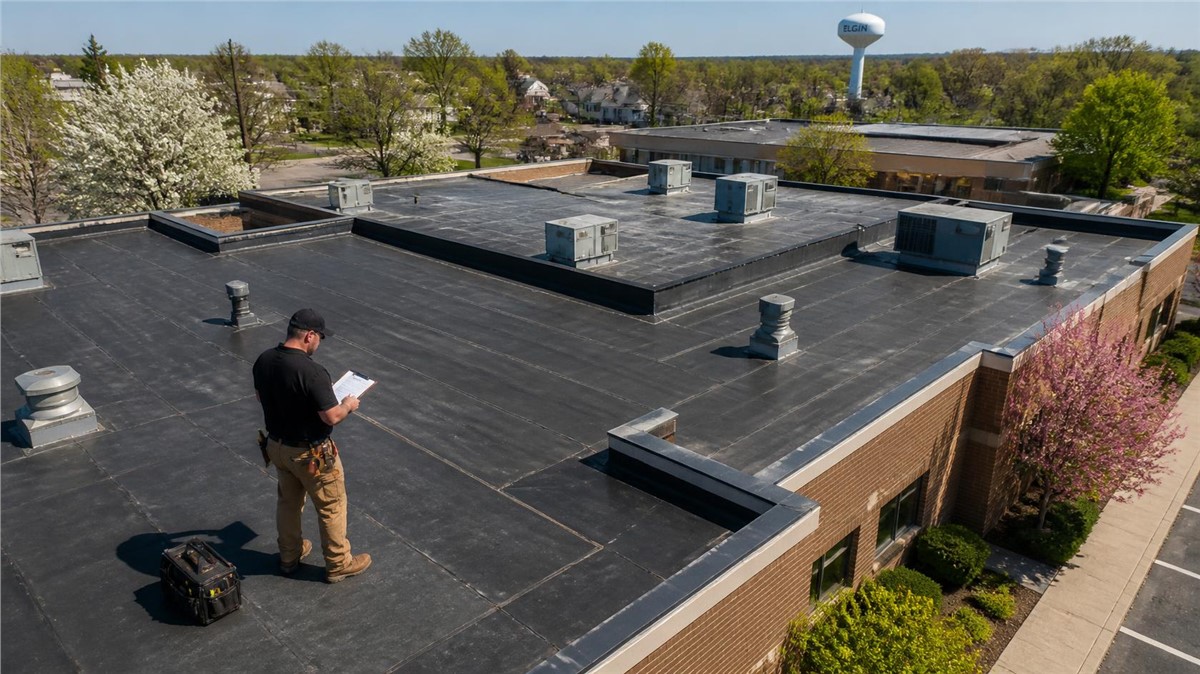
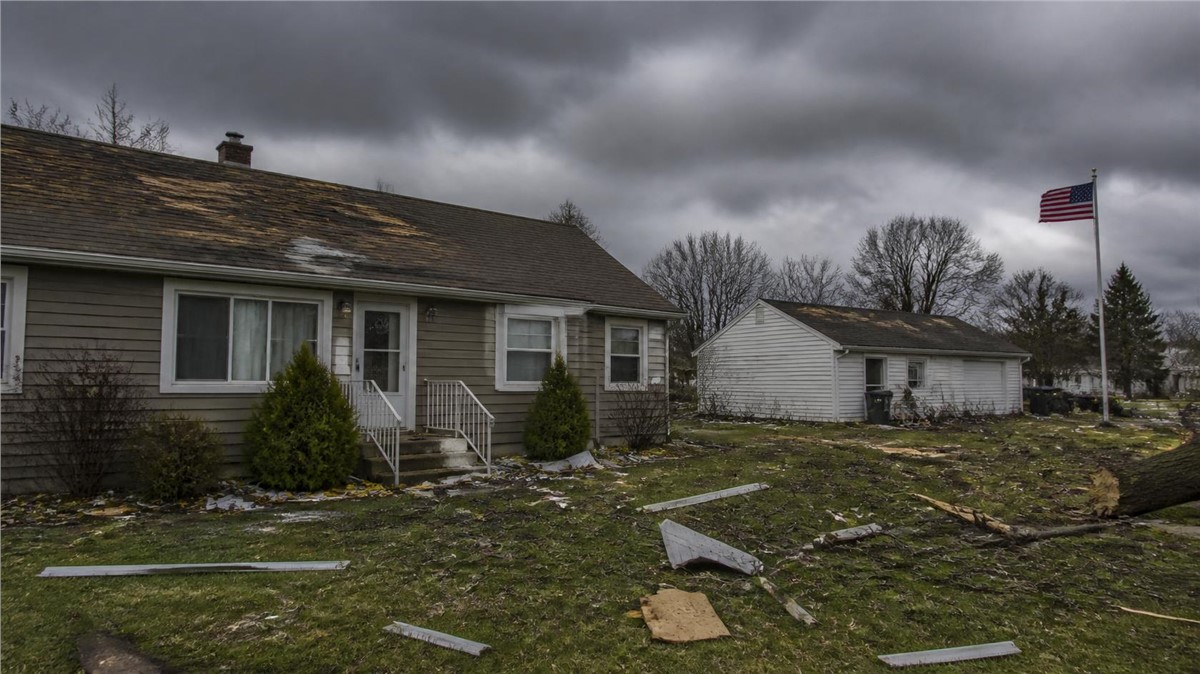
A roof that already has weak spots, flashing issues, or aging materials is more likely to leak once ice dams force water upward. Good roof maintenance does not eliminate the cause of ice dams, but it can reduce how much damage occurs when they form.
Roof Edge Protection Helps
Long-term prevention in cold climates often includes addressing vulnerable roof edges and water-shedding details, especially where repeated winter backup happens.
The Real Long-Term Fix: Gutters and Roofing Together
The best prevention plan usually combines several things.
1. Improve Attic Insulation
This helps keep indoor heat from warming the roof deck. Attic insulation is one of the key steps for preventing ice dams.
2. Seal Air Leaks Into the Attic
The real problem is warm air leaking from the home into the attic. Air sealing around penetrations, lights, attic hatches, and other ceiling openings is a major part of prevention.
3. Improve Attic Ventilation
Ventilation helps keep roof temperatures more even by letting the attic stay colder and closer to outdoor conditions. It is part of the prevention package, though it is not a substitute for air sealing and insulation.
4. Keep Gutters and Downspouts Clear
This supports drainage and reduces backup risk. Clean gutters and downspouts let melting snow flow out instead of sitting and refreezing.
5. Remove Roof Snow Carefully When Needed
Removing snow from the roof eliminates one of the ingredients necessary for ice dam formation. But roof rakes and push brooms can damage roofing materials if used carelessly.
What to Do if You Already Have an Ice Dam
If an ice dam is already present, the priorities change.
First: Watch for Interior Leaks
If you see water stains, damp insulation, or ceiling damage, water may already be backing up under the shingles. That means the problem is no longer only exterior.
Next: Avoid Aggressive DIY Removal
Do not remove ice with chippers, harsh chemicals, or excessive heat because these can damage shingles, gutters, and other building components.
Then: Use Temporary Measures Only as Needed
In emergency situations where water is flowing into the house, making drainage channels through the ice dam can help release trapped water. Snow removal can also help lower the chance of continued buildup.
Finally: Fix the Cause, Not Just the Ice
If ice dams keep returning, the smarter move is to correct attic heat loss, insulation, and drainage conditions instead of treating the symptom every winter.
Local Notes for Naperville, IL
Naperville’s current building-permit guidance says a permit is not required to install an asphalt composite shingle roof on a single-family home as long as the existing roof sheathing remains in place. That is useful for straightforward roofing work, but the exact local requirement should still be verified if a project grows beyond basic replacement or includes broader structural scope.
FAQs
Do gutters cause ice dams?
Not usually by themselves. Ice dams are mainly caused by uneven roof temperatures from attic heat loss, but clogged gutters can worsen the drainage problem once melting starts.
Will cleaning gutters prevent ice dams?
Cleaning helps and is important, but it is usually not enough by itself. The bigger long-term fixes are attic air sealing, insulation, and ventilation.
What is the best long-term fix?
For most homes, the best long-term fix is a combination of better attic insulation, reduced air leakage into the attic, improved attic ventilation, and properly maintained gutters and downspouts.
Should you rake snow off the roof?
Sometimes, yes. Removing snow can help prevent ice dams, but roof rakes and push brooms can damage roofing materials if used incorrectly.
Get a Free Estimate in Naperville, IL
If you are dealing with recurring ice dams in Naperville, IL, Huskie Exteriors can help inspect how your gutters, roofing, and attic conditions are working together. We serve homeowners across Northern Illinois and Southern Wisconsin with roofing, gutters, siding, and exterior solutions built for Midwest weather.
Subscribe to Huskie Exteriors's Blog






Comments