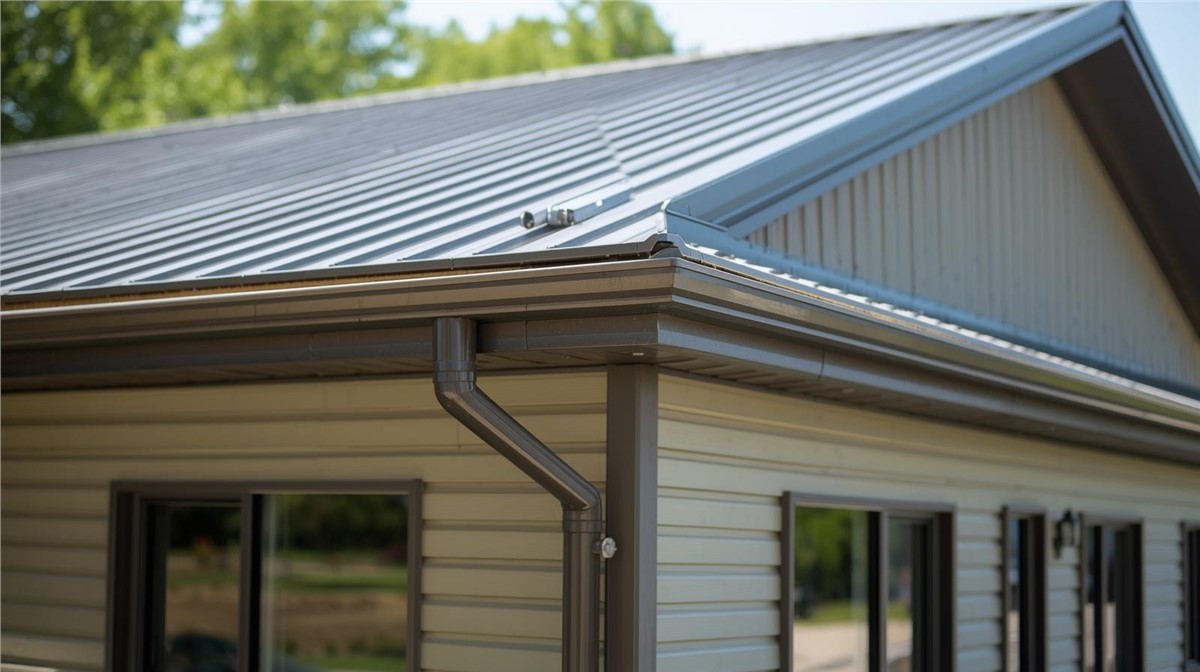
Commercial properties in Lake Carroll, IL face the same northern Illinois weather as every other property in the region — but the consequences of exterior system failure are larger, more disruptive, and more expensive to remediate. This guide covers what commercial exterior maintenance and replacement actually involves across roofing, siding, windows, and gutters, and why coordinating those systems through a single experienced contractor produces better outcomes than managing each one separately.
The Commercial Exterior Challenge in Lake Carroll
Lake Carroll is a private lake community in Carroll County in northwestern Illinois — a mix of residential and commercial properties that serve the community's year-round and seasonal population. Commercial properties here — whether retail, service, hospitality, or community facilities — face the same four-season weather stress as the broader northern Illinois region. Significant winter snowfall and ice loading. Freeze-thaw cycling from November through April. Spring hail and wind events. Summer UV intensity that degrades every exterior surface continuously.
What makes commercial exterior maintenance different from residential is consequence. A failing roof on a home affects one household. A failing roof on a commercial building can disrupt operations, damage equipment or inventory, affect customers and employees, and create liability exposure — all before a repair crew arrives. The gap between a small preventive investment and a large reactive repair is wider on a commercial property than on a residential one.
The other difference is coordination. A home has one owner making decisions. A commercial property may have a property manager, a building owner, tenants with operational needs, and a board or management company with budget approval requirements — all of whom need to be aligned before significant exterior work proceeds. A contractor who understands commercial project management handles that coordination as part of the job.
Commercial Roofing: What Lake Carroll Properties Need to Know
Most commercial buildings in Lake Carroll have flat or low-slope roofs — TPO membrane, EPDM rubber, modified bitumen, or in older buildings, built-up roofing systems. These systems manage water fundamentally differently from residential shingle roofs — they rely on drains, scuppers, and designed slope rather than gravity shedding to move water off the building.
That reliance on drainage means that clogged drains, failed membrane at penetrations, and compromised seams produce consequences faster than equivalent failures on a pitched residential roof. Ponding water that sits on a flat membrane for 48 hours after a rain event is not a minor issue — it is adding structural load, accelerating membrane degradation, and indicating a drainage problem that needs correction before the next significant rainfall.
What commercial roofing maintenance and replacement involves:
- Semi-annual inspections covering the full membrane surface, all seams, every penetration and equipment curb, drains and scuppers, and parapet wall flashing
- Preventive maintenance addressing sealant replacement at flashing terminations, seam resealing, and drain clearing before problems become active leaks
- Repair of identified issues — punctures, lifted seams, compromised flashing — addressed promptly before they allow infiltration through subsequent rain events
- Replacement planning based on membrane age, system condition, and total cost of ownership comparison against continued maintenance expenditure
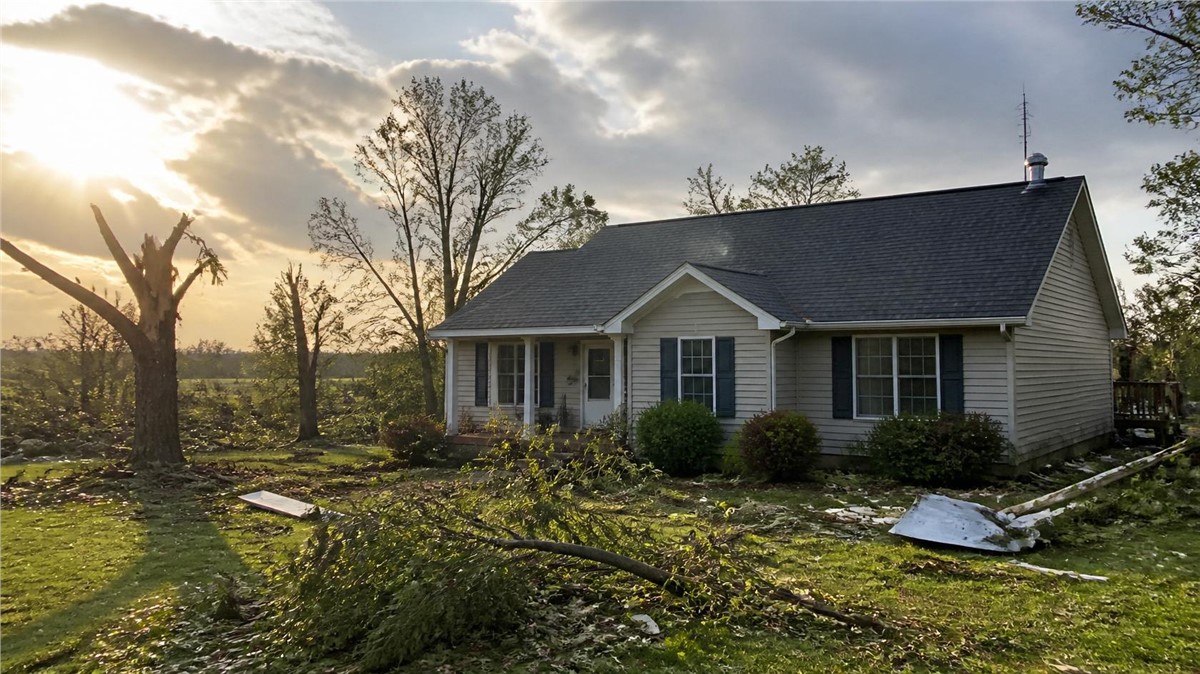
Storm damage after hail and wind events should trigger a professional inspection within 24 to 48 hours. Hail impacts on TPO and modified bitumen, wind blow-off at perimeter edges, and equipment displacement from roof curbs are findings that insurance adjusters need documented promptly to process a claim effectively.
Commercial Siding: Durability Over the Long Term
Commercial siding in northwestern Illinois serves two functions simultaneously: weather protection and professional appearance. A building whose exterior cladding is failing — visibly cracked, faded, or damaged — communicates something to customers and tenants before they walk through the door.
The materials most commonly used on commercial buildings in the Carroll County market include metal panel systems, fiber cement, EIFS, and in some cases vinyl or engineered wood on smaller commercial structures. Each has its own maintenance requirements and failure modes in a Midwest climate.
Metal panel siding — aluminum and steel — is the most durable commercial cladding option for northwestern Illinois. It handles freeze-thaw cycling, hail impact, and UV exposure well, requires no repainting under normal conditions, and has a service life of 30 to 40 years or more when properly installed and maintained. Post-storm inspection after hail events is important — denting on metal panel compromises the protective coating at impact points and accelerates corrosion at those locations.
EIFS delivers excellent thermal performance through continuous insulation but requires meticulous maintenance at joints and penetrations to prevent moisture infiltration into the insulation layer. Modern drainable EIFS systems are significantly more resilient than older barrier systems. Hail impact inspection after significant storms is important — impact craters that breach the finish coat are entry points for moisture that need prompt repair.
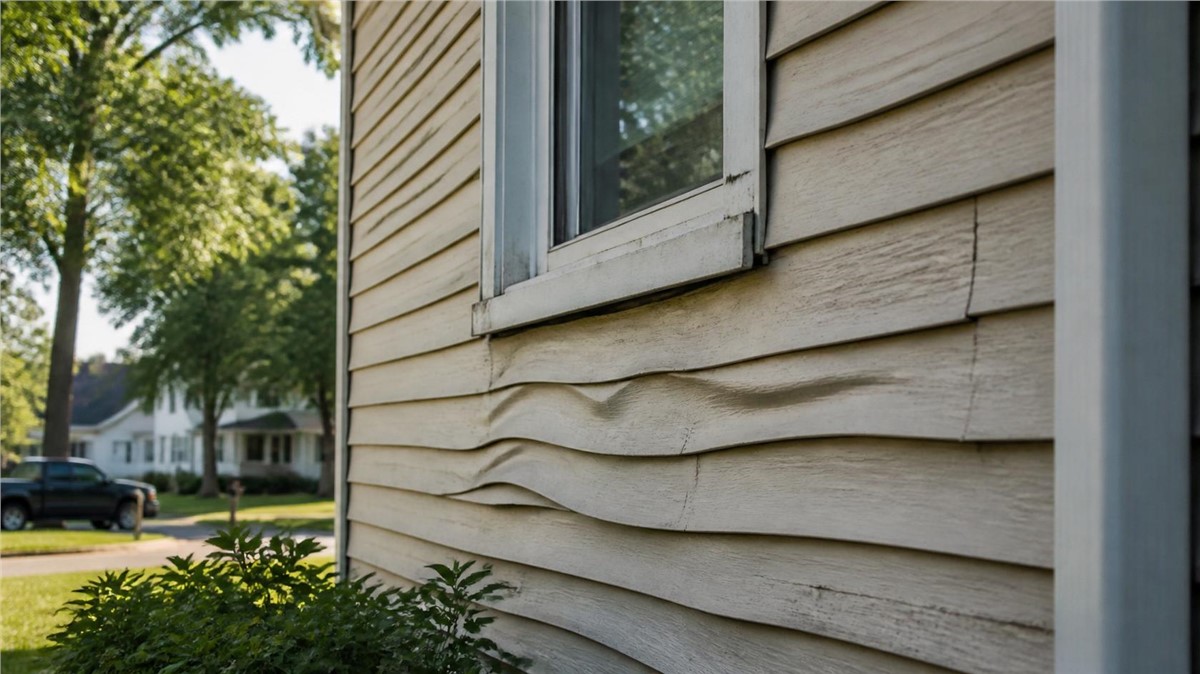
Fiber cement on smaller commercial structures performs well in the northern Illinois climate when correctly installed and maintained with regular repainting. Cut edge sealing at installation and attention to grade clearance at wall bases are the installation details most consequential to long-term performance.
Commercial Windows: Performance and Appearance
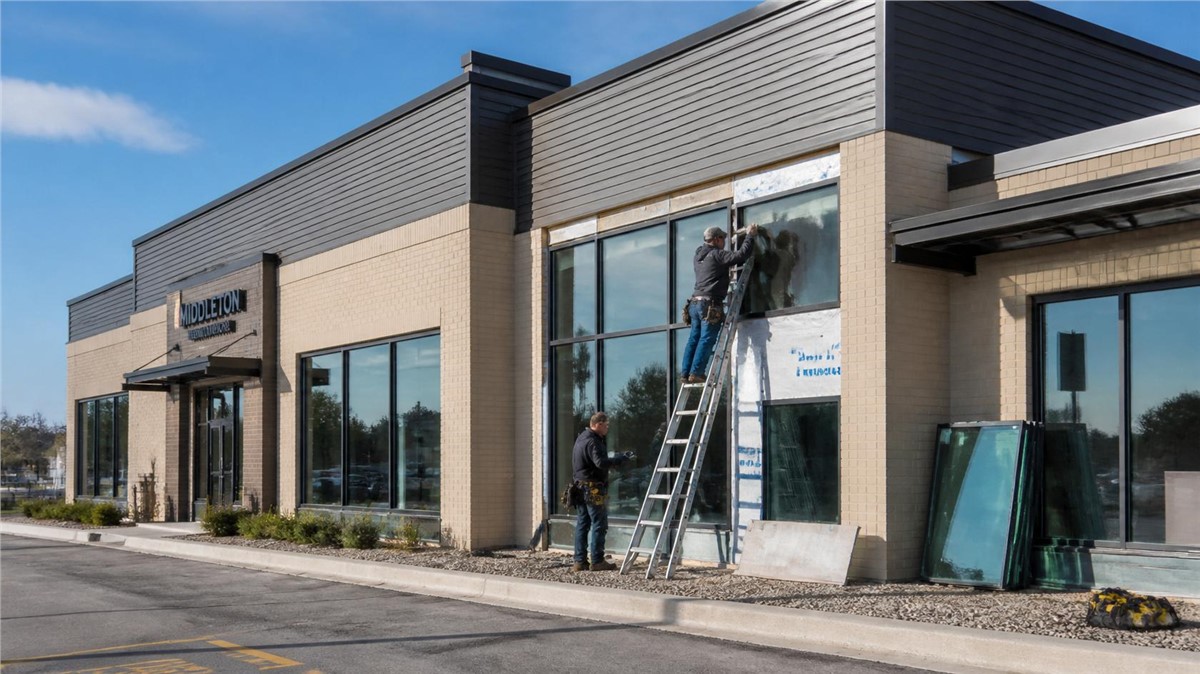
Commercial windows — storefront glazing, curtainwall systems, and individual commercial window units — affect both the thermal performance of the building envelope and the visual character of the property.
For Lake Carroll commercial properties, the primary window concerns after significant weather events are:
Impact damage from hail and wind. Large commercial glazing units are vulnerable to hail above one inch. Cracked or chipped glazing should be documented and replaced promptly — a compromised glass unit is both an infiltration risk and a liability concern.
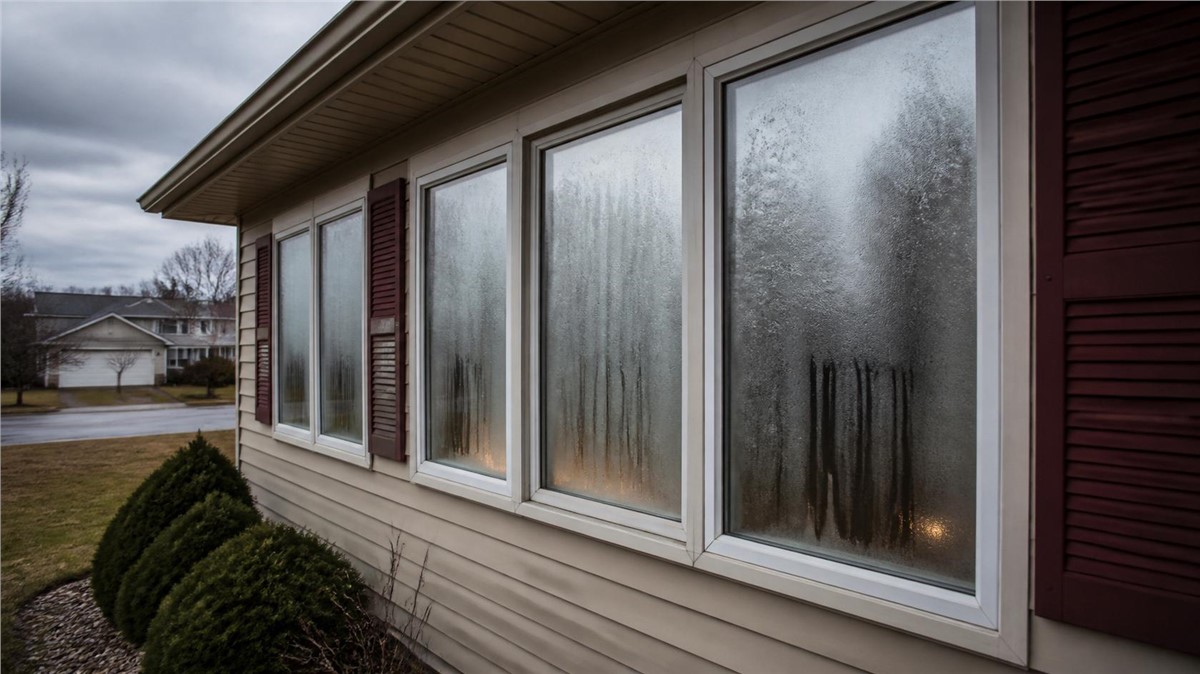
Seal failure on insulating units. Commercial insulated glazing units fail at the insulating seal for the same reasons residential windows do — thermal cycling, age, and installation quality. Fogging between panes on commercial units indicates thermal performance has been compromised and replacement of the affected units is the appropriate response.
Frame and glazing compound condition. Commercial window frames — aluminum, fiberglass, or thermally broken aluminum — should be inspected annually for sealant condition at frame perimeters, gasket integrity, and any corrosion or deformation that affects weather seal performance.
Energy performance matters on commercial buildings where HVAC costs are a significant operating expense. Storefront and curtainwall systems with outdated glazing specifications — single-pane, non-low-e, or air-filled units — represent an upgrade opportunity that pays in reduced heating and cooling costs across the ownership horizon.
Commercial Gutters: Drainage at Scale
Commercial buildings produce dramatically more roof runoff than residential structures. A mid-size commercial roof in a significant rain event can shed thousands of gallons of water — all of which needs to be collected, directed, and discharged away from the building foundation, parking areas, and entries.
Drainage failure on a commercial building is not a nuisance — it is a liability. Water pooling at entries creates ice hazards in winter. Overflow saturating the building foundation creates hydrostatic pressure that leads to structural problems over time. Concentrated discharge onto parking surfaces accelerates pavement deterioration.
Commercial gutter requirements differ from residential:
Sizing needs to be based on actual rainfall intensity calculations for Carroll County — not defaulted to whatever is currently installed. Commercial aluminum gutter stock runs heavier gauge than residential product. Downspout sizing and quantity need to handle peak rain event volume without backing up. Underground discharge systems are often the appropriate solution for directing large water volumes away from building entries and parking areas.
Post-storm inspection of commercial gutters after hail events documents the denting pattern that confirms hail exposure across the building exterior — corroborating evidence that supports a multi-system insurance claim.
Why Coordinated Exterior Services Produce Better Results
The most common commercial exterior management mistake is treating each system independently — a different contractor for roofing, a different vendor for siding, another for windows, and a facilities crew handling gutters. Each contractor optimizes for their own scope without full visibility into how their work affects adjacent systems.
The consequence shows up at transitions. A roofing contractor who replaces the membrane without coordinating the parapet wall flashing with the siding contractor leaves a joint between two scopes that neither party owns fully. A window contractor who installs replacement units without coordinating head flashing with the siding system leaves an infiltration pathway at the most vulnerable point around every window.
A single contractor who manages roofing, siding, windows, and gutters as a coordinated exterior system addresses those transitions as part of a unified scope — not as boundary disputes between separate vendors.
Huskie Exteriors serves commercial and residential property owners across Illinois and Wisconsin, handling roofing, siding, windows, gutters, and storm damage restoration. For commercial properties in Lake Carroll and throughout Carroll County, the team brings the multi-system expertise, commercial project management capability, and local accountability that coordinated exterior restoration requires.
Protecting Your Lake Carroll Commercial Investment
Commercial exterior systems in Lake Carroll face genuine weather stress across every season. The properties that manage that stress most cost-effectively are the ones whose owners treat exterior maintenance as a management strategy — inspecting regularly, acting on findings promptly, and coordinating repairs across systems through a contractor who understands how those systems interact.
Contact Huskie Exteriors for professional roofing, siding, window, gutter, and storm damage services in Illinois and Wisconsin. If your Lake Carroll commercial property is due for an exterior assessment or you are planning a significant exterior project, our team is ready to evaluate what you have and recommend the right approach for your building and budget.
Subscribe to Huskie Exteriors's Blog




Comments