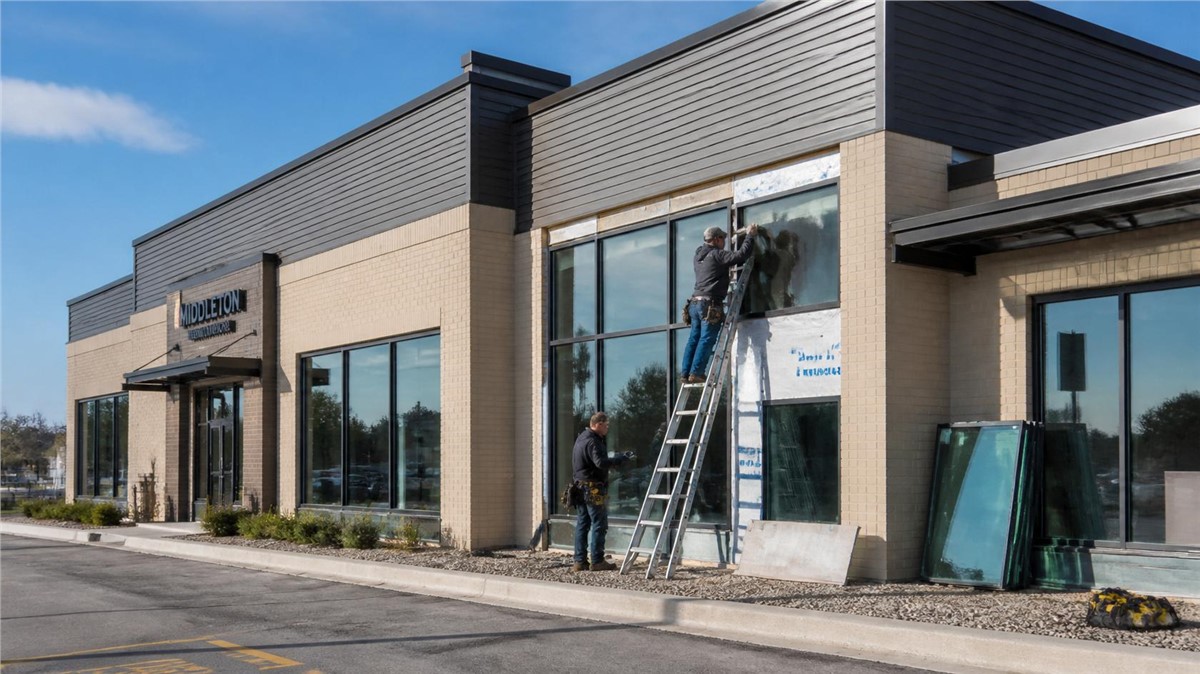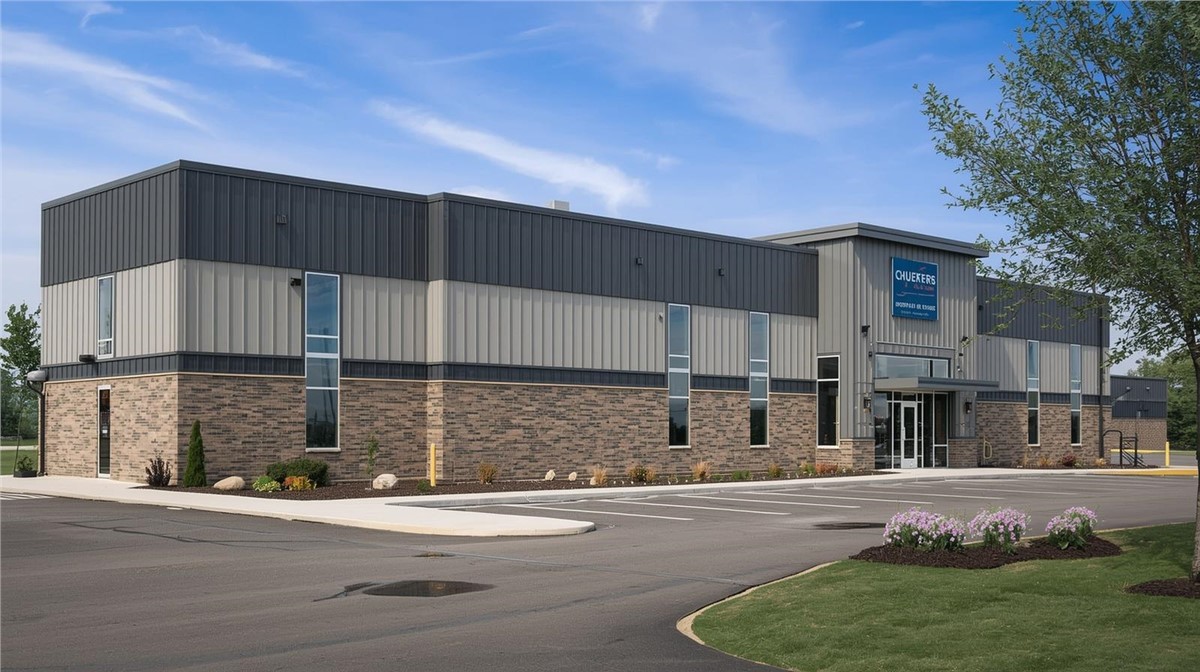
The exterior cladding on a commercial building in South Elgin, IL does more than establish curb appeal — it protects the structure, manages moisture, and represents the business inside it to every customer and tenant who approaches the door.
Read More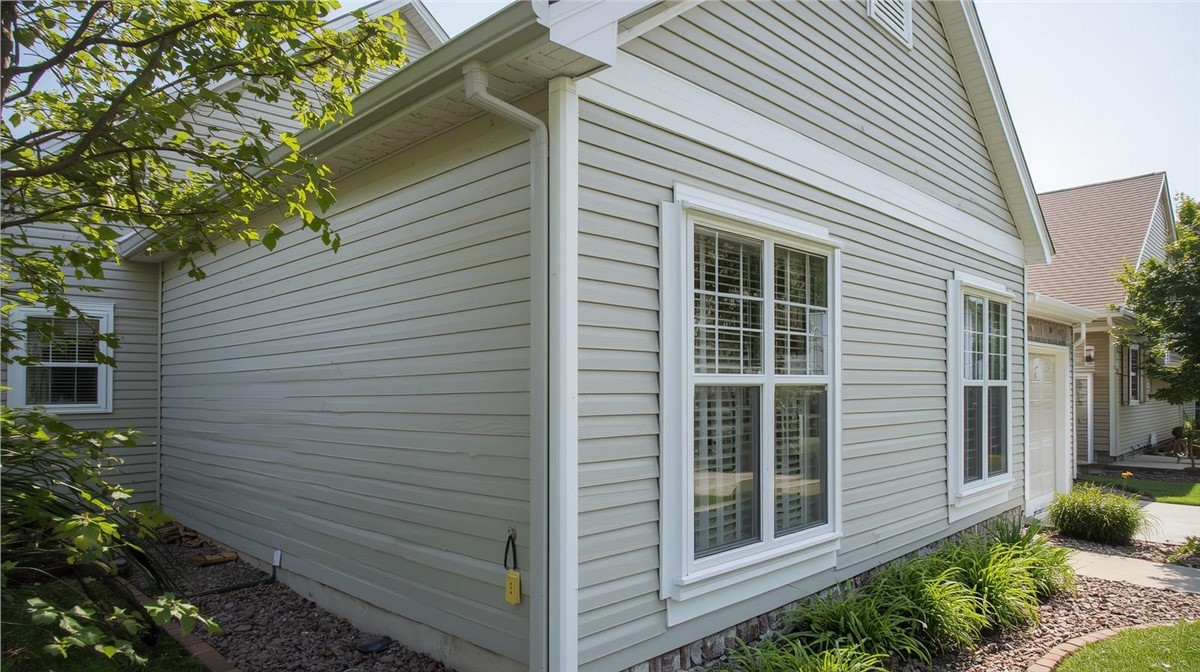
Vinyl siding is the most widely installed exterior cladding on homes in northern Illinois, and for good reason — it handles Midwest weather well, requires minimal upkeep, and delivers solid long-term value when properly selected and installed.
Read More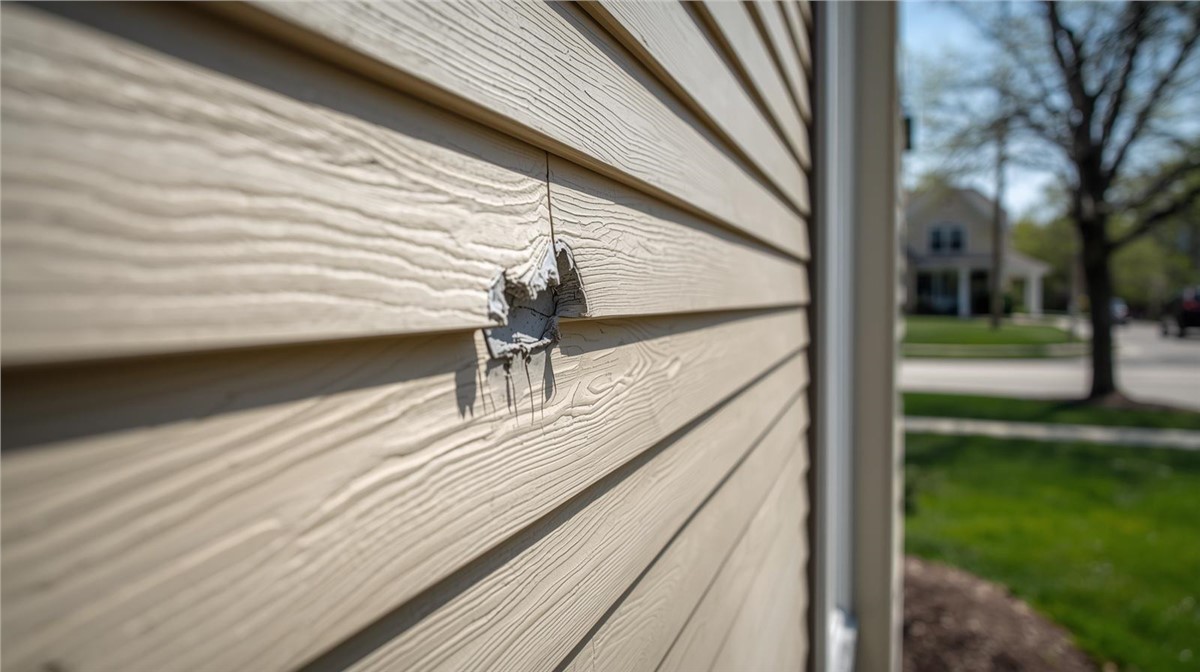
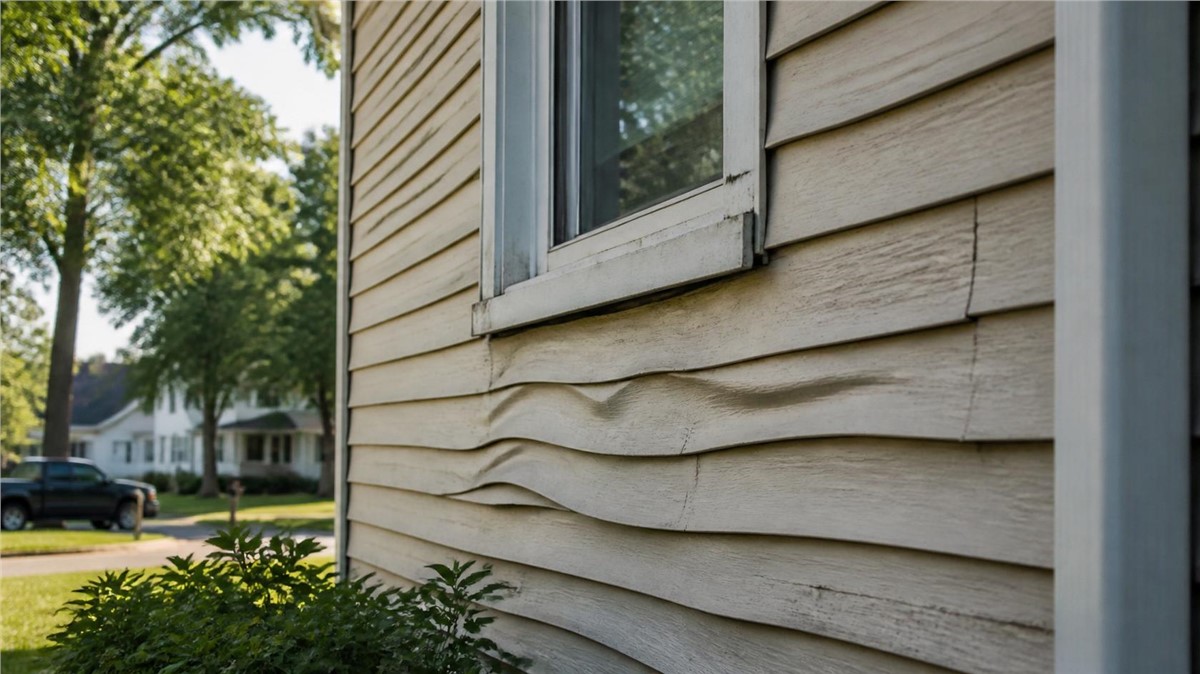
A cracked panel, a small gap at a seam, or a section of siding that has pulled slightly away from the wall can look like minor cosmetic issues on a Huntley home.
Read More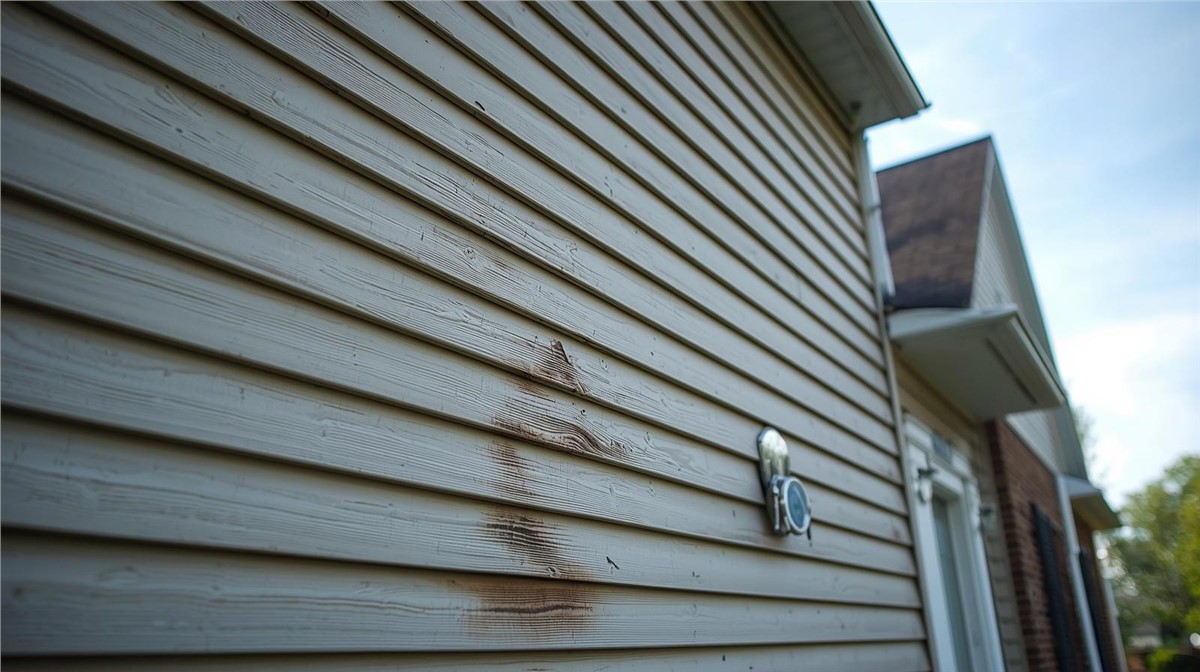
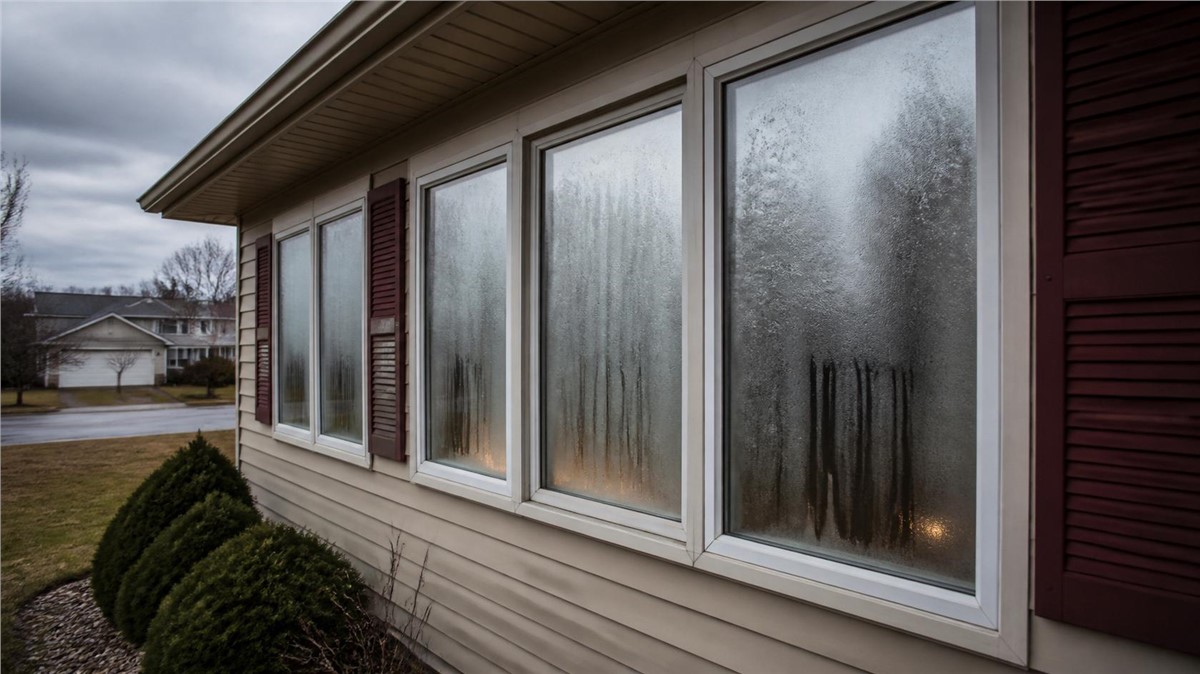
Your siding does more than make your home look good — it protects the structure beneath it from moisture, wind, and temperature extremes. If your Crystal Lake home has siding that's cracking, warping, fading severely, or allowing drafts and water inside, it may be past the point of repair.
Read More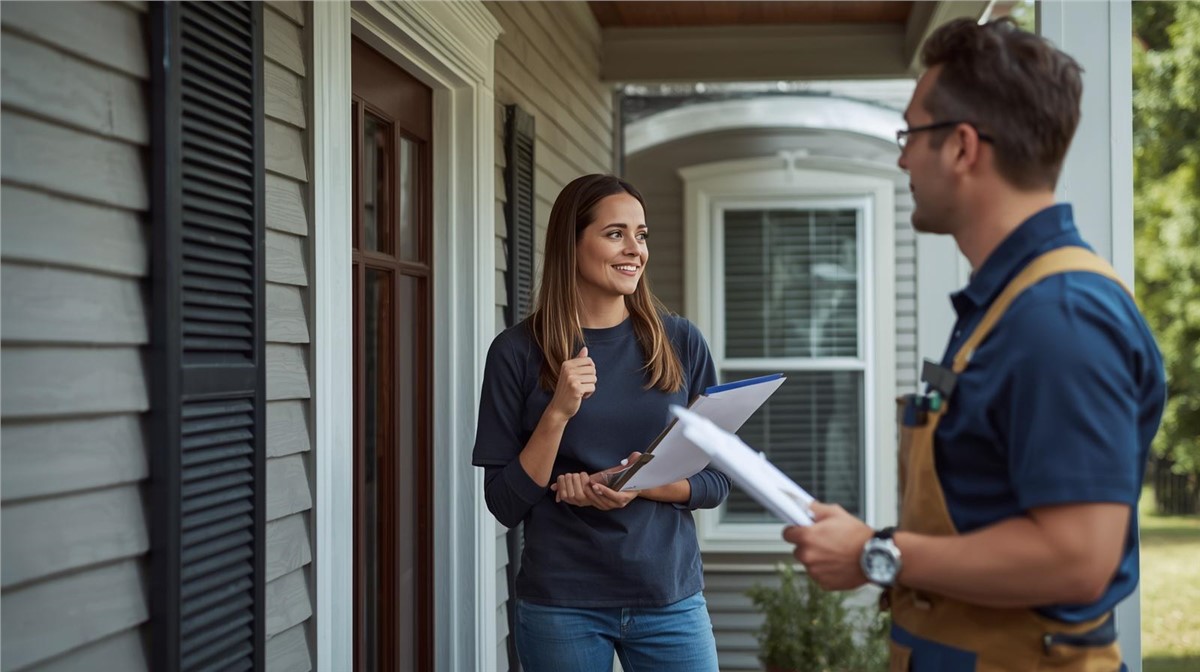
Choosing the right siding contractor in Naperville, IL starts with more than price. You want a contractor who can explain the scope clearly, show past work, provide a written estimate, confirm insurance, and explain how they handle hidden wall damage, cleanup, and project communication.
Read More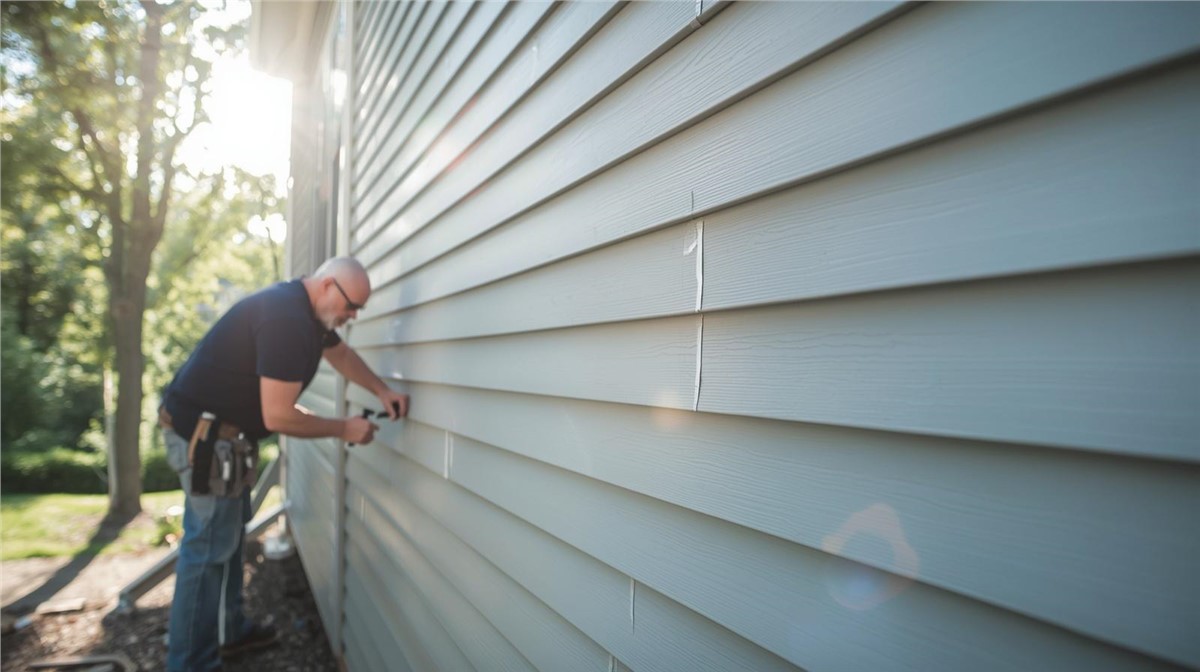
In Naperville, IL, a full siding installation project usually takes about one to two weeks on-site for many homes.
Read More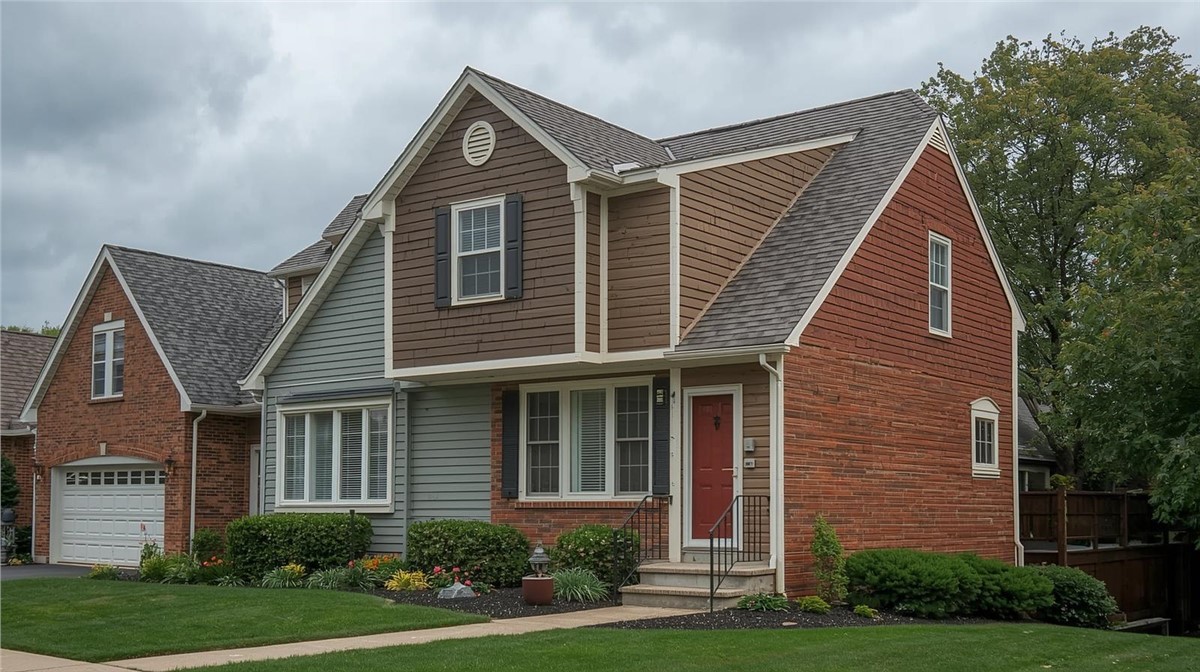
In Naperville, IL, siding lifespan depends on the material, installation quality, storm exposure, moisture control, and maintenance.
Read More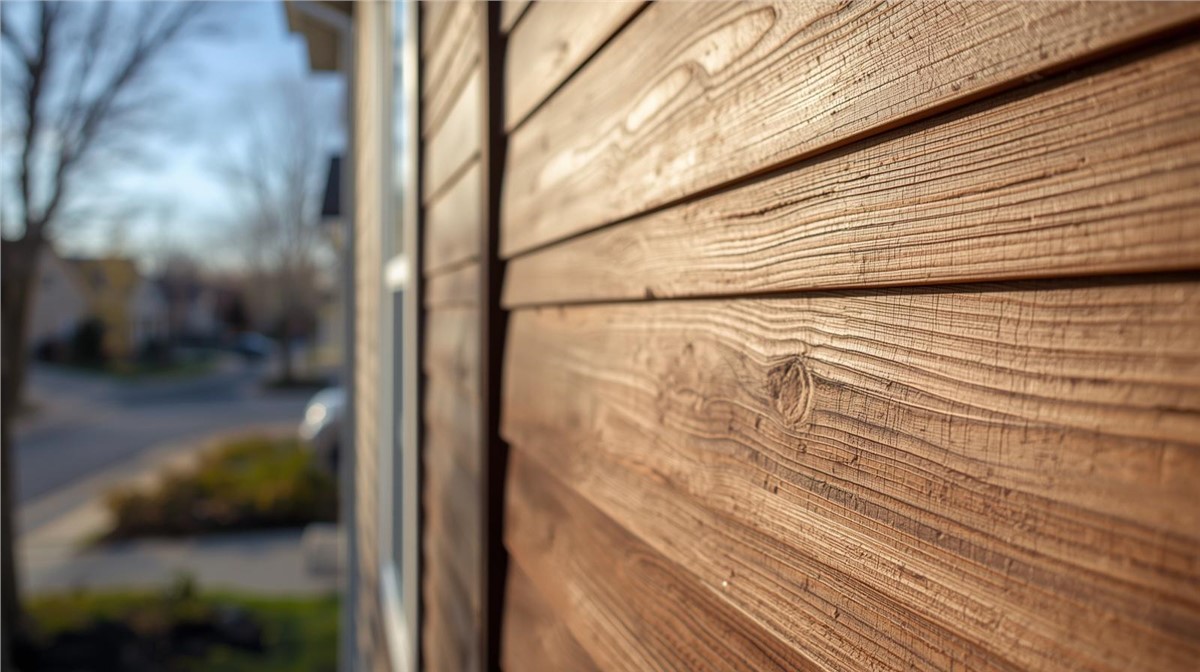
For many homes in Naperville, IL, fiber cement siding is usually the best overall choice for Midwest weather because it handles temperature swings, storm exposure, and long-term wear better than most lower-cost materials.
Read More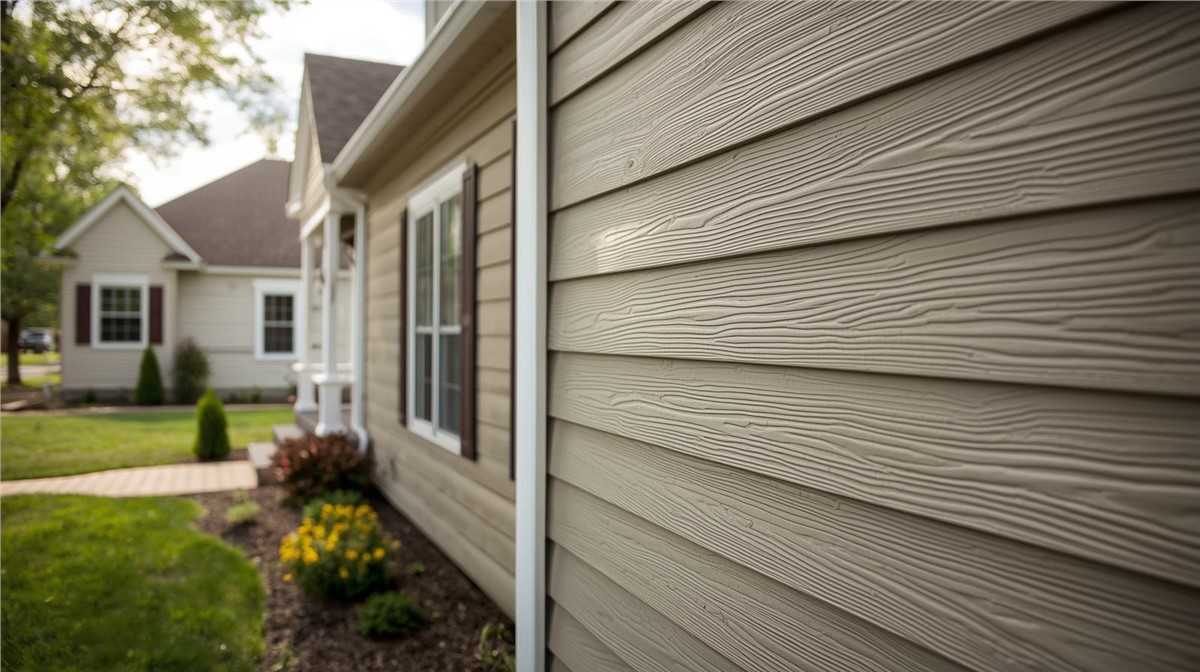
In Naperville, IL, siding repair usually saves more money upfront when the damage is limited, the material can still be matched, and there is no major hidden water damage behind the wall.
Read More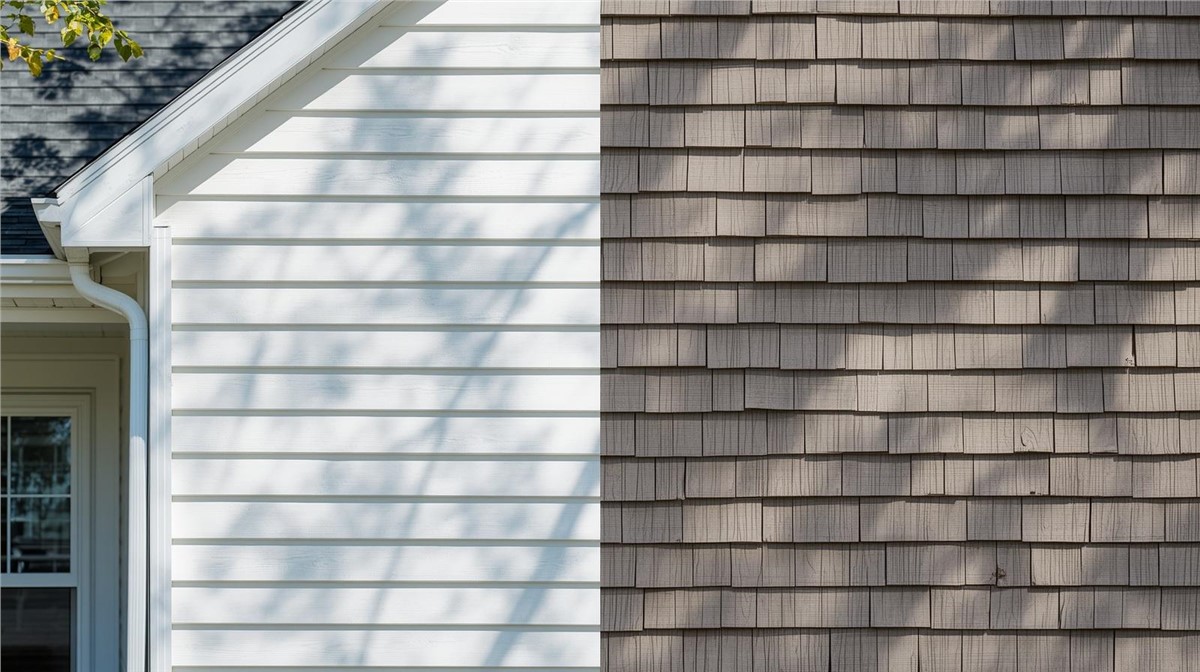
For many homes in Naperville, IL, fiber cement siding performs better overall when long-term durability, temperature resistance, and storm resilience matter most, while vinyl siding usually performs better on upfront affordability and lower project cost.
Read MoreSubscribe to Huskie Exteriors's Blog