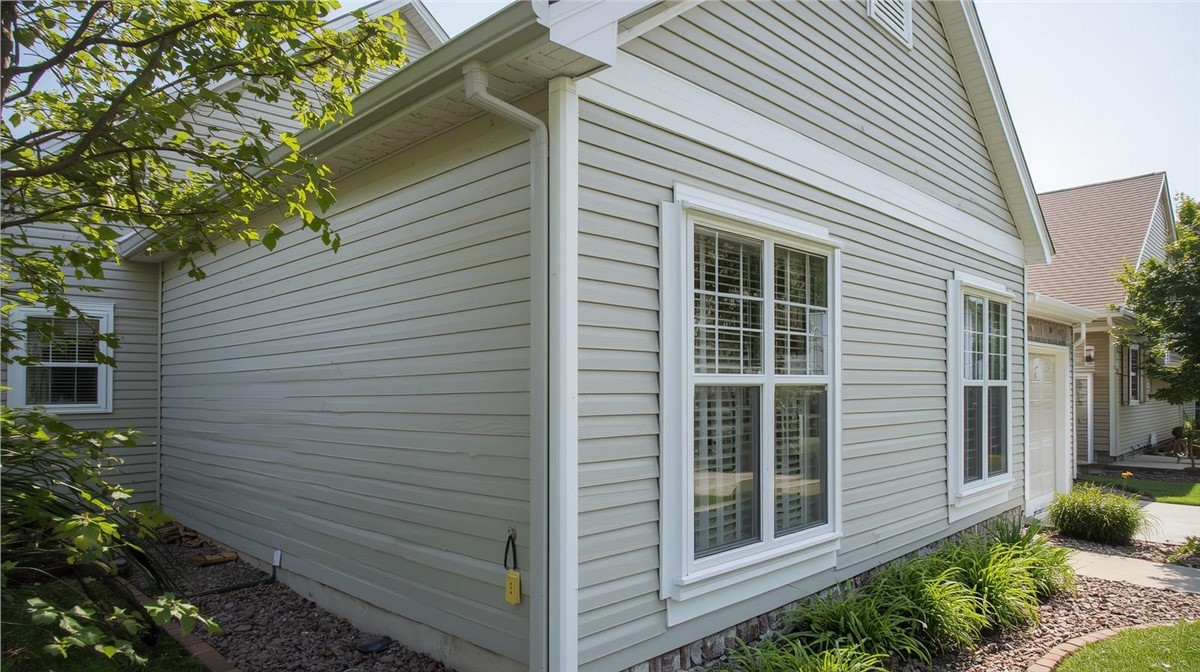
Vinyl siding is the most widely installed exterior cladding on homes in northern Illinois, and for good reason — it handles Midwest weather well, requires minimal upkeep, and delivers solid long-term value when properly selected and installed. For homeowners in Rockton, IL, understanding what separates a quality vinyl installation from a marginal one, what realistic costs look like, and what maintenance actually involves helps you make a better decision and get more from the investment. This guide covers all three.
Why Vinyl Siding Dominates the Northern Illinois Market
Walk through any residential neighborhood in Winnebago County and vinyl siding is the clear majority. It has been for decades, and the reasons are straightforward: it handles freeze-thaw cycling better than wood, it does not require periodic repainting, it resists moisture and insects, and it has come down in cost relative to alternatives while improving substantially in quality and appearance.
For homeowners in Rockton — a community along the Rock River that sees the full range of northern Illinois weather, from subzero winter wind chills to hot and humid summers — vinyl siding's combination of durability and low maintenance makes it a practical choice. It is not the only choice, and it is not without trade-offs. But understanding what it does well, what its limits are, and what quality actually looks like helps homeowners evaluate it honestly rather than defaulting to it because it is the most familiar option.
What Vinyl Siding Actually Is — and How It Has Changed
Early vinyl siding had a deserved reputation for looking cheap, fading quickly, and cracking in cold weather. The product that goes on homes today is meaningfully different. Advances in polymer formulation, UV stabilization, surface texture, and panel thickness have produced a material that performs well in harsh climates and, in higher-end product lines, closely approximates the look of wood without wood's maintenance demands.
Vinyl siding is extruded from polyvinyl chloride — PVC — with additives that control flexibility, UV resistance, and color stability. The key variables that distinguish a quality product from a builder-grade one are panel thickness, the quality of UV stabilizers in the compound, and the precision of the profile geometry that determines how panels interlock and how they behave through thermal cycling.
Panel thickness is measured in thousandths of an inch — typically referred to as "mil." Builder-grade vinyl runs around .040 inches. Mid-grade product runs .044 to .046 inches. Premium product reaches .050 inches and above. The difference matters in a Midwest climate: thicker panels are more resistant to impact, flex less under thermal cycling, and hold their profile better over time. For a home in Rockton that will face decades of freeze-thaw cycling and occasional hail, the upgrade from builder-grade to mid-grade or premium thickness is worth the cost difference.
UV stabilization determines how well the color holds over decades of sun exposure. Lower-quality product fades noticeably within ten years. Premium product from reputable manufacturers maintains color significantly better, particularly on south and west elevations where direct sun exposure is highest.
Profile and texture have improved to the point where some premium vinyl products replicate the shadow lines, grain texture, and dimensional variation of wood clapboard convincingly enough that they are difficult to distinguish at normal viewing distances. This matters for homeowners who want the performance of vinyl without the visual compromise of flat, uniform panels.
Cost: What to Expect for a Vinyl Siding Project in Rockton
Vinyl siding cost is driven by four factors: material grade, project scope, home complexity, and the cost structure of the contractor doing the work. Providing a specific price without knowing those variables is not meaningful — but providing a framework for understanding what drives cost helps homeowners evaluate estimates more intelligently.
Material grade is the biggest variable within the homeowner's control. Builder-grade vinyl is the least expensive option per square foot of material. Mid-grade product costs more but performs meaningfully better in a northern Illinois climate. Premium insulated vinyl — panels with a foam backer that improves rigidity and adds modest thermal performance — costs more still. The difference between builder-grade and premium product on a typical home can represent several thousand dollars in material cost, which needs to be weighed against the performance and longevity difference over a 20 to 30 year horizon.
Project scope encompasses more than the siding panels themselves. A full siding replacement project typically includes:
- Removal and disposal of existing siding
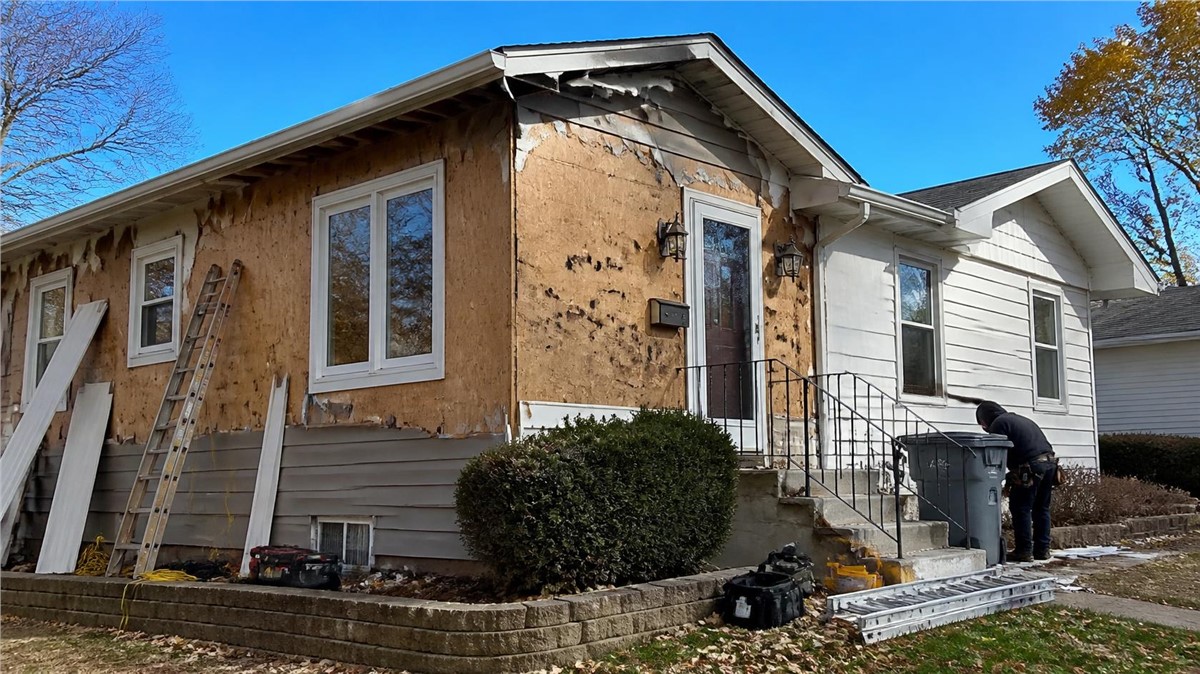
- Inspection and repair of any damaged sheathing or housewrap beneath
- Installation of new housewrap or weather barrier if the existing material is inadequate
- New J-channel, corner posts, and trim components
- Window and door surround trim
- Soffit and fascia work if those are being addressed simultaneously
- The siding panels themselves
Each of these components adds to the overall project cost, and each is necessary for a complete and properly performing installation. An estimate that omits housewrap replacement on a home with aging or damaged existing housewrap is not a complete estimate — it is a number that will grow once work begins and the actual condition beneath the old siding is visible.
Home complexity affects labor cost significantly. A simple ranch-style home with minimal architectural detail installs faster and with less waste than a two-story home with multiple dormers, bay windows, decorative gables, and complex trim transitions. Labor is a substantial component of siding installation cost, and complexity multiplies it.
Contractor quality and overhead vary across the market in ways that are not always visible in the estimate. A contractor with licensed employees, proper insurance, established supplier relationships, and a warranty they can stand behind has higher operating costs than one who works around all of those things. That difference shows up in the estimate, and it matters when something needs to be addressed after the job is done.
What a homeowner in Rockton should be cautious of: an estimate that is dramatically lower than others received for the same scope of work. The variables that allow a contractor to come in significantly under market are almost always the same ones that produce problems during the project or after it is complete.
Durability: What Vinyl Siding Handles Well and What It Does Not
Vinyl siding's durability profile is genuinely strong in the areas that matter most for Rockton homeowners — and honest about where it has limits.
What it handles well:
Moisture. Vinyl does not absorb water, does not rot, and does not support mold growth on its surface under normal conditions. In a climate with Rockton's rainfall and snowmelt exposure, this is a significant advantage over wood and fiber cement, both of which require more active moisture management.
Freeze-thaw cycling. Quality vinyl remains flexible enough through the temperature range experienced in northern Illinois that freeze-thaw cycling does not crack it under normal conditions. The caveat is panel thickness — thinner panels become more brittle at low temperatures and are more susceptible to impact cracking in cold weather.
Insects and pests. Vinyl is not a food source for insects and does not provide the organic material that wood-boring pests target. In a region where carpenter ants and other wood-damaging insects are present, this is a meaningful advantage.
Color retention. Modern premium vinyl holds color significantly better than earlier generations of the material. On quality products with robust UV stabilizers, color fade over 20 to 25 years is modest, particularly on north and east elevations.
What it does not handle as well:
Hail impact. This is vinyl siding's primary vulnerability in northern Illinois. Hail above roughly one inch in diameter can crack vinyl panels, particularly in cold weather when the material is less flexible. Impact-resistant vinyl products are available and worth considering for Rockton homes, given the hail exposure that McHenry and Winnebago County properties experience.
High heat near reflective surfaces. Vinyl siding can warp when subjected to concentrated radiant heat — most commonly from low-e window glass on adjacent structures that focuses reflected sunlight onto a siding surface. This is a known issue in some neighborhoods with dense housing, and it is worth discussing with a contractor if your home has neighbors close by with large window areas.
Severe impact from debris. Beyond hail, wind-carried debris during significant storm events can crack or puncture vinyl panels. Thicker panels handle this better than thinner ones, but no vinyl product is impact-proof.
Extreme age-related brittleness. Vinyl that has been in place for 30 or more years without replacement becomes more brittle and less flexible regardless of original quality. At that age, panels that were impact-resistant when installed may crack during cold weather from impacts that would not affect newer material.
Maintenance: What Vinyl Siding Actually Requires
One of vinyl siding's primary selling points is low maintenance, and that reputation is largely earned — but "low maintenance" is not the same as "no maintenance." Understanding what vinyl actually needs keeps a installation performing well across its full service life.
Periodic cleaning. Vinyl siding accumulates dirt, pollen, mildew, and oxidation over time, particularly on north-facing elevations that stay damp longer and in areas with significant tree coverage. A cleaning every one to two years — with a soft brush, mild detergent solution, and garden hose, or a low-pressure power washer — keeps the surface clean and allows you to identify any developing issues at the same time. High-pressure washing can force water behind panels if directed upward at panel laps, so technique matters.
Caulk and sealant inspection. The caulked joints around windows, doors, and utility penetrations in a vinyl-sided home need periodic inspection. Caulk dries, cracks, and shrinks over time regardless of the siding material. Failed caulk at a window surround is a water infiltration pathway that vinyl siding does not eliminate — the panel system manages bulk water, but penetration seals manage the details. Check and replace failed caulk joints every five to seven years as a baseline.
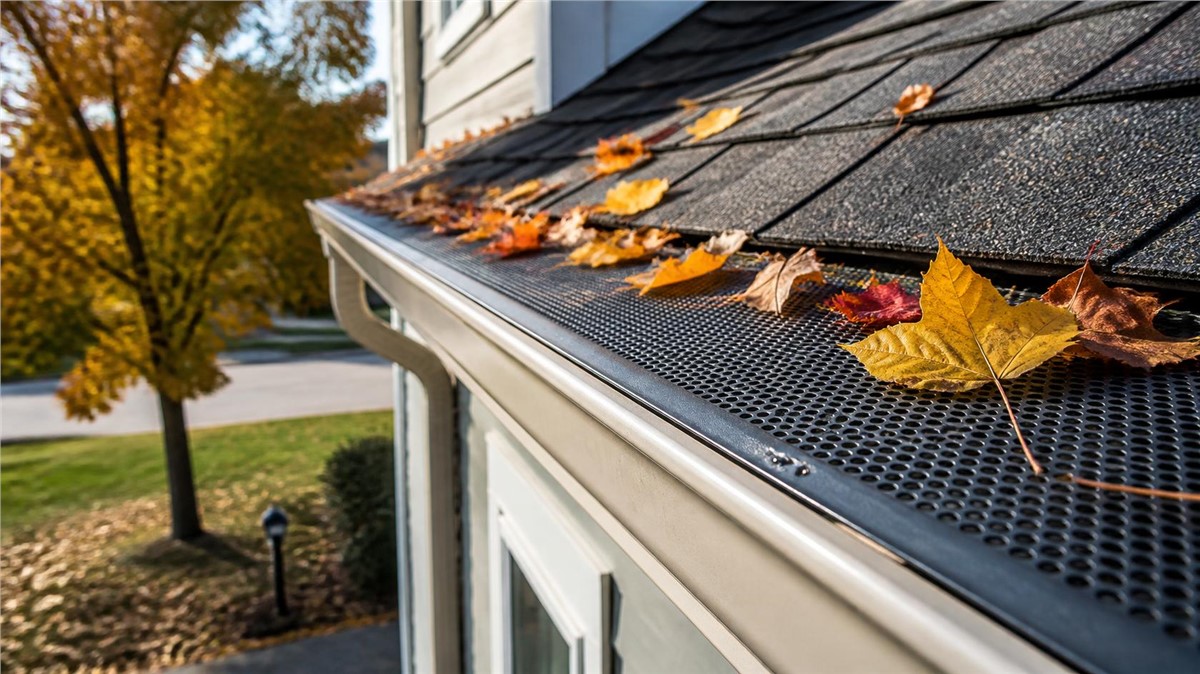
Gutter maintenance. Clogged gutters that overflow repeatedly direct water against siding at the eave and can stain, and in sustained situations, promote moisture infiltration behind lower siding courses. Keeping gutters clean and functioning properly protects the siding investment as much as it protects the fascia and foundation.
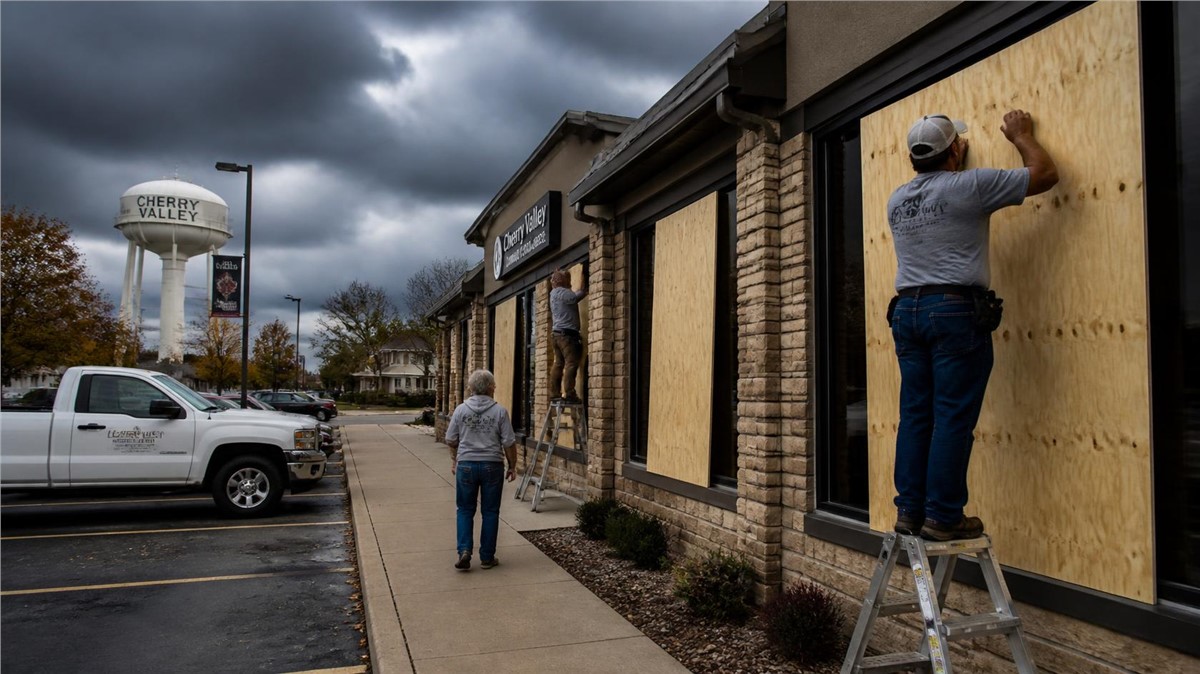
Impact damage inspection. After significant hail or wind events, walk the perimeter and look for cracked or punctured panels. Small cracks may not be immediately obvious but should be addressed before they allow water infiltration. The sooner impact damage is identified and repaired, the less opportunity water has to work behind the panel.
Checking panel engagement. Occasionally — particularly after significant wind events — check that panels remain properly engaged in their locking channels. A panel that has been partially dislodged by wind will not be obviously missing but will be allowing air and water behind the cladding at the disengaged section.
What vinyl siding does not need: repainting, staining, treating for rot or insects, or the kind of seasonal preparation that wood siding requires. The maintenance list above is genuinely minimal compared to wood alternatives — it is simply not zero.
Installation Quality: Why It Matters as Much as Product Quality
A premium vinyl siding product installed incorrectly will underperform a mid-grade product installed correctly. Installation quality is the variable that most homeowners cannot directly evaluate when reviewing an estimate, which is why contractor selection matters so much.
The most consequential installation details for a Rockton home in a northern Illinois climate:
Nail placement and fastening. Vinyl siding must be nailed through the center of the nail slot — not tight, not loose. The nail allows the panel to slide laterally as it expands and contracts with temperature. Nails driven too tight prevent movement and cause panels to buckle. Nails driven off-center or with insufficient penetration into the sheathing allow panels to shift and disengage.
Overlap at seams. Horizontal panel seams need adequate overlap to manage wind-driven rain and allow thermal movement without creating gaps. Too little overlap and seams open in cold weather. Seam placement also needs to be staggered to avoid creating a vertical line of seams visible on the wall.
Flashing at windows and doors. Proper head flashing above windows and pan flashing below them is what actually keeps water out of the rough opening — not the J-channel or trim that surrounds the window on the exterior. Installers who skip or shortcut flashing details are leaving the most critical moisture management step undone.
Housewrap integrity. New housewrap should be installed when existing material is damaged, inadequate, or missing. Housewrap laps need to be taped correctly at seams and integrated properly with window and door flashing. A vinyl siding installation over compromised housewrap leaves the wall assembly without a secondary moisture barrier.
Ventilation at soffit. Soffit panels should be vented to allow airflow into the attic assembly. Blocking soffit ventilation during a siding installation contributes to the attic moisture and heat issues that shorten roof life.
Vinyl Siding as Part of a Complete Exterior System
Vinyl siding performs best when it is part of a coordinated exterior system — not installed in isolation while adjacent components remain in failing condition. Siding installed over rotted sheathing, alongside failing windows with compromised flashing, or below gutters that overflow regularly will not deliver its full service life regardless of product quality.
The most cost-effective approach to exterior renovation for most Rockton homeowners is to address multiple systems in a coordinated project when significant work is being done anyway. Replacing siding while also addressing window surrounds, soffit and fascia, and gutters produces better results than addressing each system separately over several years — and avoids the situation where new siding is installed around old components that will need replacement within a few years anyway.
Huskie Exteriors serves homeowners and commercial property owners across Illinois and Wisconsin, handling roofing, siding, windows, gutters, and storm damage restoration. For Rockton homeowners considering a vinyl siding project, the team can assess the full exterior system, identify what needs to be addressed alongside the siding, and provide an honest scope of work that accounts for the whole picture rather than just the most visible surface.
Getting More From Your Vinyl Siding Investment in Rockton
Vinyl siding is a long-term investment. Done right — with quality product, proper installation, and the periodic maintenance it actually needs — it will protect a Rockton home through decades of northern Illinois weather with minimal ongoing cost. Done carelessly — with builder-grade material, shortcuts on installation details, or neglect of adjacent systems — it will underperform, fail earlier than it should, and leave the problems it was supposed to prevent unaddressed beneath a surface that looks fine from the street.
The difference between those two outcomes is product selection, contractor quality, and informed homeowner decision-making. All three are within reach.
Contact Huskie Exteriors for professional roofing, siding, window, gutter, and storm damage services in Illinois and Wisconsin. If your Rockton home is ready for a vinyl siding project — or if you want an honest assessment of your current siding's condition — our team is ready to help you understand your options and make the right call for your home and budget.
Subscribe to Huskie Exteriors's Blog





Comments