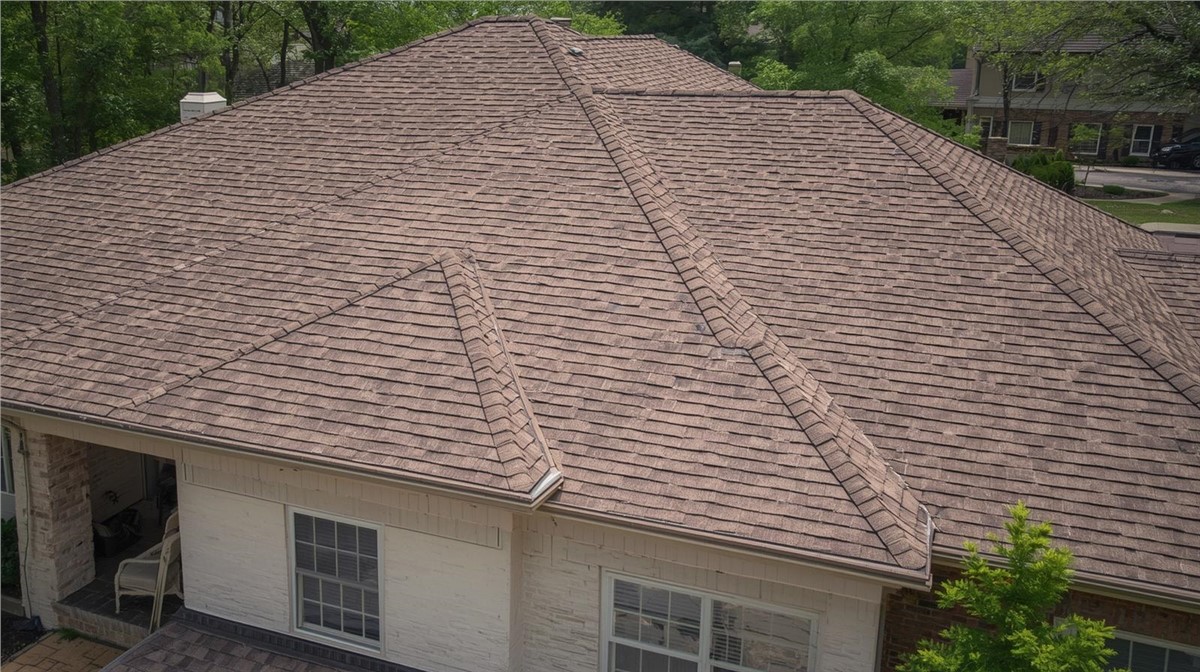
Your roof is the most consequential part of your home's exterior system — and one of the least understood. For homeowners in Prairie Ridge, IL, knowing the basics of how a residential roof works, what shortens its lifespan, and when to call a professional can mean the difference between a manageable repair and a costly replacement that catches you off guard. This guide covers what every Prairie Ridge homeowner should know about their roof before a problem forces the conversation.
What Most Homeowners Do Not Know About Their Roof
Ask most homeowners how old their roof is and you will get one of two answers: a confident number, or a long pause followed by "I think it was done before we bought the place." Ask them when it was last inspected and the pause gets longer.
This is not negligence. It is the nature of a component that does its job invisibly when it is working and announces its failure in the most inconvenient ways when it is not. A roof does not send alerts. It does not have a dashboard. It sits above everything else in the home, quietly managing rain, snow, wind, and temperature extremes, until the day it cannot anymore.
Prairie Ridge is a residential community in Kane County, in a part of northern Illinois where roofs work hard. The area sees genuine four-season weather stress — significant snowfall and ice in winter, severe thunderstorms and hail in spring and summer, and the kind of freeze-thaw cycling in late fall and early spring that accelerates deterioration in every roofing component. A roof here has a harder job than one in a more temperate climate, and the homeowners who understand that tend to make better decisions about maintenance, repair, and replacement timing.
How a Residential Roof Actually Works
Understanding the system makes it easier to understand what goes wrong and why.
A residential roof is not just shingles. It is a layered assembly of components that work together to manage water, temperature, and structural loads. From the inside out, a typical residential roof in northern Illinois includes:
Roof decking (sheathing). The structural base of the roof system — typically oriented strand board or plywood panels nailed to the rafters. Everything above sits on the decking, and the decking is what suffers when water infiltrates through failed components above it.
Underlayment. A water-resistant layer installed directly over the decking before shingles are applied. Modern underlayment is typically a synthetic material significantly more durable than the traditional felt paper it replaced. It serves as a secondary water barrier — the line of defense if water gets under a shingle.
Ice and water shield. A self-adhering membrane installed at the eaves, in valleys, and around penetrations — the areas most vulnerable to ice dam infiltration and concentrated water flow. In northern Illinois, where ice dams are a regular winter occurrence, proper ice and water shield installation is not optional. It is a critical component that distinguishes a properly built roof from one that will have problems the first hard winter it faces.
Shingles. The primary weather surface. Asphalt architectural shingles are by far the most common choice in residential construction across Kane County and the broader northern Illinois market. Their performance varies significantly by product quality — thickness, granule type, and wind and impact resistance ratings all affect how well they hold up in a Midwest climate.
Flashing. Metal or rubberized material installed at every point where the roof surface meets a vertical element — chimneys, skylights, dormers, plumbing vents, and wall transitions. Flashing is where most roof leaks originate, not because it is the weakest material in the system but because it is where two different building components meet and must maintain a watertight joint across years of thermal movement and weather stress.
Ridge vents and attic ventilation. A properly ventilated roof assembly maintains airflow through the attic that prevents heat buildup in summer, reduces ice dam formation in winter, and extends the life of shingles by keeping the roof deck temperature stable. Inadequate ventilation is one of the most common causes of premature roof failure and is frequently overlooked in both installation and inspection.
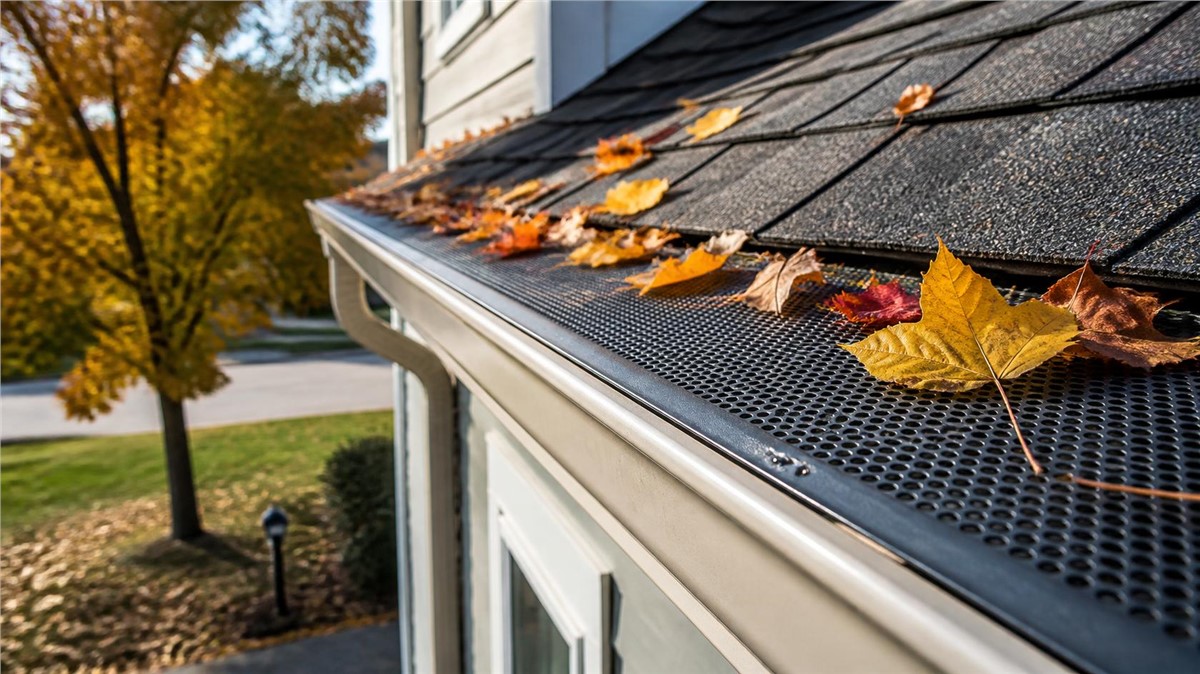
Gutters and downspouts. Technically a separate system but functionally integrated with the roof. Gutters collect water at the eave and direct it away from the foundation. A gutter system that is clogged, undersized, or failing causes water to back up against the fascia and soffit — and can contribute to ice dam formation in winter.
What Shortens a Roof's Life in Prairie Ridge
The rated lifespan on an asphalt shingle — typically 25 to 30 years for an architectural product — is a manufacturer's projection under controlled conditions. In practice, several factors common to Prairie Ridge and Kane County shorten that projection.
Inadequate attic ventilation. Heat trapped in an under-ventilated attic bakes shingles from below, accelerating the oxidation of the asphalt binder and causing premature brittleness and cracking. The same heat drives the ice dam cycle in winter. Inadequate ventilation is arguably the single most common cause of roofs failing well before their rated lifespan.
Ice dams. Ice dams form when heat escaping from the living space through the attic melts the base layer of snow on the roof. That meltwater runs down the slope until it reaches the cold eaves and refreezes, building a dam that traps subsequent meltwater. Backed-up water sits against and eventually under shingles, bypassing the primary weather surface and reaching the underlayment and decking. Ice dam damage is cumulative — a little infiltration each winter, season after season, until the decking is compromised.
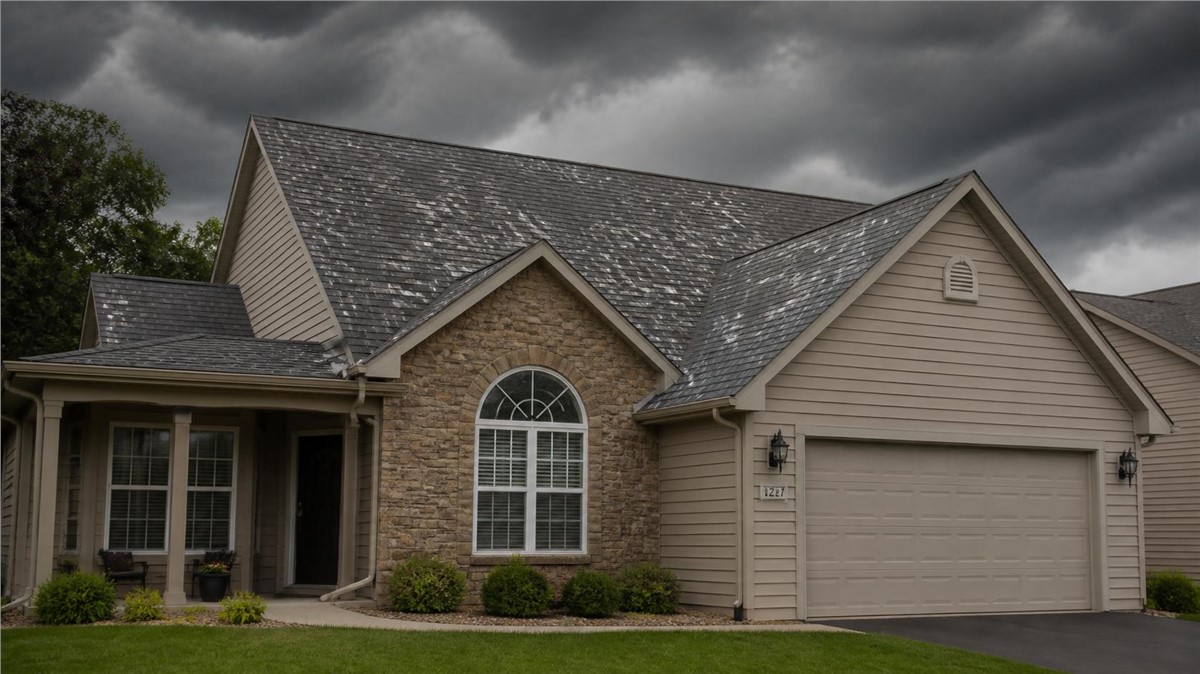
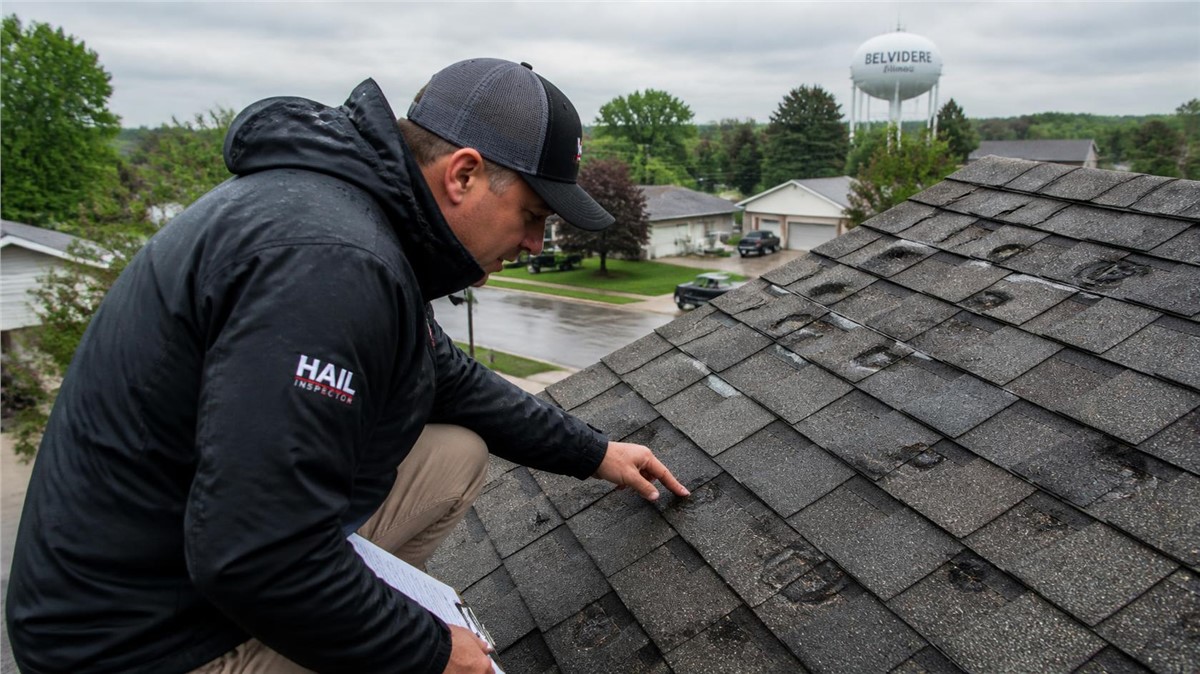
Hail. Northern Illinois sees regular hail activity, and Kane County properties are not exempt. Hail impact on asphalt shingles knocks off granules and bruises the mat beneath — damage that is largely invisible from the ground but shortens the remaining life of every affected shingle. A roof that has been through several significant hail events without inspection or remediation may be years closer to failure than its age alone would suggest.
Freeze-thaw cycling. The repeated transition from frozen to thawed conditions — which happens dozens of times each season in northern Illinois — stresses every joint, seam, and sealant in the roof assembly. Flashing sealant that cracks in a freeze cycle becomes a water entry point in the next thaw. Shingles that lift slightly in extreme cold may not reseat fully when temperatures moderate. The cumulative effect of dozens of freeze-thaw cycles over a winter is significant.
Poor installation. Shingles installed without adequate nail placement, without proper starter strips at the eaves, without adequate ice and water shield at vulnerable areas, or over an existing layer of deteriorated shingles without proper tear-off will underperform their rated lifespan regardless of product quality. Installation quality matters as much as product selection.
Deferred maintenance. A roof that goes years without inspection allows small problems to become large ones. A cracked flashing joint that could be resealed for minimal cost becomes a rotted decking section. A missing shingle that could be replaced immediately becomes a saturated wall cavity. The compounding nature of deferred maintenance is the most controllable factor in how long a roof lasts.
Warning Signs Prairie Ridge Homeowners Should Know
Some of these are observable from the ground. Others require a closer look. All of them are worth taking seriously.
From outside the home:
- Missing, cracked, curling, or cupped shingles anywhere on the roof surface
- Shingles that look noticeably darker or thinner than surrounding areas — a sign of granule loss
- Visible granules accumulating in gutters or at downspout outlets after rain
- Sagging or uneven roofline when viewed from the street
- Damaged, lifted, or missing flashing at chimneys, vents, or wall transitions
- Gutters pulling away from the fascia or showing hail denting
- Moss or algae growth across shingle surfaces
From inside the home:
- Water stains on ceilings or upper walls — particularly after rain or snowmelt events
- Daylight visible through the roof deck when viewed from the attic
- Wet or compressed insulation in the attic
- Musty or mildew odor in upper floors or attic spaces
- Frost or moisture on attic surfaces in winter — a sign of inadequate ventilation
Age-based awareness:
A roof between 15 and 20 years old in a northern Illinois climate deserves close attention regardless of visible symptoms. Many of the failure mechanisms described above — granule loss, brittle shingles, fatigued flashing sealant — are well underway before they produce observable exterior signs. An inspection at this age is not a luxury; it is practical risk management.
Repair vs. Replacement: How to Think About It
The repair-versus-replacement decision comes up for Prairie Ridge homeowners in one of two ways: as a planned decision based on age and condition, or as an emergency decision following a storm or sudden failure. The planned version almost always produces better outcomes — better contractor selection, better material choices, better timing relative to the season.
Repair is the right answer when:
- Damage is localized and clearly defined — a section of missing shingles, a failed flashing joint, a small area of damaged decking
- The rest of the roof is in sound condition with meaningful remaining life
- The roof is under 15 years old
- There is no systemic pattern of deterioration across multiple areas
Replacement is the right answer when:
- The roof is 20 or more years old and showing widespread granule loss, brittleness, or curling
- Repairs have been made repeatedly and new problems keep emerging in adjacent areas
- Hail or storm damage is widespread enough that repair is not a practical scope
- The decking has sustained moisture damage in multiple areas
- An insurance claim has been filed and the adjuster's assessment supports replacement
The question worth asking a contractor explicitly is not "can this be repaired?" — almost anything can be repaired. The better question is "what is the most cost-effective path over the next five to ten years?" A contractor who answers that question honestly, including when replacement is the smarter long-term investment, is one worth working with.
Choosing a Roofing Contractor in Prairie Ridge
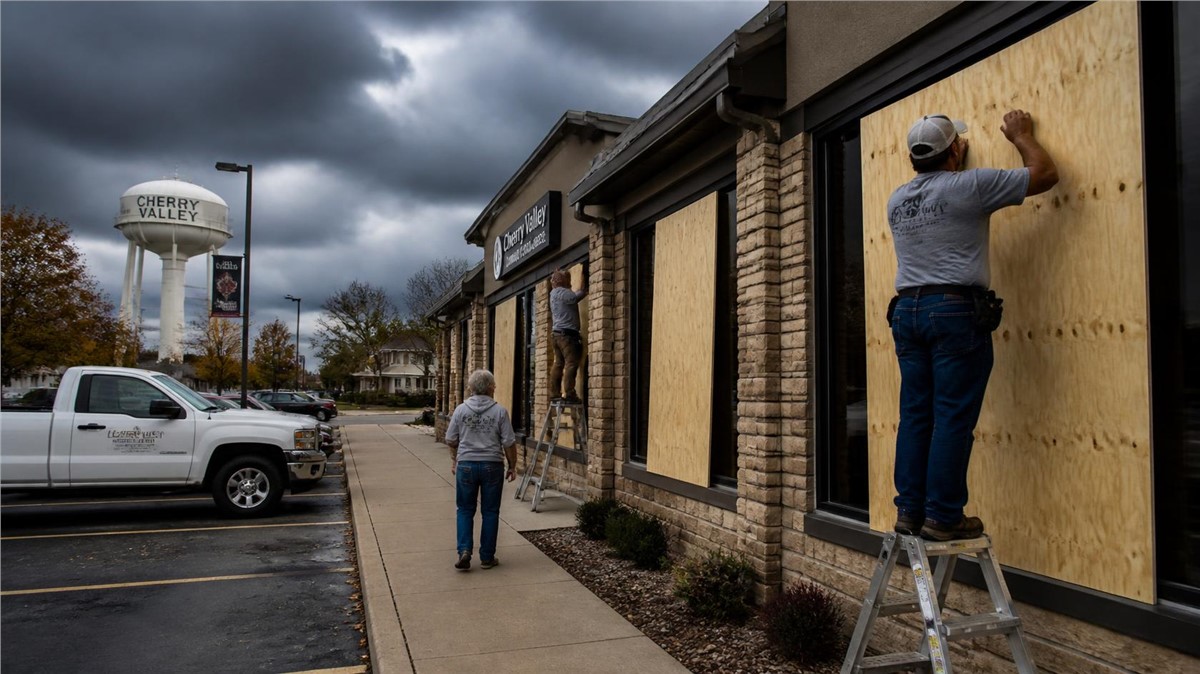
Kane County has no shortage of roofing contractors, and the range of quality, experience, and accountability is wide. After any significant storm, that range expands further as out-of-area operations move into the market.
When evaluating contractors for a residential roofing project in Prairie Ridge, look for:
Local presence and verifiable references. A contractor with an established business in Illinois, verifiable local references, and a physical address you can confirm is accountable in ways that a transient operation is not.
Licensing and insurance. Illinois requires roofing contractors to carry appropriate liability insurance and, in many municipalities, to pull permits for roofing work. A contractor who resists pulling a permit or cannot provide proof of insurance is a contractor to avoid.
A written, itemized estimate. A legitimate roofing estimate specifies the materials being used — manufacturer, product line, shingle weight, and warranty terms — alongside the scope of work. A vague estimate with a single number and no material specification is not a basis for a legitimate contract.
Manufacturer certification. Roofing manufacturers offer certification programs for contractors who meet training and quality standards. Certified contractors can offer enhanced warranty coverage that uncertified installers cannot. For a significant investment like a full roof replacement, manufacturer warranty coverage is worth pursuing.
Storm damage documentation experience. If your project involves an insurance claim, a contractor who understands what adjusters need — written inspection reports, documented damage photography, material specifications — and can support that process is more valuable than one who simply does the physical work.
Huskie Exteriors serves homeowners and commercial property owners across Illinois and Wisconsin, handling roofing, siding, windows, gutters, and storm damage restoration. For Prairie Ridge homeowners, the team brings the local knowledge, material expertise, and documentation experience to manage a roofing project from initial inspection through final completion — including insurance claim support when storm damage is involved.
The Roof Above Everything Else
Every other investment you make in your home — the updated kitchen, the finished basement, the new HVAC system — depends on the roof above it being sound. Water does not discriminate between a renovated space and an unrenovated one. It finds the path of least resistance and follows it, and the damage it causes is indifferent to what was recently upgraded below.
Prairie Ridge homeowners who stay ahead of their roof — inspecting it regularly, acting on identified repairs promptly, and making replacement decisions based on honest assessments rather than hope — protect not just the roof itself but everything the roof covers.
Contact Huskie Exteriors for professional roofing, siding, window, gutter, and storm damage services in Illinois and Wisconsin. If your Prairie Ridge home is due for an inspection, or if you have concerns about your current roof's condition, our team is ready to take a look and give you a straight answer about where things stand.
Subscribe to Huskie Exteriors's Blog





Comments