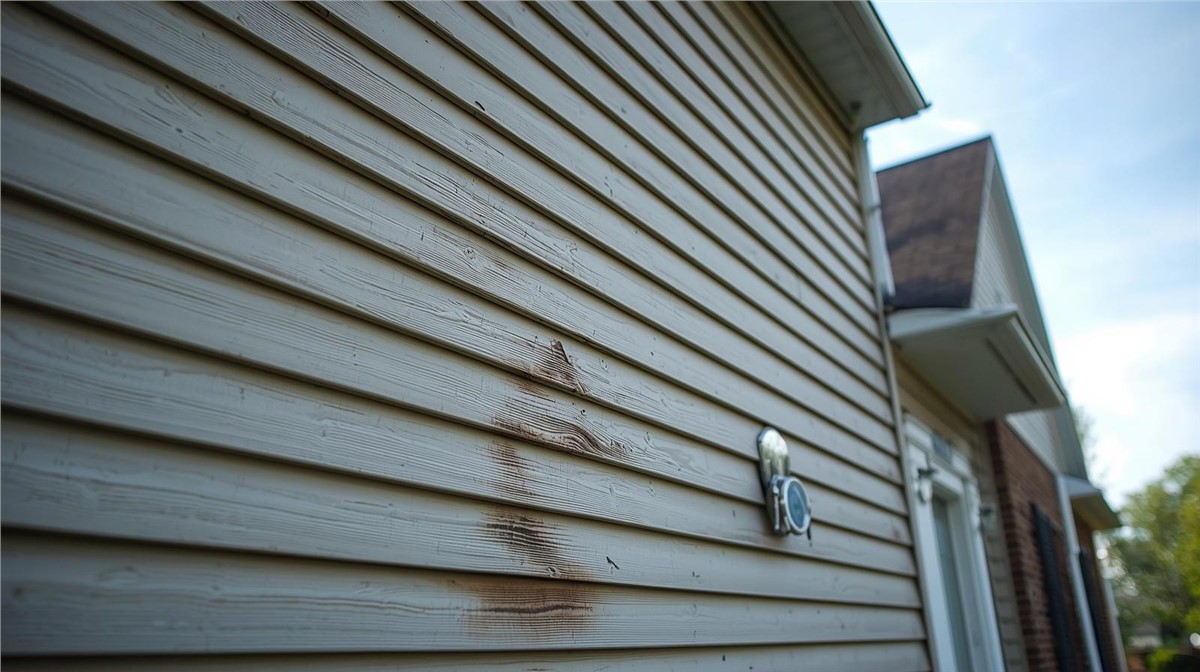
Your siding does more than make your home look good — it protects the structure beneath it from moisture, wind, and temperature extremes. If your Crystal Lake home has siding that's cracking, warping, fading severely, or allowing drafts and water inside, it may be past the point of repair. This guide walks you through the warning signs, what causes siding to fail in the Midwest, and how to decide when replacement is the right move.
Why Siding Matters More Than Most Homeowners Realize
Most people think about siding when it looks bad. The paint is peeling. A panel got cracked by a wayward branch. The color has faded to something unrecognizable from the original. But the cosmetic problems are really just the surface layer of a deeper issue.
Siding is your home's primary weather barrier. It keeps rain, wind, and cold air from reaching the sheathing, insulation, and framing underneath. When it starts to fail — even in ways that aren't immediately visible — moisture gets in, insulation loses effectiveness, and wood framing begins to absorb water it was never meant to handle.
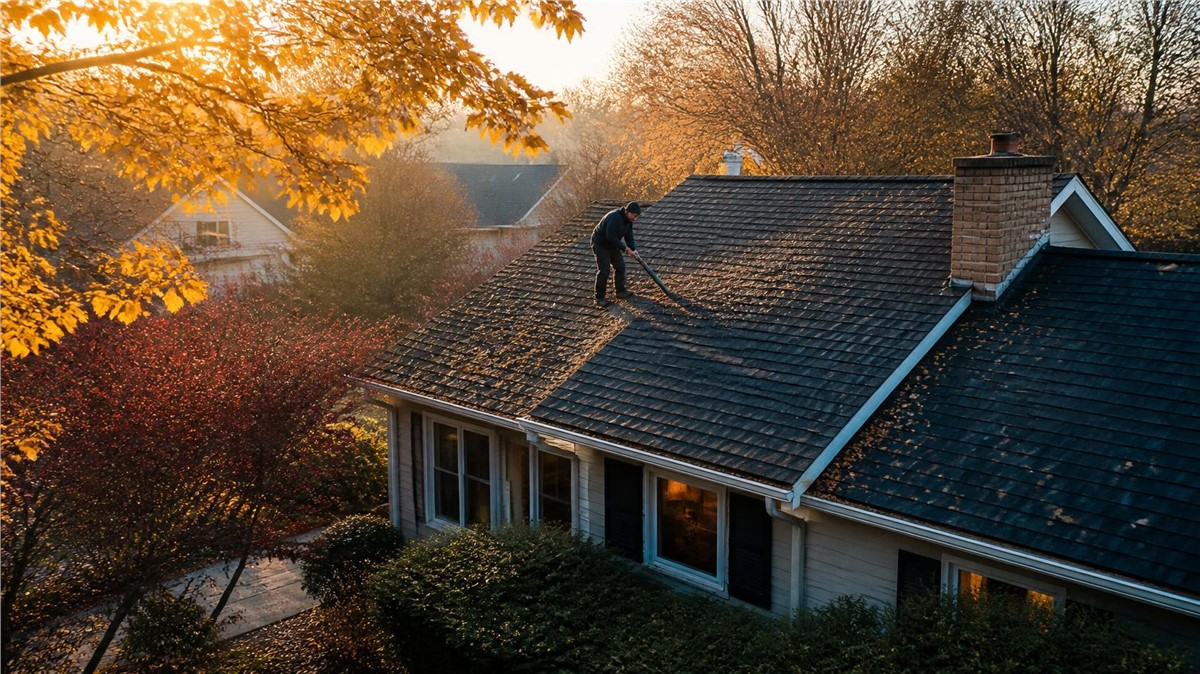
In Crystal Lake, IL, that process is accelerated by a climate that puts siding through genuine stress. McHenry County winters bring ice, snow, and freeze-thaw cycling that work at every joint and seam. Spring brings heavy rain and wind. Summer sun bakes exterior surfaces for months. By the time a siding problem is obvious from the street, it has usually been developing for a long time.
The Warning Signs That Your Siding Needs to Be Replaced
Some of these signs are visible on a walk around your property. Others show up inside your home first. Either way, they are worth taking seriously.
Cracking, Chipping, or Breaking Panels
Individual cracked panels can sometimes be replaced in isolation, but widespread cracking across multiple sections is a sign that the material itself has reached the end of its service life. Vinyl siding becomes brittle with age and UV exposure, making it more susceptible to cracking during cold snaps when the material contracts sharply.
Warping, Buckling, or Bulging
Siding that bows outward or buckles along its length is often reacting to moisture trapped behind it. This is a particularly important warning sign because it suggests the problem has already moved past the siding surface and may involve the sheathing or housewrap beneath.
Rot or Soft Spots
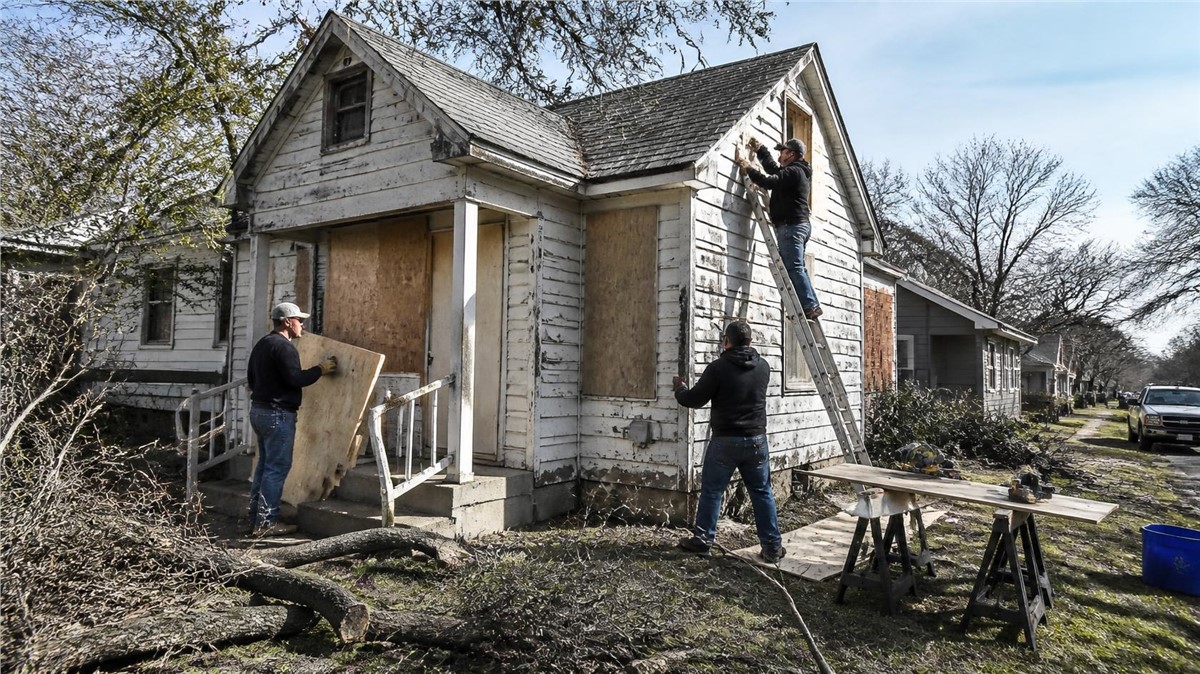
Wood and fiber cement siding can develop rot when moisture infiltrates repeatedly over time. Press firmly against suspicious areas — soft or spongy spots beneath the surface mean the material has absorbed enough water to begin breaking down structurally.
Peeling Paint or Frequent Need for Repainting
If your painted siding requires a fresh coat every two to three years just to maintain a reasonable appearance, that's not a maintenance schedule — that's a symptom. Siding that holds paint properly should last seven to ten years between repaints under normal conditions. Rapid peeling or bubbling usually means moisture is getting behind the paint from the exterior side.
High Heating and Cooling Bills
Siding that has lost its integrity allows outside air to infiltrate your wall system, undermining your insulation. If you've noticed a gradual rise in energy costs without a clear explanation — especially in a Crystal Lake home that faces the full force of northern Illinois winters — deteriorating siding may be part of the problem.
Visible Gaps, Loose Panels, or Failed Seams
Over time, caulking dries out, panels shift, and the seams between sections open up. These gaps are direct entry points for water, insects, and cold air. In severe winters, even a small gap in the wall system can allow enough cold air infiltration to affect interior comfort noticeably.
Interior Signs to Watch For
- Water stains or soft drywall on interior walls, particularly after heavy rain
- Mold or mildew smell in rooms along exterior walls
- Wallpaper peeling near exterior walls
- Drafts felt near outlets or switches on outside-facing walls
These interior signals often appear before exterior damage becomes obvious. If you're experiencing any of them without a clear cause, have your exterior siding inspected before assuming the problem is something else.
How Midwest Weather Wears Down Siding in Crystal Lake
Crystal Lake's location in McHenry County puts it in a part of Illinois that sees genuine four-season weather stress — and siding bears the brunt of all of it.
Freeze-thaw cycling is one of the most destructive forces on exterior cladding in the Midwest. Water seeps into microscopic gaps during a wet fall or winter thaw, then expands when temperatures drop below freezing. This cycle repeats dozens of times each season, gradually enlarging every crack and compromising every caulked joint.
Hailstorms are a regular occurrence in northern Illinois, particularly during spring and early summer. Even moderate hail can dent aluminum siding, crack vinyl, or chip the surface of fiber cement panels — damage that may not look serious immediately but compromises the material's weather resistance over time.
High winds from storm systems crossing the open terrain of northern Illinois can lift siding panels at the edges, break the locking channels that hold them in place, and create gaps that water immediately exploits.
Summer heat and UV exposure cause vinyl siding to expand, fade, and eventually become brittle. Darker colors absorb more heat and tend to show UV degradation faster than lighter tones.
Commercial properties in the Crystal Lake area face the same weather exposure but often have larger surface areas, more complex wall configurations, and materials like metal panel or EIFS (exterior insulation and finish systems) that have their own specific failure patterns worth monitoring.
Repair or Replace? How to Think Through the Decision
Not every siding problem requires a full replacement. Here is a general framework for thinking it through:
A repair is likely sufficient when:
- Damage is limited to one or two isolated panels
- The rest of the siding is in sound condition — no widespread fading, cracking, or brittleness
- The siding is less than 15 years old
- There is no evidence of moisture infiltration behind the affected sections
Replacement is the stronger choice when:
- Damage is widespread across multiple elevation
- The siding is 20 or more years old and showing consistent age-related deterioration
- There is evidence of moisture damage to the sheathing or framing beneath
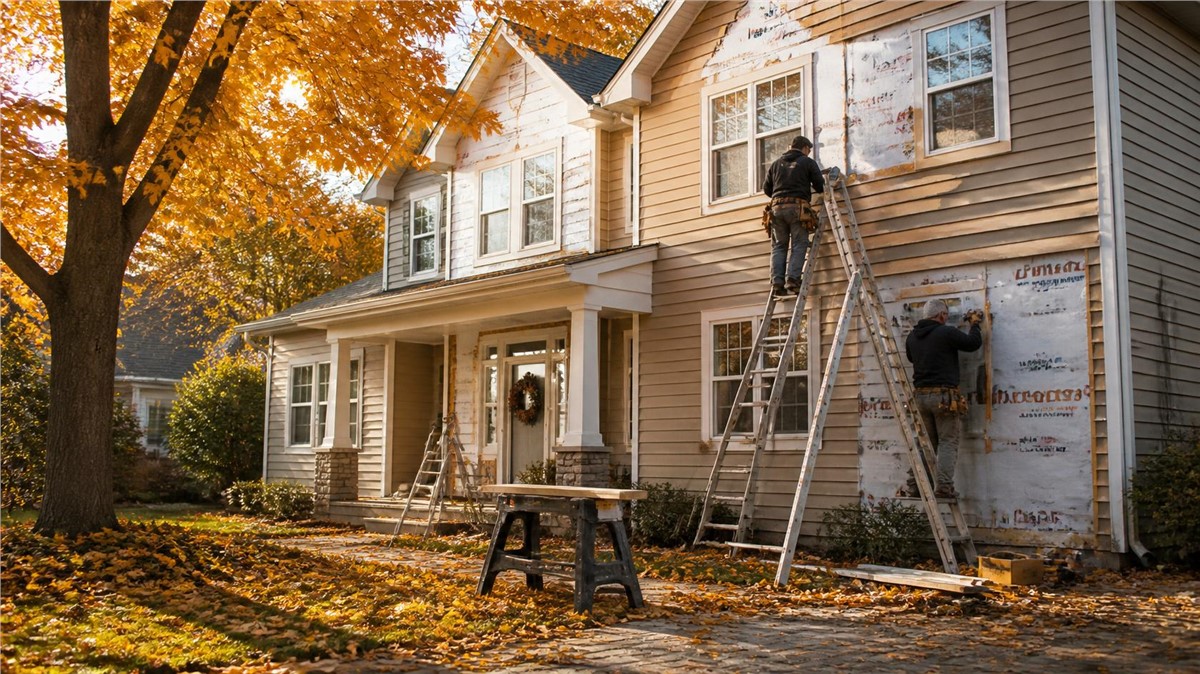
- You are already planning other exterior work — combining siding replacement with window, roofing, or gutter projects is often more cost-effective and produces better results
One thing worth knowing: matching replacement panels to existing siding is often more difficult than homeowners expect. Manufacturers discontinue profiles and colors regularly, and even when a close match is available, weathered original panels rarely blend seamlessly with new ones. For larger damaged areas, full replacement frequently makes more visual and practical sense than partial patching.
Choosing the Right Siding Material for a Northern Illinois Home
If you are moving toward replacement, material selection matters. The most common options for Crystal Lake homeowners each have real trade-offs:
Vinyl siding is the most widely installed option in northern Illinois. It is low maintenance, available in a wide range of profiles and colors, and performs well through freeze-thaw cycling when properly installed. Thicker panels — look for .044 inches or greater — hold up better in hail-prone areas than thinner builder-grade material.
Fiber cement siding offers superior impact resistance and a more dimensional appearance that can resemble wood without the maintenance demands. It performs very well in the Midwest climate and holds paint significantly longer than wood. The trade-off is higher material and labor cost and the need for proper moisture management during installation.
Engineered wood strikes a middle ground — it looks more like natural wood than vinyl, costs less than fiber cement, and handles Midwest weather reasonably well when properly sealed and maintained.
Metal panel siding is increasingly common on both residential and commercial properties, particularly for contemporary-style projects. It is highly durable and resistant to rot, insects, and impact, though thermal expansion requires careful detailing in extreme climates like northern Illinois.
Why Working With a Local Exterior Contractor in Crystal Lake Matters
A siding replacement is a significant investment, and the quality of the installation matters as much as the quality of the material. Improperly installed siding — regardless of the product — will fail faster, allow moisture infiltration, and void manufacturer warranties.
A local contractor with experience in Crystal Lake and the broader McHenry County area understands the specific installation requirements for a Midwest climate: proper overlap at seams to account for thermal expansion, correct flashing at windows and doors, and appropriate ventilation details that prevent moisture from being trapped in the wall system.
They are also accountable to a local reputation in a way that out-of-area contractors are not. If a question arises months after the job is done, a local contractor is reachable and invested in making it right.
Huskie Exteriors serves homeowners and commercial property owners across Illinois and Wisconsin, handling roofing, siding, windows, gutters, and storm damage restoration. The team approaches siding projects as part of a complete exterior system — meaning window and trim integration, flashing details, and drainage all get the attention they deserve alongside the cladding itself.
Protecting Your Crystal Lake Home Starts on the Outside
Your siding is working every day — through sub-zero wind chills, spring thunderstorms, summer heat, and fall freeze-thaw cycles. When it starts to show the signs described above, the cost of waiting almost always exceeds the cost of acting.
A professional exterior inspection is a low-commitment first step. It gives you an accurate picture of what your siding is doing right, where it's failing, and what your options are — with no obligation to make a decision on the spot.
Contact Huskie Exteriors for professional roofing, siding, window, gutter, and storm damage services in Illinois and Wisconsin. Our team is ready to assess your Crystal Lake property and walk you through your options — honest answers, no pressure.
Subscribe to Huskie Exteriors's Blog




Comments