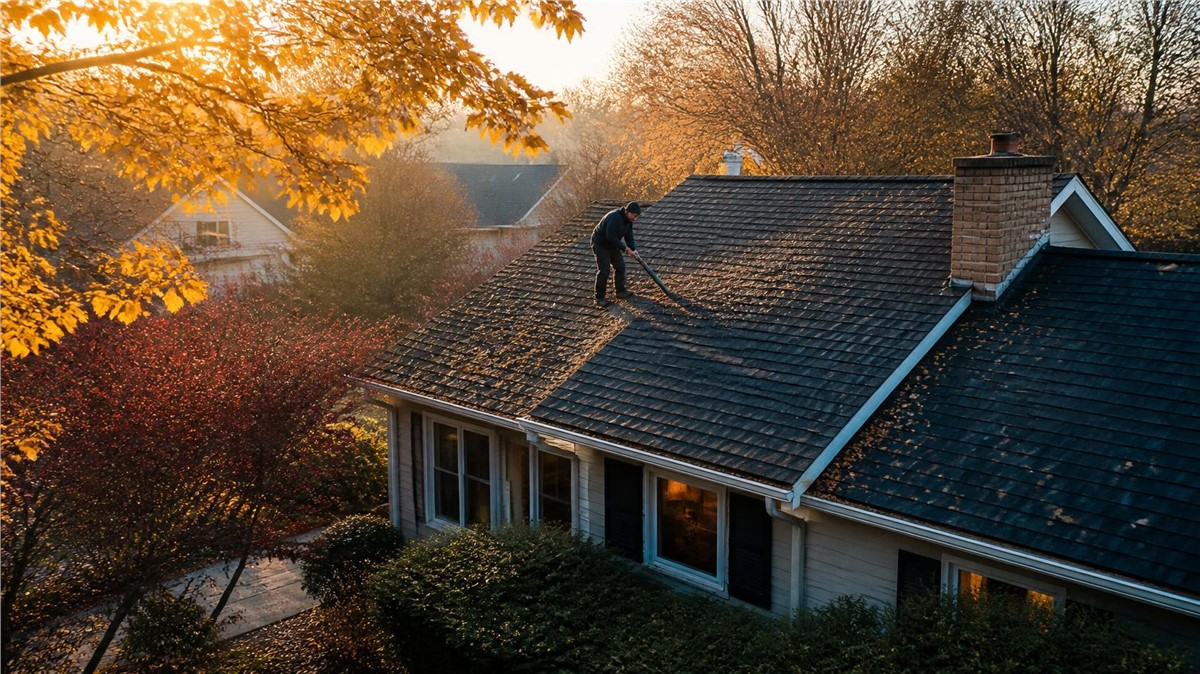
Fall is one of the best times to inspect your roof before winter weather arrives. Once snow, ice, and freezing temperatures begin, small roof problems can become harder to see and more difficult to repair. A loose shingle, clogged gutter, damaged flashing detail, or attic moisture issue can turn into a larger problem during winter storms.
For homeowners in Prairie Ridge, IL, fall roof maintenance is especially important because northern Illinois winters can bring snow, ice, wind, and repeated freeze-thaw cycles. Preparing the roof before winter helps protect the home’s shingles, roof edges, gutters, siding, attic, and interior spaces.
This guide explains what homeowners should check before snow and ice arrive.
Start with a Safe Ground-Level Inspection
Homeowners should avoid climbing onto the roof. Wet leaves, steep slopes, loose shingles, and cold-weather conditions can make roof access dangerous.
From the ground, look for:
- Missing shingles
- Lifted shingles
- Curling shingle edges
- Damaged ridge caps
- Branches or debris on the roof
- Granules near downspouts
- Sagging gutters
- Loose downspouts
If anything looks damaged or uneven, schedule a professional inspection before winter.
Check Shingles Before Freezing Weather
Shingles protect the roof from rain, snow, wind, and ice. If shingles are already loose or damaged in fall, winter weather can make the problem worse.
Watch for:
- Cracked shingles
- Missing shingles
- Exposed nail heads
- Loose tabs
- Heavy granule loss
- Worn roof areas
- Shingle pieces in the yard
Damaged shingles should be inspected before snow covers the roof and hides problem areas.
Inspect Roof Flashing
Flashing protects vulnerable roof areas where leaks often begin. Fall is a good time to check flashing before snow and ice sit against these transitions.
Important areas include:
- Chimneys
- Skylights
- Roof vents
- Pipe boots
- Dormers
- Wall transitions
- Roof valleys
Loose flashing, cracked sealant, rust, gaps, or damaged pipe boots should be reviewed before winter moisture enters the roof system.
Clean Gutters and Downspouts
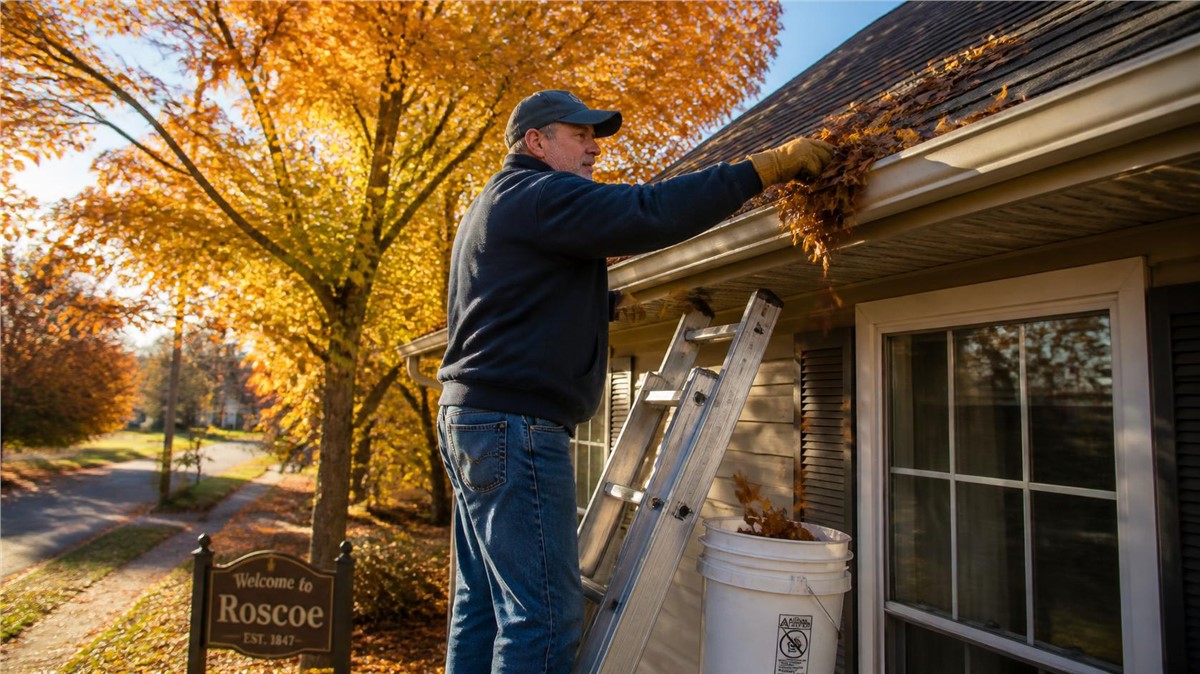
Gutters are a major part of fall roof maintenance. If gutters are clogged with leaves, twigs, or roof debris, water may overflow, freeze, or back up near the roof edge.
Check for:
- Leaves and debris
- Blocked downspouts
- Sagging sections
- Loose hangers
- Leaking seams
- Water behind gutters
- Downspouts draining too close to the home
Clean, secure gutters help move water away from the roof, siding, fascia, soffit, foundation, and basement areas.
Watch for Ice Buildup Risks
Ice buildup can happen when water cannot drain properly or when warm attic air contributes to snow melting and refreezing near the roof edge.
Possible warning signs include:
- Past ice buildup near eaves
- Icicles forming along gutters
- Water stains near exterior walls
- Wet attic insulation
- Poor attic ventilation
- Clogged gutters
- Heat loss into the attic
Ice-related roof problems may involve roofing, gutters, insulation, ventilation, and drainage.
Check Roof Valleys
Roof valleys carry large amounts of water from different roof sections. If leaves and debris collect in valleys, water may slow down or back up.
Look for:
- Leaves in valleys
- Branches on the roof
- Debris near chimneys
- Worn shingles in valley areas
- Stains below valley sections
- Uneven roof surfaces
Debris in valleys should be removed safely by a professional if roof access is required.
Review Fascia and Soffit
Fascia and soffit areas sit near the roof edge and often show early signs of gutter or roof drainage problems.
Check for:
- Peeling paint
- Soft fascia
- Water stains
- Loose soffit panels
- Gaps near gutters
- Pest entry points
- Sagging gutter attachments
If fascia or soffit is damaged, the gutter and roof edge should also be inspected.
Check the Attic If Safe
The attic can reveal roof problems before they become visible in living areas. Only check the attic if it is safe and accessible.
Look for:
- Wet insulation
- Dark roof decking
- Rusted nails
- Water trails
- Musty odors
- Damp rafters
- Daylight through roof gaps
Attic moisture should be inspected before winter because trapped moisture can lead to larger concerns.
Look for Interior Warning Signs
Roof problems may appear indoors after fall rain or early snowmelt.
Interior signs include:
- Ceiling stains
- Damp drywall
- Bubbling paint
- Musty smells
- Water near light fixtures
- Moisture near exterior walls
- Stains around chimneys or vents
If water appears near electrical fixtures, avoid touching the area and contact a professional.
Trim Branches Near the Roof
Tree branches can scrape shingles, drop leaves into gutters, and break during snow or wind. Fall is a good time to reduce roof debris before winter.
Check for:
- Branches touching the roof
- Leaves collecting in valleys
- Overhanging limbs
- Debris near gutters
- Moss or algae in shaded areas
Keeping trees trimmed can help reduce roof and gutter problems.
Repair vs Replacement
Some fall roof concerns can be repaired if the damage is limited.
Repair may make sense if:
- A few shingles are damaged
- One flashing area needs attention
- Gutters need minor repair
- One pipe boot is worn
- No hidden moisture is present
Replacement may be better if:
- Shingle wear is widespread
- Leaks keep returning
- The roof is aging
- Several areas are damaged
- Repairs no longer last
- Moisture has reached decking or insulation
A professional inspection can help homeowners choose the right option before winter.
Why a Full Exterior Inspection Helps
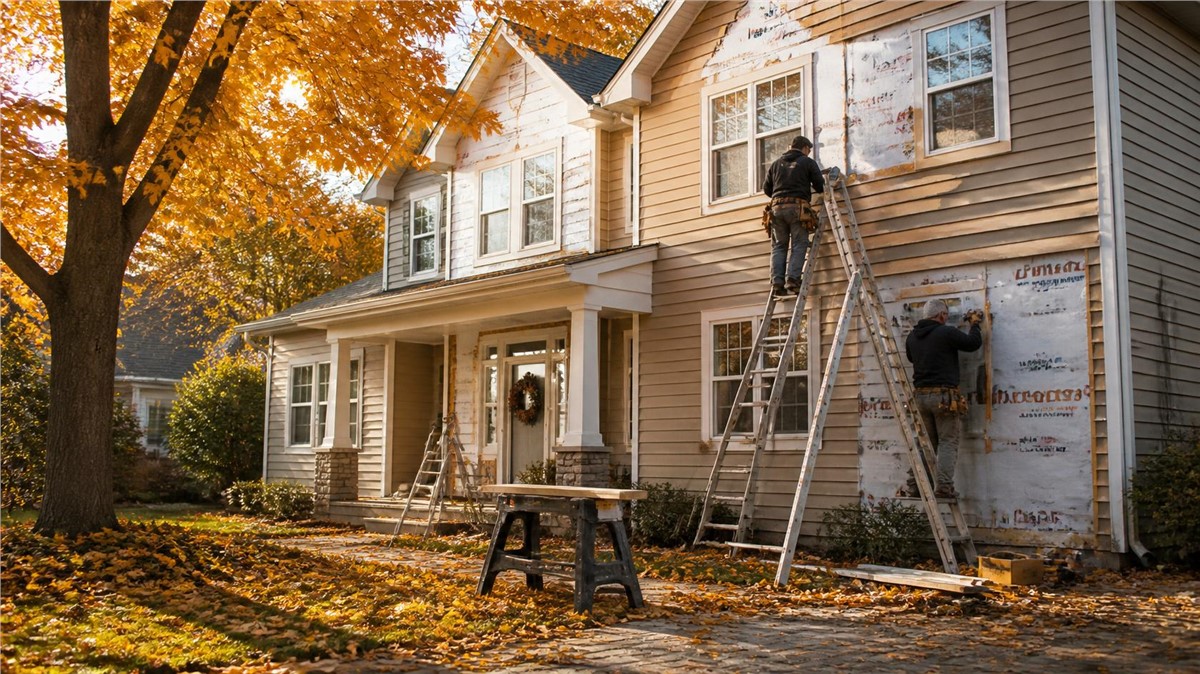
Roof problems are often connected to gutters, siding, flashing, fascia, soffit, attic ventilation, windows, and drainage. A roof leak may be caused by damaged flashing. A siding stain may come from gutter overflow. Ice buildup may involve attic ventilation and roof edge drainage.
Huskie Exteriors provides roofing, siding, window, gutter, and storm damage restoration services, helping homeowners prepare the full exterior before snow and ice arrive.
Conclusion
Fall roof maintenance in Prairie Ridge, IL helps homeowners prepare for snow, ice, wind, freezing temperatures, and freeze-thaw weather. Checking shingles, flashing, gutters, roof valleys, fascia, soffit, attic moisture, and drainage areas before winter can help reduce leaks and prevent small problems from becoming larger repairs.
If your home has missing shingles, damaged flashing, clogged gutters, attic moisture, roof stains, loose downspouts, or winter preparation concerns, Huskie Exteriors can inspect your home and recommend the right next step.
Contact Huskie Exteriors for professional roofing, siding, window, gutter, and storm damage services in Illinois and Wisconsin.
Subscribe to Huskie Exteriors's Blog





Comments