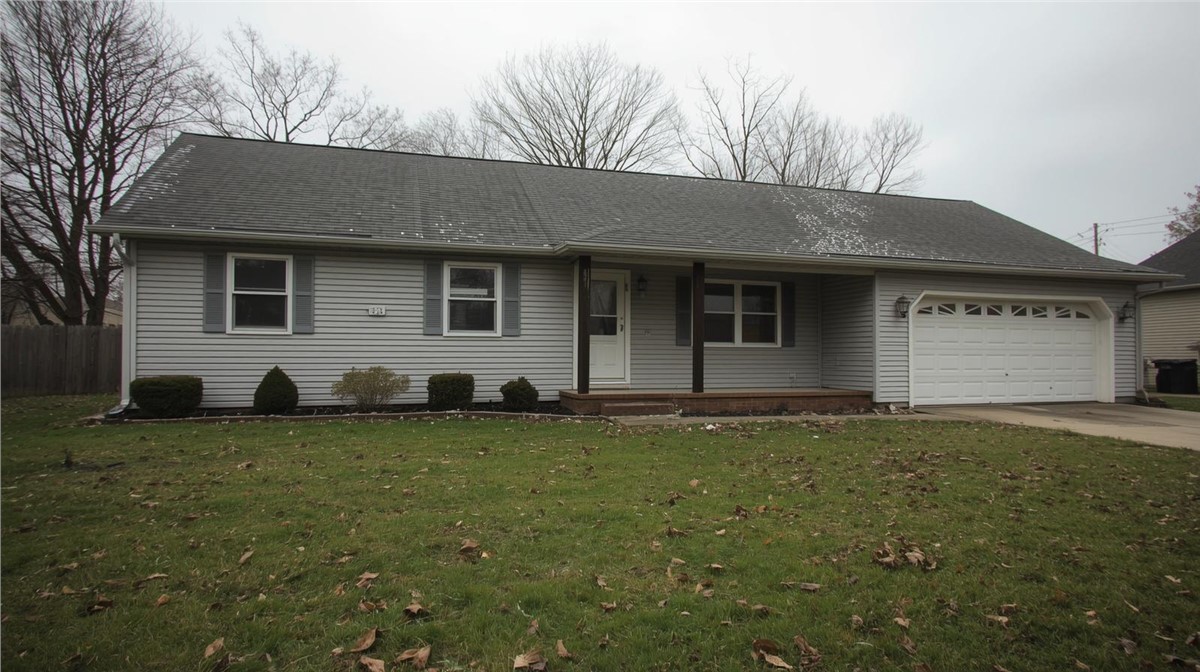
Hailstorms can be stressful for homeowners. One storm can leave behind dented gutters, cracked siding, damaged shingles, torn window screens, broken trim, and hidden roof concerns.
For homeowners in Orangeville, IL, it is important to know what to do after hail hits your home. Some damage is easy to spot from the ground, but other issues may require a professional inspection. Hail damage may not cause an immediate leak, but it can weaken exterior materials and lead to future water problems.
Taking the right steps after a hailstorm can help protect your home and prevent small damage from becoming a larger repair.
Step 1: Start With Safety
Before checking for damage, make sure the area around your home is safe. Do not climb onto the roof or use ladders after a storm, especially if surfaces are wet, icy, or covered with debris.
Watch for:
- Fallen branches
- Broken glass
- Loose siding pieces
- Hanging gutters
- Shingles on the ground
- Damaged outdoor lights
- Debris near walkways
- Water near electrical areas
Keep children, pets, and visitors away from unsafe areas until the exterior can be inspected.
Step 2: Check for Active Leaks
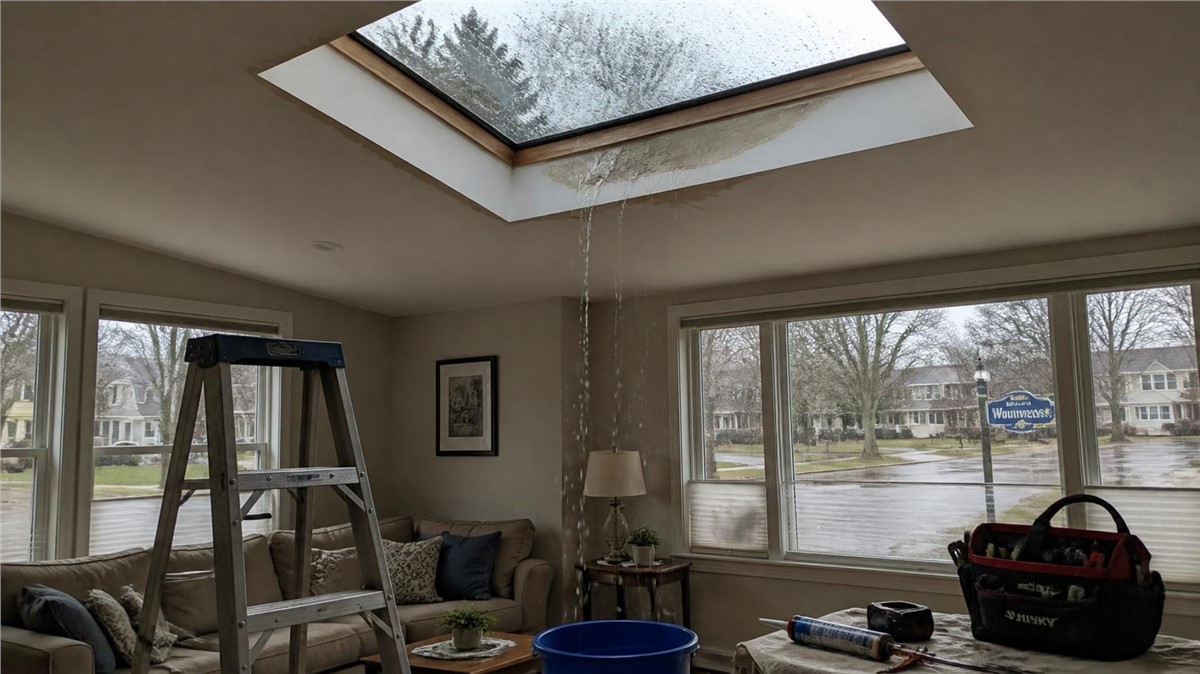
After hail, check inside your home for signs of water intrusion. A leak may appear right away during the storm or later during the next heavy rain.
Interior warning signs include:
- Ceiling stains
- Active dripping
- Damp attic insulation
- Musty odors
- Bubbling paint
- Peeling drywall
- Water near windows
- Moisture around vents or chimneys
Even a small water stain should be taken seriously. Water can travel through attic spaces and wall cavities before it becomes visible indoors.
Step 3: Document Visible Damage
Documentation helps you keep track of what happened after the storm. You do not need to climb onto the roof to take photos.
From the ground, document:
- Dented gutters
- Dented downspouts
- Cracked siding
- Torn window screens
- Shingles in the yard
- Broken trim
- Damaged outdoor fixtures
- Water stains indoors
- Debris around the property
Also note the date of the hailstorm and any areas where you noticed damage or leaks.
Step 4: Look at the Gutters and Downspouts
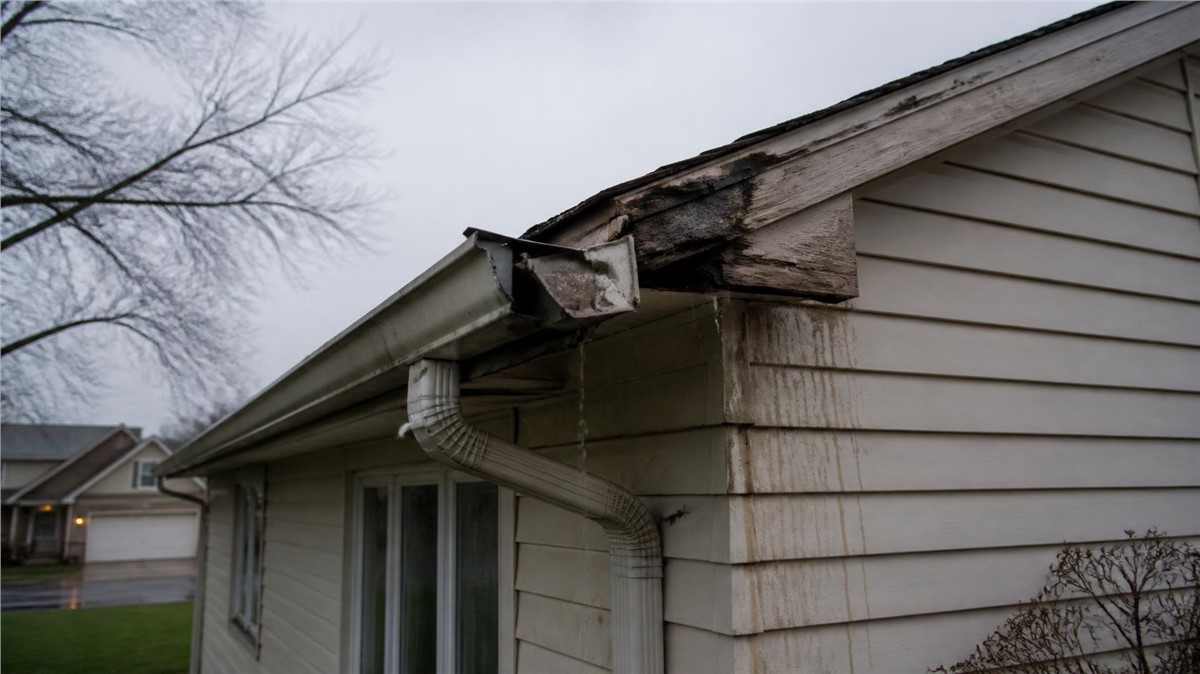
Gutters often show hail damage clearly. Dents in gutters or downspouts can be a sign that other exterior materials may have been hit too.
Check for:
- Dented gutter sections
- Loose downspouts
- Gutters pulling away from fascia
- Leaking seams
- Granules near downspouts
- Overflow during rain
- Water pooling near the foundation
Gutters are important because they move water away from the roof, siding, landscaping, and foundation. If they are damaged, water problems can develop quickly.
Step 5: Check Siding, Windows, and Trim
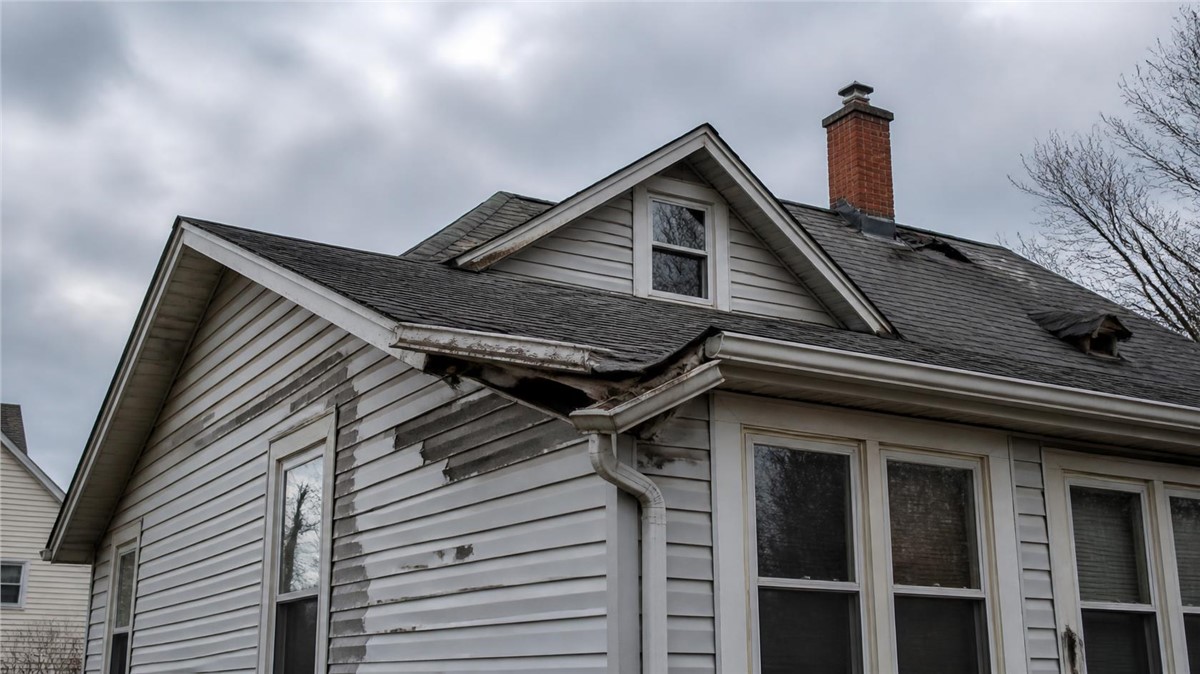
Hail can crack siding, dent trim, tear screens, and damage window areas. Even small cracks can allow moisture behind the exterior wall system.
Look for:
- Cracked siding panels
- Holes or punctures
- Loose siding sections
- Dented trim
- Torn window screens
- Cracked glass
- Failed caulking
- Water stains below windows
- Soft trim around openings
A leak near a window may involve siding, flashing, gutters, roof edges, or trim, not only the window itself.
Step 6: Schedule a Professional Roof Inspection
Roof damage from hail can be difficult to see from the ground. A roof may look normal but still have bruised shingles, granule loss, damaged ridge caps, or dented vents.
A professional inspection may include:
- Shingle condition
- Hail impact marks
- Granule loss
- Damaged ridge caps
- Roof vents
- Flashing
- Gutters and downspouts
- Siding and trim
- Windows and screens
- Attic moisture signs
A full exterior inspection is important because hail rarely damages only one part of the home.
What Hail Can Do to Roofing
Hail can weaken roofing materials even if there is no immediate leak. Damage may depend on hail size, wind direction, roof age, shingle type, and storm intensity.
Hail may cause:
- Bruised shingles
- Cracked shingles
- Granule loss
- Dented vents
- Damaged flashing
- Loose ridge caps
- Weakened roof areas
If hail damage is ignored, future heavy rain, wind, snow, ice, and freeze-thaw cycles can make the problem worse.
What Hail Can Do to Siding
Siding damage may be easier to see than roof damage, but some cracks can still be subtle.
Hail may cause:
- Cracks in vinyl siding
- Holes or punctures
- Dents in metal siding or trim
- Chipped edges
- Loose panels
- Broken corner pieces
- Moisture entry points
If siding is older, brittle, or already worn, hail impact may cause more serious damage.
Repair vs Replacement After Hail
Not every hail-damaged area needs full replacement. The right solution depends on how widespread the damage is and whether moisture has entered the home.
Repair may be enough if:
- Damage is isolated
- Only a few shingles are affected
- A few siding panels are cracked
- One gutter section is dented
- Trim damage is minor
- No leaks or moisture damage are found
Replacement may be better if:
- Roof damage affects multiple slopes
- Siding damage is widespread
- Gutters are damaged throughout the system
- Materials are aging or brittle
- Leaks are present
- Repairs would only be temporary
- Matching siding or roofing materials are not available
A professional inspection can help homeowners make the most practical decision.
Why Timing Matters After Hail
Hail damage should be inspected early because small damage can become worse over time. A bruised shingle may not leak right away, but it can lose protection. A cracked siding panel may seem small, but wind-driven rain can push moisture behind it.
In Orangeville, IL, future storms, winter snow, ice, and freeze-thaw cycles can expand small openings and increase water intrusion risks.
Why a Full Exterior Inspection Matters
After hail, homeowners should think beyond the roof. A strong storm can damage roofing, gutters, siding, windows, trim, fascia, soffit, and drainage areas during the same event.
A full inspection may include:
- Roofing
- Siding
- Gutters and downspouts
- Windows and screens
- Fascia and soffit
- Flashing
- Exterior trim
- Attic areas
- Interior moisture signs
- Foundation drainage
Huskie Exteriors provides roofing, siding, window, gutter, and storm damage restoration services, helping homeowners evaluate the full exterior system after severe weather.
Why Local Exterior Experience Matters
A local contractor understands how northern Illinois weather affects homes. In Orangeville, hail damage may be followed by heavy rain, strong wind, snow, ice, and freeze-thaw cycles that can worsen small problems.
Local experience helps homeowners identify hidden damage, prioritize urgent repairs, and understand whether repair or replacement is the better next step.
Conclusion
After hail hits your home in Orangeville, IL, start with safety, check for leaks, document visible damage, and schedule a professional inspection. Hail can damage roofing, siding, gutters, windows, trim, and other exterior areas, even when the damage is not obvious from the ground.
If your home has dented gutters, cracked siding, missing shingles, torn screens, leaks, or signs of storm damage, Huskie Exteriors can inspect your property and recommend the right next step.
Contact Huskie Exteriors for professional roofing, siding, window, gutter, and storm damage services in Illinois and Wisconsin.
Subscribe to Huskie Exteriors's Blog






Comments