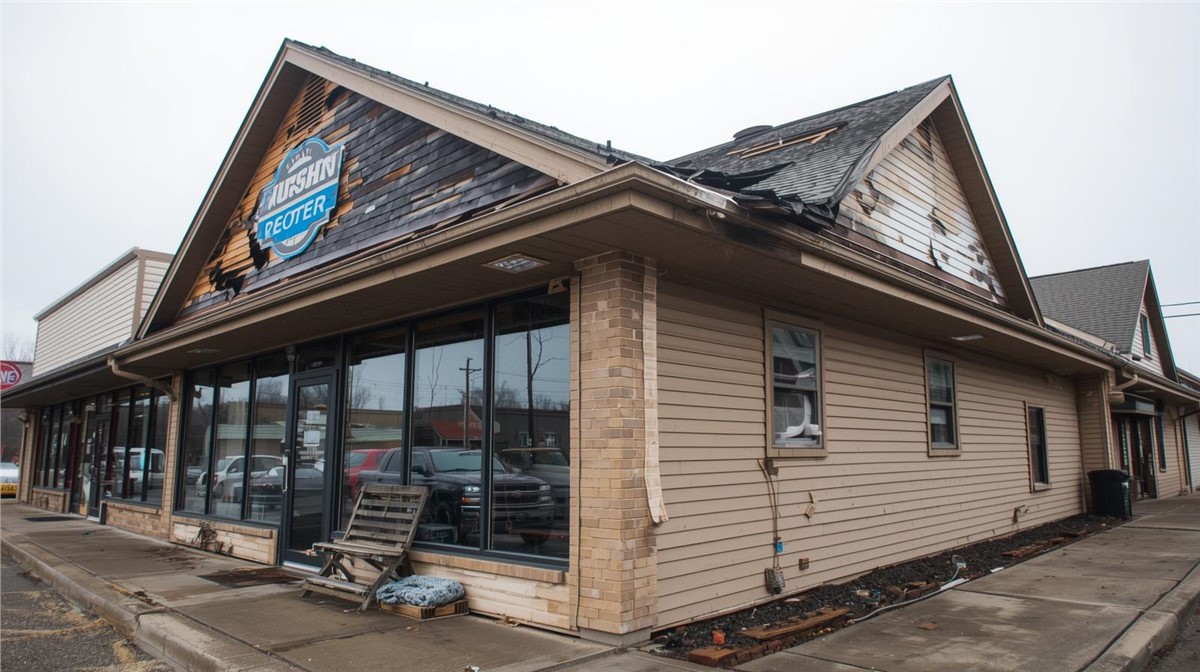
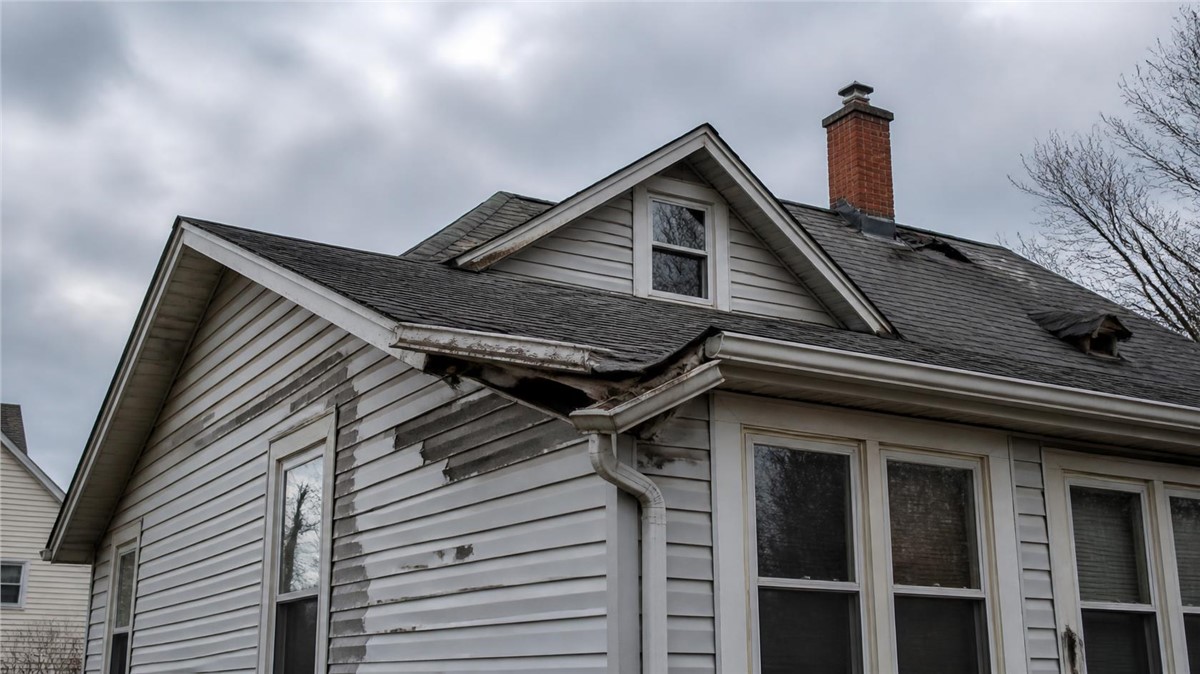
Severe weather can create sudden exterior damage on commercial facilities, office buildings, warehouses, retail spaces, and multi-use properties. Some damage is obvious, such as loose siding, dented gutters, or broken windows. Other issues, like roof membrane damage, flashing problems, hidden leaks, or moisture behind exterior walls, may not be visible right away.
For facility owners and managers in Schaumburg, IL, exterior repairs should be prioritized carefully after a storm. Addressing the most urgent issues first can help protect tenants, employees, customers, equipment, inventory, and daily operations.
A full exterior inspection helps identify what needs immediate attention and what can be scheduled as part of a larger repair plan.
Why Facility Exterior Repairs Matter
A facility’s exterior protects the building from weather, water intrusion, and structural wear. When storm damage is missed or delayed, small issues can turn into leaks, safety concerns, and higher repair costs.
Severe weather may cause:
- Roof leaks
- Wet insulation
- Damaged siding
- Dented gutters
- Loose exterior materials
- Broken or leaking windows
- Fascia and soffit damage
- Water near entrances
- Drainage problems
- Tenant or employee complaints
- Business disruption
In Schaumburg, severe storms may bring hail, high winds, heavy rain, falling debris, snow, ice, and freeze-thaw cycles that affect several exterior systems at once.
Priority 1: Safety Around the Facility
The first priority after severe weather is safety. Before repairs are planned, unsafe areas should be identified and secured.
Look for:
- Loose siding or panels
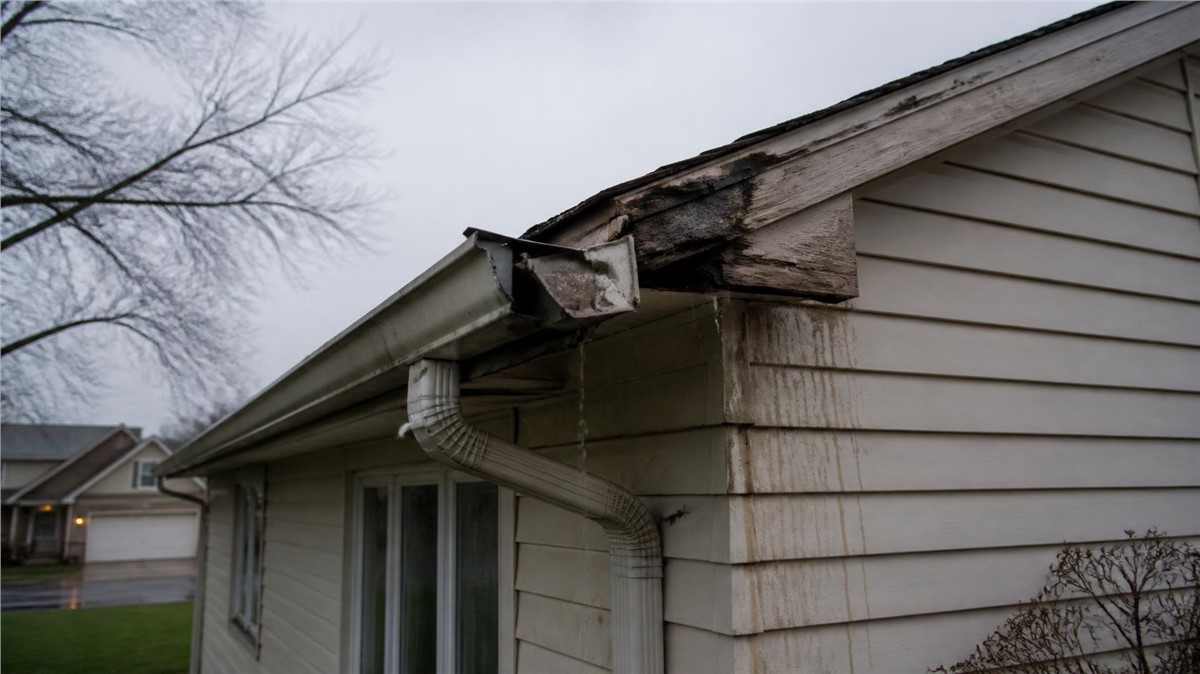
- Hanging gutters or downspouts
- Broken glass
- Fallen branches or debris
- Water near electrical areas
- Damaged exterior lights
- Slippery walkways
- Ice buildup near entrances
- Loose roofing materials near access points
Facility managers should keep employees, tenants, customers, and vendors away from unsafe areas until the property can be inspected.
Priority 2: Active Leaks and Interior Moisture
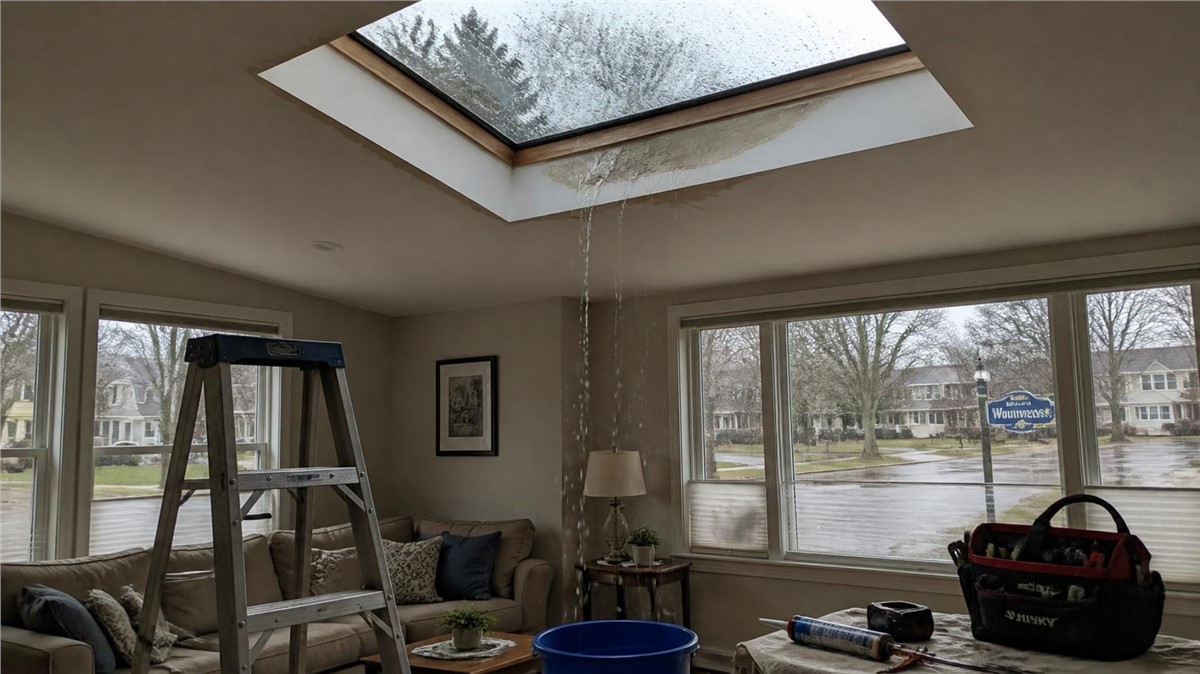
Active leaks should be addressed quickly because water can damage ceilings, walls, insulation, flooring, inventory, equipment, and electrical systems.
Interior warning signs include:
- Ceiling stains
- Active dripping
- Damp flooring
- Wet insulation
- Bubbling paint
- Musty odors
- Discolored ceiling tiles
- Moisture near exterior walls
- Water near windows or vents
Even if a leak stops after the storm, the source should still be inspected. Water may return during the next heavy rain.
Priority 3: Roof Damage
The roof is one of the most important areas to inspect after severe weather. Commercial facilities may have flat roofs, low-slope areas, shingle sections, metal roofing, roof drains, vents, access points, and rooftop equipment.
Roof concerns may include:
- Open seams
- Punctures or tears
- Missing or lifted shingles
- Damaged flashing
- Ponding water
- Clogged roof drains
- Damaged vents
- Loose roof edges
- Hail impact marks
- Debris on the roof
Roof damage may not always be visible from the ground, so a professional inspection is important.
Priority 4: Gutters, Downspouts, and Drainage
Gutters and downspouts help move water away from the building, walkways, entrances, loading areas, landscaping, and foundation.
After severe weather, check for:
- Dented gutters
- Sagging sections
- Leaking seams
- Loose downspouts
- Clogged outlets
- Overflow during rain
- Water pooling near the building
- Drainage across walkways
- Ice buildup in winter
Poor drainage can create foundation moisture, siding stains, walkway hazards, and winter ice concerns.
Priority 5: Siding, Panels, and Exterior Walls
Siding and wall panels protect the facility from wind-driven rain, moisture, and impact damage. Hail and wind can crack, dent, loosen, or shift exterior materials.
Watch for:
- Cracked siding
- Loose panels
- Holes or punctures
- Dented metal trim
- Warped or buckled areas
- Water stains
- Gaps around seams
- Soft trim
- Moisture near interior walls
If water gets behind exterior wall materials, repairs may need to include hidden moisture damage, not just the visible surface.
Priority 6: Windows, Doors, and Openings
Windows and doors are common weak points after severe weather. Wind-driven rain, hail, and debris can damage glass, screens, frames, seals, and trim.
Check for:
- Cracked glass
- Torn screens
- Water stains below windows
- Drafts around openings
- Damaged trim
- Failed caulking
- Doors that no longer close properly
- Moisture between glass panes
A leak near a window may involve siding, flashing, gutters, roof edges, or trim, not only the window itself.
Priority 7: Documentation and Repair Planning
Documentation helps facility managers track damage and organize next steps.
Helpful records include:
- Storm date and time
- Photos of visible damage
- Interior leak reports
- Tenant or employee complaints
- Affected rooms or work areas
- Notes about safety concerns
- Previous repair records
- Inspection findings
Clear documentation makes it easier to plan repairs, communicate with stakeholders, and understand the full scope of damage.
Repair vs Replacement After Severe Weather
Some exterior damage can be repaired, while other damage may require replacement.
Repair may be enough if:
- Damage is isolated
- One roof area is affected
- A few siding panels are damaged
- One gutter section is loose
- Window or trim damage is minor
- No widespread moisture damage is found
Replacement may be better if:
- Damage affects multiple areas
- Leaks keep returning
- Roofing materials are aging
- Siding damage is widespread
- Gutters are failing throughout the system
- Moisture has reached insulation or wall materials
- Repairs would only be temporary
A professional inspection helps facility owners make practical repair decisions.
Planning Repairs Around Facility Operations
Facility exterior repairs often need careful scheduling. Property managers may need to consider employees, tenants, customers, delivery areas, parking lots, equipment access, and safety zones.
A good repair plan should include:
- Priority for active leaks
- Safe access routes
- Clear work zones
- Tenant or employee communication
- Material staging
- Weather considerations
- Cleanup expectations
- Minimal disruption where possible
Urgent repairs should come first, especially when water intrusion or loose exterior materials create safety concerns.
Why a Full Exterior Inspection Matters
Severe weather often affects more than one part of the building. A hailstorm may damage the roof, gutters, siding, windows, and trim. Wind may loosen roof edges, siding panels, flashing, and downspouts.
A full inspection may include:
- Roofing
- Siding
- Gutters and downspouts
- Windows and doors
- Fascia and soffit
- Flashing
- Trim
- Drainage areas
- Interior moisture signs
Huskie Exteriors provides roofing, siding, window, gutter, and storm damage restoration services, helping facility owners evaluate the full exterior system.
Why Local Exterior Experience Matters
A local contractor understands how Illinois weather affects commercial facilities. In Schaumburg, IL, buildings need exterior systems that can handle hail, wind, heavy rain, snow, ice, and freeze-thaw cycles.
Local experience also helps facility managers prioritize repairs, identify hidden damage, and plan work around business operations.
Conclusion
Facility exterior repairs in Schaumburg, IL should begin with safety, active leaks, roof damage, gutters, siding, windows, and drainage concerns. Severe weather can affect multiple parts of the building at once, so a full exterior inspection is the best starting point.
If your facility has leaks, loose materials, dented gutters, damaged siding, window issues, or storm-related exterior concerns, Huskie Exteriors can inspect the property and recommend the right next step.
Contact Huskie Exteriors for professional roofing, siding, window, gutter, and storm damage services in Illinois and Wisconsin.
Subscribe to Huskie Exteriors's Blog





Comments