Siding is designed to protect your home from weather, moisture, pests, and exterior wear. When water gets behind the siding, the damage may stay hidden until it becomes more serious.
For homeowners in Davis, IL, moisture behind siding can happen after storms, poor drainage, damaged gutters, failed caulking, loose siding, or winter freeze-thaw cycles. Even a small gap around a window, trim board, or siding seam can allow water to enter the wall system.
Knowing the warning signs can help homeowners schedule an inspection before moisture causes bigger problems.
Why Moisture Behind Siding Matters
Moisture behind siding can affect the materials you cannot see from the outside. Once water gets past the siding surface, it may reach the house wrap, sheathing, insulation, framing, or interior walls.
If ignored, moisture may lead to:
- Mold or mildew growth
- Soft or rotted trim
- Damaged insulation
- Interior wall stains
- Musty odors
- Peeling paint
- Siding warping
- Pest entry points
- Higher repair costs
- Reduced exterior protection
The longer moisture stays trapped, the more damage it can cause.
Common Signs of Moisture Behind Siding
Moisture problems can show up in different ways depending on the siding material, storm exposure, and how long the issue has been present.
Homeowners should watch for:
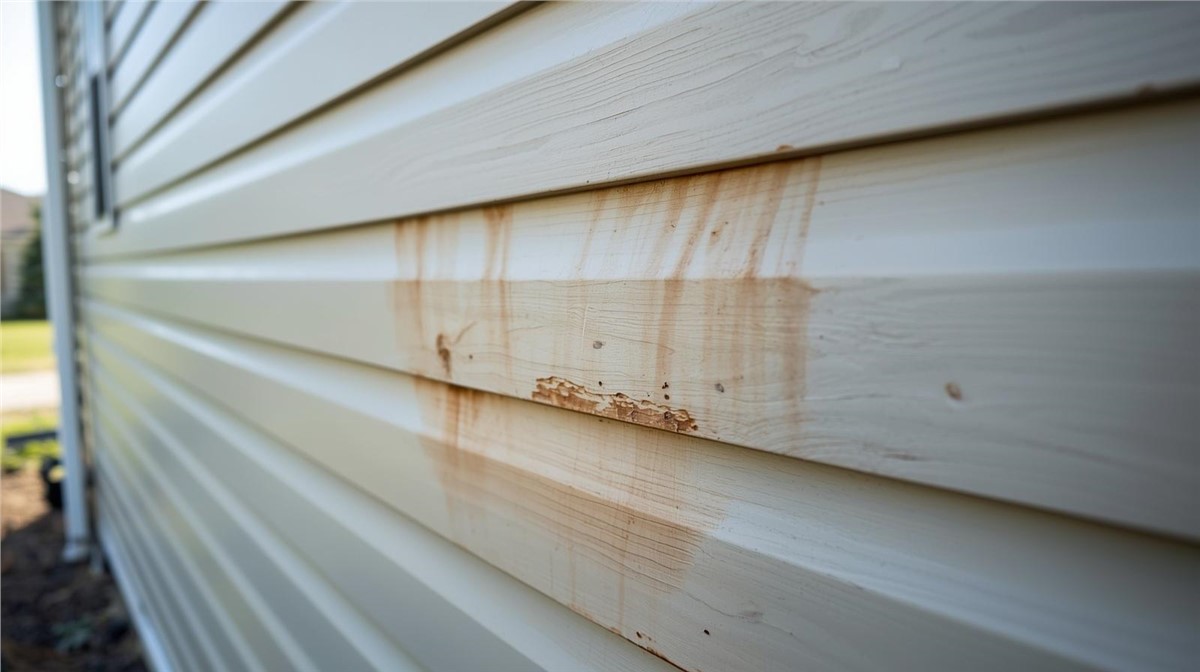
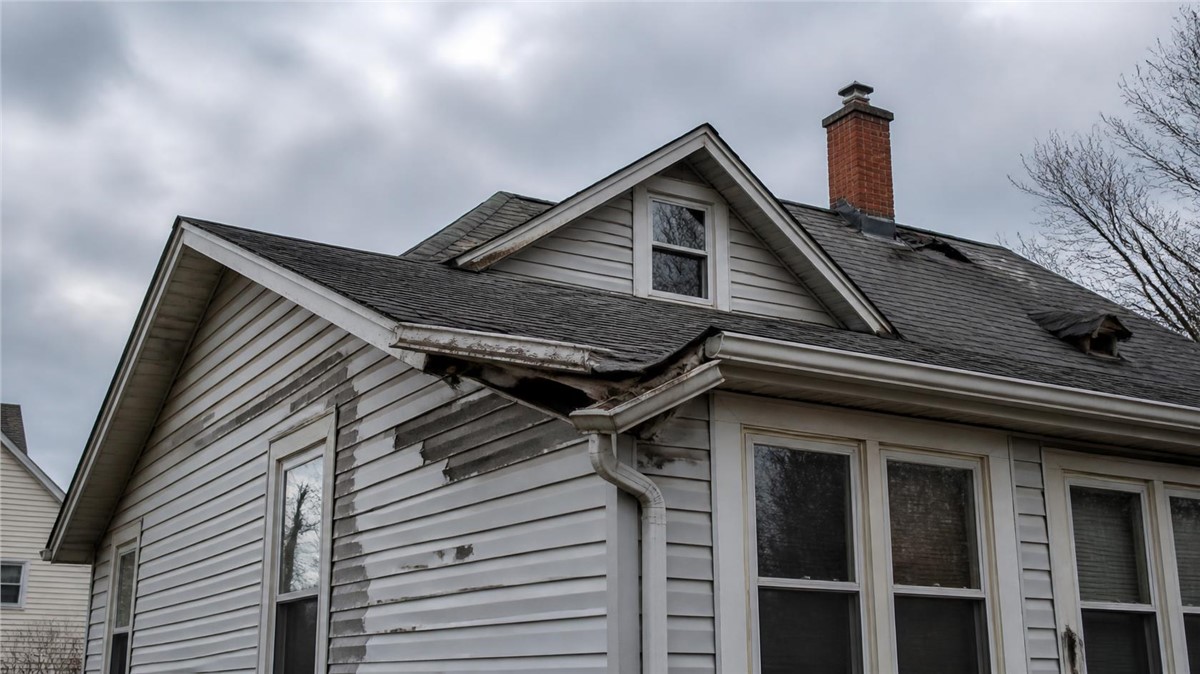
- Dark streaks or stains on siding
- Warped or buckled siding panels
- Soft trim around windows or doors
- Mold or mildew near seams
- Peeling paint near exterior walls
- Musty smells indoors
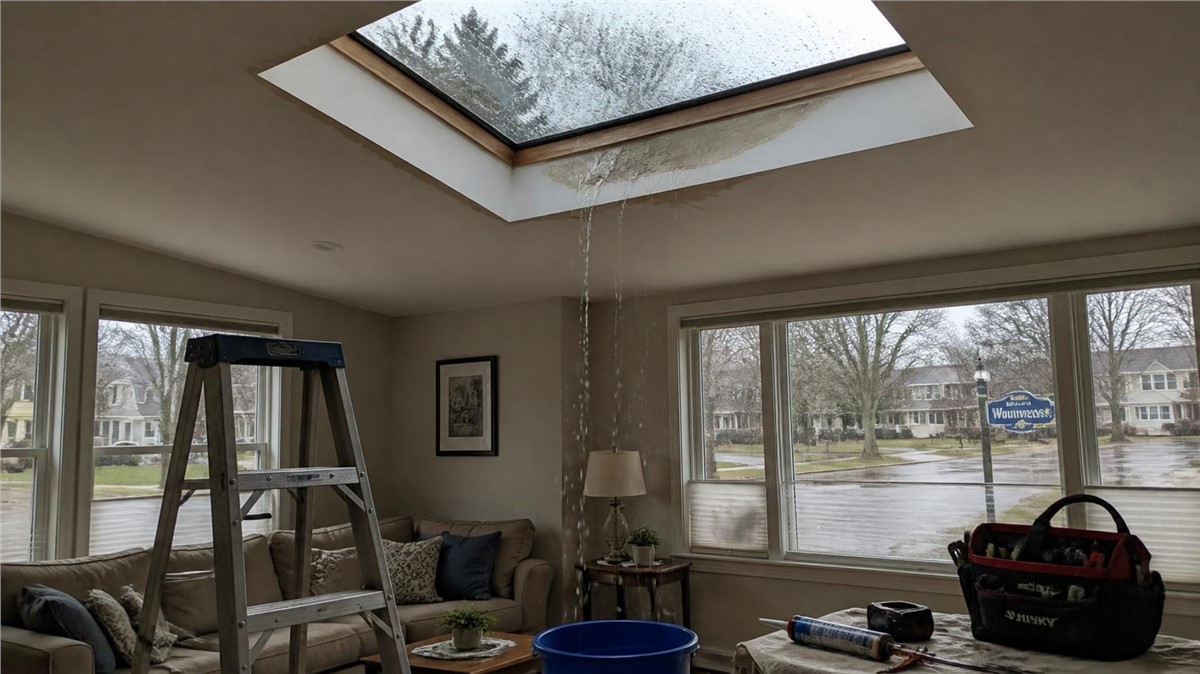
- Interior water stains
- Damp drywall
- Loose siding sections
- Gaps around windows, doors, or corners
If several of these signs appear, a professional inspection is a smart next step.
Warped or Buckled Siding
Siding should sit properly against the exterior wall. If panels look wavy, swollen, or uneven, moisture may be trapped behind them.
Warping can also be caused by heat, installation issues, or age, but moisture should always be considered. A contractor can inspect the area to determine whether the problem is surface-level or connected to hidden water damage.
Stains, Streaks, and Mildew
Dark stains or mildew on siding may point to drainage problems, poor airflow, or moisture staying on the surface too long. Stains below windows, roof edges, or gutter lines are especially important to watch.
Possible causes include:
- Overflowing gutters
- Failed window caulking
- Damaged siding seams
- Poor flashing
- Wind-driven rain
- Water running behind trim
If stains keep returning after cleaning, there may be a deeper moisture issue.
Soft or Rotted Trim
Trim around windows, doors, corners, and rooflines can reveal moisture problems before the siding does. Soft trim often means water has been entering the area repeatedly.
Check for:
- Soft wood
- Peeling paint
- Swelling
- Cracked caulking
- Gaps around trim
- Water stains below windows
- Loose trim boards
Trim damage should be inspected before moisture spreads into the wall system.
Interior Warning Signs
Moisture behind siding may eventually appear inside the home. Interior signs should never be ignored because water may have already moved through the wall assembly.
Watch for:
- Water stains on walls
- Bubbling paint
- Soft drywall
- Musty odors
- Mold near windows
- Damp carpet near exterior walls
- Peeling wallpaper
- Cold or drafty wall areas
The source of the moisture may not be directly behind the visible stain, so a full exterior inspection is helpful.
How Gutters Can Cause Siding Moisture Problems
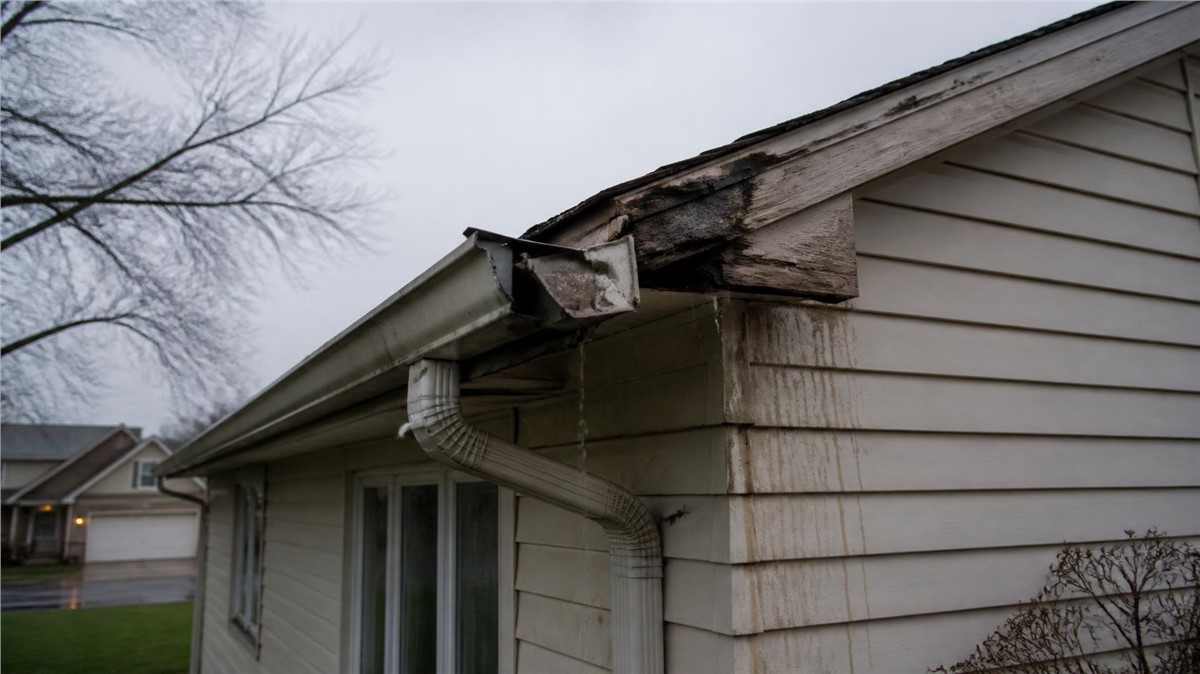
Gutters and downspouts play a major role in keeping siding dry. When gutters overflow, leak, sag, or drain incorrectly, water may run down the siding and enter small openings.
Gutter-related warning signs include:
- Overflow during rain
- Water stains below gutters
- Downspouts draining too close to the home
- Fascia damage
- Soil erosion near the foundation
- Ice buildup in winter
- Water pooling near lower siding
If siding has moisture damage, gutters should be checked too.
Windows, Doors, and Flashing Concerns
Many moisture problems begin around openings. Windows and doors have seams, trim, flashing, and caulking that must work together to keep water out.
Problems may happen when:
- Caulking fails
- Flashing is missing or damaged
- Trim pulls away
- Siding gaps open near windows
- Wind-driven rain enters small cracks
- Older windows no longer seal properly
A leak near a window does not always mean the window alone is the issue. Siding, gutters, roofing, flashing, and trim may all be involved.
Storm Damage and Hidden Moisture
Storms can create small openings that allow moisture behind siding. Hail can crack siding. Wind can loosen panels. Heavy rain can push water into gaps. Falling debris can damage trim or corners.
After storms in Davis, IL, check for:
- Cracked siding
- Loose panels
- Hail impact marks
- Dented gutters
- Torn screens
- Water stains
- Siding pieces on the ground
- Moisture near windows or doors
Even small storm damage should be inspected before the next rain or winter freeze.
Winter and Freeze-Thaw Cycles
Winter weather can make siding moisture problems worse. Water that enters small cracks can freeze, expand, and widen the opening.
Freeze-thaw cycles may affect:
- Siding seams
- Window trim
- Door trim
- Lower wall areas
- Roofline siding
- Corner posts
- Caulking and seals
Moisture problems that begin in fall or winter may become more visible in spring.
Repair vs Replacement
The right solution depends on how much moisture damage is present.
Siding repair may be enough if:
- Damage is isolated
- Only a few panels are affected
- Trim damage is minor
- Moisture has not spread into the wall system
- The siding is still in good condition overall
Siding replacement may be better if:
- Moisture damage affects multiple walls
- Panels are warped or brittle
- Water has reached sheathing or insulation
- Storm damage is widespread
- Repairs would not match well
- Siding keeps coming loose
A professional inspection can help determine the most practical next step.
Why a Full Exterior Inspection Matters
Moisture behind siding is often connected to other exterior issues. Roofing, gutters, windows, trim, fascia, soffit, and drainage all affect how water moves around the home.
A full exterior inspection may include:
- Siding
- Gutters and downspouts
- Roofing
- Windows and trim
- Fascia and soffit
- Flashing
- Foundation drainage
- Interior moisture signs
Huskie Exteriors provides roofing, siding, window, gutter, and storm damage restoration services, helping homeowners evaluate the full exterior system.
Why Local Exterior Experience Matters
A local contractor understands how northern Illinois weather affects siding and moisture protection. In Davis, IL, homes need siding systems that can handle heavy rain, hail, wind, snow, ice, and freeze-thaw cycles.
Local experience helps homeowners identify whether the problem is caused by siding damage, gutter overflow, window leaks, storm damage, or drainage issues.
Conclusion
Moisture behind siding in Davis, IL can be difficult to see at first, but it should not be ignored. Warped panels, stains, soft trim, mildew, musty odors, peeling paint, and interior water marks may all point to hidden moisture problems.
If your siding shows signs of moisture damage or your home has recently been affected by storms, Huskie Exteriors can inspect the exterior and recommend the right next step.
Contact Huskie Exteriors for professional roofing, siding, window, gutter, and storm damage services in Illinois and Wisconsin.
Subscribe to Huskie Exteriors's Blog





Comments