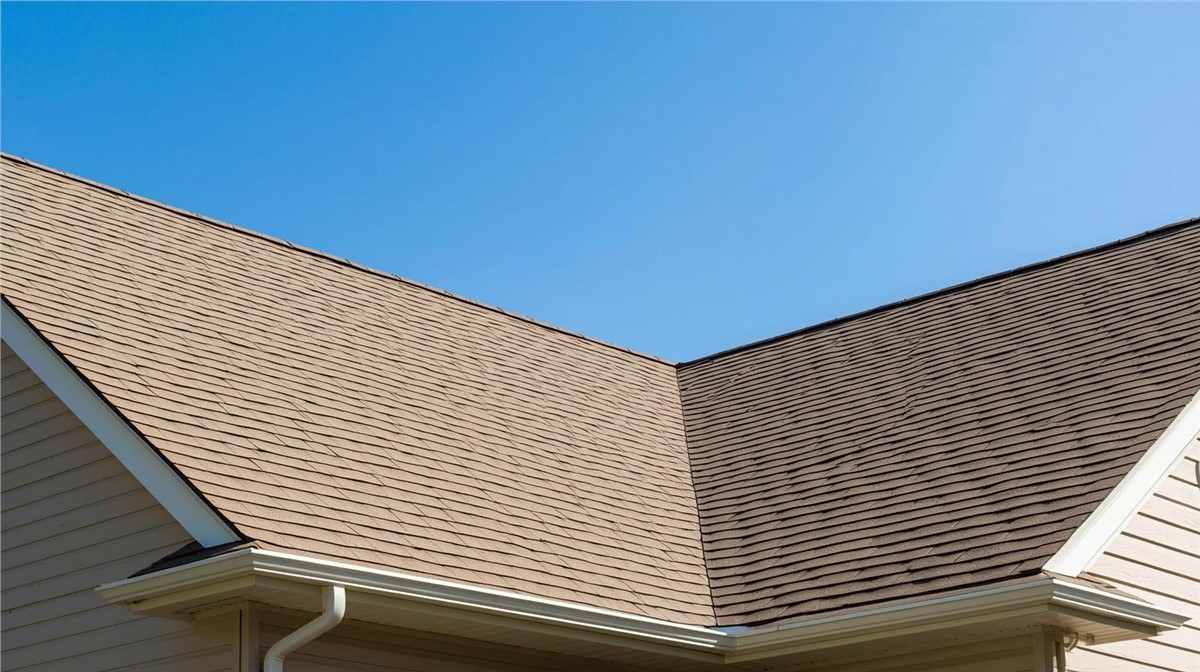
A roof is one of the biggest investments in your home’s exterior. It protects your house from rain, wind, snow, ice, hail, sun exposure, and seasonal temperature changes.
For homeowners in Davis Junction, IL, roof lifespan can vary. Some roofs last for many years with proper installation and maintenance, while others may need repair or replacement sooner because of storm damage, poor ventilation, drainage problems, or aging materials.
Understanding what affects roof life can help you plan ahead, avoid surprise leaks, and decide when it may be time for a professional roof inspection.
What Is the Average Roof Lifespan?
The lifespan of a roof depends mostly on the material. Asphalt shingle roofs are common on Midwest homes and are often planned around a general 20 to 30-year range, depending on product quality, installation, weather exposure, and maintenance.
Other roof types may last longer or shorter depending on the system. Metal roofing can last longer when properly installed and maintained. Flat or low-slope roofing systems on garages, additions, or commercial buildings may require more frequent inspections because drainage and seams play a major role in performance.
The most important point is this: roof age is only one factor. A newer roof can have storm damage, and an older roof may still be performing well if it has been maintained.
Why Davis Junction Weather Matters
Northern Illinois weather can be hard on roofing systems. Davis Junction homes face seasonal conditions that can wear down shingles, flashing, gutters, and roof edges over time.
Local weather concerns include:
- Hail damage
- Strong wind
- Heavy rain
- Snow and ice
- Freeze-thaw cycles
- Summer heat
- Winter roof edge buildup
- Storm debris
These conditions can shorten roof life if small issues are ignored.
Hail and Roof Lifespan
Hail can damage shingles, roof vents, gutters, siding, and window screens. Some hail damage is obvious, but roof damage can be difficult to see from the ground.
Hail may cause:
- Bruised shingles
- Granule loss
- Cracked shingles
- Damaged ridge caps
- Dented roof vents
- Dented gutters
A roof may not leak immediately after hail, but damaged shingles can lose protection over time. If hail hit your Davis Junction neighborhood, a roof inspection can help identify damage before it becomes a leak.
Wind Damage and Missing Shingles
Strong wind can lift shingles, loosen flashing, damage roof edges, and break the seal between shingles. Sometimes shingles blow off completely. Other times, they remain on the roof but no longer seal properly.
Warning signs include:
- Shingles in the yard
- Lifted shingle edges
- Missing shingles
- Loose flashing
- Exposed underlayment
- Leaks after wind-driven rain
Wind damage can reduce roof lifespan because exposed or lifted areas allow moisture to reach vulnerable layers.
Rain, Snow, Ice, and Freeze-Thaw Cycles
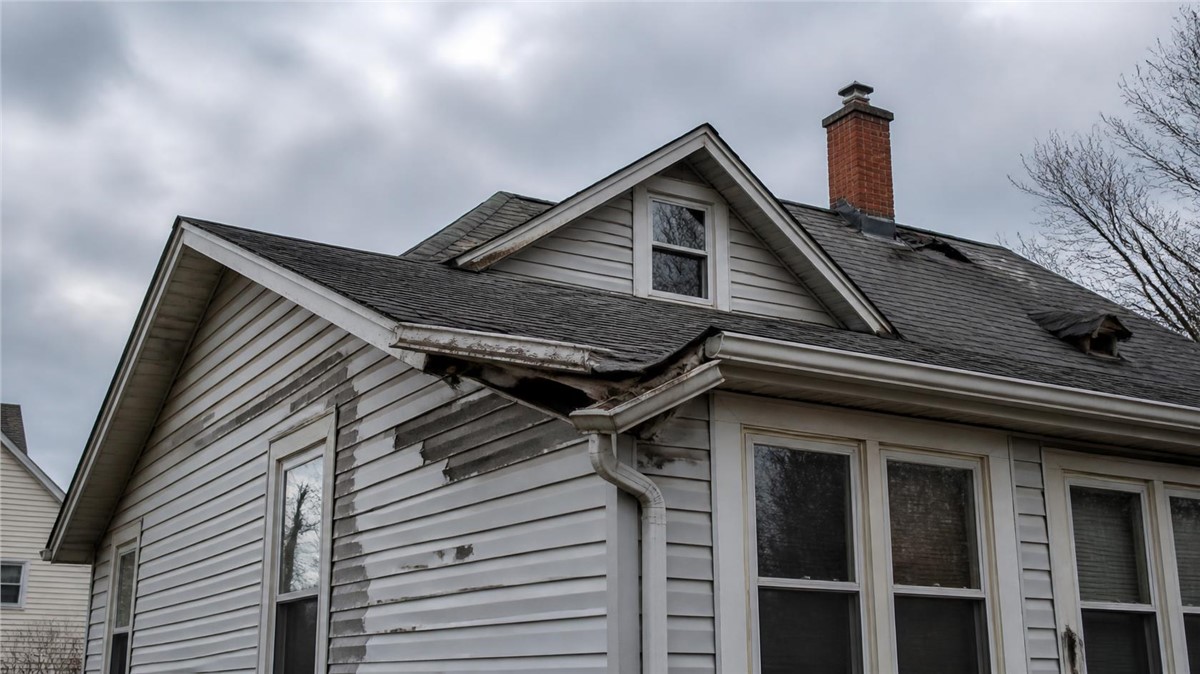
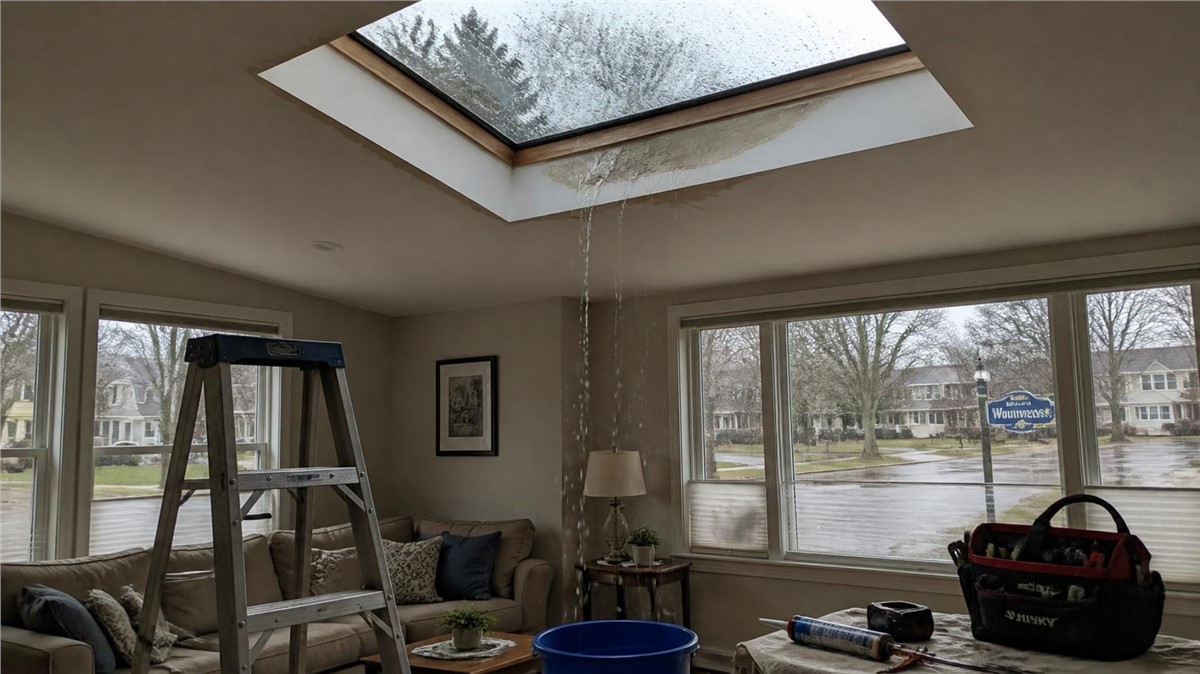
Heavy rain often reveals weak points in a roof. Leaks may appear around flashing, vents, valleys, chimneys, skylights, or roof edges.
Winter can add more stress. Snow and ice can sit on the roof, freeze in gutters, or create roof edge concerns. Freeze-thaw cycles can make small cracks worse because water enters a gap, freezes, expands, and widens the damage.
Over time, this can affect shingles, flashing, roof decking, gutters, fascia, and soffit.
Installation Quality Matters
A roof’s lifespan depends heavily on how it was installed. Even good materials can fail early if the installation details are poor.
Important installation details include:
- Proper underlayment
- Correct flashing
- Secure shingles
- Drip edge
- Ice and water protection where needed
- Ventilation
- Roof deck condition
- Proper fastening
- Clean roof transitions
A roof is a system, not just shingles. The details underneath and around the shingles matter.
Ventilation and Attic Moisture
Roof ventilation can affect how long a roof lasts. Poor attic ventilation can trap heat and moisture, which may lead to roof deck concerns, mold or mildew, damp insulation, and premature shingle wear.
Signs of ventilation or attic moisture issues may include:
- Hot upper rooms
- Musty attic odors
- Damp insulation
- Frost or condensation in attic areas
- Ice buildup near roof edges
- Shingles wearing faster than expected
When replacing a roof, ventilation should be reviewed as part of the project.
Gutters and Drainage Affect Roof Life
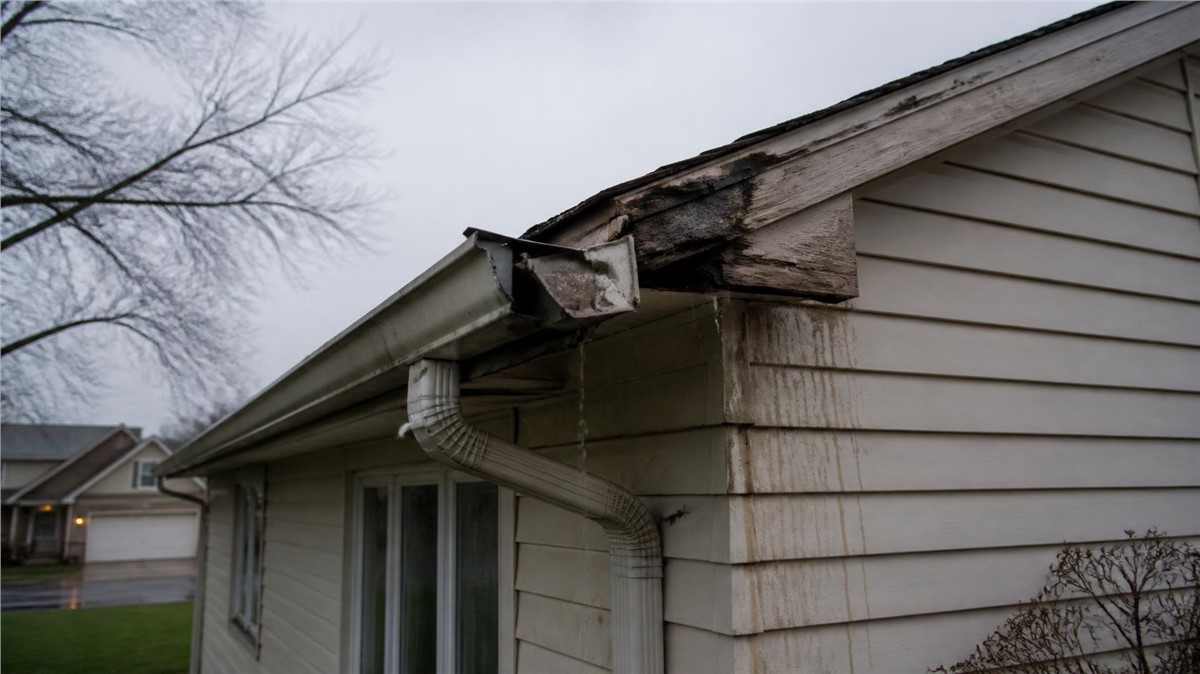
Gutters help move water away from the roof edge, siding, foundation, and landscaping. When gutters are clogged, sagging, leaking, or pulling away, water can back up near the roofline.
Gutter problems may lead to:
- Fascia damage
- Soffit damage
- Roof edge wear
- Siding stains
- Foundation moisture
- Ice buildup in winter
If gutters are not working correctly, they can shorten the life of nearby roof components.
Signs Your Roof May Be Near the End of Its Life
Homeowners in Davis Junction should watch for signs that a roof is wearing down or no longer protecting the home properly.
Common warning signs include:
- Curling shingles
- Cracked shingles
- Heavy granule loss
- Missing shingles
- Frequent leaks
- Ceiling stains
- Damp attic insulation
- Sagging roof areas
- Loose flashing
- Frequent roof repairs
- Storm damage across multiple areas
If several of these signs appear, replacement may be more practical than repeated repairs.
Repair vs Replacement
Roof repair may be enough when the damage is small and the rest of the roof is still in good condition.
Repair may make sense if:
- Only a few shingles are missing
- One flashing area is leaking
- Damage is isolated
- Gutters need minor adjustment
- There is no widespread moisture damage
Roof replacement may be better if:
- Leaks keep returning
- Shingles are worn throughout the roof
- Storm damage affects multiple slopes
- Granule loss is heavy
- Decking or insulation is damaged
- Repairs are becoming frequent
- The roof is near the end of its expected lifespan
A professional inspection can help homeowners make a practical decision.
Residential and Commercial Considerations
For homeowners, roof life affects comfort, energy performance, curb appeal, and long-term protection. For commercial property owners, roof lifespan also affects tenant spaces, inventory, equipment, maintenance planning, and business operations.
Commercial roofs may include flat or low-slope sections, larger drainage systems, rooftop equipment, and more roof penetrations. These areas should be inspected regularly because leaks may spread before they become visible indoors.
Why a Full Exterior Inspection Helps
Roof damage is often connected to other exterior issues. Hail, wind, and heavy rain can also damage siding, gutters, windows, fascia, soffit, and trim.
A full exterior inspection may include:
- Roofing
- Gutters and downspouts
- Siding
- Windows
- Flashing
- Fascia and soffit
- Attic moisture signs
- Storm damage areas
Huskie Exteriors provides roofing, siding, window, gutter, and storm damage restoration services, helping Illinois and Wisconsin property owners evaluate the full exterior system.
Why Local Exterior Experience Matters
A local contractor understands how northern Illinois weather affects roof lifespan. In Davis Junction, IL, roofs need to handle hail, wind, heavy rain, snow, ice, heat, humidity, and freeze-thaw cycles.
Local experience helps homeowners understand whether a roof issue is normal aging, storm damage, ventilation-related, drainage-related, or a sign that replacement may be needed.
Conclusion
How long a roof lasts in Davis Junction, IL depends on roofing material, installation quality, ventilation, maintenance, gutters, and weather exposure. Hail, wind, heavy rain, snow, ice, and freeze-thaw cycles can all shorten roof life when damage is ignored.
If your roof is aging, leaking, missing shingles, showing granule loss, or has possible storm damage, Huskie Exteriors can inspect your home and recommend the right next step.
Contact Huskie Exteriors for professional roofing, siding, window, gutter, and storm damage services in Illinois and Wisconsin.
Subscribe to Huskie Exteriors's Blog





Comments