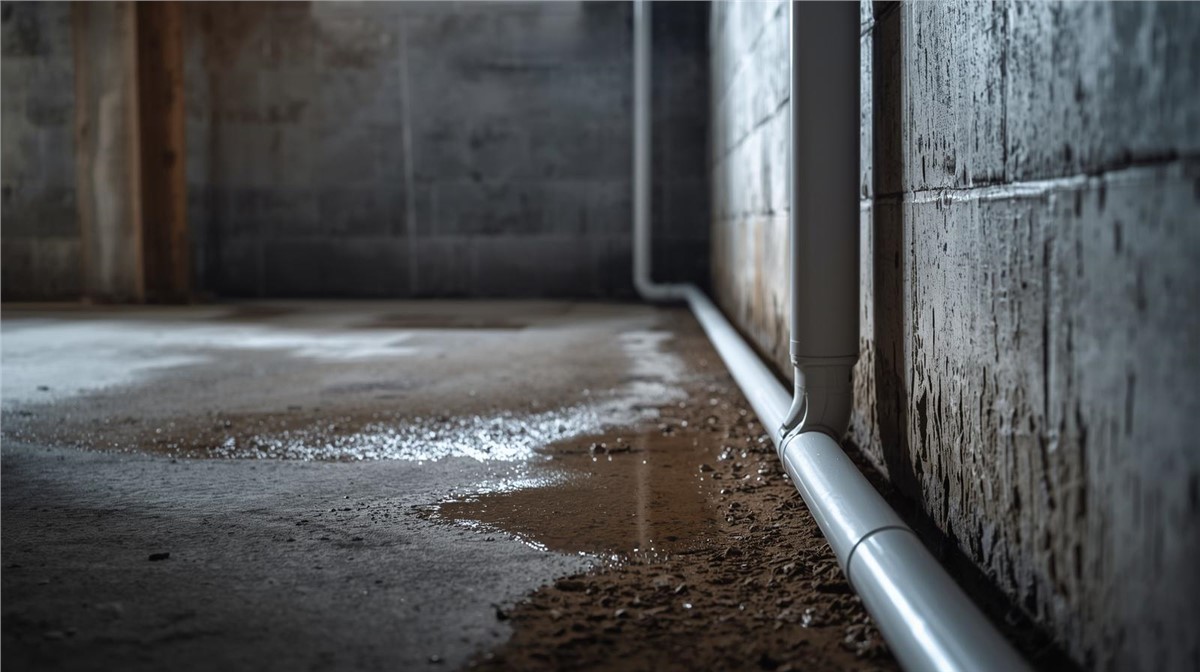
Basement water problems can be frustrating for homeowners. Sometimes the issue starts inside with damp walls, musty odors, or water on the floor. But in many cases, the source begins outside the home.
For homeowners in Harvard, IL, gutters play an important role in controlling where water goes after it leaves the roof. When gutters are clogged, damaged, overflowing, or draining too close to the foundation, water can collect around the home and increase the risk of basement moisture.
Understanding how gutters affect basement water issues can help homeowners protect their foundation, siding, landscaping, and lower-level living space.
Why Basement Water Issues Happen
Basement water problems can have several causes. Some are related to grading, foundation cracks, sump pump issues, or underground drainage. Others are directly connected to roof runoff and gutter performance.
Common causes include:
- Clogged gutters
- Short downspouts
- Downspouts draining near the foundation
- Overflowing gutters
- Poor yard grading
- Soil erosion near the home
- Damaged foundation areas
- Heavy rain
- Snowmelt
- Frozen or blocked downspouts
Because water follows the easiest path, controlling roof runoff is an important first step.
How Gutters Help Protect the Basement
Gutters collect water from the roof and direct it into downspouts. From there, water should move away from the foundation.
When gutters work properly, they help reduce:
- Water pooling near basement walls
- Soil saturation around the foundation
- Basement seepage risks
- Landscape washout
- Foundation moisture pressure
- Ice buildup near walkways
- Exterior wall staining
A good gutter system does not solve every basement water issue, but it can reduce one of the most common sources of exterior water problems.
Signs Gutters May Be Contributing to Basement Moisture
If you have basement water concerns, check your gutters and downspouts during or after rain.
Warning signs include:
- Water spilling over gutter edges
- Downspouts draining beside the foundation
- Gutters pulling away from the home
- Water pooling near basement windows
- Soil erosion below rooflines
- Siding stains under gutters
- Damp basement walls after storms
- Mulch washing away near the house
- Ice buildup near downspout areas
- Water entering after heavy rain or snowmelt
These signs may mean water is not being moved far enough away from the home.
Clogged Gutters and Basement Water
Clogged gutters are one of the most common gutter-related causes of water problems. Leaves, sticks, roof granules, seed pods, and storm debris can stop water from flowing properly.
When gutters clog, water may overflow near the foundation instead of draining through the downspouts. Over time, this can saturate the soil around the basement and increase moisture concerns.
Homes with nearby trees may need more frequent gutter cleaning, especially in fall and after storms.
Downspout Placement Matters
Downspouts should not dump water directly beside the foundation. Even if the gutters are clean, poor downspout placement can still create basement water issues.
A good downspout setup should:
- Move water away from the home
- Avoid draining toward basement windows
- Keep water off walkways when possible
- Direct water away from low spots
- Avoid sending water toward neighboring structures
- Work with the property’s grading
Downspout extensions or drainage adjustments may be needed if water is collecting too close to the house.
Heavy Rain and Storm Runoff
Harvard, IL homeowners can experience heavy rain and fast storm runoff. During intense rainfall, gutters need to handle a large amount of water quickly.
Overflow may happen if gutters are:
- Clogged
- Undersized
- Poorly sloped
- Damaged
- Pulling away from fascia
- Missing enough downspouts
- Blocked by debris
If gutters overflow every time it rains hard, the system may need repair, cleaning, or replacement.
Snowmelt, Ice, and Freeze-Thaw Cycles
Basement water issues are not limited to summer storms. Winter and early spring can also create problems.
Snow on the roof eventually melts and enters the gutter system. If gutters or downspouts are frozen or clogged, water may spill near the foundation. Freeze-thaw cycles can also expand small cracks and worsen drainage concerns.
Winter gutter problems may include:
- Frozen downspouts
- Ice-filled gutters
- Icicles along roof edges
- Water pooling during thawing
- Ice near walkways
- Gutters pulling away from the home
Preparing gutters before winter can help reduce these issues.
Gutters, Fascia, and Roof Edges
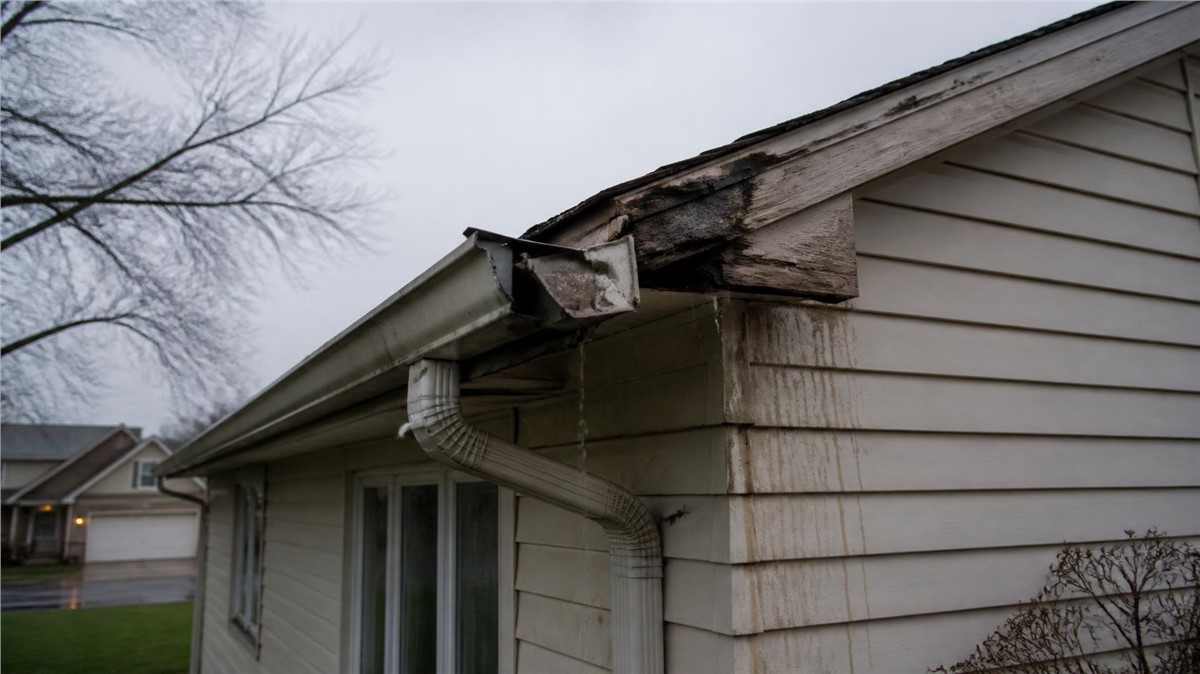
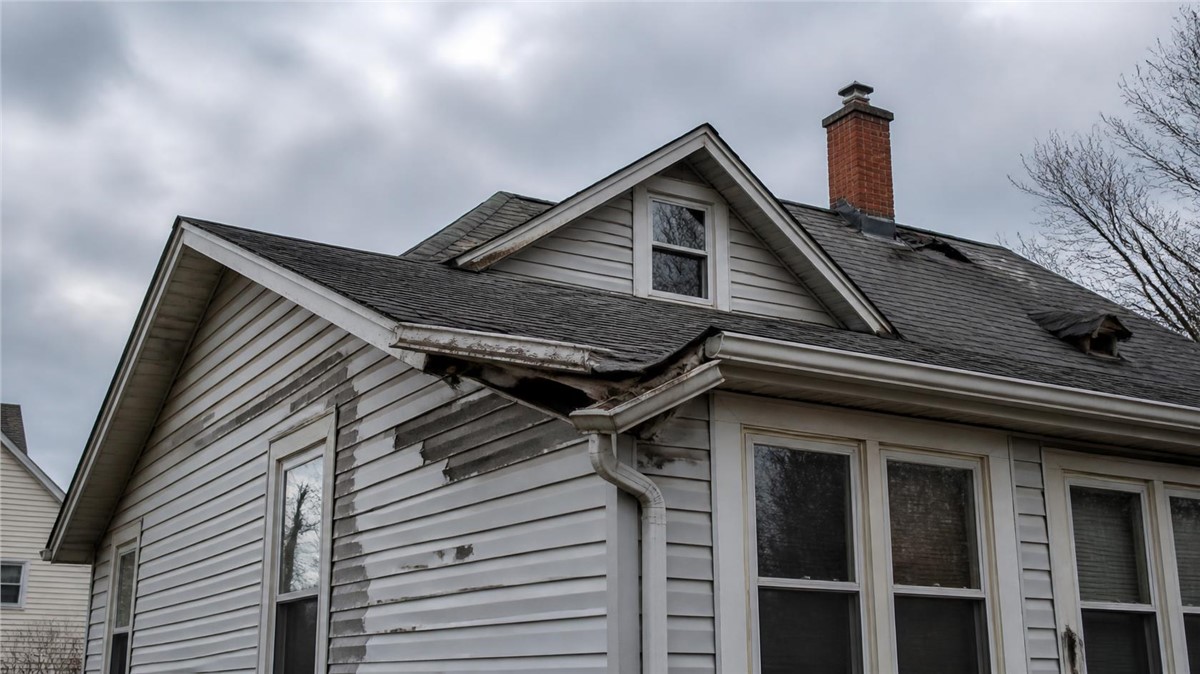
When gutters fail, water can affect more than the basement. Overflow can damage fascia, soffit, roof edges, siding, and trim.
Watch for:
- Soft fascia boards
- Peeling paint near roof edges
- Stained siding
- Loose gutter fasteners
- Damaged soffit
- Water running behind gutters
- Mold or mildew near exterior walls
If fascia or roof edge damage is present, gutter repair alone may not be enough. The damaged materials may need attention before the system can drain correctly.
Repair vs Replacement for Gutter Problems
Gutter repair may be enough if the issue is small and isolated.
Repair may make sense if:
- One section is loose
- A downspout needs extension
- A seam is leaking
- The gutter slope can be adjusted
- Debris is causing temporary overflow
- The system is still in good condition overall
Gutter replacement may be better if:
- Gutters overflow frequently
- Sections are sagging throughout the home
- Downspouts are poorly placed
- Gutters are cracked, rusted, or badly dented
- The system is undersized
- Fascia damage is present
- Repairs are becoming frequent
A professional inspection can help determine the right solution.
Should You Add Gutter Guards?
Gutter guards may help reduce leaves and larger debris from entering the gutter system. They can be useful for homes with trees nearby or frequent clogging.
However, gutter guards do not make gutters maintenance-free. Small debris, roof granules, and ice can still affect performance. Gutters with guards should still be checked periodically, especially before winter and after storms.
Why Full Exterior Drainage Matters
Gutters are only one part of moisture protection. Homeowners should also look at grading, downspout extensions, roof condition, siding, foundation areas, and drainage paths.
A full exterior review may include:
- Gutters and downspouts
- Roof edges
- Fascia and soffit
- Siding near lower walls
- Basement windows
- Foundation grading
- Walkways and landscaping
- Storm damage areas
Huskie Exteriors provides roofing, siding, window, gutter, and storm damage restoration services, helping homeowners evaluate how the full exterior system manages water.
Why Local Exterior Experience Matters
A local contractor understands how northern Illinois weather affects gutter systems and basement moisture concerns. In Harvard, IL, homes need gutters that can handle heavy rain, wind, falling debris, snow, ice, and freeze-thaw cycles.
Local experience also helps homeowners identify whether basement water concerns may be connected to clogged gutters, poor downspout placement, roof runoff, siding damage, or foundation drainage issues.
Conclusion
Basement water issues in Harvard, IL can often be connected to how water moves around the outside of the home. Gutters and downspouts help direct roof runoff away from the foundation, which can reduce moisture risks around basement walls.
If your gutters overflow, leak, sag, drain too close to the house, or contribute to water pooling near the foundation, Huskie Exteriors can inspect your home and recommend the right next step.
Contact Huskie Exteriors for professional roofing, siding, window, gutter, and storm damage services in Illinois and Wisconsin.
Subscribe to Huskie Exteriors's Blog





Comments