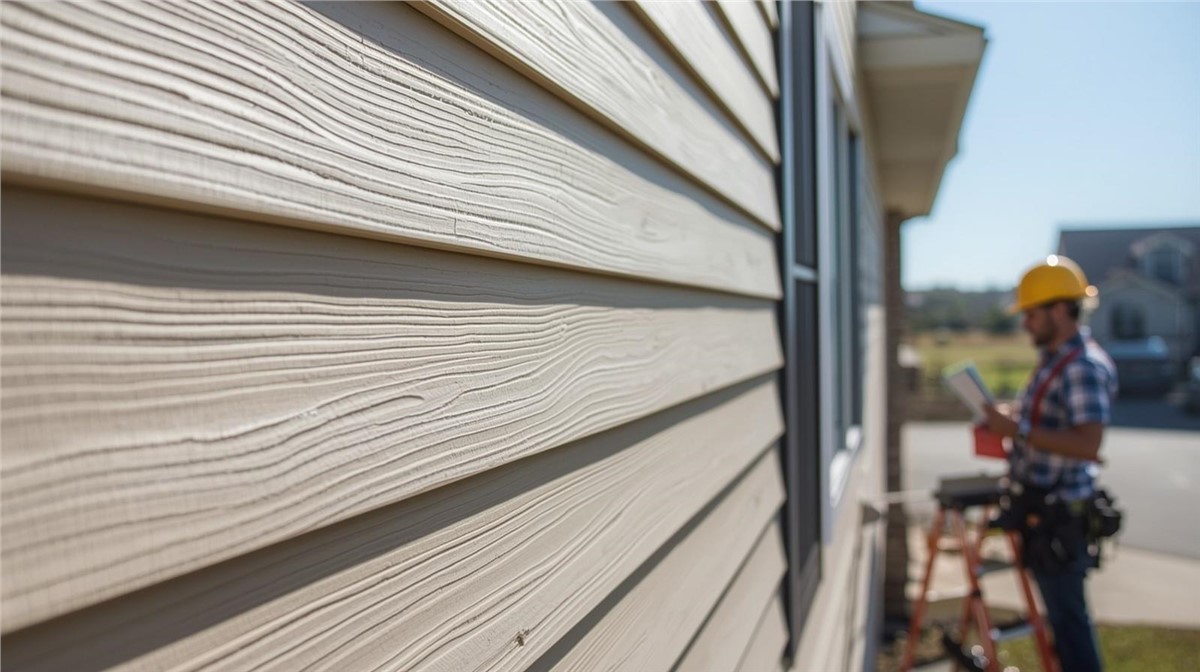
Replacing siding is a major exterior project. New siding can improve the appearance of your home, but it also plays an important role in protecting the structure from rain, wind, hail, snow, ice, and moisture.
For homeowners in Genoa, IL, siding replacement should be planned carefully. Northern Illinois weather can be tough on exterior materials, especially during storm season and winter freeze-thaw cycles. A clear checklist helps you understand what to look for, what to prepare, and what questions to ask before work starts.
This guide explains the key steps homeowners should consider before replacing siding.
Step 1: Inspect the Current Siding
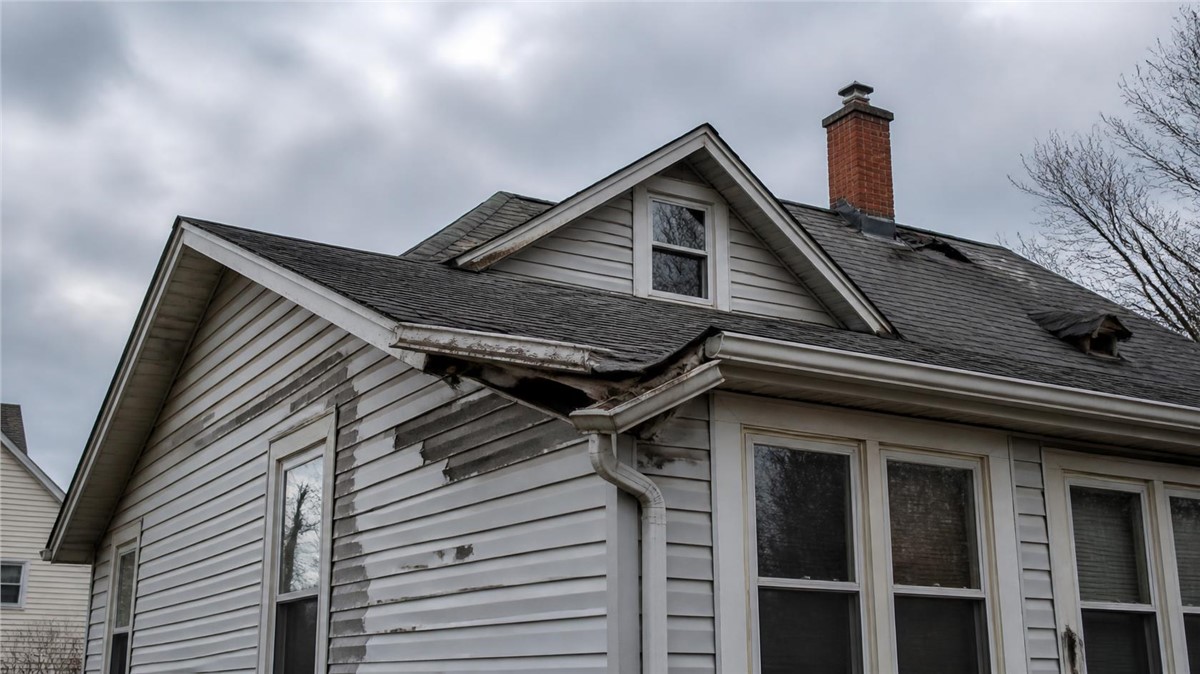
Before choosing new siding, start by understanding the condition of your existing exterior. Some damage may be visible from the ground, while other issues may need a professional inspection.
Look for:
- Cracked siding panels
- Loose or missing sections
- Warping or buckling
- Holes or punctures
- Faded or brittle areas
- Hail impact marks
- Mold or mildew growth
- Water stains
- Soft trim around windows or doors
- Gaps around seams or corners
If several areas are damaged, replacement may be more practical than repeated repairs.
Step 2: Check for Moisture Problems
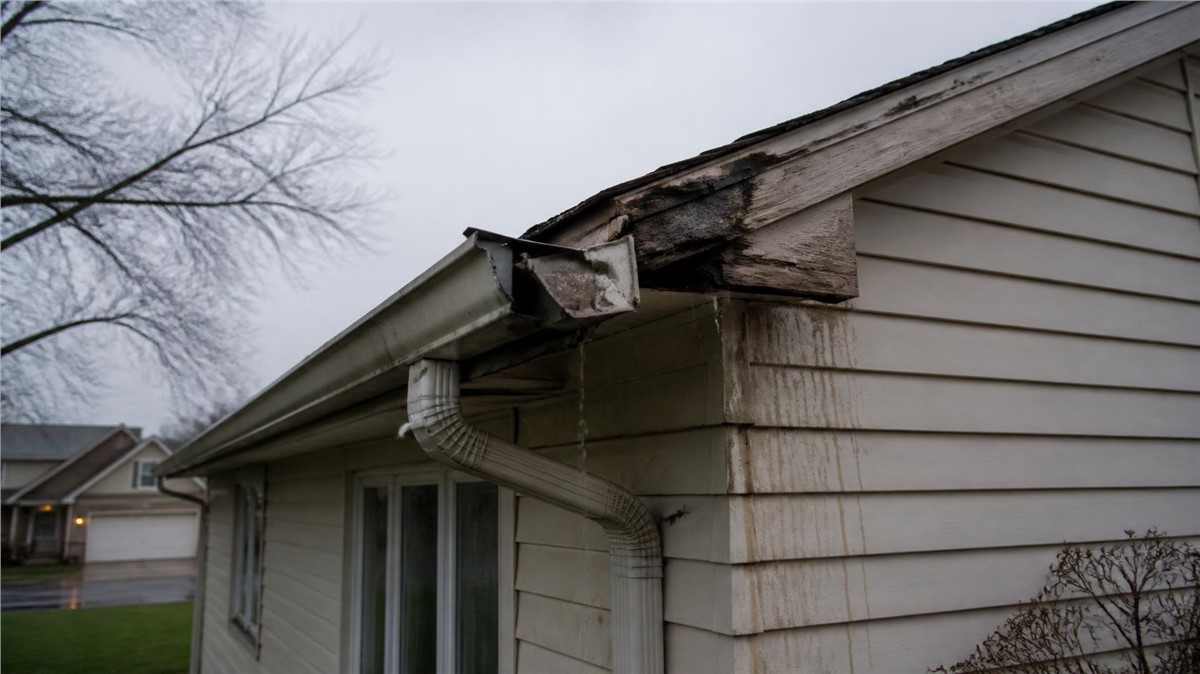
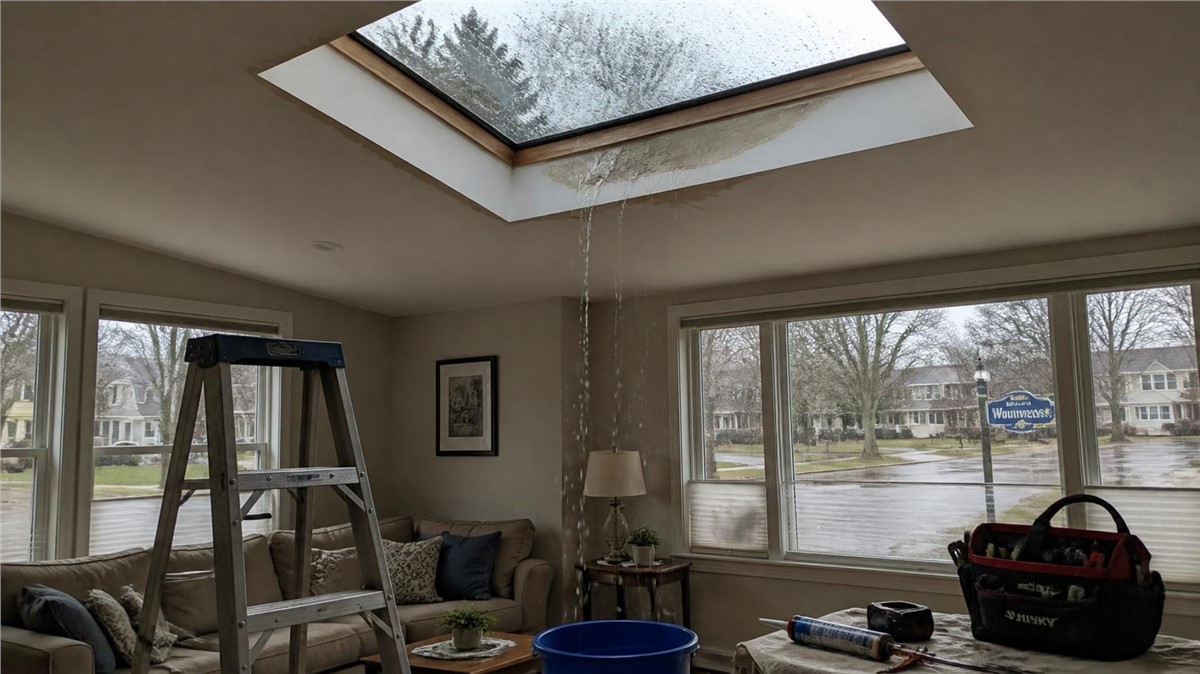
Moisture is one of the biggest concerns during siding replacement. Damaged siding can allow water behind the exterior wall system, where it may affect sheathing, insulation, framing, and interior walls.
Warning signs include:
- Musty smells
- Interior wall stains
- Bubbling paint
- Soft drywall
- Rot around trim
- Damp insulation
- Mold or mildew near windows
- Stains below siding seams
If moisture damage is found, those areas should be repaired before new siding is installed.
Step 3: Decide Between Repair and Replacement
Not every siding issue requires full replacement. If damage is minor and isolated, repair may be enough.
Repair may make sense if:
- Only a few panels are damaged
- Matching material is available
- Trim damage is small
- No moisture has entered the wall system
- The siding is still in good condition overall
Replacement may be better if:
- Damage affects multiple walls
- Panels are brittle, faded, or warped
- Storm damage is widespread
- Moisture damage is present
- Repairs would not match well
- Siding keeps coming loose
- You want a full curb appeal update
A professional inspection can help you make a practical decision.
Step 4: Choose the Right Siding Material
The best siding material depends on your home, budget, style, and maintenance goals.
Common options include:
- Vinyl siding
- Fiber cement siding
- Engineered wood siding
- Shake-style accent siding
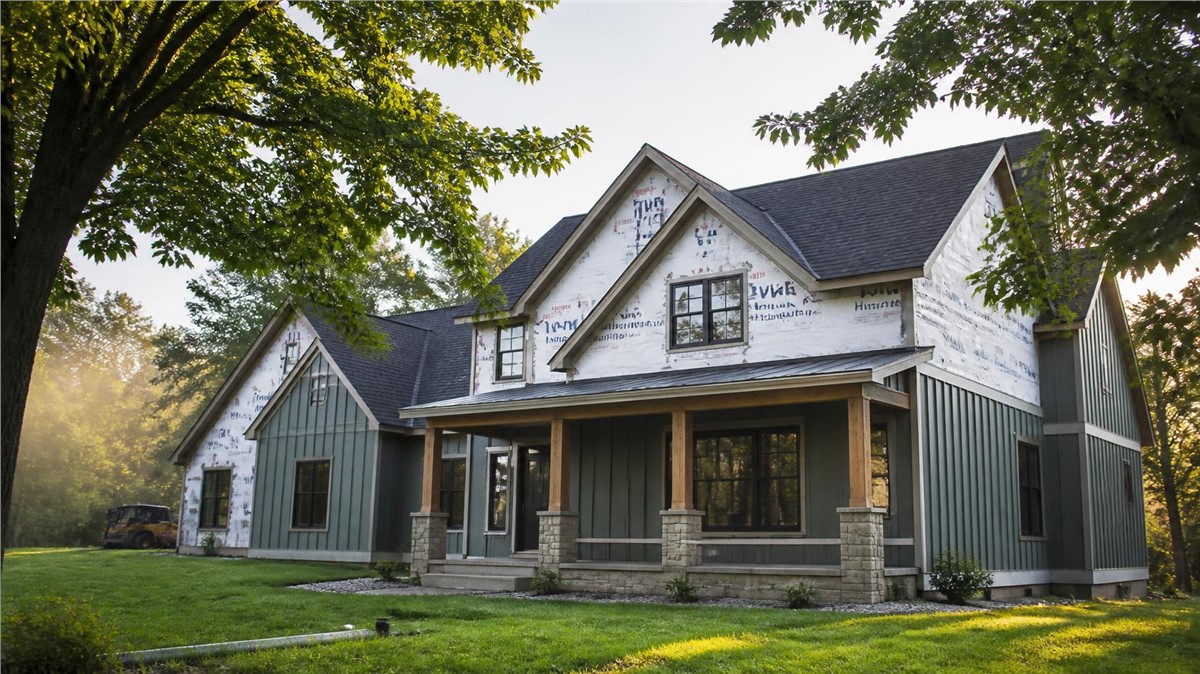
- Board and batten accent siding
Vinyl siding is popular because it is low maintenance and available in many styles and colors. Fiber cement can offer a more substantial appearance. Engineered wood can provide a warmer, textured look.
The right choice should match both your design goals and the weather demands of Genoa, IL.
Step 5: Select Colors and Trim Details
Siding color affects the entire look of your home. Before choosing, compare samples outside in natural light.
Consider how the siding will look with:
- Roof color
- Gutters
- Window trim
- Doors
- Garage door
- Brick or stone accents
- Fascia and soffit
- Landscaping
Neutral colors often provide a timeless look, while darker tones or accent panels can create a more updated style. Trim color also matters because it frames the finished exterior.
Step 6: Check Roofing, Gutters, and Windows
Siding works with the full exterior system. Before replacing siding, it is smart to check other areas that may affect performance.
Review:
- Roof edges
- Gutters and downspouts
- Fascia and soffit
- Window trim
- Door trim
- Flashing
- Foundation drainage
- Storm-damaged areas
Overflowing gutters, roof edge problems, or leaking windows can damage new siding if they are not addressed.
Huskie Exteriors provides roofing, siding, window, gutter, and storm damage restoration services, helping homeowners evaluate the full exterior system before installation.
Step 7: Plan Around Genoa Weather
Weather can affect siding replacement timing. Heavy rain, strong wind, snow, ice, and extreme cold may delay installation for safety and quality reasons.
Genoa homes should be prepared for:
- Hail damage
- Wind-driven rain
- Snow buildup
- Ice near rooflines
- Freeze-thaw cycles
- Seasonal temperature changes
Many homeowners prefer to plan siding replacement during milder weather, but storm damage or moisture concerns may need faster attention.
Step 8: Prepare the Outside of Your Home
Before the project begins, clear space around the exterior so crews can work safely and efficiently.
Helpful preparation steps include:
- Move patio furniture away from the house
- Clear grills, planters, hoses, and decor
- Trim shrubs or branches near walls
- Move vehicles away from work areas
- Unlock gates if needed
- Clear access to outdoor outlets
- Keep children and pets away from work zones
A clear work area helps reduce delays and protects your belongings.
Step 9: Prepare the Inside of Your Home
Siding replacement can create noise and vibration. It is a good idea to prepare inside areas too.
Before installation, consider:
- Removing fragile wall decor
- Securing items on shelves
- Covering belongings near exterior walls
- Planning for noise during work hours
- Keeping pets in a safe indoor area
- Notifying family members about the project schedule
These small steps can make the project feel more manageable.
Step 10: Review the Final Details
Before work begins, homeowners should understand the project scope. A clear plan helps avoid confusion.
Review:
- Material choice
- Color selection
- Trim details
- Areas being replaced
- Any repair work underneath
- Timeline expectations
- Cleanup process
- Final walkthrough
Ask questions before installation starts so everyone understands the plan.
What Happens During Installation
During siding replacement, the old siding is removed, the wall area is inspected, repairs are made if needed, and the new siding system is installed.
The contractor may check for hidden damage around windows, doors, corners, and lower wall areas. If moisture or soft materials are found, repairs may be needed before the new siding can be completed.
After installation, the work area should be cleaned and the finished exterior reviewed.
Why Local Exterior Experience Matters
A local contractor understands how northern Illinois weather affects siding. In Genoa, IL, homes need siding that can handle hail, wind, heavy rain, snow, ice, and freeze-thaw cycles.
Local experience also helps homeowners choose practical materials, plan timing, inspect storm damage, and address related roofing, gutter, window, and trim concerns.
Conclusion
A siding replacement checklist helps Genoa, IL homeowners prepare for a smoother project. Inspecting current siding, checking moisture damage, choosing materials, reviewing colors, preparing the property, and evaluating the full exterior system can all help protect your home long term.
If your siding is cracked, faded, loose, storm-damaged, or showing signs of moisture problems, Huskie Exteriors can inspect your home and recommend the right next step.
Contact Huskie Exteriors for professional roofing, siding, window, gutter, and storm damage services in Illinois and Wisconsin.
Subscribe to Huskie Exteriors's Blog





Comments