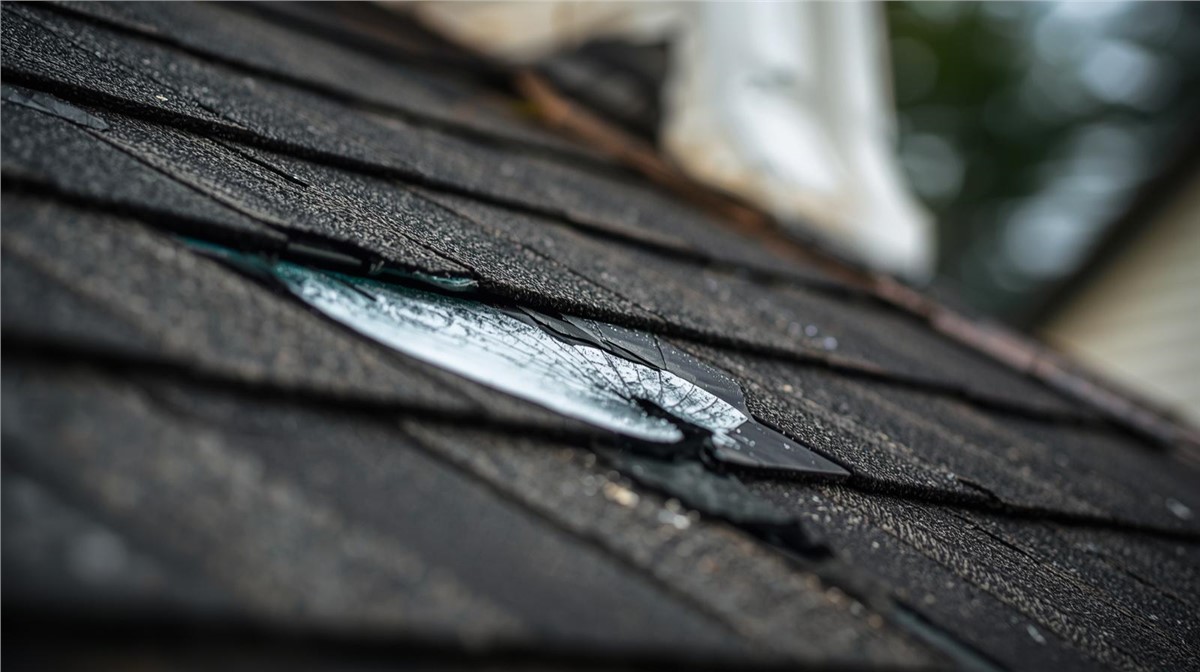
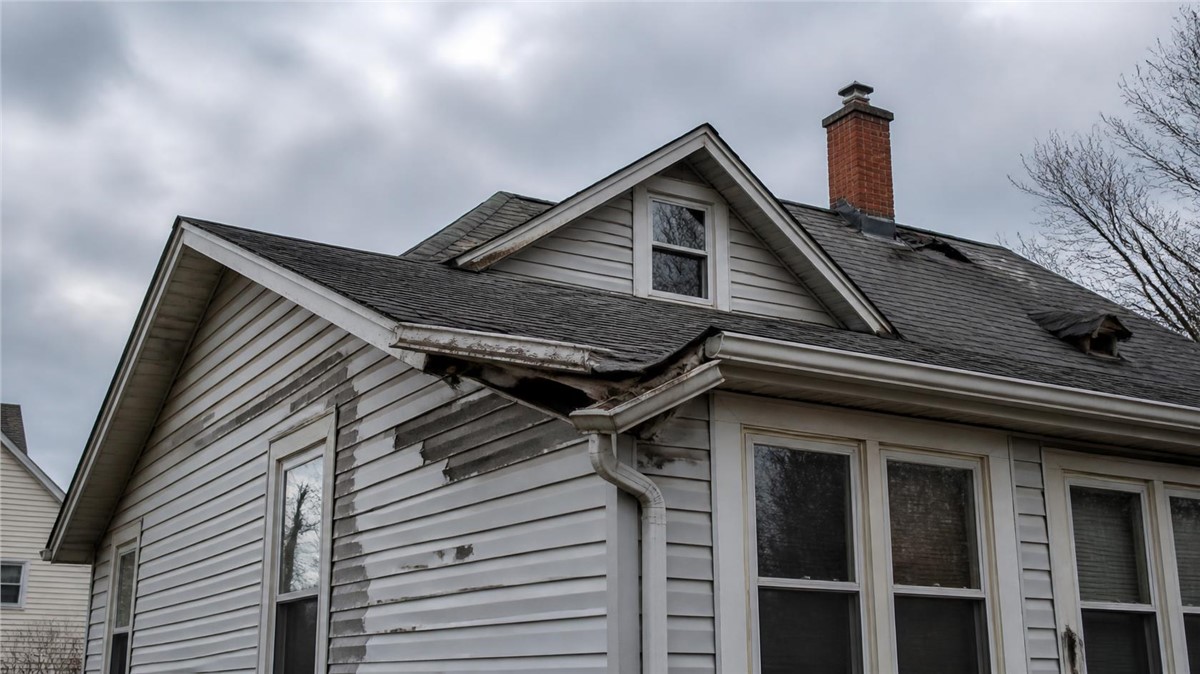
After a storm, some damage is easy to spot. You may see missing shingles, dented gutters, cracked siding, fallen branches, or torn window screens. But not all storm damage is obvious.
For homeowners in Rochelle, IL, hidden storm damage can be a serious concern. Hail, wind, heavy rain, snow, ice, and freeze-thaw cycles can affect exterior materials in ways that are difficult to see without a closer inspection.
A professional inspection helps homeowners understand whether the roof and exterior are still protecting the home properly.
Why Hidden Storm Damage Matters
Hidden storm damage may not cause an immediate leak. A roof can look normal from the driveway while shingles, flashing, vents, or gutters have damage that weakens performance over time.
If hidden damage is ignored, it can lead to:
- Roof leaks
- Ceiling stains
- Damp attic insulation
- Mold or mildew concerns
- Soft roof decking
- Siding moisture
- Damaged trim
- Foundation drainage problems
- Higher repair costs later
Small storm damage often becomes worse during the next heavy rain, wind event, or freeze-thaw cycle.
Common Types of Hidden Storm Damage
Storm damage can affect several parts of the home at once. A professional inspection looks beyond the most visible problem.
Common hidden damage may include:
- Bruised shingles from hail
- Lifted shingles from wind
- Loose flashing
- Damaged roof vents
- Granule loss
- Small siding cracks
- Gaps around trim
- Clogged or dented gutters
- Moisture behind siding
- Water stains in attic areas
These issues may not be easy to identify from ground level.
Hail Damage That Is Hard to See
Hail damage can be especially difficult for homeowners to detect. Some hail impact marks are subtle, but they can still weaken shingles and shorten roof life.
A contractor may look for:
- Soft impact marks
- Granule loss
- Bruised shingles
- Cracked ridge caps
- Dented vents
- Dented gutters
- Damaged siding or trim
- Torn window screens
If gutters, downspouts, siding, or screens show hail impact, the roof should also be inspected closely.
Wind Damage That May Not Look Serious
Wind damage is not always obvious. A shingle may still be on the roof but no longer sealed correctly. This can allow wind-driven rain to enter during future storms.
Wind-related hidden damage may include:
- Lifted shingles
- Loose flashing
- Shifted ridge caps
- Damaged roof edges
- Loosened siding panels
- Bent gutter sections
- Gaps around exterior trim
Because wind damage can worsen quickly, it should be inspected before the next storm.
Water Intrusion Behind Exterior Materials
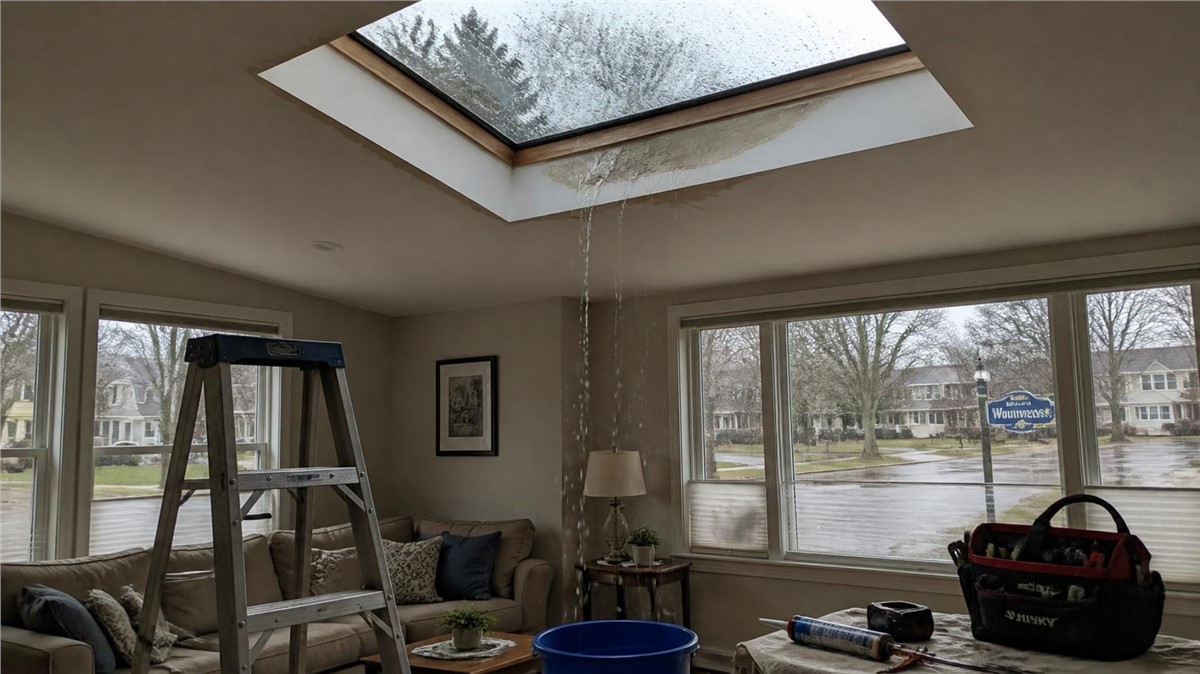
Heavy rain can push moisture into small gaps around siding, windows, roofing, flashing, and trim. The problem may stay hidden until stains, odors, or interior damage appear.
Warning signs may include:
- Musty smells
- Damp attic insulation
- Water stains on ceilings
- Bubbling paint
- Soft drywall
- Stains below windows
- Mold or mildew near trim
- Moisture near exterior walls
Water can travel before becoming visible, so the source may not be directly above the stain.
Gutters and Drainage Problems After Storms
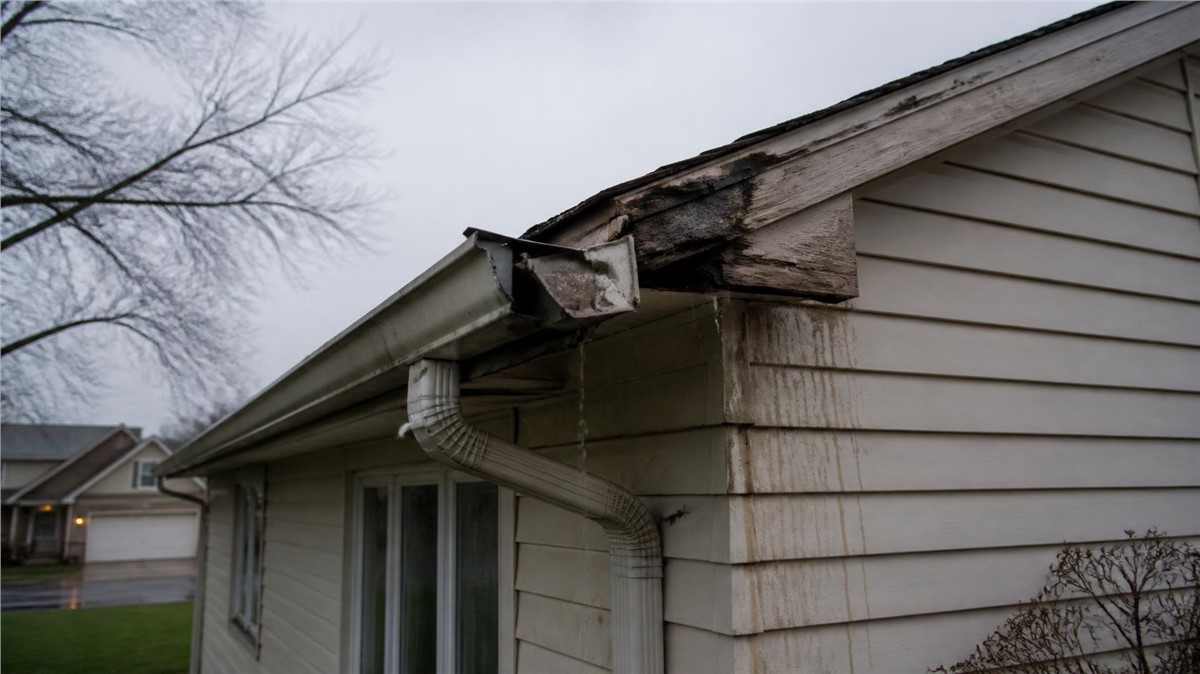
Gutters often show signs of storm damage, but some problems are easy to miss until the next rain.
A professional may check for:
- Dented gutters
- Loose fasteners
- Sagging sections
- Leaking seams
- Clogged downspouts
- Granules near outlets
- Water pooling near the foundation
- Fascia or soffit damage
Poor gutter drainage can affect the roof edge, siding, landscaping, basement, walkways, and foundation.
Siding, Windows, and Trim Should Be Checked Too
Storm damage is not limited to the roof. Hail and wind can damage siding, windows, trim, fascia, soffit, and exterior openings.
Hidden exterior issues may include:
- Small siding cracks
- Loose siding panels
- Soft trim around windows
- Failed caulking
- Water stains below windows
- Dented metal trim
- Torn screens
- Gaps around doors
A full exterior inspection helps identify damage that may be missed if only the roof is checked.
What Happens During a Professional Inspection
During a professional inspection, the contractor reviews the home’s exterior system and looks for damage caused by storms, age, drainage issues, or moisture.
An inspection may include:
- Roof surface review
- Shingle and flashing check
- Gutter and downspout inspection
- Siding and trim review
- Window and screen check
- Fascia and soffit inspection
- Attic or interior moisture check when needed
- Photos of visible damage
- Repair or replacement recommendations
The goal is to identify what needs attention and what can still perform properly.
Why Homeowners Should Avoid Roof Inspections Themselves
After a storm, it may be tempting to climb onto the roof. However, this can be unsafe, especially if the roof is wet, steep, damaged, icy, or covered with debris.
Homeowners should stick to safe ground-level checks and leave roof-level inspection to professionals with proper equipment and experience.
From the ground, you can safely look for:
- Shingles in the yard
- Dented gutters
- Loose siding
- Torn screens
- Fallen branches
- Water pooling
- Visible stains
- Debris on the roof
Repair vs Replacement After Hidden Damage
A professional inspection helps determine whether repair or replacement is more practical.
Repair may be enough if:
- Damage is isolated
- Only a few shingles are affected
- One gutter section is damaged
- A few siding panels are cracked
- Flashing damage is limited
- No moisture damage is found
Replacement may be better if:
- Damage affects multiple roof slopes
- Siding damage is widespread
- Leaks keep returning
- Materials are aging or brittle
- Moisture has reached decking or walls
- Repairs would only be temporary
The best option depends on the condition of the full exterior system.
How Rochelle Weather Can Make Damage Worse
Rochelle homes face weather that can worsen hidden damage over time.
Heavy Rain
Rain can enter small gaps created by hail, wind, or aging materials.
Snow and Ice
Snow and ice can add weight to weakened roofing and gutters.
Freeze-Thaw Cycles
Water inside cracks can freeze, expand, and make the damage larger.
Strong Wind
Wind can loosen already damaged shingles, siding, trim, and gutter sections.
This is why early inspection is important after severe weather.
Why Local Exterior Experience Matters
A local contractor understands how northern Illinois weather affects homes. In Rochelle, storm damage may involve roofing, siding, gutters, windows, trim, fascia, soffit, and drainage areas at the same time.
Huskie Exteriors provides roofing, siding, window, gutter, and storm damage restoration services, helping homeowners evaluate the full exterior system after storms.
Conclusion
Hidden storm damage in Rochelle, IL can be easy to miss but costly to ignore. Hail, wind, heavy rain, snow, ice, and freeze-thaw cycles can affect roofing, siding, gutters, windows, trim, and moisture protection.
If your home was recently hit by severe weather or you notice dents, stains, loose materials, leaks, or exterior wear, Huskie Exteriors can inspect your property and recommend the right next step.
Contact Huskie Exteriors for professional roofing, siding, window, gutter, and storm damage services in Illinois and Wisconsin.
Subscribe to Huskie Exteriors's Blog





Comments