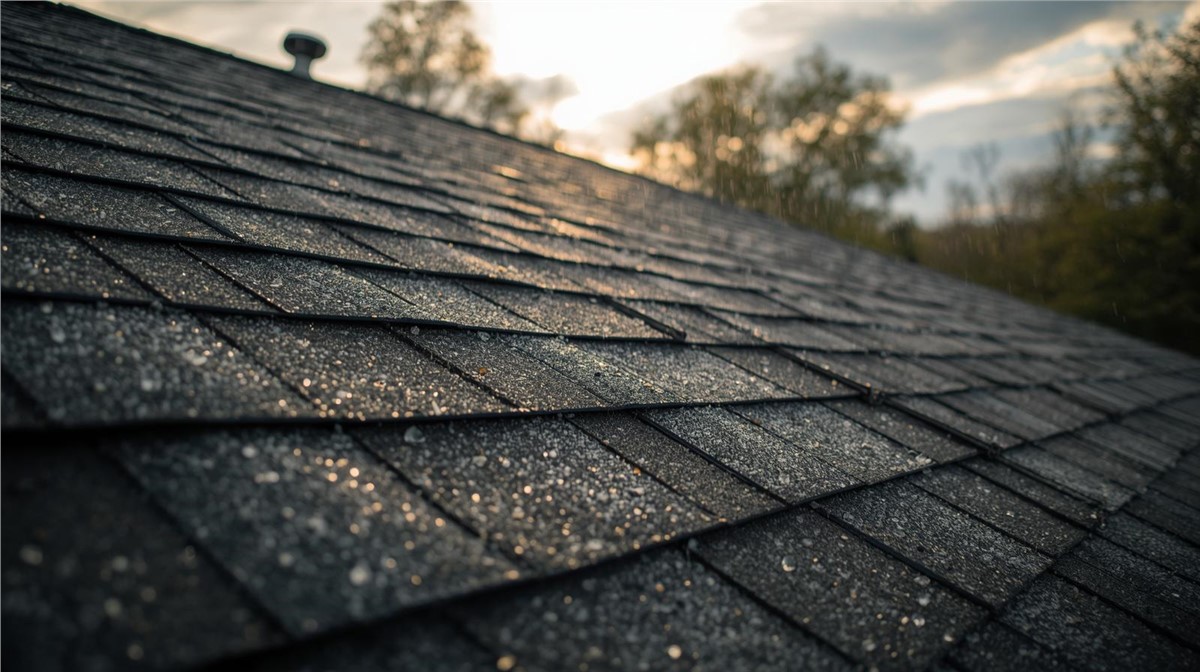
A roof in the Midwest has to handle a lot. One season may bring heavy rain and wind. Another may bring hail, snow, ice, and freezing temperatures. Over time, these conditions can wear down shingles, flashing, gutters, roof edges, and attic ventilation.
For homeowners in Kingston, IL, understanding how local weather affects roofing can help with maintenance, repair planning, and replacement decisions. A roof may look fine from the ground, but weather damage can develop slowly before it turns into a visible leak.
This guide explains what Midwest weather can do to your roof and what homeowners should watch for throughout the year.
Why Local Weather Matters for Roofing
Roofing materials are exposed to weather every day. Sun, rain, wind, ice, and storms all affect how well the roof performs over time.
Weather-related roof issues may lead to:
- Missing or lifted shingles
- Roof leaks
- Granule loss
- Damaged flashing
- Ceiling stains
- Damp attic insulation
- Mold or mildew concerns
- Soft roof decking
- Gutter problems
- Fascia and soffit damage
In Kingston, IL, roofing should be inspected regularly because small problems can get worse quickly during storm season or winter weather.
Heavy Rain and Roof Leaks
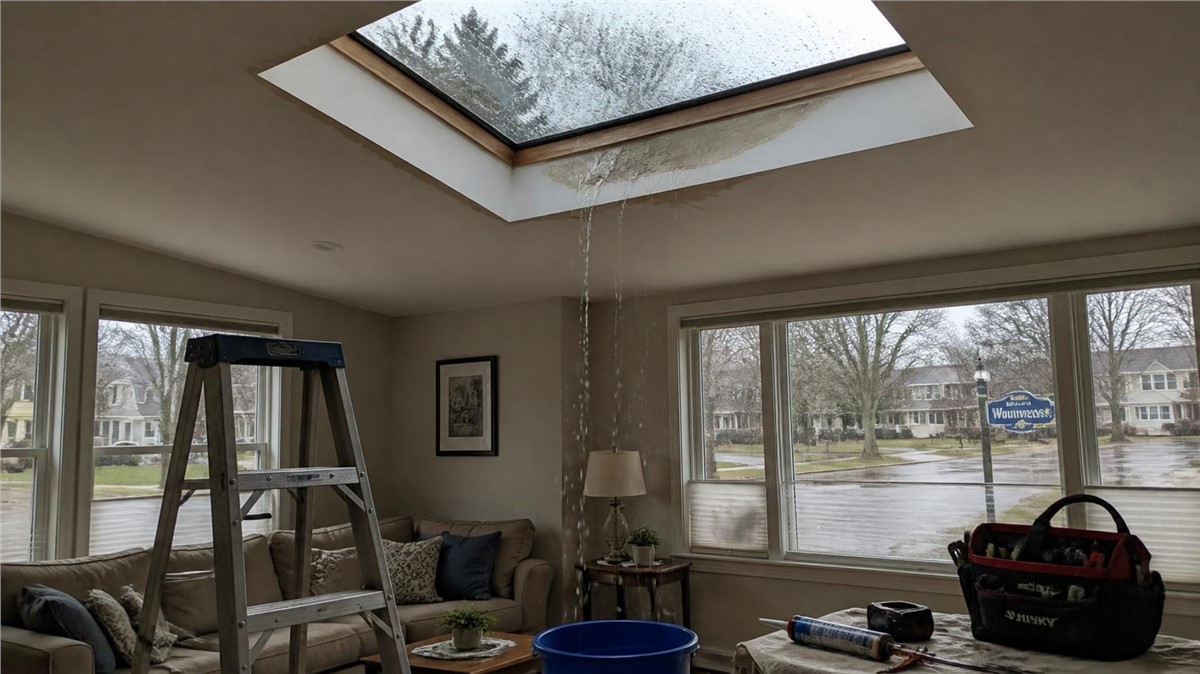
Heavy rain is one of the fastest ways to reveal roof problems. If shingles, flashing, valleys, or roof penetrations are damaged, water may find a path into the home.
Rain-related warning signs include:
- Leaks during storms
- Ceiling stains
- Damp attic areas
- Water near vents or chimneys
- Stains near exterior walls
- Overflowing gutters
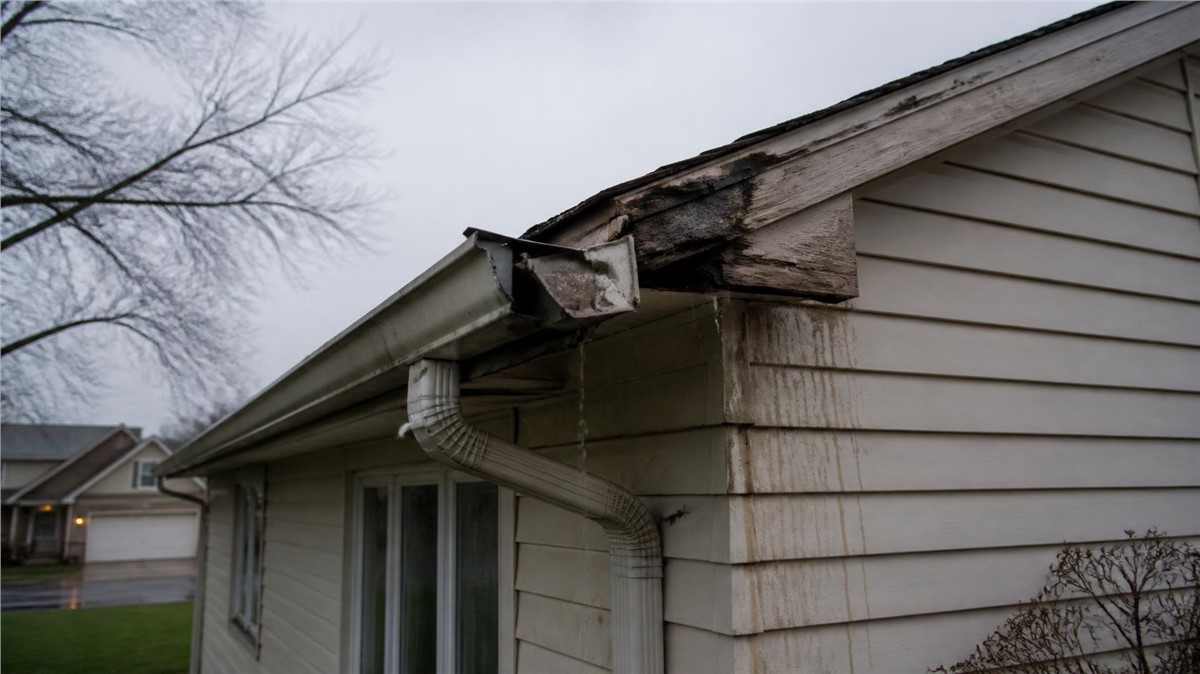
- Soft or stained fascia
A small leak should not be ignored. Water can travel through insulation, framing, and wall cavities before it becomes visible indoors.
Wind Damage to Shingles and Roof Edges
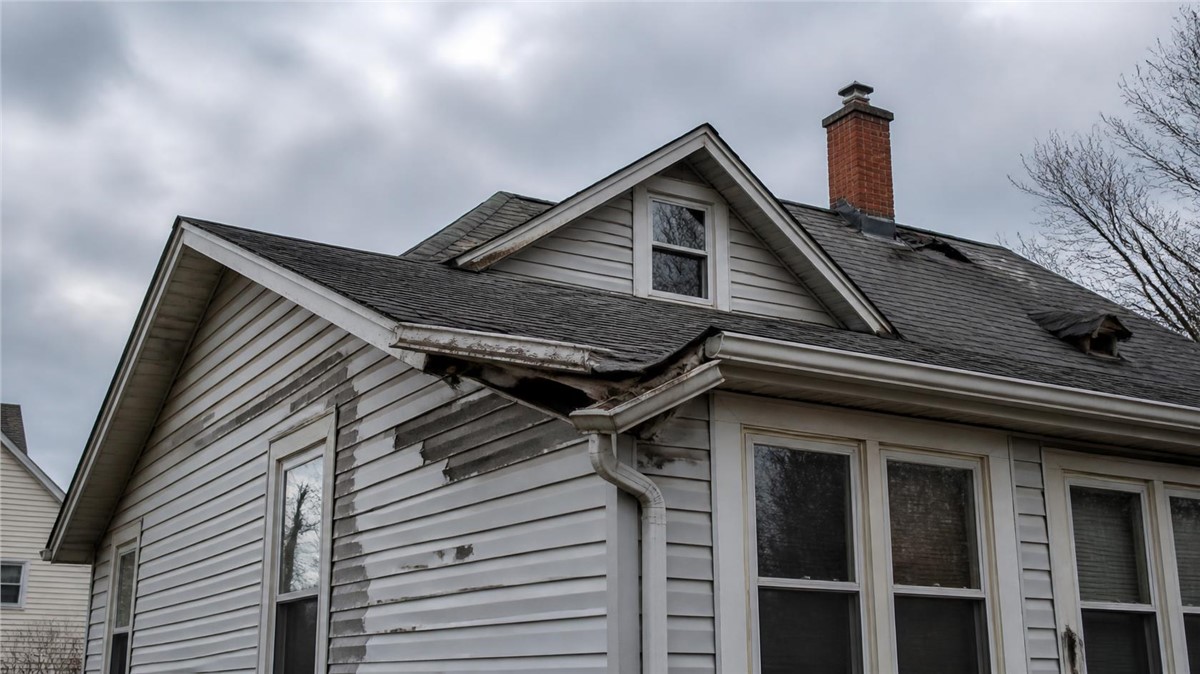
Strong winds can lift shingles, loosen flashing, and damage roof edges. Sometimes shingles are missing after a storm. Other times, shingles remain in place but no longer seal correctly.
Watch for:
- Shingles in the yard
- Lifted shingle edges
- Loose flashing
- Exposed underlayment
- Damaged ridge caps
- Debris on the roof
- Leaks after wind-driven rain
Wind damage should be inspected early because the next storm can make the affected area worse.
Hail Damage on Roofing
Hail can damage shingles, vents, gutters, siding, and window screens. Some hail damage is easy to see, but roof damage is often difficult to identify from the ground.
Hail may cause:
- Bruised shingles
- Granule loss
- Cracked shingles
- Dented roof vents
- Dented gutters
- Damaged ridge caps
- Weakened roofing materials
A roof may not leak right away after hail, but damaged shingles can lose protection over time. If gutters or siding show hail impact, the roof should also be checked.
Snow, Ice, and Winter Roof Stress
Winter weather can place extra stress on the roofing system. Snow adds weight, ice can build up near roof edges, and frozen gutters can prevent proper drainage.
Winter roof concerns include:
- Ice dams
- Frozen gutters
- Water backup near roof edges
- Ceiling stains during thawing
- Loose shingles after winter wind
- Damaged fascia or soffit
- Moisture in the attic
If your roof already has small damage before winter, snow and ice can make the issue worse.
Freeze-Thaw Cycles
Freeze-thaw cycles are common in northern Illinois. Water enters a small crack or gap, freezes, expands, and then melts again. Over time, this can widen openings and weaken exterior materials.
Freeze-thaw cycles can affect:
- Shingles
- Flashing
- Gutters
- Siding near rooflines
- Chimney areas
- Roof valleys
- Exterior trim
This is one reason small repairs should be handled before colder weather arrives.
Heat, Sun, and Attic Ventilation
Summer heat can also affect roofing. When attic ventilation is poor, heat can build up under the roof deck and place extra stress on shingles and insulation.
Poor ventilation may lead to:
- Excess attic heat
- Moisture buildup
- Shorter shingle life
- Uneven indoor temperatures
- Ice dam concerns in winter
- Musty attic odors
A healthy roof system includes proper ventilation, insulation, and moisture control.
Gutters and Roofing Work Together
Gutters help move water away from the roof edge, siding, foundation, and landscaping. When gutters are clogged, leaking, or sagging, water can back up near the roofline.
Gutter problems can cause:
- Fascia damage
- Soffit damage
- Roof edge wear
- Siding stains
- Foundation moisture
- Ice buildup in winter
- Overflow during heavy rain
During roof inspections, gutters and downspouts should be checked along with shingles and flashing.
Signs Your Roof Needs Attention
Homeowners should watch for both exterior and interior warning signs.
Common signs include:
- Missing shingles
- Curling or cracked shingles
- Granules in gutters
- Dented vents or gutters
- Loose flashing
- Water stains on ceilings
- Damp attic insulation
- Sagging roof areas
- Frequent roof repairs
- Storm damage around the property
If several signs appear at once, a professional inspection can help determine whether repair or replacement is the better option.
Repair vs Replacement
Roof repair may be enough when damage is limited and the roof is still in good condition overall.
Repair may make sense if:
- Only a few shingles are missing
- One flashing area is damaged
- Storm damage is isolated
- Gutters need minor adjustment
- There is no widespread moisture damage
Roof replacement may be better if:
- Leaks keep returning
- Shingles are worn across the roof
- Storm damage affects multiple slopes
- Granule loss is heavy
- Decking or insulation is damaged
- Repairs are becoming frequent
A professional inspection can help homeowners make a practical decision.
Why a Full Exterior Inspection Helps
Midwest weather often affects more than the roof. Hail, wind, heavy rain, snow, and ice can also damage siding, gutters, windows, fascia, soffit, trim, and drainage areas.
A full exterior inspection may include:
- Roofing
- Gutters and downspouts
- Siding
- Windows
- Fascia and soffit
- Flashing
- Trim
- Attic moisture signs
- Foundation drainage
Huskie Exteriors provides roofing, siding, window, gutter, and storm damage restoration services, helping homeowners evaluate the full exterior system.
Why Local Exterior Experience Matters
A local contractor understands how northern Illinois weather affects roofing systems. In Kingston, IL, roofs need to handle hail, wind, heavy rain, snow, ice, humidity, summer heat, and freeze-thaw cycles.
Local experience also helps homeowners identify whether roof damage is storm-related, weather-related, ventilation-related, or part of a larger exterior issue.
Conclusion
Roofing for Midwest homes in Kingston, IL needs to stand up to changing weather throughout the year. Heavy rain, wind, hail, snow, ice, heat, and freeze-thaw cycles can all affect shingles, flashing, gutters, roof edges, and attic areas.
If your roof has missing shingles, leaks, storm damage, gutter issues, or signs of weather-related wear, Huskie Exteriors can inspect your home and recommend the right next step.
Contact Huskie Exteriors for professional roofing, siding, window, gutter, and storm damage services in Illinois and Wisconsin.
Subscribe to Huskie Exteriors's Blog




Comments