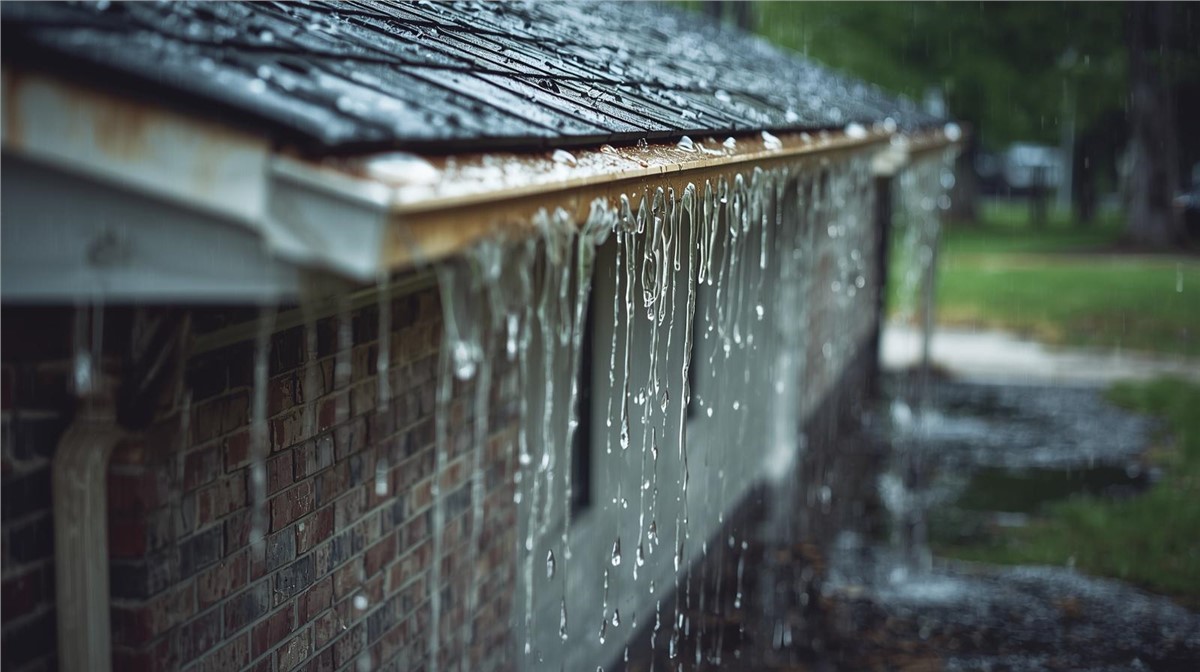
Gutters are designed to move rainwater and melting snow away from your home. When they overflow, water may spill over the edge, run behind the gutter, wash out landscaping, stain siding, or collect near the foundation.
For homeowners in Kirkland, IL, overflowing gutters are a common exterior concern because Midwest weather brings heavy rain, wind, hail, falling debris, snow, ice, and freeze-thaw cycles. If the issue is ignored, a simple drainage problem can lead to larger repairs.
Understanding the causes of overflowing gutters can help homeowners know when cleaning, repair, or replacement may be needed.
Why Overflowing Gutters Matter
An overflowing gutter may seem minor during one rainstorm, but repeated overflow can damage several parts of the home.
Overflowing gutters may contribute to:
- Foundation moisture
- Basement water concerns
- Siding stains
- Fascia and soffit damage
- Roof edge wear
- Mold or mildew growth
- Soil erosion
- Damaged landscaping
- Water near walkways
- Ice buildup in winter
Gutters are part of the full exterior system. When they fail, roofing, siding, trim, windows, and drainage areas can all be affected.
Common Cause 1: Clogged Gutters
Clogs are one of the most common reasons gutters overflow. Leaves, sticks, roof granules, seed pods, and storm debris can block water flow.
Signs of clogged gutters include:
- Water spilling over the front edge
- Plants or debris visible in the gutter
- Water not coming from downspouts
- Granules collecting near downspout openings
- Overflow during moderate rain
- Wet siding below the gutter line
Homes near trees may need more frequent gutter cleaning, especially in fall and after storms.
Common Cause 2: Blocked Downspouts
Sometimes the gutter itself is clear, but the downspout is blocked. If water cannot exit through the downspout, it backs up and overflows.
Downspouts may be blocked by:
- Leaves
- Twigs
- Roof granules
- Ice
- Nests
- Small debris
- Crushed or dented sections
A downspout should move water away from the foundation. If it is clogged or disconnected, water may pool too close to the home.
Common Cause 3: Poor Gutter Slope
Gutters need the right slope to move water toward downspouts. If the slope is incorrect, water may sit in the gutter or overflow in certain areas.
Poor slope may happen because of:
- Loose fasteners
- Sagging sections
- Improper installation
- Age-related movement
- Heavy debris
- Snow and ice weight
If water collects in one section after rain, the gutter may need adjustment or repair.
Common Cause 4: Gutters Pulling Away From the Home
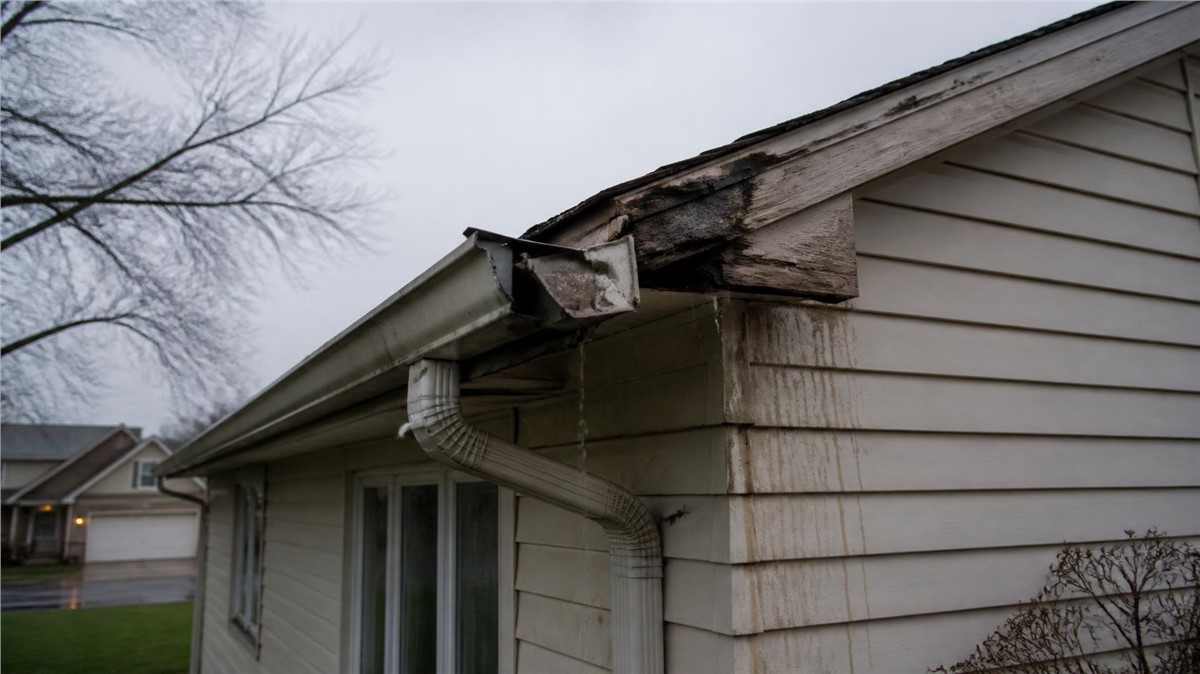
Gutters that pull away from the fascia may allow water to run behind the system instead of into it. This can damage fascia, soffit, siding, and roof edges.
Watch for:
- Gaps between gutter and fascia
- Loose brackets
- Sagging gutter runs
- Water stains below roof edges
- Gutters tilted away from the home
- Fasteners that keep coming loose
If the fascia is soft or damaged, it may need repair before the gutter can be secured properly.
Common Cause 5: Undersized Gutters
Some homes have gutter systems that are not large enough for the roof size, slope, or water volume. During heavy rain, undersized gutters may overflow even when they are clean.
This can happen on homes with:
- Steep roof slopes
- Long rooflines
- Large roof surfaces
- Multiple roof valleys
- Heavy runoff areas
- Too few downspouts
A professional inspection can determine whether larger gutters, more downspouts, or better drainage design may be needed.
Common Cause 6: Storm Damage
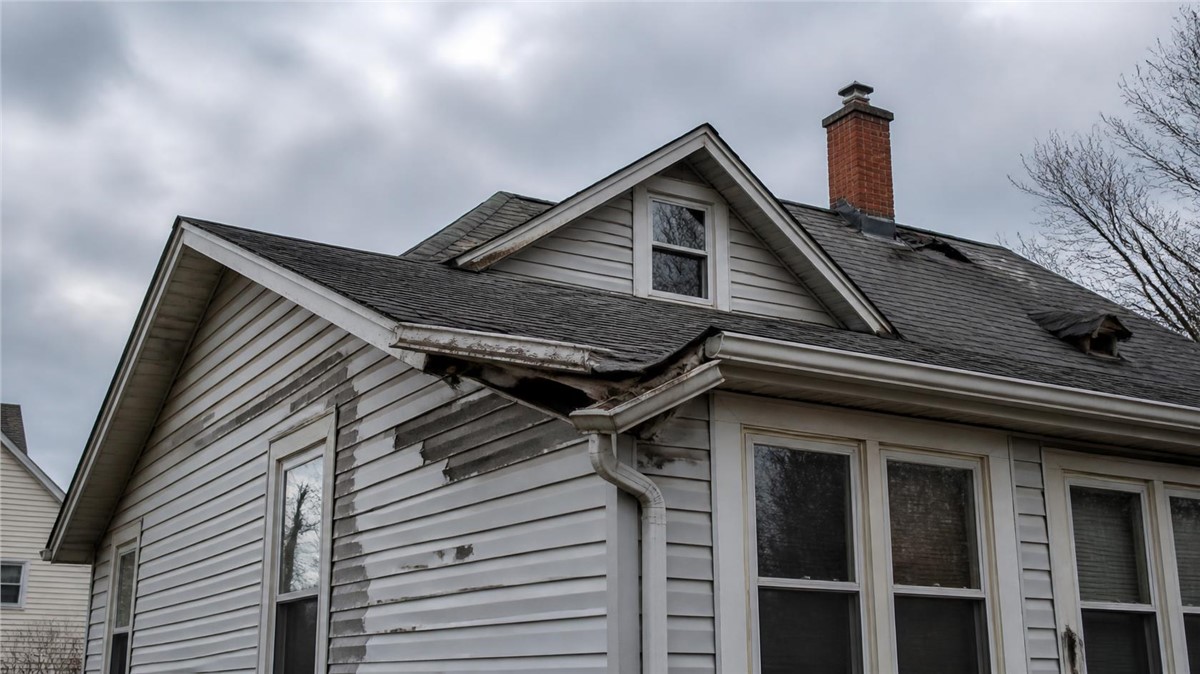
Storms can damage gutters quickly. Hail can dent gutters and downspouts. Wind can loosen fasteners. Heavy rain can expose weak spots. Falling branches can bend or pull sections away.
After storms in Kirkland, check for:
- Dented gutters
- Loose downspouts
- Sagging sections
- Leaking seams
- Debris buildup
- Granules near downspouts
- Water pooling near the foundation
- Damaged fascia or soffit
If gutters show storm damage, the roof and siding should also be inspected.
Winter Ice and Freeze-Thaw Problems
Overflowing gutters can become more serious in winter. If water sits in clogged or poorly sloped gutters, it can freeze and add weight to the system.
Winter gutter issues may include:
- Ice inside gutters
- Frozen downspouts
- Icicles along roof edges
- Gutters pulling away
- Water backup near roof edges
- Ice near walkways
- Overflow during thawing
Freeze-thaw cycles can also make small leaks, cracks, and loose sections worse.
How Overflowing Gutters Affect Roofing and Siding
Gutters protect more than the foundation. When they overflow, water can affect the roof edge, fascia, soffit, siding, windows, trim, and lower walls.
Overflow may lead to:
- Stained siding
- Soft fascia boards
- Damaged soffit
- Window trim moisture
- Roof edge wear
- Exterior paint damage
- Mold or mildew growth
- Water entering small gaps
This is why overflowing gutters should be handled before the problem spreads.
Solutions for Overflowing Gutters
The right solution depends on the cause of the overflow.
Common solutions include:
- Cleaning debris from gutters
- Clearing blocked downspouts
- Adjusting gutter slope
- Reattaching loose sections
- Repairing leaking seams
- Replacing damaged downspouts
- Adding downspout extensions
- Installing larger gutters
- Adding more downspouts
- Replacing failing gutter systems
A professional inspection can help determine whether maintenance, repair, or replacement is the best option.
Should You Consider Gutter Guards?
Gutter guards can help reduce leaves and larger debris from entering the gutter system. They may be helpful for homes with heavy tree coverage.
However, gutter guards do not make gutters maintenance-free. Small debris, roof granules, ice, and buildup can still affect drainage. Gutters with guards should still be checked periodically, especially after storms and before winter.
Repair vs Replacement
Gutter repair may be enough if the problem is limited.
Repair may make sense if:
- One section is loose
- One seam is leaking
- A downspout is blocked or disconnected
- The slope can be adjusted
- The gutter system is still in good condition overall
Replacement may be better if:
- Gutters overflow frequently
- Several sections are sagging
- Gutters are cracked, rusted, or badly dented
- Downspouts are poorly placed
- The system is undersized
- Fascia damage is present
- Repairs are becoming frequent
A professional inspection can help homeowners make the right decision.
Why Roofing, Siding, and Drainage Should Be Checked Too
Overflowing gutters may be a sign of a larger exterior issue. Roof valleys may be sending too much water into one area. Siding may already be stained or damaged. Downspouts may be draining too close to the foundation.
A full exterior review may include:
- Gutters and downspouts
- Roofing
- Fascia and soffit
- Siding
- Windows and trim
- Foundation drainage
- Storm damage areas
Huskie Exteriors provides roofing, siding, window, gutter, and storm damage restoration services, helping homeowners evaluate the full exterior system.
Why Local Exterior Experience Matters
A local contractor understands how northern Illinois weather affects gutter systems. In Kirkland, IL, gutters need to handle heavy rain, hail, wind, falling debris, snow, ice, and freeze-thaw cycles.
Local experience helps homeowners identify whether overflowing gutters are caused by clogs, damage, poor slope, undersized gutters, or connected roofing and drainage concerns.
Conclusion
Overflowing gutters in Kirkland, IL should not be ignored. Clogs, blocked downspouts, poor slope, storm damage, undersized gutters, and loose sections can all cause water to spill where it should not.
If your gutters overflow during rain, leak at seams, pull away from the home, or send water toward the foundation, Huskie Exteriors can inspect your home and recommend the right next step.
Contact Huskie Exteriors for professional roofing, siding, window, gutter, and storm damage services in Illinois and Wisconsin.
Subscribe to Huskie Exteriors's Blog






Comments